REVIEW · FEZ
Unforgettable Fes Cooking Class with a local
Book on Viator →Operated by Fes Desert Trips · Bookable on Viator
A market lesson in flavors beats a cookbook. This private Fez cooking class pairs a souk shopping walk with a hands-on kitchen session, then you eat what you make, with pickup and return transfer. It’s a simple plan that feels very local because you’re shopping for real ingredients first, not just following steps later.
I especially like two things. First, the private guide angle—your guide handles translation and shares practical tips while you shop. Second, the hands-on part in the kitchen, where local cooks explain each step; one reviewer named Zequia and Mufi specifically, and that kind of friendly, step-by-step teaching is exactly what makes the recipes stick.
One consideration: the tour starts at 3:00 pm, and you’ll be walking through the Medina to reach the souk and the kitchen area. If you’re sensitive to uneven lanes or just want a very restful afternoon, plan accordingly.
In This Review
- Key highlights to know before you go
- Why a 3:00 pm cooking class works well in Fez
- Pickup, privacy, and a guide who helps you actually understand it
- Souk shopping: meat, produce, fruit, and spices you might not shop for at home
- Ingredient shopping you can taste later: saffron, cumin, turmeric, and the rest
- The kitchen lesson: cooking with locals and learning the steps that make it work
- Eating together: the homemade meal that makes the class feel complete
- Price and value: is $58.73 worth it in Fes?
- What to expect from the experience day (step by step)
- Small practical tips so you get the most out of it
- Who should book a cooking class like this in Fez
- Should you book this Fez cooking class?
- FAQ
- What time does the cooking class start in Fez?
- How long is the cooking class?
- Is pickup offered from my accommodation?
- Is this a private tour?
- Do I visit a souk before cooking?
- What foods will we learn or make?
- Is the meal included?
- How far in advance is this usually booked?
- What is the cancellation policy?
- Do I get a mobile ticket?
Key highlights to know before you go
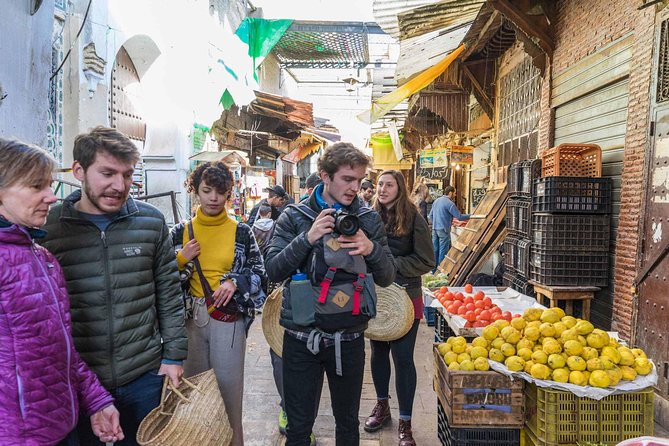
- Souk shopping with a guide: you search out produce, meat, fruits, and spices with translations built in
- Traditional ingredients in real quantities: expect items like saffron, cumin, turmeric, paprika, cinnamon, ginger, pepper, and Moroccan salt
- Local-led cooking with names you’ll remember: reviewers mention chefs including Zequia and Mufi teaching the class
- You cook and then sit down together to eat: the homemade meal is part of the experience, not an optional add-on
- Pickup and return transfer included: makes the Medina portion easier to manage
Why a 3:00 pm cooking class works well in Fez
A late-afternoon start can be a smart move in Fez. At 3:00 pm, you get a slice of the day when people are out and about in the Medina, and you’re not rushing through the city in peak morning time. It also gives you a smooth flow: first you shop, then you cook, then you eat, all without the awkward gap between tour parts.
The schedule is tight in a good way. The whole experience is about 3 hours, so you’re not stuck waiting around for the next stage. That matters because a cooking class in a real kitchen needs momentum; ingredients are fresh, and you want your recipe time while everything is still at its best.
You should also think of timing as a “comfort” factor. You’ll be out in the Medina lanes before heading to the kitchen. If you like the idea of seeing the city with purpose—rather than wandering for hours—this format tends to hit the sweet spot.
You can also read our reviews of more tours and experiences in Fez.
Pickup, privacy, and a guide who helps you actually understand it
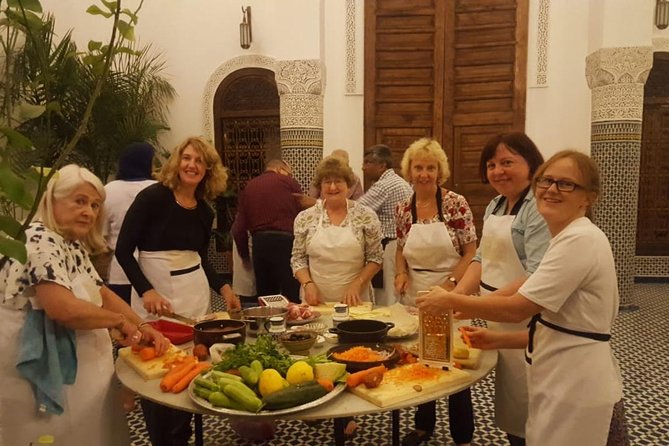
This is a private activity, meaning it’s only your group. That’s a big quality-of-life upgrade in the Medina, where directions, language, and small details can otherwise slow you down. With a private guide, you can ask questions as you go, and you’re not stuck with a one-size-fits-all explanation.
Pickup is also offered, with return transfer back to your accommodation. In practice, that helps you enjoy the class without turning the day into a navigation project. You can focus on the food mission instead of figuring out where the kitchen is and how to get back.
The best part here is the “translation plus tips” combo. The souk shopping isn’t just a photo stop. Your guide helps you make sense of what you’re seeing and how the ingredients connect to the meal you’ll make later. That’s how the experience sticks with you after you go home—names, uses, and flavor logic, not just a list of spices.
Souk shopping: meat, produce, fruit, and spices you might not shop for at home
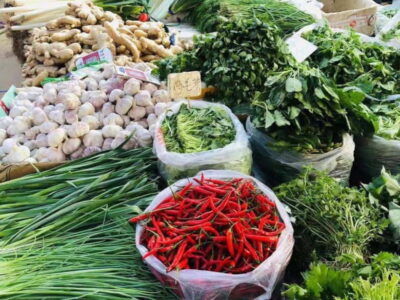
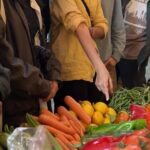
The day starts with a shopping expedition in a local souk or market inside the Medina. This part is where you learn how Moroccan cooking is built: you don’t treat spices like seasoning dust. You treat them like ingredients with personalities.
In the markets, you’ll typically cover four main categories:
- Butchers for fresh meat: the tour description points to beef, chicken, and lamb, so you see where the protein comes from and what’s available
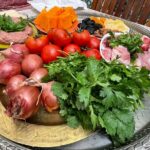
- Vegetable stalls for local produce: you’ll find quality local vegetables at prices that can feel surprising compared to home
- Fruit stalls for color and fragrance: fruit is presented as part of the sensory experience, not a side note
- Spice shops for the flavor engine: saffron, paprika, cumin, ginger, turmeric, pepper, cinnamon, and Moroccan salt are all part of what you may see
Here’s why this shopping time is valuable for your actual cooking class later. When you’ve stood in front of the spice piles—smelling, asking questions, and seeing what goes where—you’re far more likely to understand what matters in the recipe. You also build confidence. Later in the kitchen, you’ll recognize ingredients and feel like you’re cooking with intention instead of guessing.
One practical benefit: your guide helps with the “what is this and how is it used” part. In Morocco, spice names and categories can be different from what you’re used to. Having translation support makes the market portion feel doable.
Ingredient shopping you can taste later: saffron, cumin, turmeric, and the rest
The spice list matters, because it hints at what your meal will taste like. The experience explicitly calls out saffron, red hot paprika, yellow cumin, ginger (orange/brown), turmeric (a bright yellow hue), ground pepper, cinnamon (sticks or powdered), and white Moroccan salt.
What I like about this is that it’s not random. These are the building blocks of many classic Moroccan flavor profiles. You’ll also understand them as components rather than one-note powders.
Also, notice the range of forms. Cinnamon can be sticks or powder; salt is called out as Moroccan salt; spices appear with different colors and textures. When you see that in person, you start cooking smarter later because you stop treating everything as interchangeable.
Even if you already cook at home, you’ll probably pick up at least one lesson about how Moroccan recipes balance flavors. And if you don’t cook much, the kitchen part becomes easier because you’ve already met the ingredients in context.
The kitchen lesson: cooking with locals and learning the steps that make it work
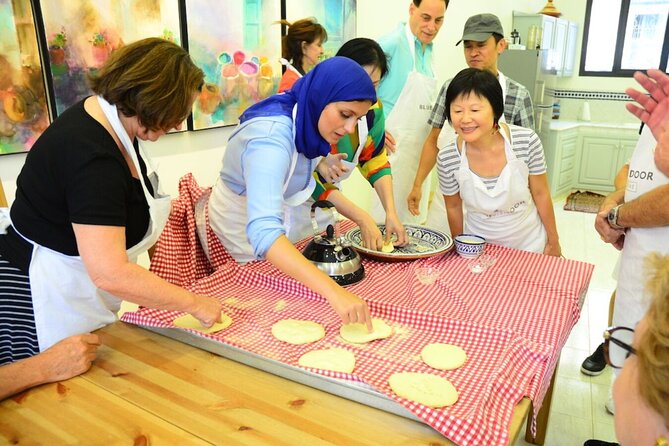
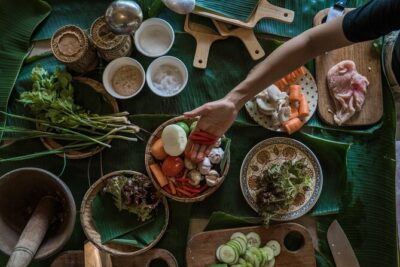
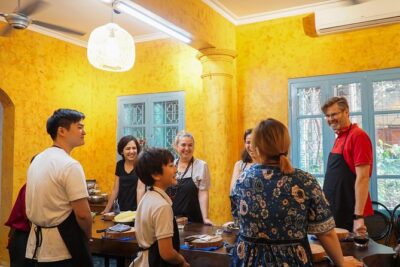
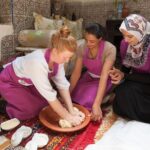
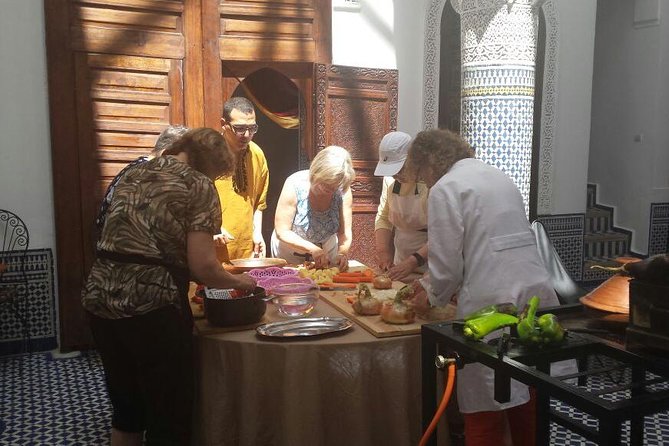
After shopping, your guide escorts you to a traditional Moroccan kitchen. This is where the tour turns into real skill building: hands-on cooking, led by locals, with explanations as you go.
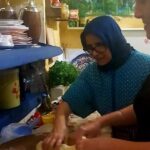
One reviewer highlighted learning Moroccan salad, lamb cous-cous, and mint tea, and said Zequia and Mufi explained every step and were very warm. That lines up with what you want from a class in a working kitchen: clear instruction, patience for questions, and a friendly tone that keeps you from feeling rushed.
Because the teaching includes step-by-step guidance, you’re not just watching someone else cook. You’ll likely handle parts of each recipe yourself—mixing, assembling, and preparing ingredients with direct coaching. That’s the difference between a cooking demonstration and an actual learning session.
Here’s the bigger point: you’re learning why certain steps happen. In Moroccan cooking, timing and technique can affect texture and flavor. When a chef walks you through the process and explains what to do and when, you can reproduce results later instead of only remembering flavors.
And mint tea is a great example of something many people think they know, but don’t really know how to do well. If the class includes mint tea, you’ll come away with a more confident approach than the usual sweetened tea you may be used to.


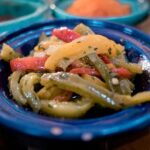
Eating together: the homemade meal that makes the class feel complete
The tour doesn’t end when the cooking stops. You sit down together to savor your homemade meal, and return transfer back to your accommodation is included afterward.
That meal portion is a key part of the value. You’re paying for an experience that includes the end result, not just the labor. After a few hours of work, there’s something satisfying about eating something you made with your own hands—and knowing which spice and ingredient influenced each bite.
This also helps you pace the experience. Instead of rushing through the next activity, you get a calmer finish. You can ask last questions while you eat, and the guide can help translate or clarify anything you didn’t understand earlier.
Also, by bundling the meal into the experience, the tour setup is designed to keep costs predictable. You’re not trying to piece together dinner plans afterward in the Medina.
Price and value: is $58.73 worth it in Fes?
At $58.73 per person, this sits in the “midrange but purposeful” category—especially if you care about language support, a real market visit, and a private kitchen session.
Here’s how I judge value for this kind of tour:
- You get pickup and return transfer, which is not a small thing in the Medina
- You have a private guide, meaning more attention and fewer logistical headaches
- You shop for ingredients first, so you’re not disconnected from where food comes from
- You cook and then eat, and the meal is part of the experience
If you were to replicate the experience on your own, the cost would likely shift into multiple pieces: time getting to the market, hiring someone for translation, paying for kitchen access, and figuring out dinner afterward. The $58.73 price makes the whole food workflow easier to handle in one package.
One more value point: the class is about learning recipes you may not have access to at home. That’s not just novelty. It’s practical travel value—something you can repeat later.
What to expect from the experience day (step by step)
Here’s the flow you can expect based on how the class is described:
1) Pickup from your accommodation at the start of the afternoon
2) Shopping expedition in the souk/market in the Medina to pick up ingredients
3) Escort to a traditional kitchen, where the hands-on cooking class happens
4) Cook together using local ingredients
5) Sit down to eat the homemade meal
6) Return transfer back to your hotel or riad
The whole thing runs about 3 hours. That means you should treat it like a focused appointment, not a half-day roam. If you’re the type who likes structure when traveling, you’ll probably enjoy it.
Small practical tips so you get the most out of it
You’ll be moving between the souk and kitchen areas, so wear shoes you trust. Medina lanes can be uneven, and you’ll be on your feet more than you’d expect for a “food tour.”
Also, since the class involves spices and fresh ingredients, keep your expectations realistic about smells on clothing. This is part of the fun. Just plan to dress in a way that you don’t mind a little kitchen and spice scent sticking around.
If you’re sensitive to strong odors, you might find it helpful to keep your focus on the guide’s instructions and ask for clarification as you go. The guide and the local cooks are there to explain each step—use that support.
Finally, go hungry. The meal is part of the experience, and you’ll want room for it after cooking.
Who should book a cooking class like this in Fez
This is a good fit if you:
- Want a hands-on food experience, not a lecture
- Like markets and want translation help while you shop
- Appreciate private guiding, especially in a place like the Medina
- Want recipes you can repeat later (Moroccan salad, lamb cous-cous, and mint tea are highlighted)
- Prefer a structured afternoon with pickup and return transfer
It may not be the best fit if you want a long, free-form day with minimal walking. This tour is focused and intentional, and the timeline is tight.
Should you book this Fez cooking class?
I’d book it if your main goal is to learn Moroccan cooking in a way that’s practical: you shop for ingredients first, you cook with locals, and then you eat what you make. The guide-led translation and the friendly teaching style described by reviewers—names like Zequia and Mufi come up for a reason—make it feel beginner-friendly without being watered down.
I’d think twice if you hate any kind of market walking or you’re very picky about timing in the afternoon. The 3:00 pm start is part of the design, and the Medina portion means you’ll be moving.
If you want one memorable food experience in Fez that’s not just tasting, but also learning, this is a strong choice.
FAQ
What time does the cooking class start in Fez?
The experience starts at 3:00 pm.
How long is the cooking class?
It lasts about 3 hours.
Is pickup offered from my accommodation?
Yes, pickup is offered, and return transfer to your accommodation is included at the end.
Is this a private tour?
Yes. Only your group participates.
Do I visit a souk before cooking?
Yes. You start with a shopping expedition in a local souk or market in the Medina to buy the ingredients you’ll use.
What foods will we learn or make?
The class includes Moroccan salad, lamb cous-cous, and mint tea, based on available feedback.
Is the meal included?
Yes. You cook and then sit down to savor your homemade meal as part of the experience.
How far in advance is this usually booked?
On average, it’s booked about 8 days in advance.
What is the cancellation policy?
Free cancellation is available up to 24 hours before the experience’s start time for a full refund. Cancellation within 24 hours does not receive a refund.
Do I get a mobile ticket?
Yes, the experience uses a mobile ticket.