REVIEW · CHENGDU
Half-Day steamed Buns Cooking Class with a Local Market Visit
Book on Viator →Operated by Chilli Cool China · Bookable on Viator
Steamed buns start with street spices. This half-day Bao Zi class pairs a local Sichuan spice market with hands-on shaping in a traditional courtyard kitchen, so you learn what goes into the filling before you touch the dough. I especially love the spice-market challenge format and the way your guide helps you spot real ingredients, not just theory. I also love that you finish with a proper feast of the buns you made, with beverages/beer served alongside. One possible drawback: it’s only about 4 hours, so it’s a learn-and-make session rather than a long, full-day meal experience.
You’ll have an English-speaking guide, group sizes limited to 15, and you’ll be treated with local Sichuan tea before cooking. There’s also a vegetarian option if you plan ahead, which matters because fillings and seasoning choices can be very specific in Sichuan cooking.
One more heads-up: the tour operates in all weather conditions, and the market portion means you’ll want comfortable walking shoes and weather-ready clothes. If you hate walking while it’s hot or wet, this might feel tighter than you expect.
In This Review
- Key highlights before you go
- Entering the Chengdu Bao Zi workshop: what this class really teaches
- Stop 1: Chilli Cool China and the pre-market warm-up
- The market visit: Sichuan spices, real ingredients, and a game-like way to learn
- A practical caution for the market portion
- From Chilli Cool’s Kitchen to dough work: how the class unfolds
- What you’ll be doing (and why it’s useful)
- Your bao zi feast: tea, steamed buns, and drinks to round it out
- Vegetarian option: what to plan for
- Price and value: is $80 fair for Chengdu?
- Who should book this Bao Zi workshop
- Who might skip
- Practical tips so your 4 hours go smoothly
- Should you book this Chengdu half-day Bao Zi class?
- FAQ
- FAQ
- How long is the steamed Bao Zi cooking class and market visit?
- Where does the tour start and end?
- Is there an English-speaking guide?
- Is a vegetarian option available?
- Is the class run in bad weather?
- Is a passport name and number required?
Key highlights before you go
- Sichuan spice market + short learning game: You practice spotting ingredients and spices before cooking.
- Hands-on Bao Zi workshop: You form and steam your own stuffed buns, not just watch.
- Traditional courtyard cooking setting: The class happens in a Sichuan-style courtyard and kitchen setup.
- Tea first, then cooking: Sichuan local tea is part of the experience.
- Max 15 people: Small enough for questions, big enough for a fun group vibe.
Entering the Chengdu Bao Zi workshop: what this class really teaches
Chengdu is famous for flavors that come in layers, and this workshop teaches those layers in a practical way. You don’t start with dough. You start with ingredients—especially the Sichuan spices that make the whole style taste like Sichuan.
What I like about this format is that it mirrors how you’d learn if you were living here. First you meet the raw materials. Then you learn the method. Finally you sit down and eat what you made. It’s a smart half-day structure for foodie travelers because it reduces the usual guesswork: you can taste the difference between a spice you recognize and one you don’t.
The tour also has a clear rhythm. You get an English-speaking guide, then you head out to explore and practice identifying items at a market. After that, you return to the cooking portion with a professional chef who leads the dough and filling steps in a cozy kitchen environment. At the end, you eat your buns with drinks. It’s satisfying, and it gives you something real to remember beyond photos.
You can also read our reviews of more tours and experiences in Chengdu.
Stop 1: Chilli Cool China and the pre-market warm-up
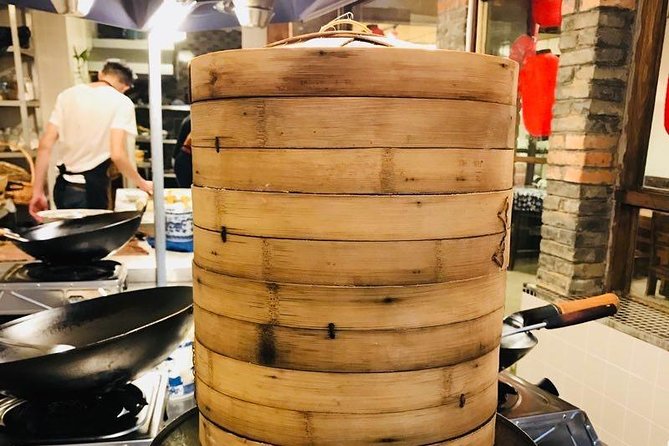
Your tour starts at Chilli Cool China. This is where you meet up and get oriented, so you’re not left wondering how the whole thing flows. Even before you’re shopping, you can feel the focus: this is built around the idea that learning happens through doing.
A small but important detail is the Sichuan local tea. It’s served as a local custom to treat friends and visitors, and it also helps you slow down for a moment before you’re hit with the sensory overload of a spice market. Tea breaks the pace just enough that you can pay attention to what your guide is pointing out next.
Then you’re ready for the market portion. If you’ve been to markets before, you’ll still find value here because the guide doesn’t just show you what’s for sale. The experience includes fun challenges designed to help you learn different Sichuan spices and ingredients that will be used later in cooking. That gives you a reason to look closely.
The market visit: Sichuan spices, real ingredients, and a game-like way to learn
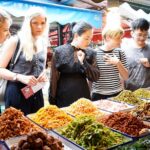
The market is the heart of this experience. You’re taken to an authentic local spice market, and instead of wandering aimlessly, you complete little tasks that force you to pay attention. That’s the difference between a market as a photo stop and a market as a learning stop.
Here’s what this teaches you in plain terms:
- You start associating spices with specific roles in flavor.
- You learn how ingredients look, smell, and get packaged.
- You get a feel for what’s available locally, which helps you understand Sichuan cooking beyond one dish.
One standout element from the experience is how your guide supports you while you learn. In past sessions with guides like Lance and Jerry, the emphasis is on explanations that make ingredient names feel usable. It’s not only about translating. It’s about helping you connect unfamiliar items to what they’ll do in the bao zi filling.
If you’re the type who enjoys hands-on learning, you’ll probably love this part. It also helps you avoid the common tourist trap: buying random powders without knowing which one should go into what. You’ll leave with more confidence when you see Sichuan spices later, whether at shops or in other dishes around Chengdu.
A practical caution for the market portion
Markets are active, and spices can be strong. If you’re sensitive to heavy aromas, keep tissues handy and don’t assume you’ll want to smell everything your guide shows. You’ll still learn plenty without pushing your nose into every jar.
Also, remember this tour runs in all weather. Dress for it like you mean it.
From Chilli Cool’s Kitchen to dough work: how the class unfolds
After the market, the cooking portion takes over in a traditional Sichuan-style courtyard setup. That setting matters more than you might think. Courtyard kitchens tend to feel less rushed, and they give the workshop a homey, grounded vibe instead of an industrial cooking school atmosphere.
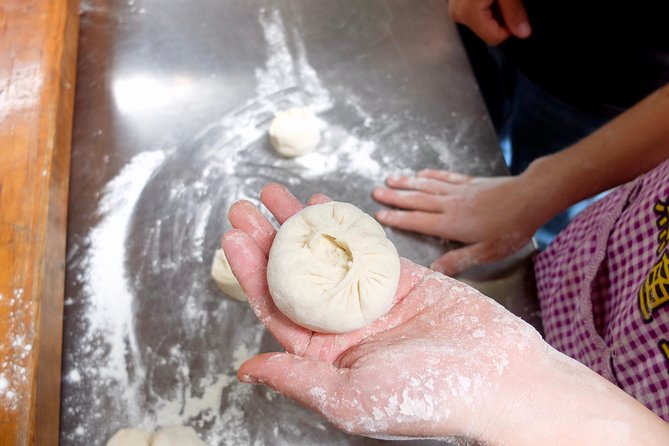
A professional chef guides you through the steps, and the workshop is focused on one target: Bao Zi, the famous steamed bun with filling. The structure is straightforward: you learn the process, you work along, and you end with buns you made yourself.
In a good bao zi class, the key isn’t only the recipe. It’s learning technique—how to handle dough, how to portion filling, and how to shape so the bun steams well instead of collapsing.
You’ll also notice the class design is built for a group. With a maximum of 15 people, you get enough interaction time for questions. That’s helpful if you’re a beginner, because bao zi can be intimidating until someone guides your hands.
What you’ll be doing (and why it’s useful)
You’ll:
- follow chef-led steps for mixing/handling dough and preparing the filling components
- shape the buns as you learn the bao zi style
- steam the buns as the final step
Why this matters: steaming is gentle, so small mistakes in shaping don’t always ruin everything. But filling balance and closure do matter for texture and bite. By making a complete batch, you’ll understand what works and what doesn’t in a way that watching video never quite delivers.
Your bao zi feast: tea, steamed buns, and drinks to round it out
At the end, you eat what you created: steamed bao zi buns with filling. The tour frames it as a feast, and that’s exactly how it feels—especially when you compare it to the typical class where you make one demo bun and then leave.
You’ll get drinks along with the meal. The format mentions beers or beverages, which turns the finish into a social moment rather than a quick taste test. It’s also a nice payoff after the market work, because you can literally connect ingredient recognition to flavor.
A small detail that can help you enjoy this more: save your appetite for the end. The workshop is only half-day, and it’s designed so the meal portion is the reward. If you arrive too full, you’ll miss part of the value.
Vegetarian option: what to plan for
If you want a vegetarian version, you need to advise at booking. That’s important because Sichuan flavors often rely on specific ingredients, so you shouldn’t expect a vegetarian meal to be an afterthought.
The good news is the tour does offer a vegetarian option, and it’s explicitly available. If vegetarian cooking is a priority for you, book early enough to communicate your preferences clearly.
Price and value: is $80 fair for Chengdu?
$80 per person for a 4-hour market-and-cooking experience might sound steep at first glance, especially if you’re used to cheaper street food. But value here comes from the full package, not one item.
You’re paying for:
- an English-speaking guide who helps you learn the spice market in a structured way
- market ingredients used in the workshop
- a professional chef-led cooking session
- beverages/beer plus light refreshments
- a meal outcome (you eat the bao zi you make)
When you break it down, it’s not just a cooking class. It’s a guided ingredient-learning session plus instruction plus food plus drinks. Also, the small group size (up to 15) helps protect the experience from feeling like a production line.
One more practical value point: you’re learning Sichuan spice usage in context. That kind of learning tends to stick, and it can improve how you order food after the class—because you recognize what you’re tasting.
Who should book this Bao Zi workshop
This is a great fit if you:
- want a hands-on cooking experience rather than just watching
- enjoy markets and want more than sightseeing
- are in Chengdu for a short stay and want one efficient foodie activity
- want a guided introduction to Sichuan flavors and spices
It’s also a solid choice for couples or small groups who like structured learning. With max 15 people, you should still get real guidance and not feel invisible.
Who might skip
If you dislike market walking, strong spice smells, or weather-dependent outdoor time, consider your comfort level. Also, if you’re expecting a slow, multi-hour sit-down restaurant-style experience, this one is built for learning and making within about 4 hours.
Practical tips so your 4 hours go smoothly
- Wear comfortable walking shoes. The market part involves movement, and you’ll be glad you did.
- Dress for all weather. The tour runs in all conditions, so bring a light rain layer if needed.
- Come hungry, but not stuffed. The end meal is the payoff.
- Ask questions during the market. This is when you can most easily connect ingredient names to use.
- If vegetarian, confirm during booking. Don’t assume it will be handled automatically.
- Bring patience for dumpling perfection. Bao zi shaping can be a little awkward at first. That’s normal, and it’s part of the fun.
Should you book this Chengdu half-day Bao Zi class?
If you want an efficient, authentic Chengdu foodie experience, I’d say yes—especially if you like learning through your hands and your senses. The market visit is not just a scenic stop. It’s tied directly to what you cook. The end result is real food you shaped yourself, plus Sichuan tea and drinks.
Book it if you’re excited by Sichuan spices and you want a guided way to learn what they are and what they do. Consider skipping or choosing another option if you strongly dislike market environments or you’re not comfortable with outdoor time in changing weather.
FAQ
FAQ
How long is the steamed Bao Zi cooking class and market visit?
It runs about 4 hours (approximately 4–5 hours).
Where does the tour start and end?
It starts at 167 Yi Huan Lu Bei San Duan, Jin Niu Qu, Chengdu, Sichuan, China, 610051, and it ends back at the meeting point.
Is there an English-speaking guide?
Yes. An English-speaking guide is included.
Is a vegetarian option available?
Yes, a vegetarian option is available. You need to advise at booking if you require it.
Is the class run in bad weather?
Yes, it operates in all weather conditions, so dress appropriately.
Is a passport name and number required?
Yes. Passport name, number, expiry, and country are required at the time of booking for all participants.