REVIEW · CHENGDU
Chengdu: Cooking Class with Fresh Market Half Day Experience
Book on GetYourGuide →Operated by Travel Sichuan Guide · Bookable on GetYourGuide
Chengdu cooks start with the spices. This half-day class pairs a guided stroll through a local Sichuan spice market with a hands-on courtyard kitchen session led by a professional chef. Two things I really like: you get a proper English-speaking guide from market to wok, and the experience is structured so you cook multiple dishes while everything is handled for you. One drawback to consider: it moves at a workshop pace, so if you want slow, relaxed cooking steps, you may feel rushed.
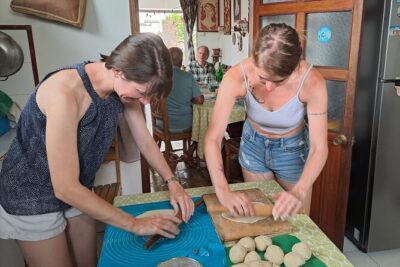
You’re not just watching someone else cook. You walk, taste, learn what ingredients actually do, then you’re placed at stations to make your own Sichuan dishes. The group stays small (up to 15), which keeps the experience personal, but that also means you’ll share work space and follow the chef’s timing.
In This Review
- Key Points You’ll Care About
- Market Walk for Sichuan Spice Mastery
- A small caution
- Tea on Arrival: The Courtyard Kitchen Tone-Setter
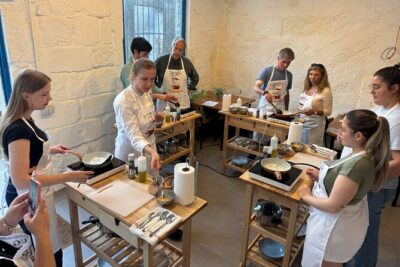
- The Workshop Kitchen Rhythm and Wok Stations
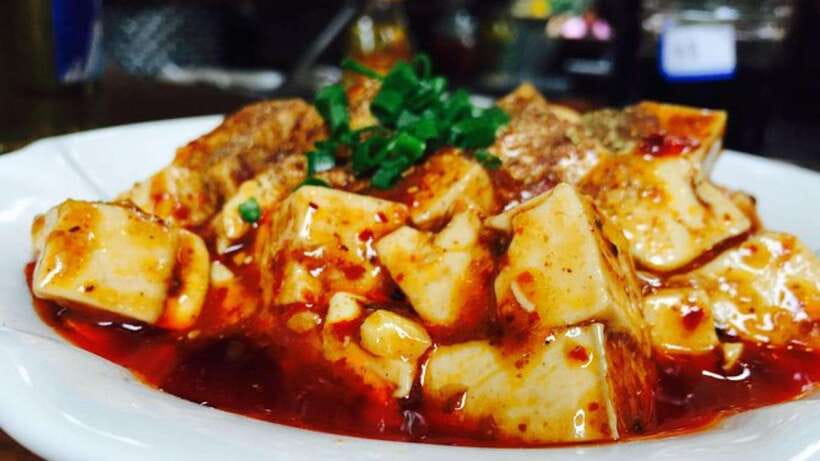
- What You’ll Eat: Tasting, Beers, and Your Own Sichuan Spread
- Recipes in Your Bag: Learning You Can Use at Home
- The People Factor: Guides, Chefs, and Small-Group Attention
- Price, Timing, and Group Size: Is $82 Good Value?
- Practical Tips for Meeting Point and a Smooth Start
- Who Should Book This Chengdu Cooking Class
- Should You Book? My Advice for the Decision
- FAQ
- How long is the Chengdu Cooking Class with Fresh Market experience?
- Where is the meeting point?
- What time does the class start?
- Is there an English-speaking guide?
- Is there a vegetarian option?
- What’s the minimum age?
- What’s included in the price?
- Is it suitable for different weather?
- What details are required at booking?
Key Points You’ll Care About
- Market-first learning so the spices make sense before you hit the woks
- Tea ceremony pause that sets a friendly, local tone in the courtyard kitchen
- Chef-led hands-on cooking with staff support at multiple wok stations
- All ingredients and meals included, plus beverages/beer and light refreshments
- Recipes included so you can repeat what you make at home
- Vegetarian option available if you request it when booking
Market Walk for Sichuan Spice Mastery
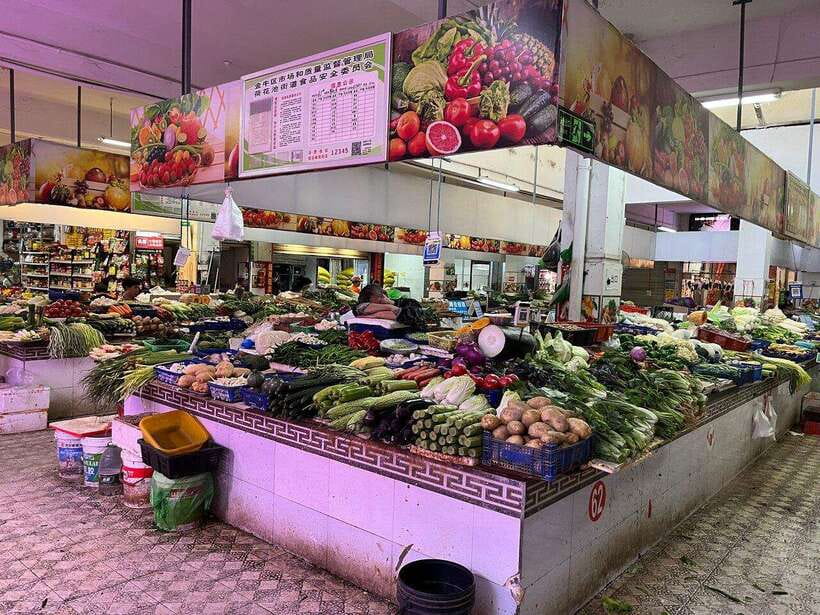
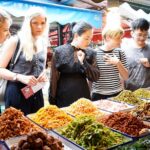
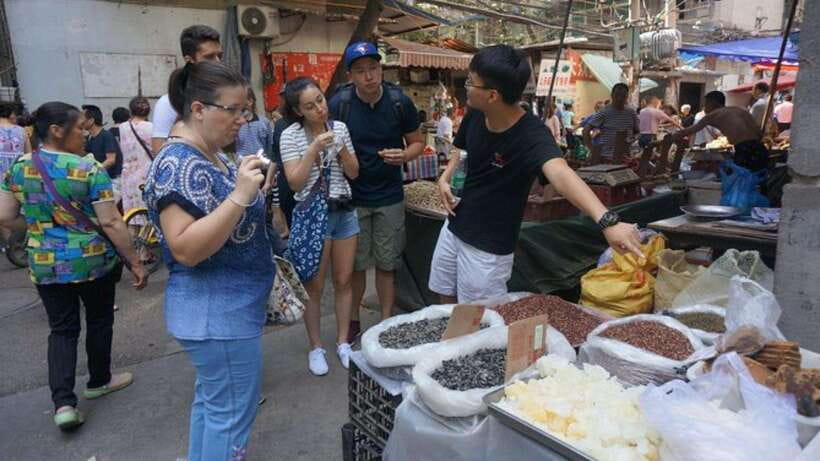
The most useful part of this experience is that it starts in the market, not at the cutting board. You’ll explore a local spice market with your guide and complete small on-the-spot challenges that push you to notice what you’re seeing and smelling. That matters because Sichuan cooking is all about aroma and balance, not just heat.
Your guide—often Lance or Jerry depending on the day—talks you through Sichuan spices and ingredients you’ll later use. Expect lots of practical comparisons: which flavors are meant to wake up a dish, which ones add depth, and how different ingredients behave in hot oil and stir-fry. Even if you’ve eaten Sichuan food before, you’ll likely leave with clearer instincts for why one bowl tastes lively while another tastes flat.
This is also where you get the feel of everyday Chengdu food shopping. It’s outside, with real produce and goods, which makes the learning stick. If you’re the kind of traveler who likes to understand a cuisine beyond a single restaurant meal, this market section is your shortcut.
You can also read our reviews of more tours and experiences in Chengdu.
A small caution
Wear comfortable shoes. The market part involves walking and you’ll be on your feet during the full session, so plan for that.
Tea on Arrival: The Courtyard Kitchen Tone-Setter
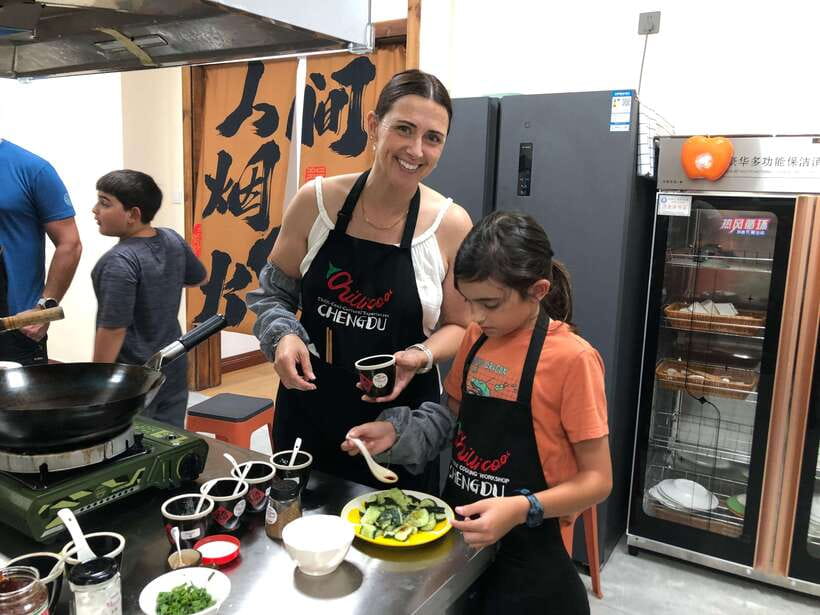
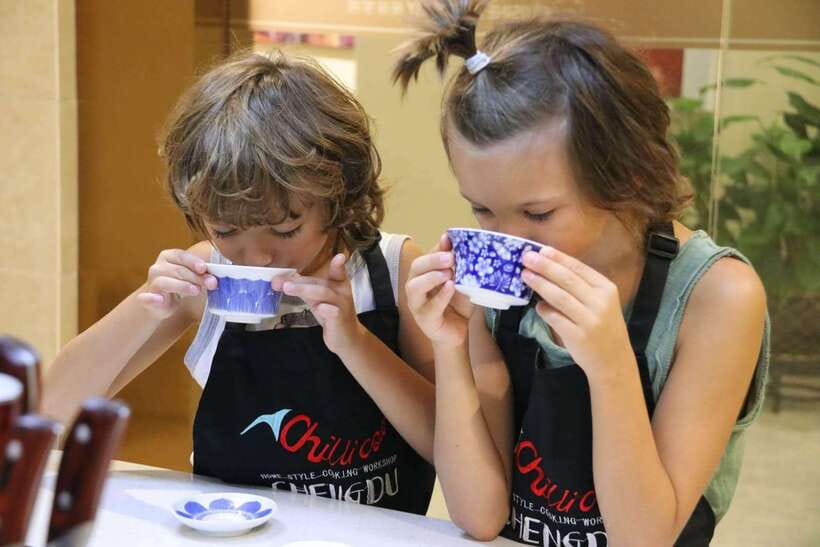
After the market, you don’t rush straight into cooking. You’ll have a Sichuan tea welcome—described as the way locals treat friends and visitors—so the kitchen feels like a place you’re being hosted, not just processed.
This tea moment is more than a ritual for photos. It’s a reset between the sensory chaos of spices and the concentration needed for chopping, measuring, and stir-frying. It also helps that the cooking happens in a cozy restaurant/workshop setting, not a sterile demo room.
If you’re picky about pacing, the tea break is a little buffer. It gives you time to ask questions and catch your breath before the chef starts the real workflow.
The Workshop Kitchen Rhythm and Wok Stations
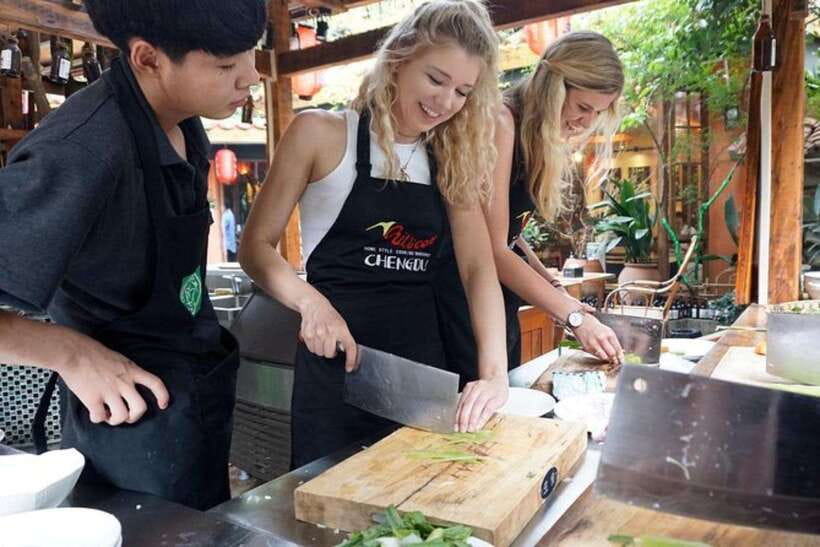
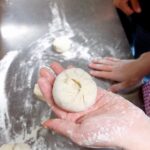
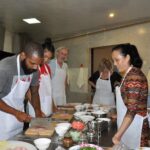
The cooking portion is the main event: a chef teaches you new skills in a workshop kitchen, and you’ll prepare multiple dishes. You can expect a menu centered on classic Sichuan techniques, and in many sessions you’ll work on about five dishes during your class time.
What surprised me most about how these classes work is the speed. Once you move to the woks, it’s more like a coordinated kitchen job than a slow cooking lesson. That can be great—because you learn how wok cooking actually moves—but it’s not the best fit if you want step-by-step detail for every tiny action.
The upside is that the setup is built to help you succeed. The kitchen staff hover in a supportive way, not taking over, but keeping you on track so you don’t get burned trying to keep up. And because this is a small group experience (maximum 15), you’re not stuck waiting your turn for long.
You’ll also benefit from the way the chef structures instructions for beginners. Even if you don’t cook much at home, you’ll get enough guidance to finish dishes that are meant to be eaten immediately, not just “practice food.”
What You’ll Eat: Tasting, Beers, and Your Own Sichuan Spread
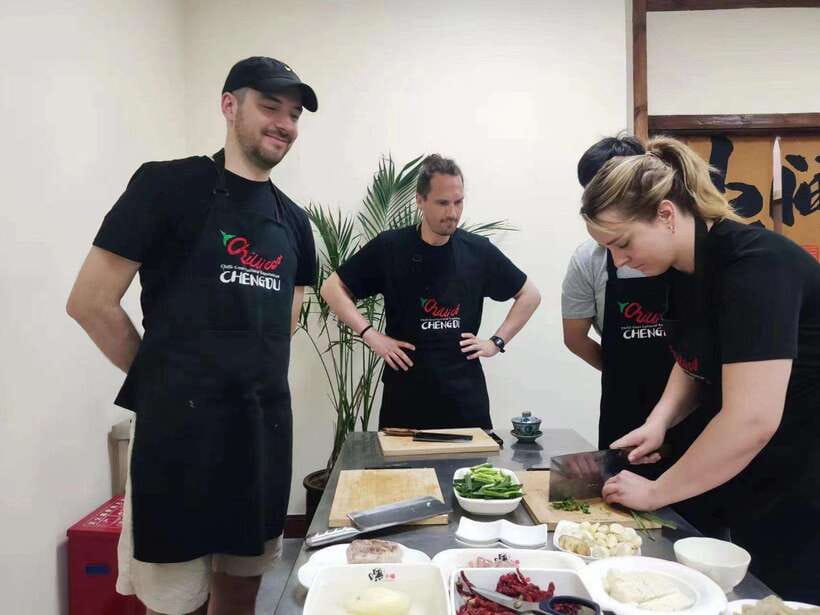
This class isn’t a snack-and-leave experience. You’re treated with food tasting along the way, and the meal you cook becomes your lunch or dinner based on the class schedule.
You’ll also enjoy what you make together at the end of the session. Many versions of this class include beverages or beer, which makes the final table feel like a shared celebration rather than a classroom. If you come to Chengdu trying to make local food part of your trip story, this is a satisfying arc: learn → cook → eat.
Here’s the value angle: the price includes ingredients and your meals. That means you’re not paying extra at every step for missing pieces, which is a common frustration with some cooking tours. You’re paying for a full experience that actually feeds you.
Vegetarian? You can request a vegetarian option when booking. The key is to tell them clearly at reservation time so the menu can be adjusted for you.
Recipes in Your Bag: Learning You Can Use at Home
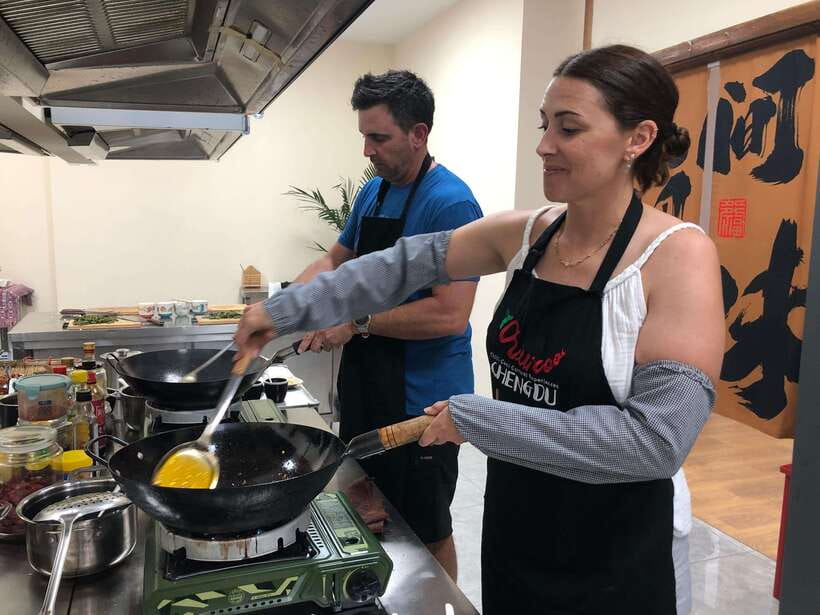
Many cooking classes teach you a handful of techniques, then hand you nothing useful. This one includes recipes, which is exactly what you want if your goal is to cook again after your trip.
The recipes matter because Sichuan flavor depends on ingredient behavior. Spices, oils, and aromatics don’t always translate from “I saw it in Chengdu” to “I can recreate it at home” unless you have a guide. With recipes included, you’ll have a real framework for repeating the dishes you cooked.
You’ll also likely remember what the market guide explained—because you’ll have tasted and cooked those ingredients yourself. That combination is why this class feels more like learning than entertainment.
The People Factor: Guides, Chefs, and Small-Group Attention
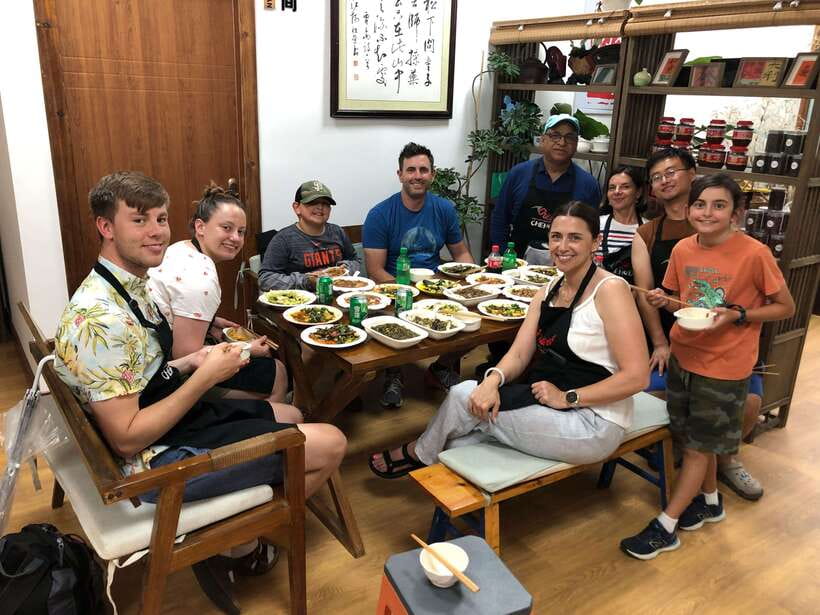
This experience stays small, capped at 15 travelers, which changes everything. It’s easier to ask questions. It’s easier for staff to check on you. And you’re less likely to feel like you’re standing on the edge while the faster cooks take over the work.
The guides vary by session, but the pattern is consistent: an English-speaking guide leads you through the market and helps you translate what matters in the cooking stage. In past sessions, guides such as Lance, Jerry, and others (including English-capable support staff) have been highlighted for their friendliness and clarity.
Even if the chef is not speaking English, you’re not left alone. Instructions are supported by the kitchen team. That’s a big deal for international travelers because it keeps the class from becoming confusing halfway through.
Price, Timing, and Group Size: Is $82 Good Value?
At $82 per person for about 4.5 hours, you’re paying for a complete package: market tour, ingredient planning, chef instruction, tastings, and a meal. For a cooking class in a major food city, that’s in the realm of “this is not cheap, but it’s not random either.”
Here’s why the value can feel worth it:
- Ingredients and meals are included, so you’re not doing surprise add-ons
- You get both a spice market education and hands-on wok cooking
- You’re not competing with a huge crowd; maximum group size keeps attention focused
- Recipes are provided, which extends the value beyond the day itself
When might it feel expensive? If you already know Sichuan spice shopping well or you only want a casual cooking demo, the market + structured cooking can feel like more than you need. But if you’re a foodie who wants the full chain—from ingredient understanding to a cooked plate—this price starts making sense fast.
Practical Tips for Meeting Point and a Smooth Start
Your guide meets you at Metro Line 6, Liang Jia Xiang Station Exit D (梁家巷地铁站6号线D出口). Morning classes start at 8:50am, and afternoon classes start at 1:50pm (with an additional 4:50pm option listed).
A few practical notes:
- Bring passport details when booking (name, number, expiry, and country are required for all participants).
- Pack comfortable walking shoes because you’ll be moving during the market part and through the full session.
- The experience runs in all weather conditions, so dress for rain or heat as needed.
Also, this is a good one to schedule when you have energy. You’re on your feet, you’re learning, and then you’re cooking. If your next stop is a long-distance trek, consider building in recovery time afterward.
Who Should Book This Chengdu Cooking Class
This class is especially good for:
- Foodies who want more than restaurant sightseeing
- Travelers who want to understand Sichuan flavor logic through spices, not just mouthfeel
- People who are traveling solo, as the small group setup makes it feel social rather than awkward
- Couples and families, including those with children (minimum age is 5 years)
If you’re a beginner cook, you’ll still be able to finish dishes because the class is guided and staff support is part of the structure. If you cook often, you may enjoy the wok pacing and how the chef directs workflow.
Vegetarian travelers should plan ahead by requesting the vegetarian option at booking. That way you’re not hoping for changes last minute.
Should You Book? My Advice for the Decision
Book this if you want a Chengdu experience that connects spices, technique, and a real meal in a tight half-day format. The market-first approach is the standout: you learn why ingredients matter before you start cooking, so the class sticks in your brain rather than fading after lunch.
Skip it if you prefer a slow, quiet cooking lesson with lots of idle time. This is more active, more fast-paced once the woks are on, and it’s designed for people who enjoy doing as much as watching.
If you’re on the fence because of price, use this checklist: you want market education, you want chef-led cooking, and you want meals and recipes included. If you say yes to most of those, the $82 feels like a fair trade.
FAQ
How long is the Chengdu Cooking Class with Fresh Market experience?
It runs about 4.5 hours.
Where is the meeting point?
Your guide meets you at Metro Line 6, Liang Jia Xiang Station Exit D (梁家巷地铁站6号线D出口).
What time does the class start?
Morning classes start at 8:50am. Afternoon classes start at 1:50pm and 4:50pm.
Is there an English-speaking guide?
Yes. The tour includes an English-speaking guide (with live tour guide in Chinese and English).
Is there a vegetarian option?
Yes. A vegetarian option is available, but you should advise them at booking if you need it.
What’s the minimum age?
The minimum age is 5 years.
What’s included in the price?
You get the market tour, food ingredients, lunch or dinner based on the class schedule, beverages/beer, light refreshments, food tasting, and recipes.
Is it suitable for different weather?
It operates in all weather conditions, so dress appropriately.
What details are required at booking?
For all participants, you’ll need the passport name, number, expiry, and country.