REVIEW · OSAKA
Osaka: Gluten-Free Ramen and Gyoza Cooking Class
Book on GetYourGuide →Operated by yuki Japanese cooking class · Bookable on GetYourGuide
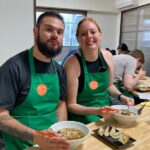
A quiet kitchen in Osaka turns gluten-free cooking into fun. You’ll make gluten-free ramen noodles and gyoza wrappers from scratch in chef Yuki’s home, then eat everything you cooked. It’s the kind of class that feels less like a show and more like being invited into a real Japanese cooking routine.
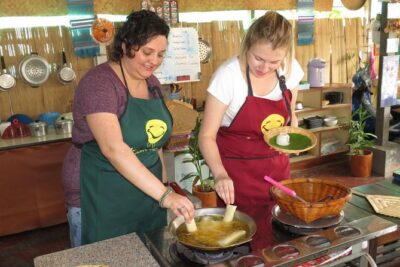
I especially love the hands-on pace, with step-by-step guidance that keeps you moving (even if you’re a total beginner). I also love that it’s a small group setup, so Yuki can correct your noodle texture and your gyoza fold while you’re doing it. One consideration: you’re cooking in a residential home, so plan on a bit of mess and wear comfortable clothes, and you handle getting to the address yourself.
In This Review
- Key things you’ll do in this Osaka ramen and gyoza class
- Stepping into Chef Yuki’s home kitchen near Nukata Station
- Gluten-free ramen noodles: rice flour, chew, and control
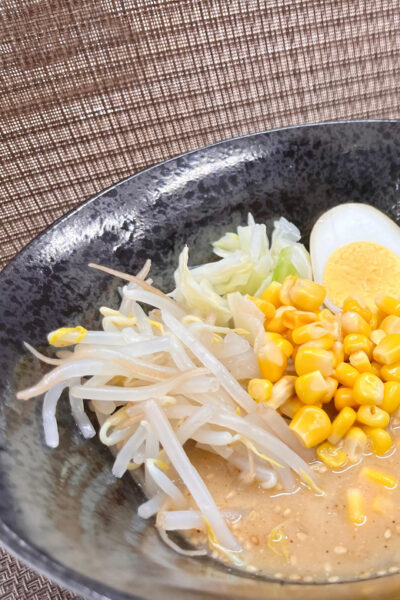
- Soy sauce ramen and tomato ramen: two broths, two flavors
- Gyoza from scratch: rice flour wrappers and the crisp-fold finish
- The meal at the end: eating what you cooked, plus optional sake
- Price and value: why $103 can make sense here
- Practicalities that affect your experience (and your photos)
- Who should book this Osaka class (and who might skip)
- Should you book this Osaka gluten-free ramen and gyoza class?
- FAQ
- How long is the Osaka gluten-free ramen and gyoza cooking class?
- What group size is this cooking class?
- What dishes will I learn to make?
- Is sake pairing included?
- What’s included in the price?
- Where do I meet the instructor?
- What should I wear or bring?
- Is free cancellation available, and is pay later offered?
Key things you’ll do in this Osaka ramen and gyoza class
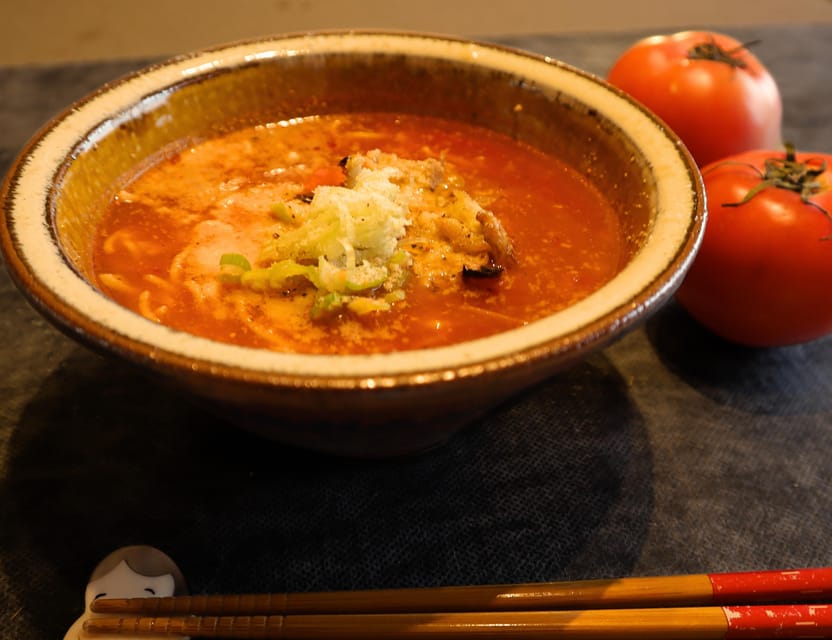
- Handmade gluten-free ramen noodles using rice flour, shaped into chewy, ramen-ready strands
- Two ramen styles: classic soy sauce ramen plus a tomato ramen variation with a tangy twist
- Gluten-free gyoza wrappers made from rice flour, not store-bought
- Dumpling-finish training: folding gyoza and pan-frying for a crisp outside and tender inside
- Optional sake pairing with three 45ml pours (two chilled, one warm) to match your dishes
Stepping into Chef Yuki’s home kitchen near Nukata Station
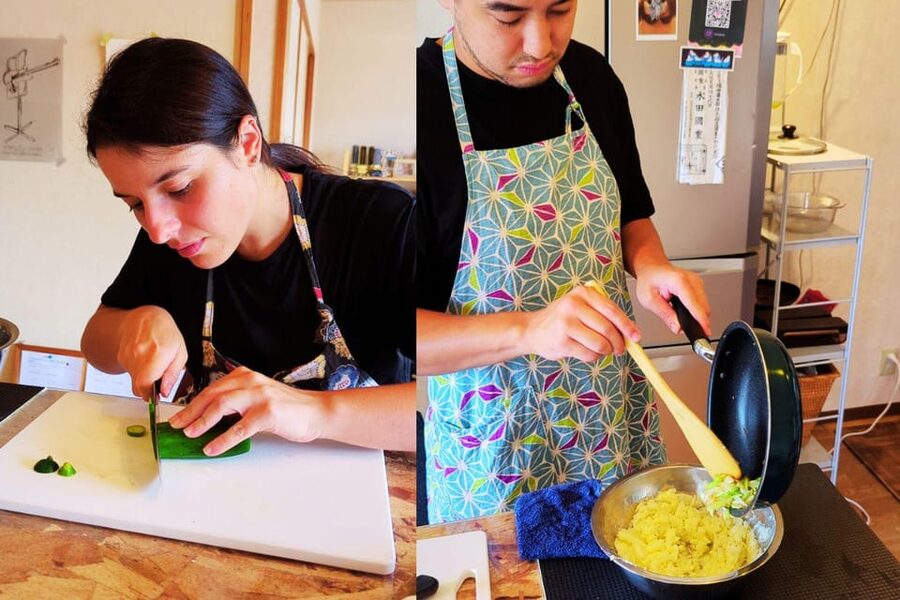
This class happens in chef Yuki’s Osaka home, in a quiet residential area. The meeting point is 4-19 Nukata-cho, and it’s a short 5-minute walk from Nukata Station, so you don’t get stuck with long transfers. The venue is marked with a welcoming sign, and the vibe is calm and intimate rather than crowded or loud.
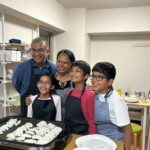
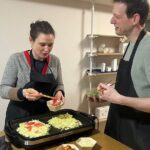
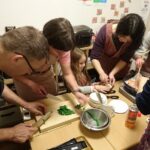
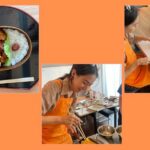
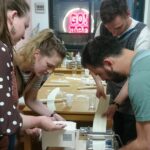
The big reason this matters is attention. With a small group limited to 4 participants, you’re not just watching someone else cook. You’re working side by side, and Yuki can actually see what you’re doing when your dough or folding technique needs a tweak.
You’ll start with a warm welcome, then a quick setup: tools and ingredients on the table, what you’re making, and how the gluten-free approach differs from traditional wheat-based recipes. Yuki teaches in English, with support for both practical instruction and Japanese cooking technique context as you go.
You can also read our reviews of more tours and experiences in Osaka.

Gluten-free ramen noodles: rice flour, chew, and control
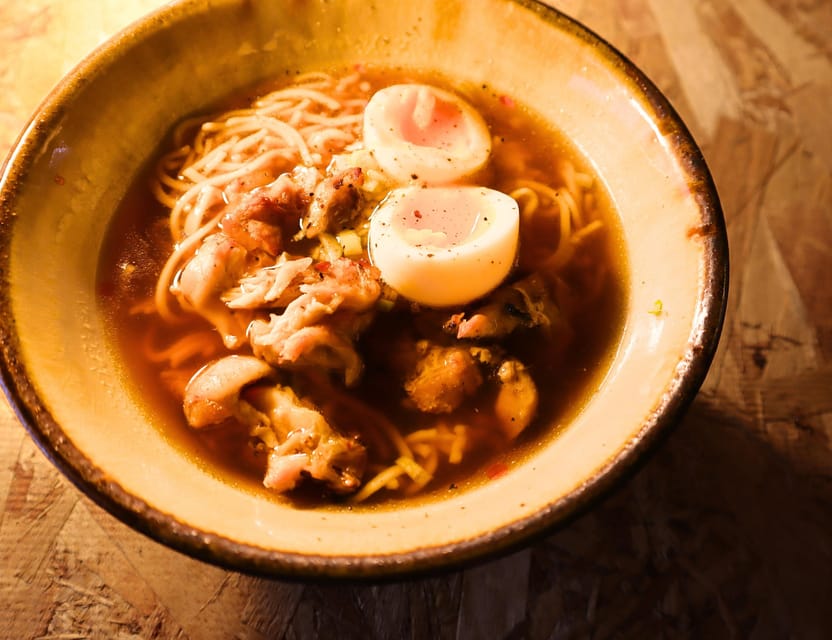
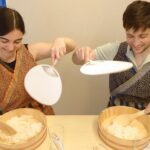
The ramen part starts with the most important skill: making noodles you can actually use in soup. You’ll craft noodles with rice flour, and the class focuses on how to get that ramen-like chew even without gluten.
That sounds simple, but it’s really about feel and timing. Rice-flour dough can behave differently than wheat dough, so you’ll be taught the right step-by-step method to shape and handle it so it doesn’t turn too fragile or too heavy. In a class like this, the value is that you’re not guessing at home later—you’re learning what the texture should look like as you work.
You’ll also learn the workflow logic of Japanese noodle prep: get the noodles right first, then build the broth and toppings around them. It’s a great mindset shift if you’ve previously treated ramen as something you assemble at the last minute.
Soy sauce ramen and tomato ramen: two broths, two flavors
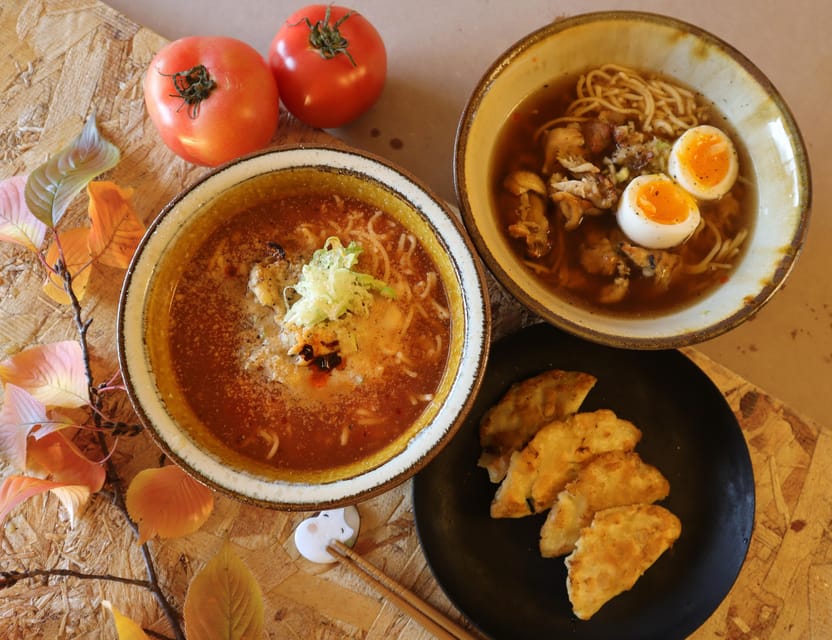
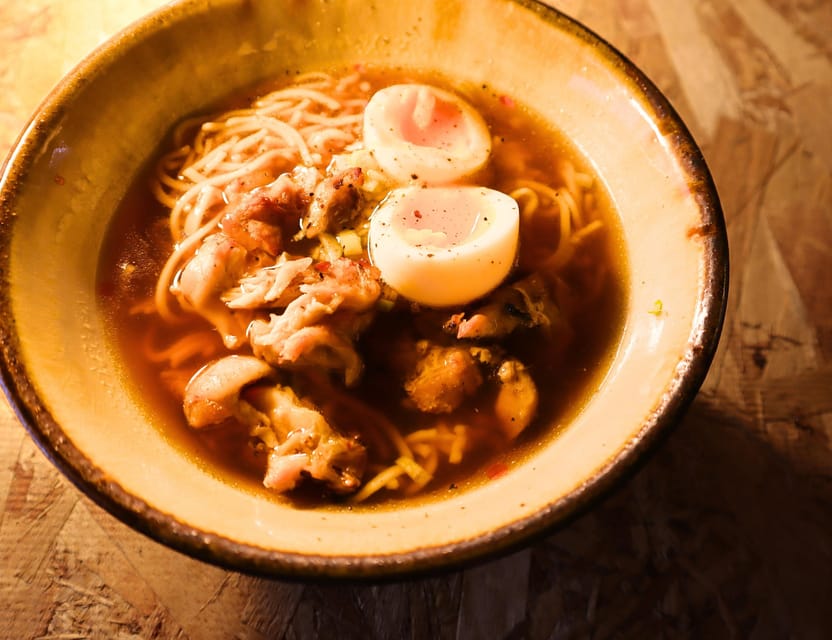
After the noodles, you move into broth and seasoning. You’ll make soy sauce ramen, a classic style that leans savory and comforting. This is where the class becomes more than a cooking demo, because you’re learning how the flavors come together—not just dumping ingredients into a pot.
Then comes the modern twist: tomato ramen. The tomato version is refreshing and tangy, and it’s described as a variation that’s still rare in Japan. Even if you normally stick to classic flavors, the lesson here is useful: Japanese cooking can stay disciplined and still allow for creative changes, as long as the balance is thoughtful.
You’ll pair your handmade noodles with these broths, so you get direct feedback from your own work. If the noodle texture and the broth flavor both click, you understand why ramen tastes the way it does. If something feels off, you at least learn where the issue likely happened in the process.
Gyoza from scratch: rice flour wrappers and the crisp-fold finish
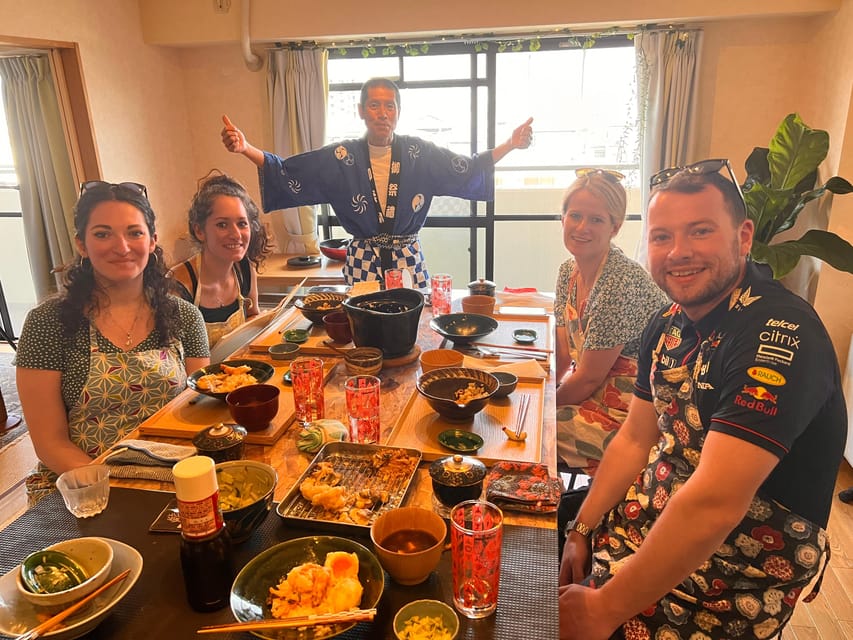
Then the class shifts from soup noodles to dumpling technique. You’ll make gluten-free gyoza wrappers from rice flour, again starting from ingredients instead of shortcutting with pre-made skins. That’s one of the most practical parts of the experience because gyoza dough is one of those things people assume you can only do the traditional way.
Next, you’ll craft the filling and learn how to fold the gyoza into shaped dumplings. The class emphasizes getting the folding right, because the fold affects sealing and how the dumpling cooks.
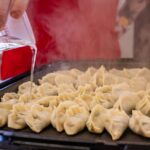
Finally, you pan-fry the gyoza to golden perfection. This is where you learn the finish: how to get that crispy outside while keeping the inside tender. The skill you’re picking up isn’t just the method—it’s the visual cues that tell you when to stop, when to adjust heat, and how to aim for the right crisp.
One thing I really like about the way this class is structured: you end up making a full meal with different textures—chewy ramen noodles and crispy gyoza—rather than one single dish.
The meal at the end: eating what you cooked, plus optional sake
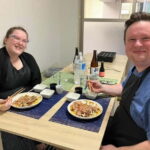
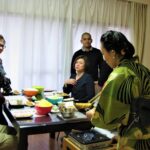
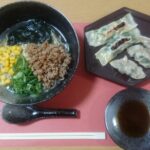
Once cooking is done, you gather in a cozy dining area and enjoy the fruits of your labor. Yuki guides you through flavors and how to taste with intention, so the meal lands as the final lesson rather than just the reward.
If you choose it, there’s an optional sake pairing. It’s three servings of 45ml each: two chilled sakes (Junmai and Junmai Ginjo) and one warm Junmai. The idea is simple and smart—match the drink to what you made so you notice how taste changes with temperature and style.
This part matters because it models real Japanese dining culture: you don’t just eat. You pay attention to how the meal components interact, then you try the same dish in another way.
Price and value: why $103 can make sense here
At $103 per person for a 3-hour class, this isn’t a bargain snack-and-learn type of activity. But for what you actually do, the price can feel fair.
Here’s what you’re getting for your money:
- You make multiple components from scratch: gluten-free ramen noodles, ramen broths, gyoza wrappers, and gyoza dumplings
- You get a personal instructor who works with up to 4 people, so you’re not lost in the crowd
- You take home recipes and cooking tips, which is what helps you recreate the dishes later
- You eat a full meal made by you, not just sample bites
In other words, you’re paying for technique plus time plus ingredient work. If you care about gluten-free cooking and want more than a general food tour, this kind of class gives you skills you can reuse.
Practicalities that affect your experience (and your photos)
This experience runs for 3 hours. You’re expected to come hungry for knowledge and food, because the schedule is built around active cooking followed by the meal. No prior cooking experience is required, but you do need to be willing to get your hands a little messy.
What to bring is straightforward: comfortable clothes. The class is cooking-based, so choose something you can wear without stress. The venue is easy to find if you start from Nukata Station, but it’s still a residential address, so I recommend giving yourself a little time to arrive and settle in.
Group size is limited to 4 participants. That small count changes everything: you get more direct help, you move through steps with clarity, and you’re more likely to finish with gyoza that actually look like gyoza instead of dumpling experiments.
Also note: the class is not suitable for people over 95 years. If that applies, choose an option with different physical demands.
Who should book this Osaka class (and who might skip)
This is a strong fit if you want:
- Real gluten-free ramen and gyoza skills, not just a restaurant meal
- Hands-on cooking with a patient, step-by-step teacher
- A small, home-style setting where you can ask questions while you work
- A full meal experience tied directly to the work you did
The class also seems ideal if you enjoy learning by doing and want recipes you can recreate later. Many people leave saying they can make the dishes again at home, which is usually the difference between a class that’s fun and one that’s useful.
You might skip it if you’re hoping for a big group, high-energy spectacle, or if you strongly prefer not to cook at all. It’s a working kitchen experience, not a tasting tour where everything is prepared for you.
Should you book this Osaka gluten-free ramen and gyoza class?
If you want gluten-free cooking that feels practical, this is an easy yes. The structure is smart: noodles first, then broths, then wrappers, then dumplings, then you eat. With a small group of 4 and a teacher focused on guiding you step by step, you’re not left guessing.
I’d book it if ramen and gyoza are on your Osaka list, and especially if you need gluten-free options done with intention. The $103 price can feel justified because you’re not just sampling—you’re learning how to make the core components yourself.
If you can wear comfortable clothes, come ready to cook, and handle the short walk from Nukata Station, you’ll likely have a memorable meal and a skill set you can use long after you leave Osaka.
FAQ
How long is the Osaka gluten-free ramen and gyoza cooking class?
The class lasts 3 hours.
What group size is this cooking class?
It’s a small group limited to 4 participants.
What dishes will I learn to make?
You’ll make gluten-free ramen noodles, soy sauce ramen, tomato ramen, gluten-free gyoza wrappers, and gyoza dumplings.
Is sake pairing included?
Sake pairing is optional. If you add it, you’ll have three 45ml servings: two chilled (Junmai and Junmai Ginjo) and one warm (Junmai).
What’s included in the price?
The class includes the hands-on cooking experience, a personal instructor, recipes and tips, and a full meal of your creations.
Where do I meet the instructor?
The meeting point is 4-19 Nukata-cho, Osaka, about a 5-minute walk from Nukata Station.
What should I wear or bring?
Wear comfortable clothes suitable for cooking. You should also come hungry.
Is free cancellation available, and is pay later offered?
Yes. You can cancel up to 24 hours in advance for a full refund, and there’s a reserve now & pay later option.