REVIEW · HOI AN
Hoi An/Da Nang: Vegetarian Cooking Class & Basket Boat Ride
Book on Viator →Operated by Hoi An Food Tour - Private Day Tours · Bookable on Viator
A coconut-boat ride pairs perfectly with a cooking class. This is a hands-on way to get Vietnamese food culture in just 3 hours 30 minutes, with a basket boat through the water paths, a chance at crab fishing, and then a vegetarian meal you actually make.
I especially like that you get an organic-farm angle and cooking instruction, so it doesn’t feel like a random food stop. I also like the clear vegetarian menu focus for the class.
One thing to weigh: you share the table and class space with meat eaters. You’ll learn and cook vegetarian foods, but the setting is mixed, so you’ll want to be comfortable with that.
In This Review
- Key Highlights Worth Getting Excited About
- Da Nang to Cam Thanh: Easy Pickup, Real Time on the Water
- Bay Mau Coconut Forest Basket Boat Ride: Quiet Channels, Skill-Hands-On Energy
- Crab Fishing Try-It Moment: You Learn by Doing (Not Just Watching)
- Cam Thanh Village and the Organic-Farm Angle: Where Your Ingredients Start
- The Vegetarian Cooking Class: 4 Dishes You Can Replicate at Home
- Pho chay: Comfort Soup, Straightforward Technique
- Fried spring roll: Crunch + Timing Skills
- Vietnamese pancake: The Pan-Heat Lesson
- Green papaya salad: Acid, Crunch, Balance
- What You Eat (and Why the Meal Feels Like a Reward)
- Price and Value: What $29 Really Includes
- Timing and Group Size: A Small Team Helps
- Should You Book This Vegetarian Cooking Class + Basket Boat Tour?
- FAQ
- FAQ
- How long is the tour?
- Is hotel pickup and drop-off included?
- How much time do you spend on the basket boat?
- Do you visit a market?
- What vegetarian dishes are you cooking?
- What if the weather is poor?
Key Highlights Worth Getting Excited About
- Basket boat time built in (about 45 minutes), not a quick photo stop.
- Crab fishing with local gear: you’re not just watching—you’re trying.
- A vegetarian class menu that includes pho chay and a fried spring roll.
- No market tour, which keeps the schedule tighter and less hectic.
- Small group limit (up to 15), so you’re more likely to get help while cooking.
Da Nang to Cam Thanh: Easy Pickup, Real Time on the Water
This tour is designed for people who don’t want to figure out transport. You get picked up in Da Nang city and then again in Hoi An center, and you’re transferred to the cooking house in Cam Thanh Village. You basically get driven from door to door, which matters because Cam Thanh is far enough that doing this on your own can turn into a half-day logistics problem.
There are two departure windows. Morning starts with Da Nang pickup at 8:45 am, then Hoi An pickup at 9:15 am. The afternoon version starts at 2:45 pm in Da Nang and 3:15 pm in Hoi An, giving you a way to plan around heat and traffic.
If you’re thinking about the vibe: morning runs tend to feel calmer. I like that this is the kind of activity where a smaller crowd makes the boat ride and cooking class less rushed.
You can also read our reviews of more tours and experiences in Hoi An.
Bay Mau Coconut Forest Basket Boat Ride: Quiet Channels, Skill-Hands-On Energy
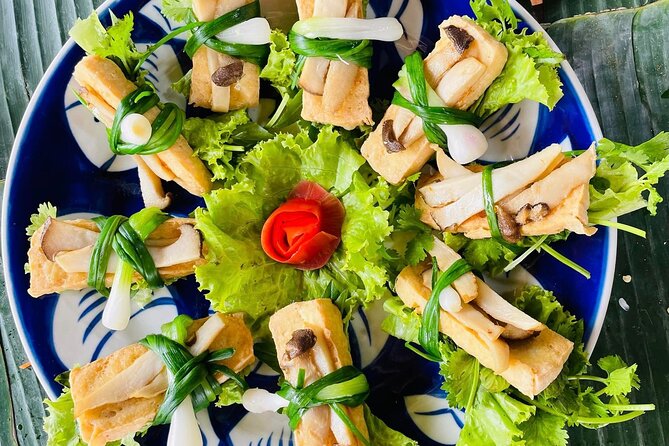
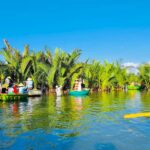
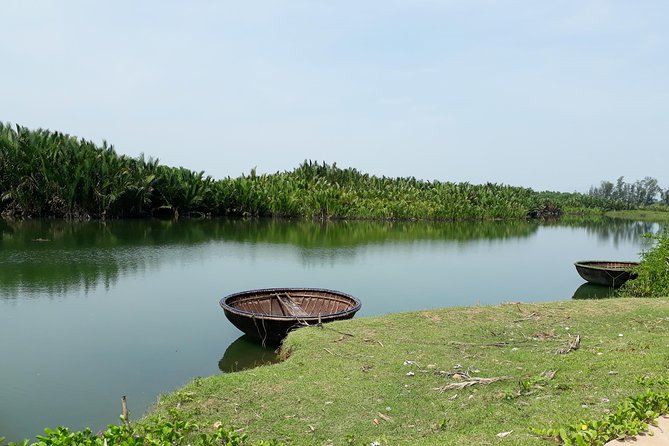
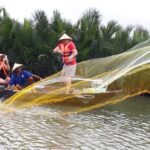
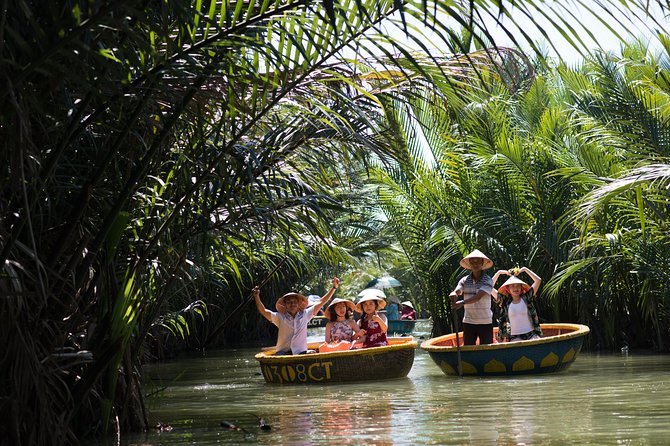
Your first real experience is at Bay Mau Coconut Forest, where you row through narrow channels. This is a classic Cam Thanh-style basket boat ride: low-tech, slow enough to notice details, and active enough to feel like you’re part of the scene rather than behind glass.
The tour includes about 45 minutes of basket boat riding, which is long enough to enjoy the water setting instead of treating it like a ticketed “wave at the guide, take a picture, move on” moment. You’ll row through those small waterways that connect into the coconut-forest landscape, and that alone helps you understand why basket boats became a local way of moving and working on the water.
What to expect during the ride
- You’ll be rowing through the channels while the surroundings slide by at a human pace.
- The environment is part of the experience: the coconut forest setting, the water texture, the way the channels open up.
What to consider
- You’ll be on the water, so plan for comfort over fashion. If you’re prone to getting splashed, bring something simple to manage it.
Crab Fishing Try-It Moment: You Learn by Doing (Not Just Watching)
After the boat ride, you switch from viewing to trying. You’ll get the chance to catch crab using rods and special nets. The description is straightforward: you take a chance to understand more about local people’s life, not just catch one for bragging rights.
This segment is the part that makes the tour feel like more than a cooking class. It turns the day into a “water skills” story before it becomes a “kitchen skills” story. And when you’re actually participating, you’re more likely to remember what you were taught—especially since you’ll talk about local life while you do it.
Why it’s valuable
Crab fishing on small channels isn’t just a stunt. It’s tied to how people live near the water. Even if you only manage a small success, you walk away with a better sense of the work behind the scenery.
Possible drawback to keep in mind
It’s hands-on. If you’re not comfortable with basic fishing-style activity—using rods/nets, steady handling—this part might feel more tiring than the cooking. You’ll want to bring energy for the morning/afternoon transition.
Cam Thanh Village and the Organic-Farm Angle: Where Your Ingredients Start
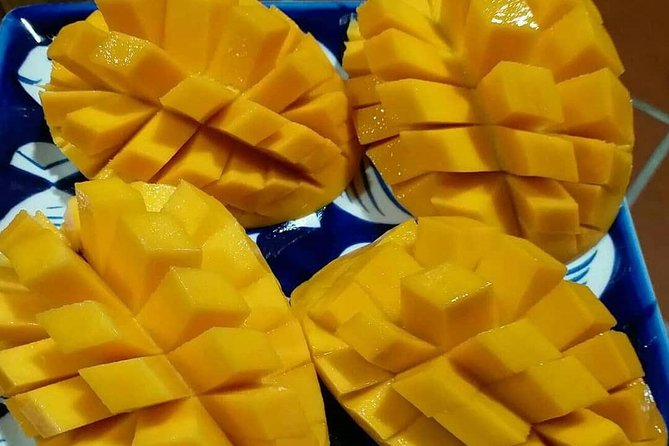
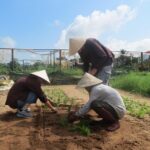
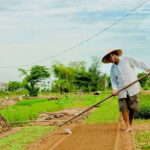
Next comes the food culture side, and it’s not only about the final dish. The tour includes a visit to an organic farm, which helps you connect Vietnamese cooking to what’s actually grown and used locally.
Why I think this matters: it changes how you taste. When you know where key ingredients come from—vegetables, herbs, and garden produce—you notice flavor differences more clearly. And for a vegetarian class, that’s extra important, since you’re relying on plant-based ingredients to carry the dish.
This is the “farm-to-table” portion of the day. You get a guided look at how food production fits into everyday life, then you move from seeing ingredients to cooking them.
What to expect
- You’ll learn about Vietnamese food culture from production to technique.
- The day is organized so you go from farm visit → hands-on cooking → enjoying what you make.
The Vegetarian Cooking Class: 4 Dishes You Can Replicate at Home
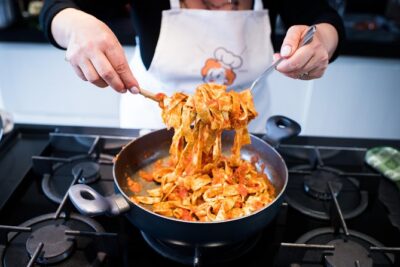
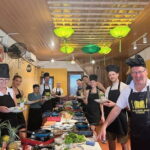
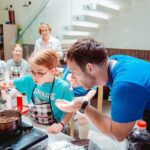
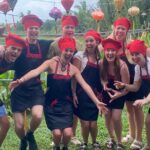
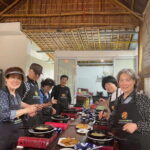
This is the main event, and it’s built around a vegetarian menu you’ll cook yourself. You’ll cook 4 dishes, and you’ll get to enjoy what you make for lunch.
The vegetarian menu includes:
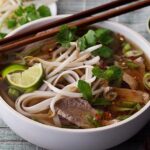
- Pho noodle soup (pho chay)
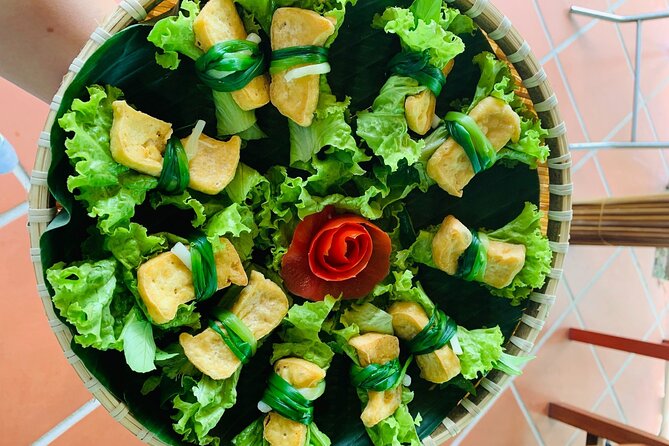
- Fried spring roll
- Vietnamese pancake
- Green papaya salad
There’s also mention of popular local tasting—like bánh xèo, often made with prawns in non-vegetarian versions. Since you’re on a vegetarian-focused menu, you should treat any mixed dishes you see as part of the local food context, not as your personal plate.
Pho chay: Comfort Soup, Straightforward Technique
Pho chay is a great choice because it shows how Vietnamese flavor works even without meat. You get the noodle soup experience without relying on a traditional meat-based broth.
Fried spring roll: Crunch + Timing Skills
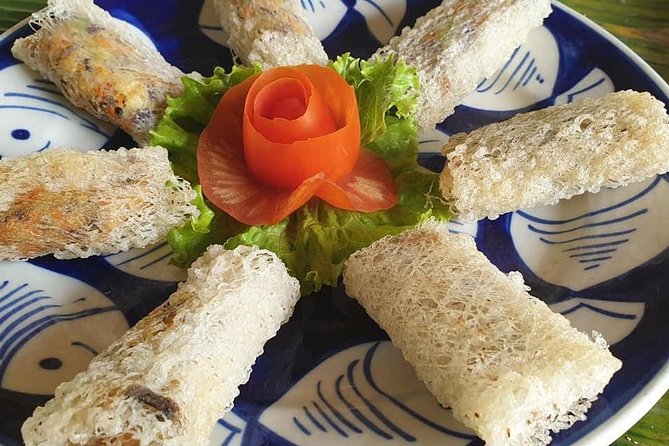
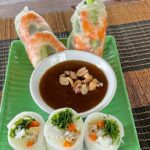
For many people, spring rolls are one of the first Vietnamese dishes they associate with street food. The class format helps you understand the wrapping and frying rhythm—how long to handle each step so it ends up crisp instead of soggy.
Vietnamese pancake: The Pan-Heat Lesson
The class includes a Vietnamese pancake. This is the dish category that helps you “learn the skillet.” Even if your home setup is different, the technique mindset transfers.
Green papaya salad: Acid, Crunch, Balance
Green papaya salad is all about balance—sweet, sour, salty, and herbal. When you make it yourself, you stop treating it like a pre-made side. You’ll know what it needs to taste right.
Important note on diet and the shared table
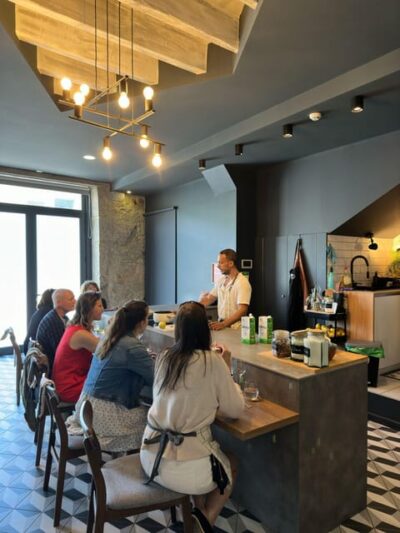
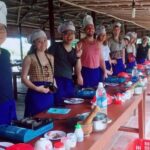
You’ll share the cooking class and table with meat eaters. You’re still learning and cooking vegetarian foods, but you should know the environment is mixed. If you’re very sensitive to cross-contact concerns or you prefer fully separate vegetarian seating, this is worth thinking through.
What You Eat (and Why the Meal Feels Like a Reward)
After the cooking, you eat what you cooked. The tour structure gives you a built-in rhythm: water activities → farm food culture → cooking → lunch reward.
The overall schedule keeps the day compact. From the cooking start (around 10:30 am / 4:30 pm) you move into eating by about 12:30–12:45 pm / 6:30–6:45 pm, depending on which session you choose.
This is a practical way to enjoy Vietnamese food culture without turning the day into an all-day project. You also don’t have a market tour in the plan, which means fewer stops, less walking, and less time spent deciding what to buy.
Price and Value: What $29 Really Includes
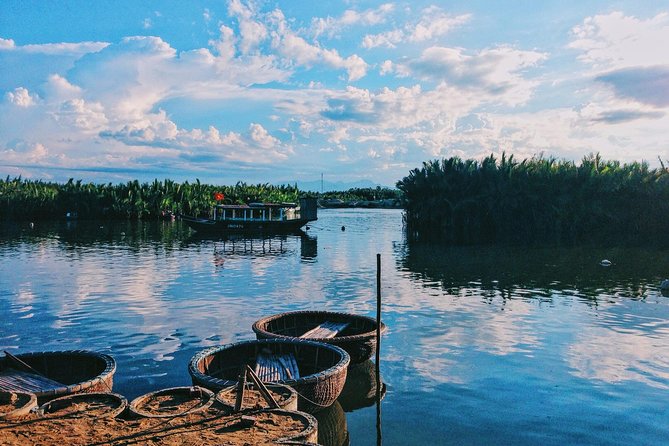
At $29 per person, you’re paying for a real combo of experiences rather than just “one activity.” Here’s what’s included:
- Pickup and drop-off
- Basket boat riding (about 45 minutes)
- Crab fishing activity try-it time
- Cooking class for 4 dishes
- Water
Tips are not included, and there’s an extra Lunar New Year charge listed for Jan 26–Feb 3 (150,000 VND per person). But outside that window, the base price feels like it covers the heavy lifting: transport, guided instruction, and the two main experiences (boat/fishing + cooking).
Why the value works for many people
If you price these separately, transportation and guided teaching add up fast. Here, the day is stitched together so you don’t spend your time coordinating separate providers.
The main “cost” to consider
You’re trading free time for a structured 3.5-hour block. If you want hours of wandering Hoi An afterward, this is still doable, but you’ll want to choose the morning or afternoon slot intentionally.
Timing and Group Size: A Small Team Helps
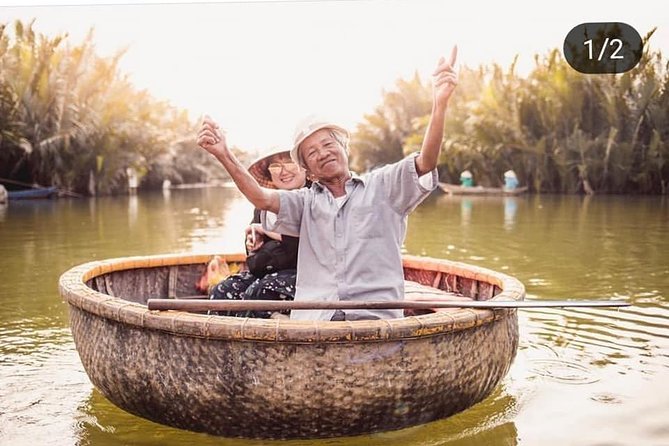
The tour caps at a maximum of 15 travelers. In a hands-on cooking setting, that matters. Fewer people makes it easier for the instructor to notice what you’re doing, correct issues, and keep everyone moving.
The day also moves in clear phases, and the start/return times are mapped out with pickups in both Da Nang and Hoi An. If you like knowing exactly when you’ll be back, this setup is reassuring.
My practical take
When your day includes water activity plus cooking, the schedule has to be tight for you to enjoy both. This one is laid out so you don’t lose half the day waiting.
Should You Book This Vegetarian Cooking Class + Basket Boat Tour?
If you want a focused, guided Vietnamese food experience with activity value baked in, I think this is a strong pick. It’s especially good if you:
- Prefer vegetarian cooking and want a class menu that’s explicitly vegetarian
- Like hands-on experiences more than watching from the sidelines
- Want pickup/drop-off so you don’t waste time coordinating transport
- Want a morning or afternoon option that fits a short stay
Skip or be cautious if:
- You’re not comfortable sharing a mixed meat/vegetarian eating space (even though you’ll cook vegetarian)
- You don’t want any chance of water splashes or physical try-it activity from crab fishing
- Weather is a big concern for your trip, because the tour requires good conditions (if it’s canceled due to poor weather, you’ll be offered another date or a full refund)
FAQ
FAQ
How long is the tour?
The experience is about 3 hours 30 minutes.
Is hotel pickup and drop-off included?
Yes. You’re picked up in Da Nang and Hoi An (depending on the session), then returned to those hotels after the tour.
How much time do you spend on the basket boat?
Basket boat riding is included and lasts about 45 minutes.
Do you visit a market?
No. There is no market tour included.
What vegetarian dishes are you cooking?
The vegetarian menu for the cooking class includes pho chay (pho noodle soup), fried spring roll, a Vietnamese pancake, and green papaya salad.
What if the weather is poor?
The tour requires good weather. If it’s canceled due to poor weather, you’ll be offered a different date or a full refund.