REVIEW · UJI
Experience Authentic Japanese Home Cooking in Kyoto
Book on GetYourGuide →Operated by Live Foods Academy · Bookable on GetYourGuide
Kyoto smells like stock and care. This hands-on Kyoto home cooking class focuses on dashi built from real katsuobushi and kombu, plus practical prep that feels like what Japanese families make at home. I love that it’s not a demo show; you learn the steps you can repeat later.
I also love the attention to flavor basics: additive-free seasonings and a teaching pace that walks you through ingredient prep and delicate Japanese knife technique. One consideration before you go: this setup doesn’t accept men-only participants at this specific home location, so you’ll need to check what’s possible for your group.
In This Review
- Key Takeaways Before You Book
- A 100-Year-Old Townhouse Kitchen Near Sanjo
- Dashi From Bonito Flakes and Kelp: The Real Flavor Engine
- From Knife Skills to Dashi-Maki Tamago (Rolled Omelet)
- Simmered Vegetables and Chicken Teriyaki: Everyday Comfort
- Ingredients, Seasonings, and the Health-Forward Approach
- Timing and What You Actually Get for $122
- Who This Kyoto Home Cooking Class Fits Best
- Should You Book This Kyoto Home Cooking Experience?
- FAQ
- How long is the cooking class?
- Where do I meet, and how do I get there?
- Is the class taught in English?
- What dishes are included in the menu?
- Is this a group class or private?
- Are there any restrictions on who can join?
Key Takeaways Before You Book
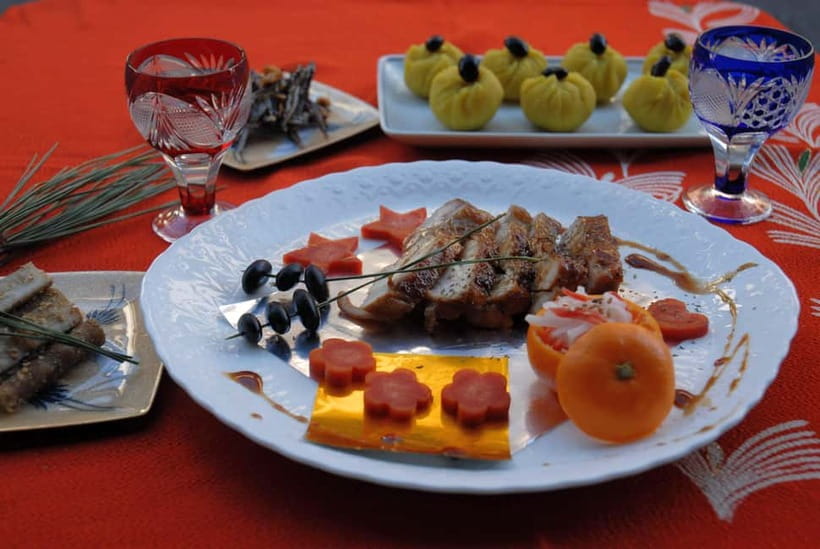
- Make dashi from scratch using katsuobushi (bonito flakes) and kombu (kelp), not instant shortcuts
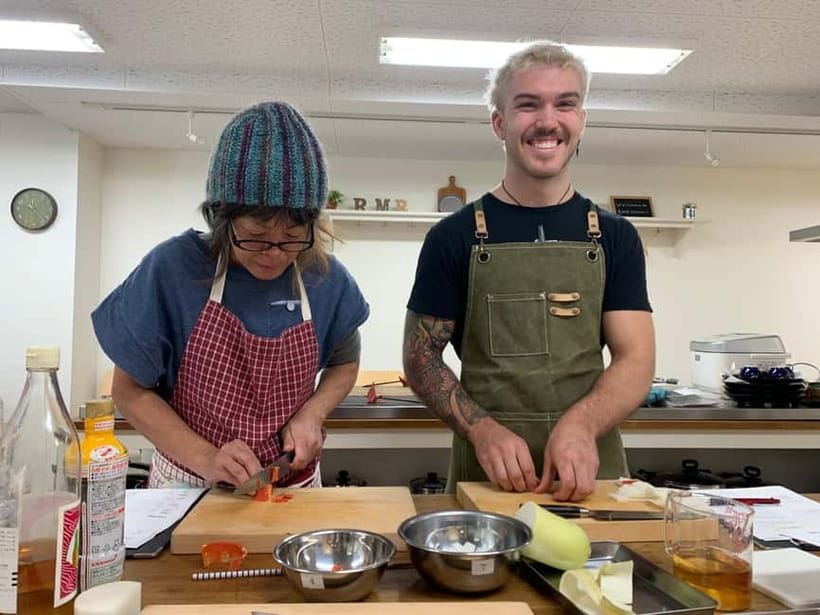
- Learn knife handling tailored to Japanese cooking, including careful cuts for seasonal ingredients
- Cook a classic rolled omelet (dashi-maki tamago) with freshly made broth
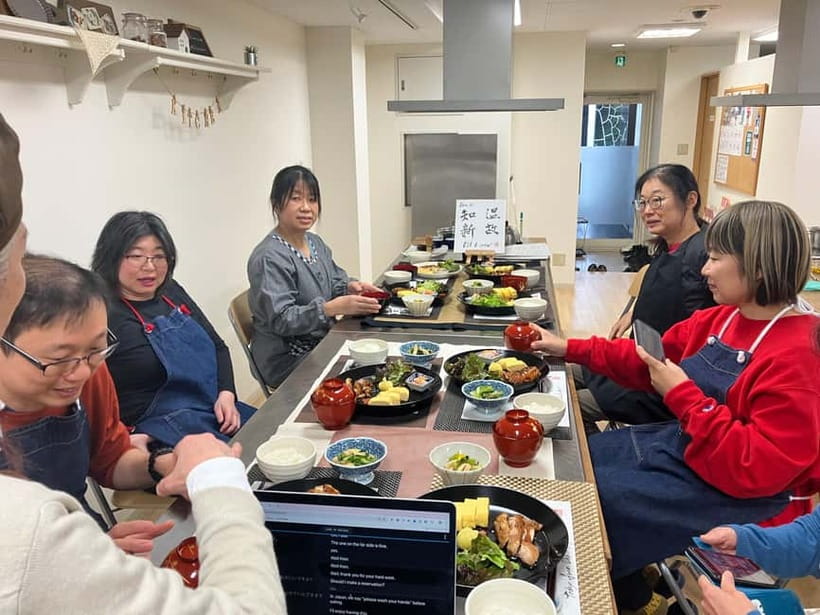
- Eat what you make, with miso soup and plated dishes arranged nicely for the table
- Stay in a traditional townhouse over 100 years old, where the kitchen work feels grounded and real
A 100-Year-Old Townhouse Kitchen Near Sanjo
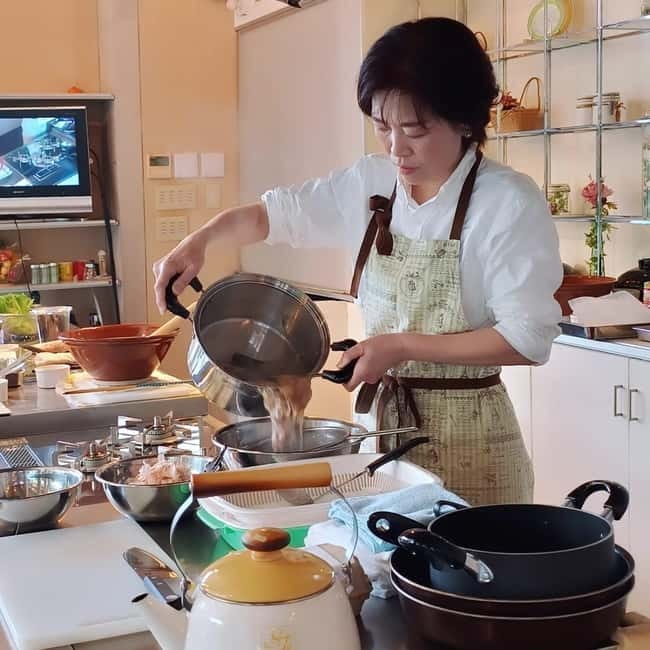
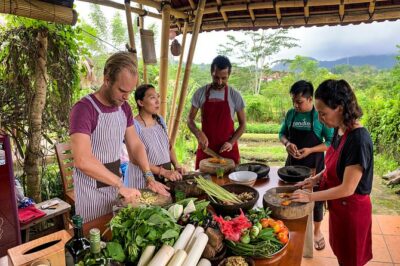
This Kyoto cooking class is held at a private home in an older traditional townhouse, so the vibe is calm and local rather than studio-like. You’re not just learning recipes; you’re learning how the kitchen supports the food: practical counter space, real cookware, and a rhythm that feels like someone’s weekday meals.
Logistics are also pretty sightseeing-friendly. The meeting point is Subway Shijo Station, and you’ll walk about 10 minutes from there. Since the class is at the host’s home, they come pick you up after your reservation is confirmed, which cuts down the “where exactly is this place” stress that can hit small classes in Kyoto.
The location is a solid base for the surrounding sights too. You can reach places like Gion, Yasaka Shrine, Heian Shrine, and Kyoto Imperial Palace with a 15–20 minute walk depending on your pace. That matters because you’re not forced into a day that’s only about cooking. You can keep your Kyoto loop flexible, then return for class when you’re ready.
Dashi From Bonito Flakes and Kelp: The Real Flavor Engine
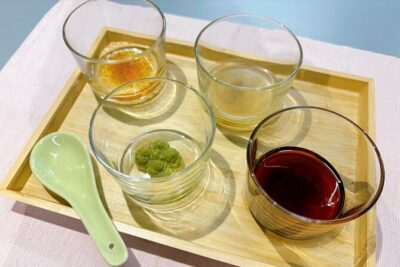
If there’s one reason this Kyoto home cooking experience deserves your time, it’s the opening step: making dashi the traditional way. You start by learning how to create soup stock using katsuobushi and kombu, with attention to how the ingredients behave as they simmer. This isn’t about memorizing a fancy process; it’s about understanding what turns into flavor.
You’ll notice the smell as the broth warms. That aroma is part of why dashi shows up everywhere in Japanese kitchens. More importantly, it gives you a foundation you can use beyond this menu. Once you know how to make dashi, you’ll be able to recognize why Japanese food tastes balanced instead of heavy.
The class philosophy is built around home-cooking ideals inspired by Katsuo Doi, focusing on food that’s both delicious and health-minded. In practice, that translates into lessons that feel everyday, not restaurant-only. You’re learning “why” as you learn “how,” so the flavors make sense, not just repeat.
Value note: This is the kind of skill that makes other dishes easier. Chicken teriyaki, simmered vegetables, and miso soup all lean on the logic of dashi—so you’re not just cooking one meal. You’re picking up a system.
From Knife Skills to Dashi-Maki Tamago (Rolled Omelet)
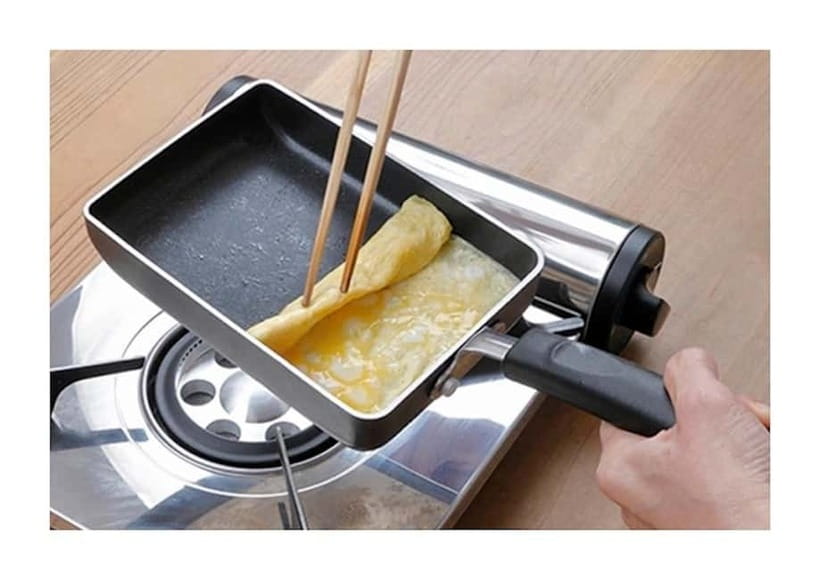
After your dashi is underway, you shift into cooking that uses it right away: dashi-maki tamago, the rolled omelet. This is the moment where the class feels most “Japanese home”—small, precise moves, and ingredients treated with respect.
You’ll work with freshly made broth, which is key. Even if the final dishes sound simple on paper, this style of cooking depends on control: temperature, timing, and the way you handle ingredients so the texture stays tender. You’ll also get guidance on cutting techniques and how to keep pieces even enough for cooking consistency.
One of the helpful parts here is the knife instruction. The class specifically focuses on using delicate Japanese knives, and that’s not trivia. Knife habits affect prep speed, safety, and the way food cooks. When your cuts are consistent, simmered vegetables cook more evenly and sauces cling better.
Then there’s the table experience. You don’t just plate and run. You learn how to arrange dishes beautifully and set the table in a way that matches the meal. That’s a small detail, but it’s part of Japanese hospitality and it makes the cooking feel complete.
Simmered Vegetables and Chicken Teriyaki: Everyday Comfort
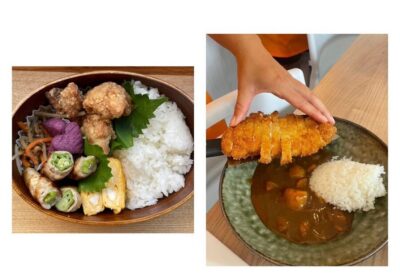
Once you’ve handled dashi and the omelet, you move into the rest of the set menu: simmered vegetables and chicken teriyaki, plus miso soup.
The simmered vegetables matter because they teach seasonality in a practical way. Japanese cuisine often follows the four seasons, and this class reflects that by using seasonal vegetables. You learn how different ingredients need different prep approaches, so you’re not forced into one method for everything. It’s a good reminder that “seasonal” isn’t a slogan—it’s a kitchen skill.
Chicken teriyaki brings in traditional flavor and balance. Teriyaki can get oversweet if someone relies on bottled shortcuts. Here, additive-free seasonings are part of the teaching approach, so the flavor stays cleaner and the sauce has a more grounded taste. You’ll also get to see how the teriyaki fits with the rest of the meal instead of feeling like a separate, heavy dish.
And don’t skip the miso soup. It’s not filler. Miso soup is one of the easiest ways to understand how Japanese meals build layers: dashi gives the base, miso brings depth, and the whole bowl feels tied to the earlier lessons.
Ingredients, Seasonings, and the Health-Forward Approach
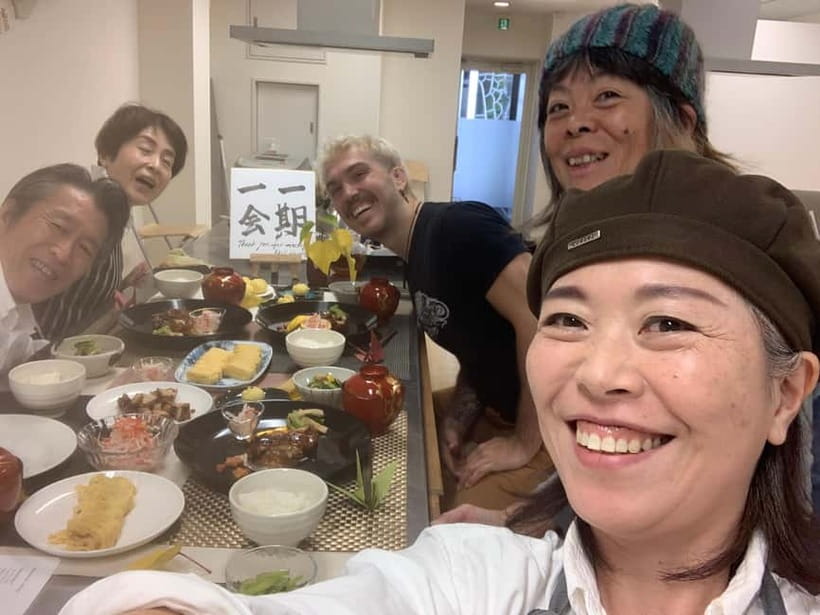
What I like about this class is how it treats ingredients as teachers. You’ll learn about Japanese ingredients and cooking techniques, including the reasoning behind them—especially how dashi and seasonings work together.
The focus on additive-free seasonings is a big deal if you care about cooking with fewer unknowns. It also helps the food taste closer to what you can aim for at home. You’re not just copying a recipe; you’re understanding the flavor profile and what makes it work.
The “health” part isn’t vague. It comes from the philosophy of building flavor with broth and seasonings rather than relying on thick sauces or heavy additions. Even if you don’t change your diet, you’ll likely walk away thinking about cooking with more restraint.
Timing and What You Actually Get for $122
For $122 per person, you’re paying for more than a meal. You’re buying time with a professional instructor, a real local kitchen setup, and a focused menu built around core Japanese home cooking skills. The class runs 2 hours 30 minutes, and the structure is tight: make the broth, turn it into dishes, cook the rest of the meal, then sit down to eat.
That duration is also why it fits well into a Kyoto day. You can do morning or early afternoon planning, then use the rest of the day for shrines, temples, or neighborhoods like Gion without blowing up your schedule.
Two practical notes:
- You’ll get aprons and cloths, the full menu, and materials, plus the meal you cook. That removes a lot of “what do I need to bring?” friction.
- You won’t get a dashi soup set, so if you were hoping to leave with equipment, you may need to buy it separately.
Who This Kyoto Home Cooking Class Fits Best
This is ideal if you want hands-on Japanese cooking without a steep learning curve. The teaching is step by step, so beginners can keep up, and you’re guided through each dish instead of tossed into a kitchen and told to figure it out.
It also works well if you love the idea of cooking as a cultural skill, not just a hobby. A traditional home with a kitchen routine over 100 years old changes how you think about food prep. The lesson feels anchored.
A couple of fit considerations:
- It’s English instruction, so you can follow along easily.
- It’s a private group, which is great if you want a calmer pace than shared classes.
- It’s not suitable for children under 6.
- Men-only participants can’t join at this specific location; there may be an alternative kitchen option if your group arrangement allows it.
Should You Book This Kyoto Home Cooking Experience?
Book it if you want the kind of Kyoto experience that goes beyond sightseeing and gives you a real kitchen skill: dashi from scratch, Japanese knife basics, and classic home dishes you can repeat. The best part is the logic chain—broth first, then dishes that depend on it. That’s how you build cooking competence, not just a one-time memory.
Skip it only if your group doesn’t meet the location’s participation rules, or if you prefer cooking experiences where the food is the main event and technique is light. This class puts technique front and center, especially around knives and dashi.
If your goal is to leave Kyoto able to make a few Japanese meals that taste like home cooking, this is a strong pick.
FAQ
How long is the cooking class?
The class takes 2 hours 30 minutes.
Where do I meet, and how do I get there?
You meet at Subway Shijo Station and walk about 10 minutes. Since the event is held at the host’s home, pickup may be arranged after your reservation is confirmed.
Is the class taught in English?
Yes. The instructor provides English instruction.
What dishes are included in the menu?
The menu includes dashi, dashi-maki egg (rolled omelet), chicken teriyaki, simmered vegetables, and miso soup.
Is this a group class or private?
It’s a private group experience.
Are there any restrictions on who can join?
Yes. Children under 6 can’t participate. Also, men-only applications can’t join at this location, though another kitchen setup may be possible if you message in advance.