REVIEW · ROME
Fettuccine Pasta Cooking Class in Rome City Center
Book on Viator →Operated by Eatalian Cooks · Bookable on Viator
Fresh pasta in Rome feels personal. This hands-on class teaches you the steps behind making fresh fettuccine in the shadow of Piazza Navona, then you sit down to eat your creation outdoors with drinks included. I especially love the small group setup, which means your chef can correct your dough and cutting as you go, and I love the Roman sauce choices that turn your work into a real dinner, not a demo. One drawback to plan around: it is not recommended for gluten intolerance (and it also isn’t vegan-friendly due to eggs).
You start at 4:00 pm and you’ll spend about 2 hours on the activity, built around a compact route that includes stops near the Pantheon, Trevi Fountain, and Vatican City (with the focus staying on your class and meal). You’ll get a mobile ticket and the instruction is offered in English, so you can focus on the hands-on part instead of the logistics.
In This Review
- Key things you’ll notice right away
- Piazza Navona gives this class a built-in Roman stage
- What happens during the 2-hour fettuccine lesson
- Kneading and cutting: the skills that actually make pasta taste better
- Your sauce choice turns the lesson into a real Roman dinner
- Bruschetta and drinks: the built-in pre-dinner rhythm
- The Rome route: Pantheon, Trevi Fountain, and Vatican City (without losing focus)
- Where you meet and how to plan your arrival
- Price and value in central Rome
- Who should book this fettuccine class
- What to expect from the chefs (and why people love the teaching style)
- Quick tips so you enjoy it smoothly
- Should you book this fettuccine class or skip it?
- FAQ
- FAQ
- What is the duration of the fettuccine pasta class?
- What time does it start?
- Where is the meeting point?
- Is the class offered in English?
- How large is the group?
- What’s included in the price?
- What sauce options are available for the fettuccine?
- Is it suitable for gluten intolerance?
- Is it vegan-friendly?
- Is there free cancellation?
Key things you’ll notice right away
- Small-group attention for more hands-on help while you roll and cut the dough
- Piazza Navona setting with an outdoor meal vibe right in Rome’s center
- Classic Roman sauces from Carbonara to Cacio e Pepe to pesto or pomodoro
- Included meal structure: bruschetta starter plus your freshly cooked fettuccine
- Drinks with dinner (local wine or beer) that make the whole session feel like a proper night out
Piazza Navona gives this class a built-in Roman stage
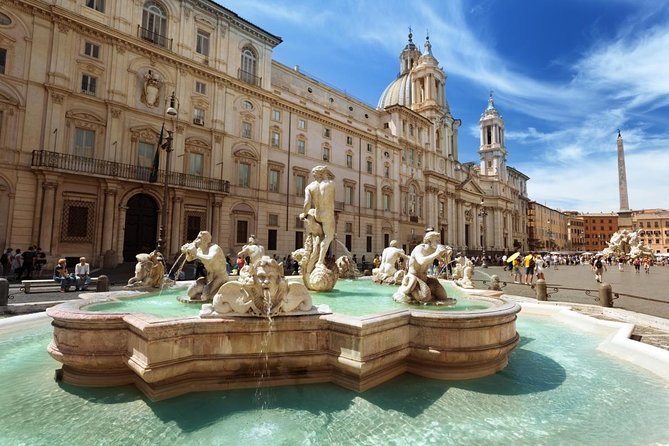
If you’ve ever watched Rome unfold from the edges of Piazza Navona, you get why this location works. The class doesn’t feel like a “cooking show” that’s hidden away from the city. It’s tied to one of the most recognizable squares in the historic center, so the food experience has a sense of place right from the start.
I like that the workshop starts with a warm welcome and an intro to how Italians think about pasta. You’re not just learning a recipe; you’re learning the logic behind dough and shape—what changes when the dough is drier, when it’s kneaded longer, or when your cuts need to be even enough for good sauce pickup.
The other reason Piazza Navona matters: your meal happens in a setting that’s already charming without trying too hard. You’re outdoors, you’re eating what you helped make, and you’re in the middle of that Rome-at-4-pm atmosphere where the city feels walkable and human-sized.
You can also read our reviews of more tours and experiences in Rome.
What happens during the 2-hour fettuccine lesson
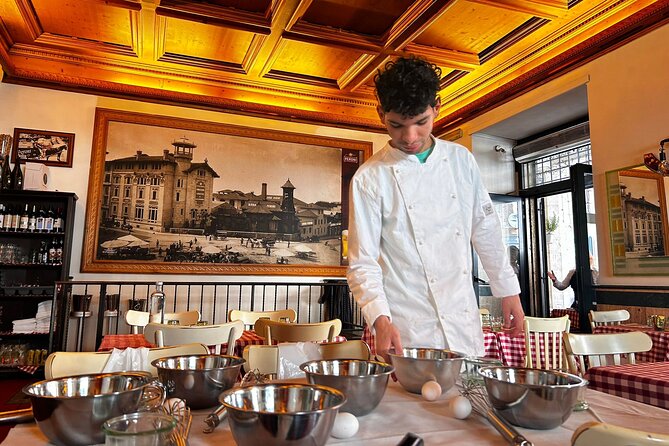
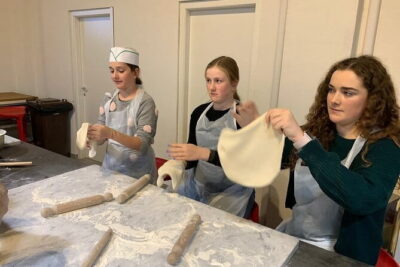
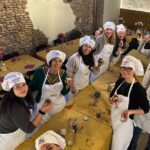
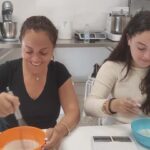
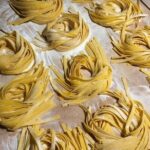
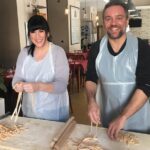
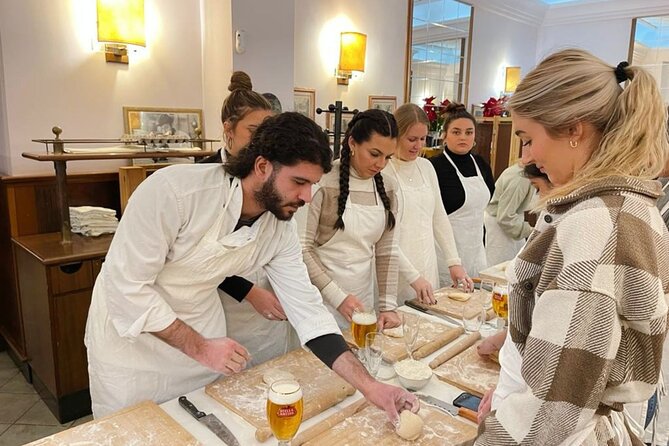
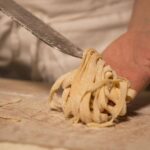
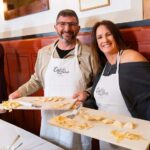
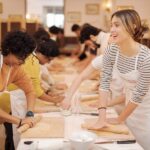
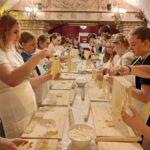
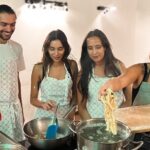
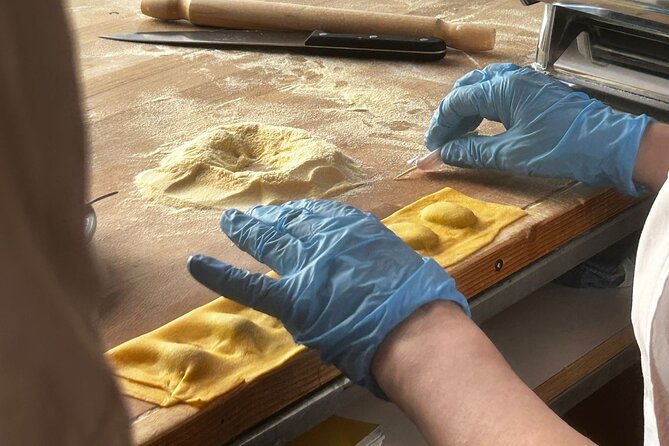
This class follows a simple flow: arrive, learn, make, then eat. In the first hour, you roll up your sleeves and focus on the dough process—mixing, kneading, cutting the fettuccine, and getting comfortable with how the dough behaves.
Here’s what that hands-on time is really buying you. Store-bought pasta is fine, but it teaches you nothing about texture. Fresh dough has a different feel under your hands, and the class gives you that feedback loop: you do a step, you see what it looks like, and your instructor helps you correct it quickly.
You’ll also get a clear sense of the pace. With a total duration of about two hours, the goal is not to turn this into a three-hour pastry boot camp. It’s focused enough that beginners can keep up, while more confident cooks can enjoy the precision.
And because the group size is capped at 6 travelers, it doesn’t feel like a lecture where you’re waiting for your turn. You’re more likely to get direct guidance while you work.
Kneading and cutting: the skills that actually make pasta taste better
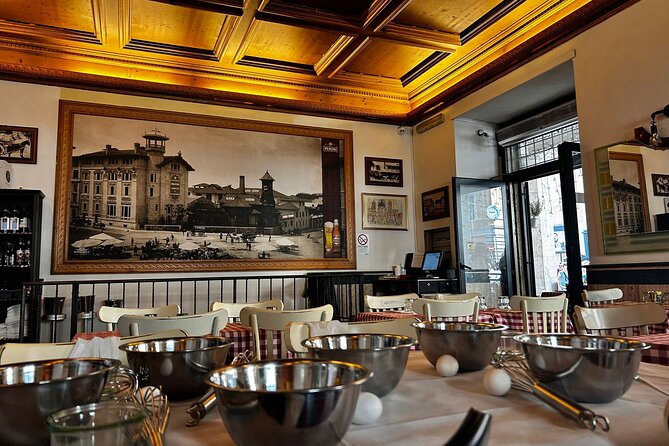
When people think of pasta skills, they picture rolling pin magic. What I find more useful (and what this class teaches) is the small technique stuff that affects the final bite.
Fresh fettuccine is all about balance:
- Kneading builds the structure so the dough stretches without becoming ragged.
- Cutting needs to be consistent so each strand cooks evenly.
- Dough hydration matters—too dry and it resists rolling; too wet and it turns sloppy.
This is where the class format shines. Your chef walks you through the steps, so you’re not guessing. And the small-group size helps with real-time correction. If your dough is fighting you, you don’t have to struggle in silence.
If you’re a total beginner, this is also a good place to start because the class doesn’t assume you already know how to work dough. You’re taught the sequence first, then you perform it.
Your sauce choice turns the lesson into a real Roman dinner
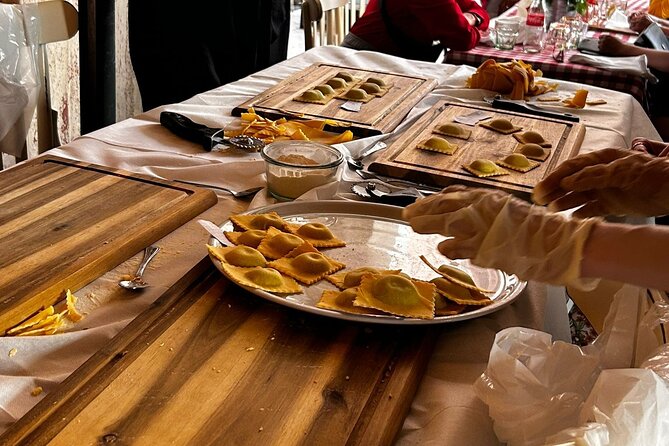
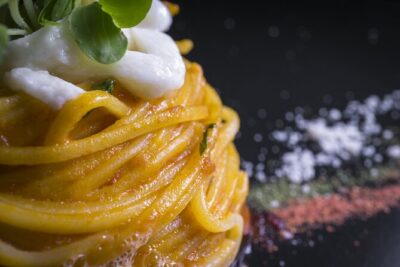
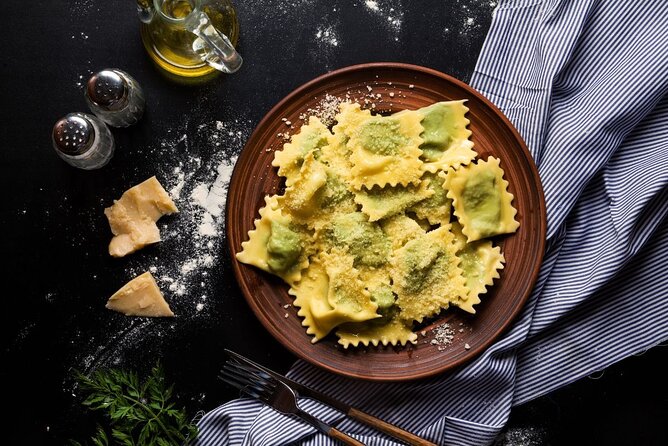
Once your fettuccine is ready, the class shifts from making to eating. The kitchen prepares your pasta with one of four classic Italian sauces:
- Carbonara
- Cacio e Pepe
- Pasta all Pesto
- Pasta all Pomodoro
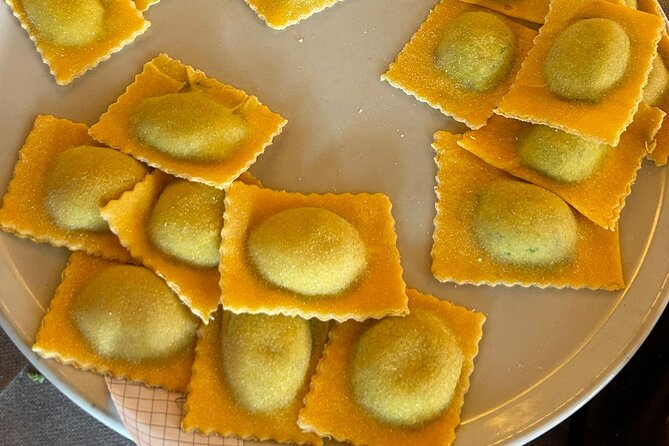
Even if you’ve had these dishes before, it’s a different experience when you’ve made the noodles they’re served on. Sauce clings differently to fresh pasta, and you taste how the sauce is built to match the pasta’s texture.
I also like that the choices are classic rather than “tourist fusion.” Roman and Italian comfort food is the point here. You’re getting a meal that reflects the culture you’re standing in, not a gimmick that could happen anywhere.
If you want the best match for your preferences, think this way:
- Choose Carbonara if you want creamy, savory comfort.
- Choose Cacio e Pepe if you’re after a sharper cheese-and-pepper profile.
- Choose Pesto for herb-forward richness.
- Choose Pomodoro if you want something lighter and tomato-focused.
Bruschetta and drinks: the built-in pre-dinner rhythm
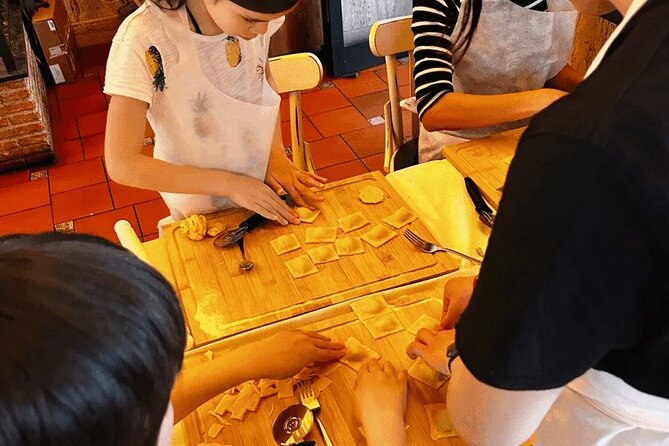
While the kitchen works on your main, you’re treated to an appetizer and drinks. The sample menu lists bruschetta as the starter, and you’ll have a glass of local wine or beer with your meal.
This matters because it smooths out the emotional arc of the class. You’re working hard with your hands, and then suddenly you get to pause, snack, and drink while your pasta gets finished. It turns the experience from work-only into a full evening rhythm.
One detail I appreciate: the drinks are not presented as an extra upgrade. They’re part of the meal structure. That makes the price feel less like you’re paying just for instruction and more like you’re paying for a complete food experience.

The Rome route: Pantheon, Trevi Fountain, and Vatican City (without losing focus)
Your schedule includes stops near Pantheon, Trevi Fountain, and Vatican City. Even though this is a cooking class, these stops help you connect the food to the wider city.
Here’s how to think about the route in a practical way. With a class that runs about two hours total, you should expect these to be brief “see it where it lives” moments rather than long museum-style visits. The benefit is getting your bearings fast while you’re already in the central sights zone of Rome.
- Pantheon area: a natural reference point for Roman architecture and scale, helpful for orientation.
- Trevi Fountain: the iconic photo stop, close enough to feel part of your walk, not a separate chore.
- Vatican City: a far-reaching end point that adds a sense of distance and wow without turning your evening into a long day.
The drawback to this kind of route is timing. If you’re hoping to linger at any one monument, this format isn’t built for deep sightseeing. It’s built to keep you moving between food moments and city moments, with the cooking staying central.
Where you meet and how to plan your arrival
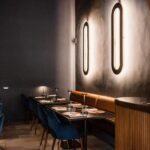
You meet at Ristorante Panzirone, located at Piazza Navona, 73. The activity ends back at the meeting point, so you’re not stuck hunting for the group after the meal.
Since the start time is 4:00 pm, plan to arrive a few minutes early. Piazza Navona is easy to find, but the square can be busy and you’ll want a moment to get oriented before the welcome.
Also, check what you’re wearing. You’ll be working with dough, so comfortable clothes matter more than fancy ones. If you get flour on yourself, it’s part of the experience; just don’t choose an outfit you’ll regret.
Price and value in central Rome
At $65.17 per person, this isn’t the cheapest thing you can do in Rome. But it’s also not “pay extra for a tourist performance” expensive.
What you’re paying for:
- A real cooking workshop where you handle dough
- A finished dinner outcome using the pasta you make
- Bruschetta as a starter
- Local wine or beer included
- A small group limit (max 6), which increases the odds you’ll get personal attention
In other words, the cost covers both instruction and the full food experience. In central Rome, that combination is where value happens. A typical meal plus a cooking activity plus drinks would add up fast on its own, even before you count the benefit of a chef guiding your technique.
The best value signal here is the size and the meal package. If you hate waiting around or you want to learn something you can actually reproduce later, the structure justifies the price more than an experience where you watch while someone else cooks.
Who should book this fettuccine class
This is a great fit if you want a hands-on Rome activity that still feels like an evening out.
It’s especially good for:
- Couples and small groups who want a shared task at a scenic location
- Food-focused travelers who want technique, not just a plate
- Beginners who prefer guided steps in a small setting
From the info provided, it’s not a great match if:
- You need gluten-free options (not recommended for gluten intolerance)
- You want a vegan menu (not recommended for vegans due to eggs in the pasta)
- You’re traveling with young kids under 6 (not recommended)
If you fall into those categories, you might still enjoy the setting and the romance of Piazza Navona, but this particular class probably won’t meet your dietary needs.
What to expect from the chefs (and why people love the teaching style)
In reviews of this program, the theme is consistent: instructors are friendly and patient, and they explain steps clearly. The small group size helps that teaching style land. You’re more likely to get direct help when something doesn’t work on the first try.
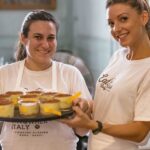
You may also find that chefs help with small moments that make the experience feel welcoming. Some people mention getting help with pictures, and others mention how the kitchen setup felt clean and ready for learning. Even with different chefs, the common thread is hands-on instruction and an emphasis on getting to eat what you made.
That’s a big deal. Cooking classes that end with you watching your creation get served can feel like a missed connection. Here, the experience is built to end at the table with your pasta.
Quick tips so you enjoy it smoothly
You’ll get the most from the class if you keep these in mind:
- Eat your appetizer and enjoy your drink before the pasta lands. It makes the waiting part feel like part of the meal, not downtime.
- Be ready to get a little messy. Dough work is part of the point.
- If you have questions about sauce or timing, ask early. Once the kitchen starts finishing, your attention will shift to tasting.
- If you’re sensitive to heat inside the restaurant area, dress in layers. Some restaurant kitchens and dining rooms can feel warmer than the square outside.
Should you book this fettuccine class or skip it?
Book it if you want a Rome experience where the city setting and the food skills are tied together. The Piazza Navona location makes the meal feel special, and the small group format makes the cooking part genuinely educational. Add the included bruschetta and drinks, and it becomes a straightforward way to get a memorable evening without hunting for dinner plans.
Skip it if gluten intolerance or vegan needs are non-negotiable for you, since it is not recommended for either. Also skip if you’re hoping for a long, monument-heavy itinerary. This activity keeps the sightseeing light and keeps the cooking central.
If you fit the sweet spot, I’d say this is a strong value play: you leave with a technique you can try at home, plus a meal that tastes like you earned it.
FAQ
FAQ
What is the duration of the fettuccine pasta class?
It runs for about 2 hours.
What time does it start?
The start time is 4:00 pm.
Where is the meeting point?
You meet at Ristorante Panzirone, Piazza Navona, 73, 00186 Roma RM, Italy.
Is the class offered in English?
Yes, it is offered in English.
How large is the group?
The class has a maximum of 6 travelers.
What’s included in the price?
The price includes appetizers, alcoholic beverages, and a freshly cooked pasta dinner.
What sauce options are available for the fettuccine?
You’ll choose among Carbonara, Cacio e Pepe, Pasta all Pesto, or Pasta all Pomodoro.
Is it suitable for gluten intolerance?
It is not recommended for those with gluten intolerance.
Is it vegan-friendly?
It is not recommended for vegans because the pasta contains eggs.
Is there free cancellation?
Yes. You can cancel up to 24 hours in advance for a full refund.