REVIEW · MATERA
Matera Cooking Class
Book on Viator →Operated by Matera Cooking Class · Bookable on Viator
One hour before lunch, you’ll be making dinner decisions. This Matera cooking class trades the Sassi crowds for a working farm with Silvia and Greg at Agriturismo L’Assiolo. You’ll tour their organic olive and orange setup, then cook fresh pasta and Matera-style dishes together.
I especially love the farm-to-table start: you learn how extra virgin olive oil is made from their trees, then taste fruit straight from the orchard. I also like how hands-on the class is, from shaping fresh pasta to building a typical sauce, not just watching someone cook. A fair drawback: you’re out in the countryside, so you’ll be in a working setting where comfort depends on the weather.
In This Review
- Key highlights you’ll feel right away
- Trading the Sassi crowds for real farm cooking
- Where the class starts and how the timing works
- Agriturismo L’Assiolo: meeting Silvia and Greg outside Matera
- The farm tour: extra virgin olive oil and fruit from the trees
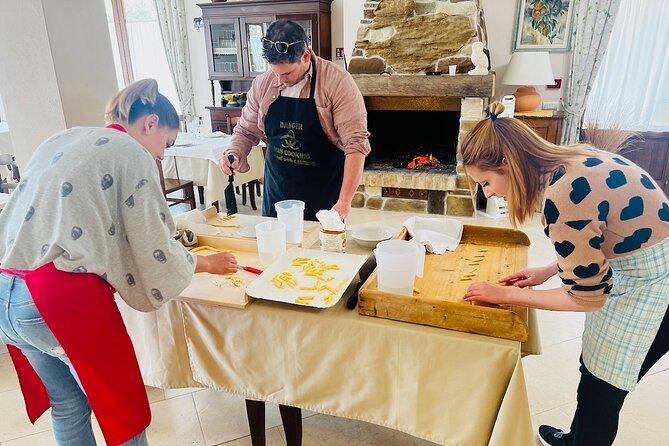
- Kitchen time: learning fresh pasta the right way
- What you’ll do (and why it matters)
- Matera-style starters: traditional antipasto and more than one bite
- Lunch together: country-style eating with wine and coffee
- The group size effect: why max 6 travelers changes everything
- Price and value: is $168.95 worth a 4-hour day?
- Who should book this (and who might skip it)
- What to expect in your day (simple flow)
- Should you book the Matera Cooking Class?
- FAQ
- How long is the Matera Cooking Class?
- What language is the class offered in?
- How many people are in the group?
- What time does the experience start?
- Where do I meet for the tour?
- Is the class refundable if my plans change?
Key highlights you’ll feel right away
- Organic olive and orange farm visit that actually explains where the food comes from
- Small group size (max 6), so you get real time at the work surface
- Hands-on fresh pasta plus a typical pasta sauce
- Matera-style starters taught in the original farmhouse way
- Country lunch you eat together, with wine and coffee
- Local restaurant recommendations you can use the same night in Matera
Trading the Sassi crowds for real farm cooking
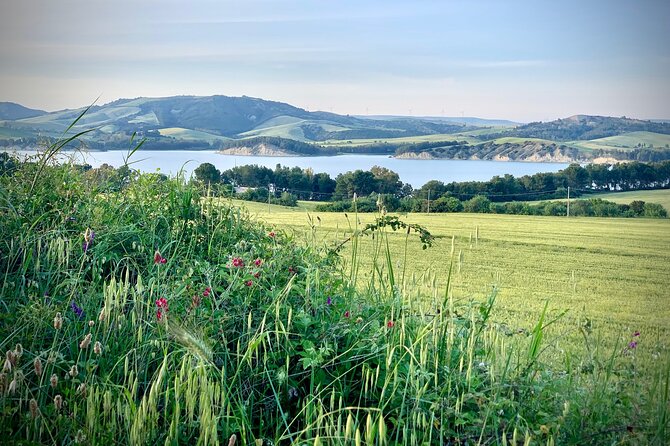
Matera is famous for the Sassi—cool stone views, tight streets, and camera-ready angles. This experience gives you a different side of the city. Instead of staying in the swirl of the old town, you head to the countryside with a family-run agriturismo atmosphere.
You’ll spend about 4 hours learning and eating, and the day is paced like a relaxed family afternoon rather than a factory-style class. The small group limit (up to 6 travelers) matters here. You get fewer people to compete with for attention, and it’s easier to ask questions while you’re mixing dough or tasting sauce.
Also, the whole thing is set up for English speakers, which keeps the focus on learning rather than translation.
You can also read our reviews of more tours and experiences in Matera.
Where the class starts and how the timing works
The activity begins at 10:00 am, and it returns back to the meeting point when it’s done. The meeting address listed is in Matera: Piazza Giacomo Matteotti, 20, 75100 Matera (MT), Italy.
The morning timing is a plus. By midday you’re eating what you made. It also means you’re not spending your best hours in transit later in the day, chasing dinner reservations.
Practical note: since the class is near public transportation, you shouldn’t need a car to make it work. Service animals are allowed, too, if that applies to you.
Agriturismo L’Assiolo: meeting Silvia and Greg outside Matera
The heart of this experience is the human side. You’re invited by Silvia and Greg to their farm property just outside Matera. This isn’t a generic cooking theater. It feels like you’re joining a household routine for a few hours.
Their place, Agriturismo L’Assiolo, is organized around the ingredients people actually eat here. That’s why the early part of the day matters. Before you touch flour, you get grounded in what makes Southern Italian cooking work: olive oil, seasonal fruit, and simple flavor built from quality basics.
And yes, you’ll get laughs while you cook. One of the strongest signals from the experience feedback is how enjoyable the pasta-making moment feels when your hosts keep it friendly and easy.
The farm tour: extra virgin olive oil and fruit from the trees
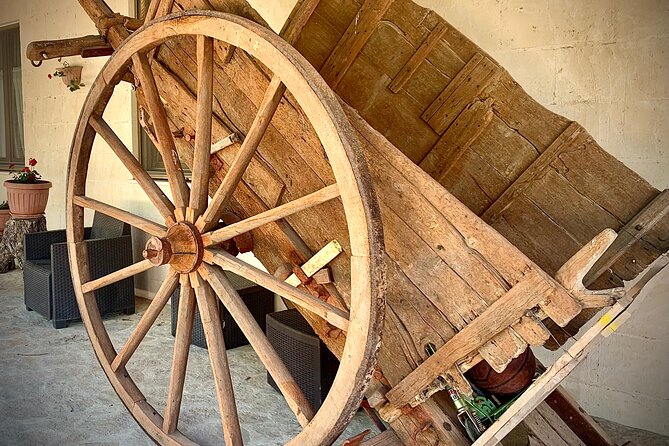
The first segment is a short farm walk or wander that helps you understand the ingredients used in the kitchen. The big lesson is extra virgin olive oil, and the way they talk about it makes it feel personal: it’s their “liquid gold,” produced from their own trees.
You’ll also get the chance to eat fruit straight from a tree—the kind of detail that sounds small until you taste it. That first bite makes the rest of the meal feel more connected. You’re not just eating “Italian food.” You’re eating their harvest and the flavors that come from it.
What I like about this section is that it sets your expectations. When you later learn pasta and sauce techniques, you understand why oil and freshness are treated like core ingredients, not add-ons.
Kitchen time: learning fresh pasta the right way
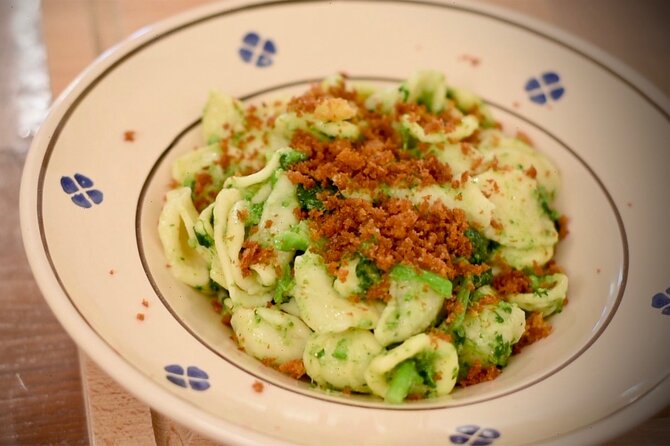
Once you’re back in the kitchen area, the focus shifts to skill. You’ll meet Silvia in the cooking space, and this is where the class turns practical.
The main course learning includes:
- Fresh pasta
- Sauce for fresh pasta
- Traditional Matera starters (two typical dishes are part of the teaching)
The value here is in the method. You’re not just copying a recipe. You’re getting the philosophy of farmhouse cooking: keep it simple, respect basic ingredients, and rely on technique. That’s a big deal if you usually cook at home and want food that tastes like you did something on purpose, not just followed a quick online shortcut.
What you’ll do (and why it matters)
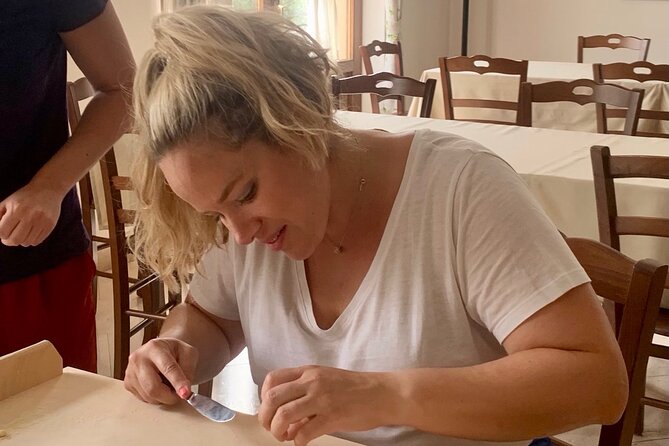
Cooking fresh pasta helps you understand texture. Pasta dough has a feel to it—how it comes together and how it behaves when shaped. If you’ve ever been frustrated by sticky dough or dry dough, you’ll appreciate being coached in real time.
And sauce teaches you balance. A “typical” pasta sauce isn’t about complicated steps. It’s about getting the flavor right with the ingredients you actually have. When you make it yourself, you’ll know how much to adjust next time without guessing.
Matera-style starters: traditional antipasto and more than one bite
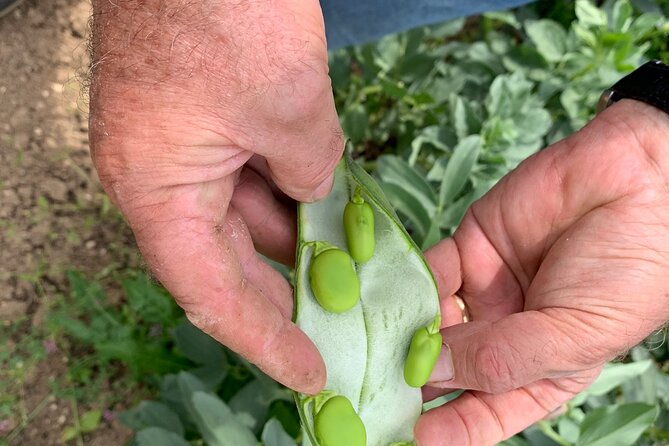
The sample menu points to traditional antipasto as your starter, and the class also includes two typical dishes from Matera. The menu listing shows antipasto as part of the starter course, and the teaching portion explains you’ll learn more than one dish from the local repertoire.
This part of the experience is important for two reasons.
First, you taste Matera in a way that’s not only about pasta. Starters let you notice seasoning and texture—salty, savory, and fresh elements that make the later meal feel complete.
Second, it’s easier to enjoy yourself while learning. If you’re not confident in your kitchen skills, starters are the friendly entry point. You still get the local approach, and you’re building momentum toward the main pasta work.
Lunch together: country-style eating with wine and coffee
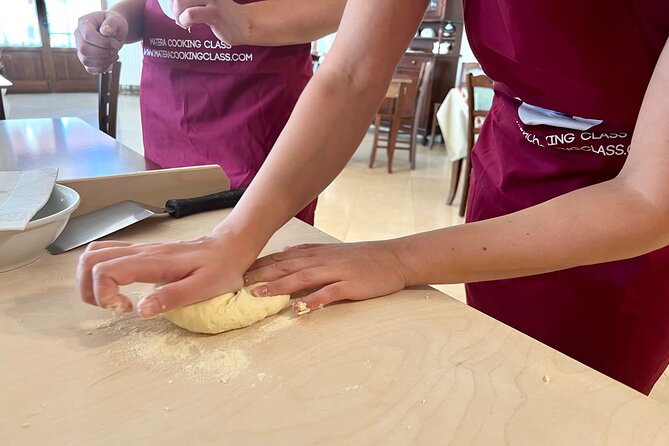
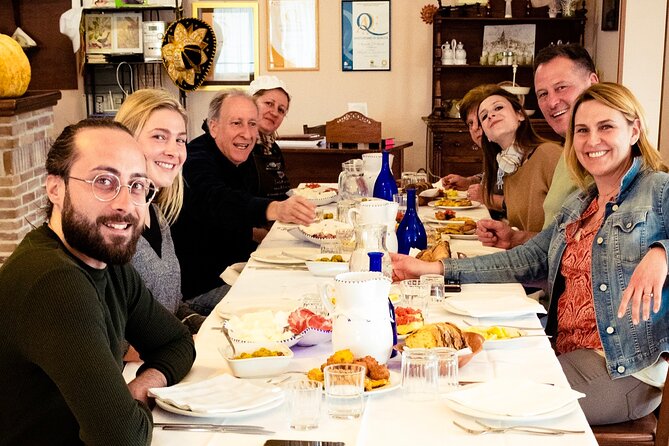
After cooking, you get to eat the results in a country-style lunch setup. A key detail from the experience feedback is that lunch includes many small dishes to try, plus wine and coffee.
That matters for your enjoyment level. Instead of one big plate and done, you get a spread that lets you sample the way different parts of the meal work together. Small dishes also mean you can taste what you made, compare it to what else was prepared, and learn by noticing differences.
If you like food that’s social, this is a good fit. You’re eating with your group, not rushing through a meal in silence.
And because the hosts are so invested in showing you their version of Matera, you’re likely to leave with practical ideas for what to eat later. One review called out that they shared a list of restaurants, bars, and cafes they considered best in Matera. That kind of tip is usually worth more than another postcard photo.
The group size effect: why max 6 travelers changes everything
The class caps at 6 travelers, which is rare for a tour that includes both farm time and hands-on cooking.
With a group this size:
- You spend more time talking to the cooks instead of waiting your turn.
- You can actually learn what went wrong (if something goes wrong) and fix it quickly.
- It’s easier to stay engaged during the explanation portions, because people aren’t scattered.
It also keeps the vibe calm. Cooking needs attention. If you’re surrounded by lots of people, you rush. Here, you’re able to slow down and learn.
Price and value: is $168.95 worth a 4-hour day?
At $168.95 per person for about 4 hours, the price isn’t cheap, but it’s also not just paying for a recipe page.
You’re paying for:
- A farm experience that includes an olive oil lesson and fruit tasting
- Hands-on instruction for fresh pasta and sauce
- Traditional starters from Matera
- A shared lunch with wine and coffee
- A small group setting (max 6), which boosts the quality of attention you receive
In practice, this can feel like better value than many “cooking classes” that mostly consist of watching. You’re doing real work—kneading, shaping, assembling—and then eating a proper meal you helped create.
The only thing to weigh is your tolerance for time outdoors. Because you’re on a farm and the property is a working agricultural site, the day depends on the weather and on how comfortable you are with countryside conditions.
Who should book this (and who might skip it)
This is a strong match if you:
- Want a break from the Sassi crowds and prefer the countryside version of Matera
- Enjoy learning cooking skills, especially fresh pasta
- Like food experiences where ingredients come with a story
- Want useful local guidance, not just a generic souvenir
You might think twice if:
- You’re looking for a long, museum-style history lesson (this is food-first)
- You need a very fast, highly structured schedule with no chance to wander and talk
- You dislike outdoor or farm settings, even briefly
What to expect in your day (simple flow)
Here’s the practical rhythm you’ll follow:
- Meet at Piazza Giacomo Matteotti, 20 in Matera.
- Head out to the organic olive and orange farm with Silvia and Greg.
- Learn about extra virgin olive oil and taste fruit from the trees.
- Move into the kitchen for fresh pasta, pasta sauce, and traditional starters.
- Enjoy a shared country-style lunch with wine and coffee.
- Return to the meeting point when the experience ends.
You’ll leave with two kinds of souvenirs: the edible kind, and the hands-on know-how you can use later.
Should you book the Matera Cooking Class?
I’d book it if you want an afternoon in Matera that feels like you’re invited into a real food routine, not herded through a script. The biggest reasons are the small group limit and the clear farm-to-kitchen flow—olive oil and fruit first, then pasta and starters, then lunch you actually get to enjoy.
If your ideal day is hands-on cooking, countryside atmosphere, and a meal that includes wine and coffee, this hits the mark. If you want history-only or you’re sensitive to farm conditions outdoors, you may prefer something more inside the city.
FAQ
How long is the Matera Cooking Class?
It lasts about 4 hours.
What language is the class offered in?
The experience is offered in English.
How many people are in the group?
The class has a maximum of 6 travelers.
What time does the experience start?
It starts at 10:00 am.
Where do I meet for the tour?
Meeting point is Piazza Giacomo Matteotti, 20, 75100 Matera MT, Italy.
Is the class refundable if my plans change?
Yes. You can cancel for a full refund if you cancel up to 24 hours in advance of the experience’s start time.