REVIEW · SESTU
Cagliari Home Cooking Class: Pasta, Wine & Sardinian Flavors
Book on GetYourGuide →Operated by Timonfaya Travel Lanzarote · Bookable on GetYourGuide
Fresh pasta meets Sardinian comfort food near Cagliari Airport. This Cagliari home cooking class is a small-group lesson that turns into a full lunch with the food you shaped by hand.
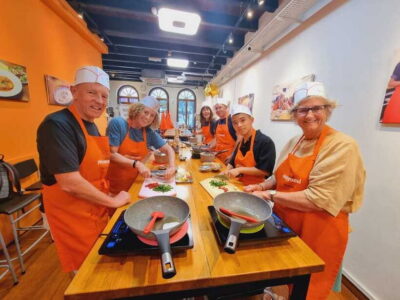
I love the hands-on part: you’ll make traditional pasta like culurgiones (stuffed ravioli) and fresh tagliatelle, using local flours and straightforward techniques. I also really like how the meal is built around Sardinia, starting with antipasto, then tasting your own pasta with traditional sauces, and ending with dessert plus homemade Mirto.
One practical drawback to plan around: there’s no hotel pickup, and you meet the host near the airport by ringing the entryphone labeled Callegari.
In This Review
- Key things you’ll notice right away
- Why a Cagliari home pasta class feels more real
- Getting there near the airport (and why it matters)
- A real kitchen lesson: from culurgiones to tagliatelle
- The pasta you’ll likely make
- The antipasto start: what you taste before the pasta
- Lunch is the lesson: your pasta plus the Sardinian table feel
- Dessert and Mirto: the Sardinian finish you’ll remember
- Value check: is $98 a fair price in Cagliari?
- Who should book this class (and who might skip it)
- Practical tips so you get the most from your 3-hour session
- Should you book this Cagliari home cooking class?
- FAQ
- How long is the Cagliari home cooking class?
- How much does it cost?
- How many people are in the group?
- What pasta dishes will I make?
- Do I need cooking experience?
- What is included in the meal?
- Is wine included?
- Where do I meet the host?
- Is hotel pickup included?
Key things you’ll notice right away
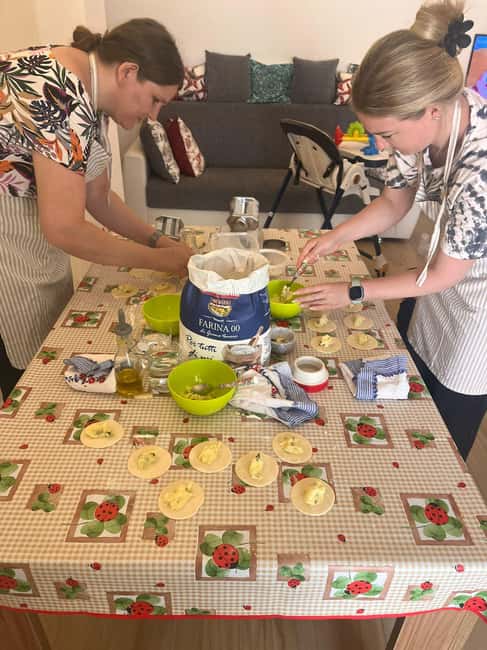
- Hands-on culurgiones: you’re not just watching. You’re shaping and learning the logic behind the folds.
- Local flours and simple methods: classic dough work without fancy equipment.
- Antipasto first: cheeses, cured meats, and local honey show up early, with regional wine.
- Mirto after dessert: Sardinia’s myrtle liqueur finishes the meal in a very island way.
- Small group of 6: easier questions, more hands-on time, and less standing around.
- Digital recipes to take home: useful if you want to repeat the dishes later.
Why a Cagliari home pasta class feels more real
If you’ve ever done a cooking class where you’re busy for an hour and eating the last ten minutes, this is the opposite. You work, you taste, you learn how the flavors fit together, and then you sit down for a proper home-cooked meal.
I like that this doesn’t feel staged. The focus is on Sardinian staples: fresh pasta, Sardinian antipasti, and the island’s famous Mirto liqueur. It’s a great way to eat in a way that connects directly to place, not just to Italian tradition in general.
Also, the timing works well for real travel days. It’s 3 hours and it’s located near Cagliari Airport, which makes it a smart option if you’re arriving or leaving and still want something authentically local.
Getting there near the airport (and why it matters)
The meeting point is simple: when you arrive, ring the entryphone labeled Callegari. There’s no hotel pickup, so you’ll want to plan your own short ride or walk.
That no-pickup setup can be a non-issue if you’re already near the airport. It’s actually one reason this experience fits so neatly into a Cagliari schedule. If your day is a blur of flights and bus rides, having a class that’s close by can save you from scrambling for an evening plan.
The other big plus is the small group size: limited to 6 participants. In a class like this, that matters. You get more time at the counter, and you’re more likely to get personal help as you form the pasta.
A real kitchen lesson: from culurgiones to tagliatelle
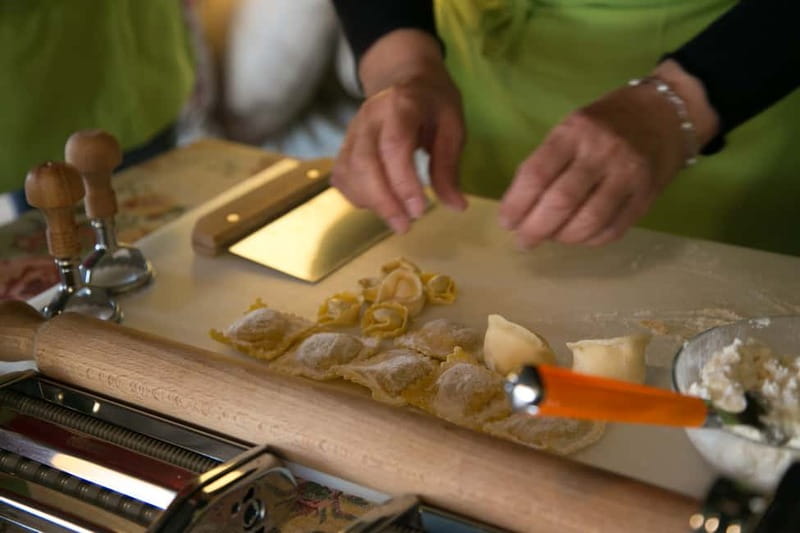
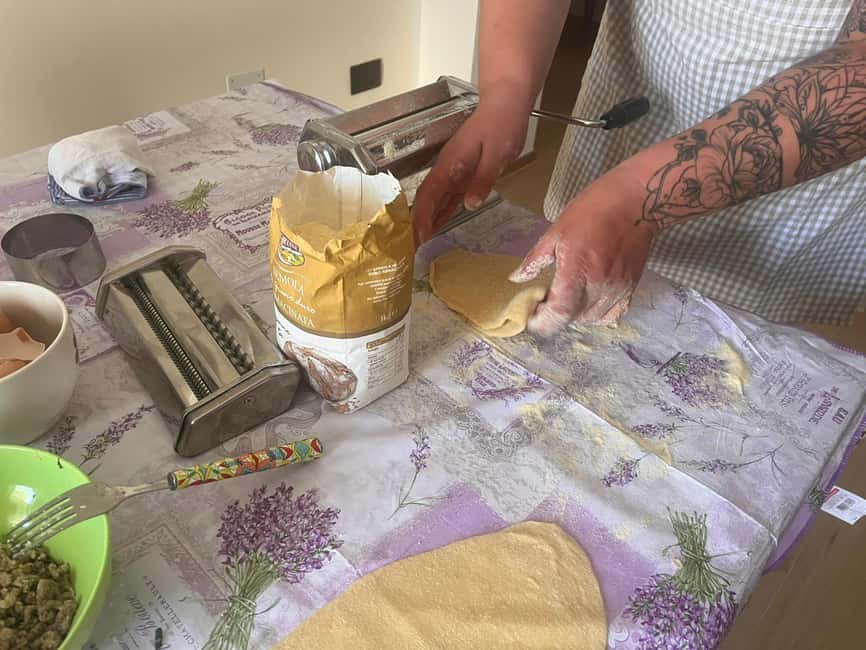
The heart of the experience is the pasta making. You’ll learn how to prepare culurgiones (filled Sardinian ravioli) plus fresh tagliatelle, and you’ll also work with filled pasta ravioli techniques. The teaching is built around local flours and methods passed down through generations, but the pace stays practical.
No experience is needed. That’s not just marketing fluff—this kind of dough work is hard to describe in a pamphlet, so having an instructor walk you through each step is the whole game. And the hosts are known for being patient, including with families who bring a younger helper to watch and assist.
Here’s what I think is most useful to you in the lesson: you’re not only learning what the dough should feel like, you’re learning why it should feel that way. Filled pasta is all about sealing and texture. If the dough dries out or the edges don’t adhere, it turns into a glue-and-pray moment. Good instruction turns that into confidence.
The pasta you’ll likely make
- Culurgiones: traditional stuffed ravioli shape and technique.
- Filled pasta ravioli: the general workflow for filling and closing.
- Fresh tagliatelle: a different shape with a different cutting/handling feel.
As you work, you’ll probably notice that the session teaches a repeatable rhythm: dough preparation, portioning, filling, shaping, and then a final check before cooking. That rhythm is what makes this class worth doing even if your cooking skills are rusty.
The antipasto start: what you taste before the pasta
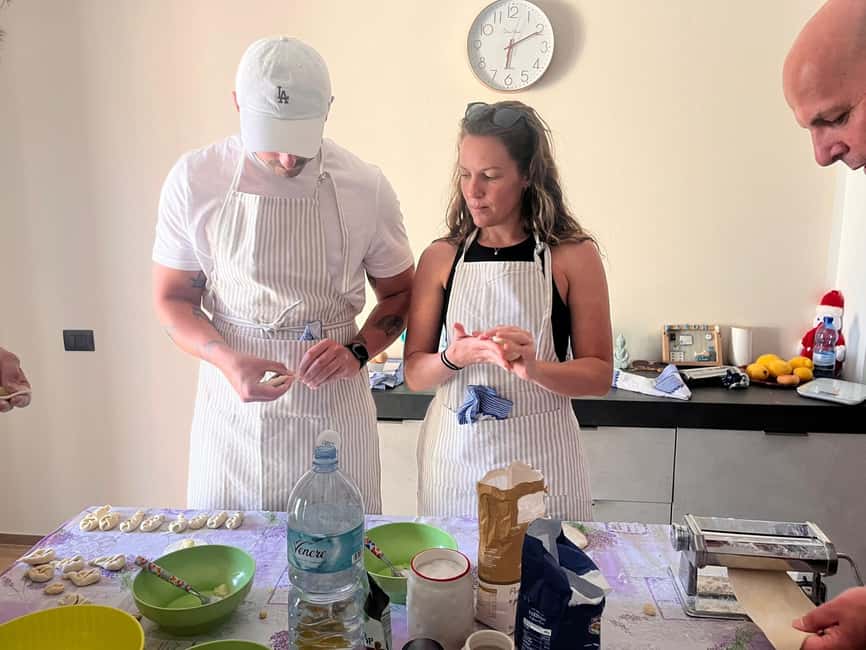
After the hands-on part, you sit down and eat. And you start the meal the traditional way: with a typical antipasto platter.
You’ll have Sardinian cheeses, cured meats, local honey, and regional wine. The order matters here. Antipasto isn’t filler; it sets up the taste of the meal. The honey adds sweetness to balance salty cured meats, and the cheeses give you that local dairy flavor that makes the rest of lunch feel cohesive.
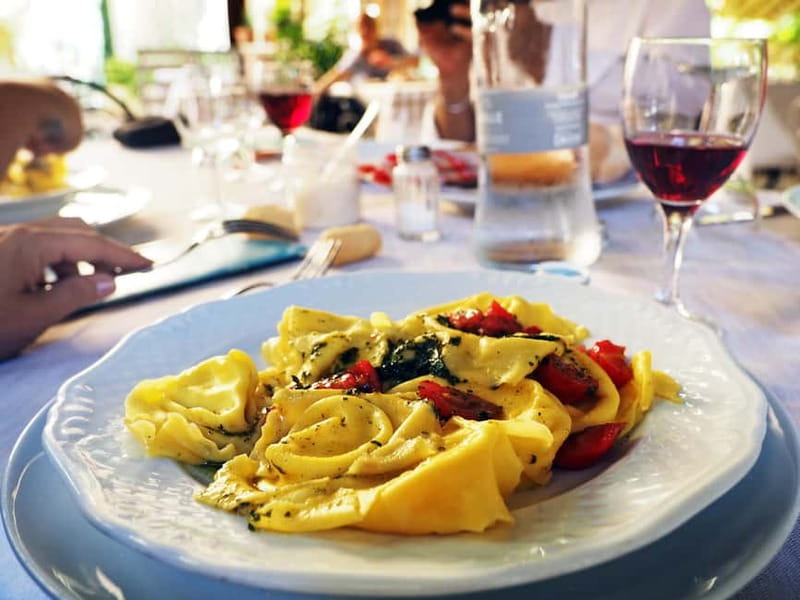
Then you taste the pasta you made. It’s served with traditional sauces, which is one of those details that helps you connect the work on your hands to the finished plate. You’re not just learning technique in a vacuum. You see how the pasta pairs with the flavors Sardinia expects.
This is also where the small group setup pays off again. You’re sitting close enough to talk, ask questions, and get little tips about how to adjust if your dough or filling seems off.
Lunch is the lesson: your pasta plus the Sardinian table feel
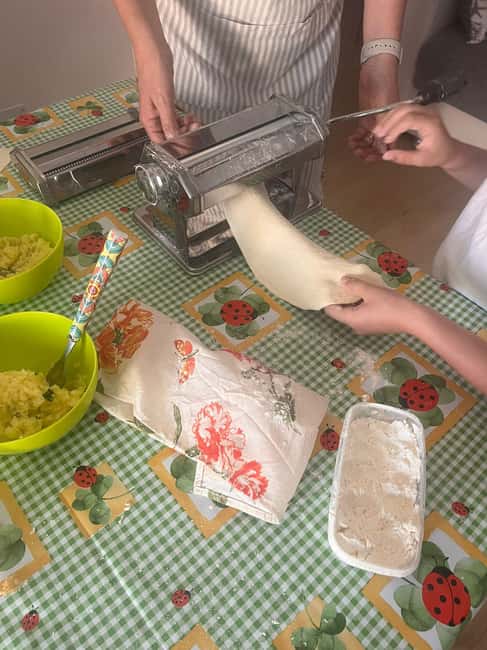
This class is structured around a three-course meal, not a snack-and-run. That’s a big value point because you’re paying for instruction and also for a full dining experience.
In practice, your meal looks like this:
- Antipasto platter with cheeses, cured meats, local honey, plus regional wine.
- The fresh pasta you shaped, served with traditional sauces.
- Dessert followed by homemade Mirto liqueur.
I like this pacing because it keeps you from feeling hungry while you learn. You’re working with a timer in your head during the pasta part, but the antipasto means you’re also tasting as you go. By the time you sit for the main pasta course, you’re already in Sardinian food mode.
One more thing I appreciate: you’re not sent off with a paper bag. You stay for the meal, so the class turns into a real evening-or-lunch experience. That “eat together” element is part of why home cooking classes feel different from big group tours.
Dessert and Mirto: the Sardinian finish you’ll remember
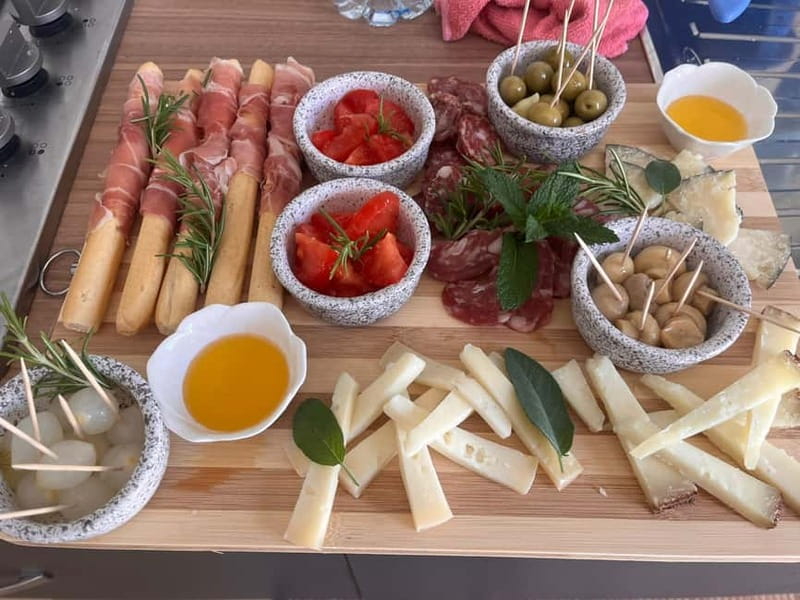
If you care about food souvenirs, this ending does the job. After dessert, you get homemade Mirto liqueur, Sardinia’s famous myrtle liqueur.
Mirto can be a love-it-or-learn-it flavor, but even if you’re unsure at first, it’s a good way to end the class because it’s tied to the island itself. The combination of sweet dessert plus this herbal, local liqueur is a classic food-travel pairing: comfort on one side, identity on the other.
It’s also a practical travel win. You’re not searching for a bar afterward. You finish the experience still in the same flow, with a full lunch behind you and recipes in your bag.
Value check: is $98 a fair price in Cagliari?
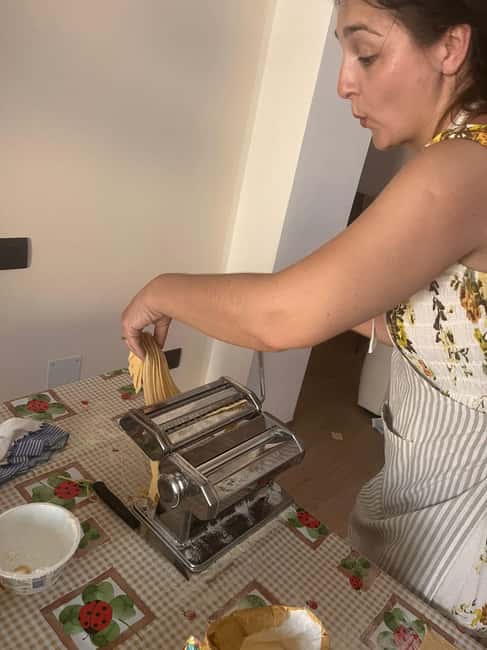
At $98 per person for a 3-hour, hands-on class with a three-course meal, local wine, dessert, homemade Mirto, and digital recipes, the value is strong.
Here’s how I look at it:
- You’re paying for instruction in fresh pasta shaping (culurgiones and tagliatelle).
- You’re paying for food you eat during the class, not just sampling bites.
- You’re paying for beverages with the meal, including regional wine and Mirto at the end.
- You’re getting take-home material via digital recipes.
If you were to recreate it as a separate plan—book a cooking lesson elsewhere and then find a proper antipasto + wine + dessert meal—you’d likely spend more in time and money. Even if a restaurant meal costs less, it wouldn’t teach you the same skill or give you the same sense of how Sardinian ingredients come together.
So for me, the price makes sense if you’re a food person or you like learning something tangible. If you’re more of a sightseeing-first traveler who hates getting flour on your hands, you might decide to keep your time for other experiences.
Who should book this class (and who might skip it)
I think this cooking class is ideal for:
- Food lovers who want a hands-on lesson, not just tasting.
- People who like smaller experiences (it’s limited to 6).
- Travelers who want something local and practical near the airport.
- Anyone who wants recipes they can actually try again later (digital recipes are included).
It’s not the best fit if:
- You strongly prefer restaurants and minimal time in the kitchen.
- You need a long sit-down meal but don’t want active participation.
- Your schedule is so tight that meeting near the airport feels risky without planning.
If you’re traveling with kids, it can also work well. Hosts have a reputation for patience, including when families bring a young child to the kitchen area.
Practical tips so you get the most from your 3-hour session
A few small choices will make a big difference.
- Wear comfortable clothes. Pasta work can get messy in a normal, human way.
- Show up hungry, but not stressed. The meal is part of the experience, and you’ll want your energy for both cooking and eating.
- Ask questions early. With a group of 6, you can get help while you’re still learning the core steps.
- Plan your transport in advance since there’s no hotel pickup. The meeting point is near the airport and you’ll ring the entryphone labeled Callegari.
- Use the language option you’re most comfortable with. Instruction is available in English, German, Italian, and Spanish, so you should be able to follow comfortably.
Finally, if you want your money’s worth, focus on technique more than perfection. Your goal isn’t to win a pasta contest. It’s to learn how these shapes and sauces fit into Sardinia’s everyday flavors.
Should you book this Cagliari home cooking class?
I’d book it if you want a true Sardinia food experience that you can carry home as real skills. The combination of hands-on pasta making, a full antipasto-and-wine lunch, and the distinctive ending of homemade Mirto is hard to beat for a 3-hour plan in Cagliari.
Book it especially if:
- Your itinerary includes arriving or departing near the airport.
- You like small-group classes where you learn by doing.
- You’d rather invest in a memorable meal than just another quick lunch.
Skip it if your travel style is “only sightseeing, no cooking,” or if you don’t have an easy way to reach the meeting point without pickup.
If you’re on the fence, think about this: you’re not just tasting Sardinia. You’re learning how to make a piece of it with your own hands, then eating it right there.
FAQ
How long is the Cagliari home cooking class?
The class lasts 3 hours.
How much does it cost?
It costs $98 per person.
How many people are in the group?
The group is limited to 6 participants.
What pasta dishes will I make?
You’ll learn to make traditional Sardinian pasta, including culurgiones (filled ravioli) and fresh tagliatelle, plus techniques for filled pasta ravioli.
Do I need cooking experience?
No cooking experience is needed.
What is included in the meal?
You’ll enjoy a 3-course meal with traditional Sardinian antipasti (cheeses, cured meats, honey), regional wine during the meal, traditional Sardinian dessert, and homemade Mirto liqueur.
Is wine included?
Yes. Regional wine is included during the meal.
Where do I meet the host?
Ring the entryphone labeled Callegari when you arrive.
Is hotel pickup included?
No. Hotel pickup and drop-off are not included.