REVIEW · ROME
Rome Cooking Class: Handmade Tonnarelli Pasta & Tiramisu
Book on GetYourGuide →Operated by Food Raphael Tours and Events · Bookable on GetYourGuide
Fresh pasta, Roman style, in just 2.5 hours. In this Rome cooking class, you learn handmade tonnarelli and then make tiramisù from scratch, and you eat the results with a glass of wine. One catch: for safety, you don’t step into the actual back kitchen where the pasta gets cooked and seasoned.
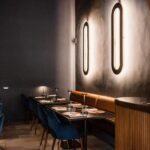
The Osteria San Giorgio setting helps too. I like how the English-speaking guides keep things organized and relaxed, and many sessions feel personal enough that even true beginners can keep up.
In This Review
- Key Things You’ll Love About This Rome Cooking Class
- What You’ll Make in Rome: Tonnarelli and Tiramisu
- Meeting Osteria San Giorgio: The Pace and Vibe
- The Tonnarelli Lesson: How Roman Handmade Pasta Really Gets Done
- Cacio e Pepe Pairing: Why This Sauce Is the Right Teaching Tool
- Tiramisu Workshop: Coffee-Soaked Dessert, Built with Confidence
- The Included Meal and Wine: Turning Work Into a Proper Dinner
- Price and Value: Is $64 Worth It?
- Who Should Book This (and Who Should Skip It)
- Tips to Make Your 2.5 Hours Go Smoothly
- Should You Book This Rome Pasta and Tiramisu Class?
Key Things You’ll Love About This Rome Cooking Class
- You make both the pasta and the dessert: tonnarelli (Roman handmade spaghetti) and classic tiramisù
- Hands-on dough work: mix, roll, cut, and learn what affects texture and thickness
- Cacio e pepe style pairing: a simple Roman sauce is part of the meal after your pasta work
- Wine with the payoff meal: you sit down and enjoy what you created
- English instruction from lively hosts: guides are described as funny, patient, and organized
- Safety note up front: you’ll watch some kitchen steps instead of entering the cooking area
What You’ll Make in Rome: Tonnarelli and Tiramisu

If you want a class that teaches more than one dish, this is a smart pick. You’ll work on tonnarelli cacio e pepe first—fresh, handmade pasta with a very Roman identity—and then you’ll move to tiramisù, the classic coffee-soaked dessert with a creamy finish.
Why this combo works so well for your time in Rome: pasta teaches you the “feel” of dough—how it behaves as you roll and cut—while tiramisù teaches technique with timing and texture. One lesson builds confidence for the next. And at the end, you eat your own food, not just a tasting of someone else’s.
You can also read our reviews of more tours and experiences in Rome.
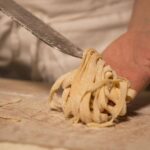
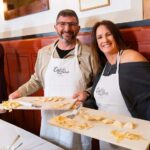
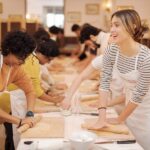
Meeting Osteria San Giorgio: The Pace and Vibe

Your meeting point is easy: stand in front of Osteria San Giorgio, and you’ll plug into the group from there. There’s no hotel pickup, so plan to arrive a few minutes early and find the place calmly—Rome is great, but streets can be a maze when you’re hungry.
The class runs for 2.5 hours, which is a sweet spot. Long enough to learn real technique, short enough that you’re not losing half a day to logistics. The “osteria wine bar” setting also matters: you’re not in a sterile cooking lab. You’re in the kind of place where people actually talk while they eat, which makes the meal at the end feel like part of the story.
The Tonnarelli Lesson: How Roman Handmade Pasta Really Gets Done
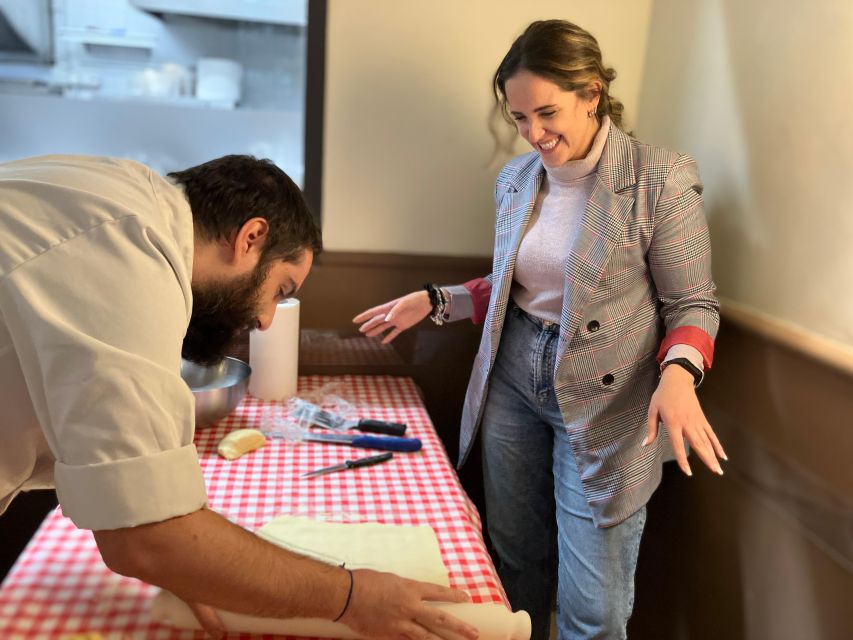
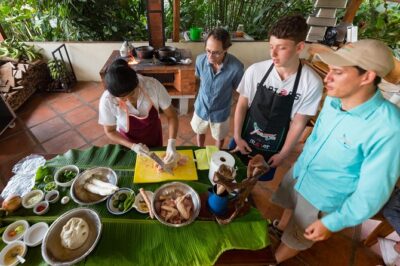
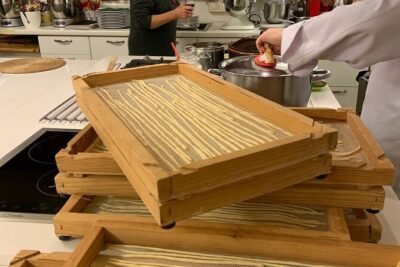
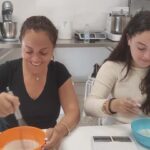
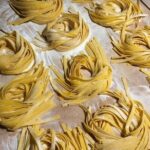
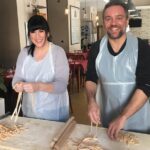
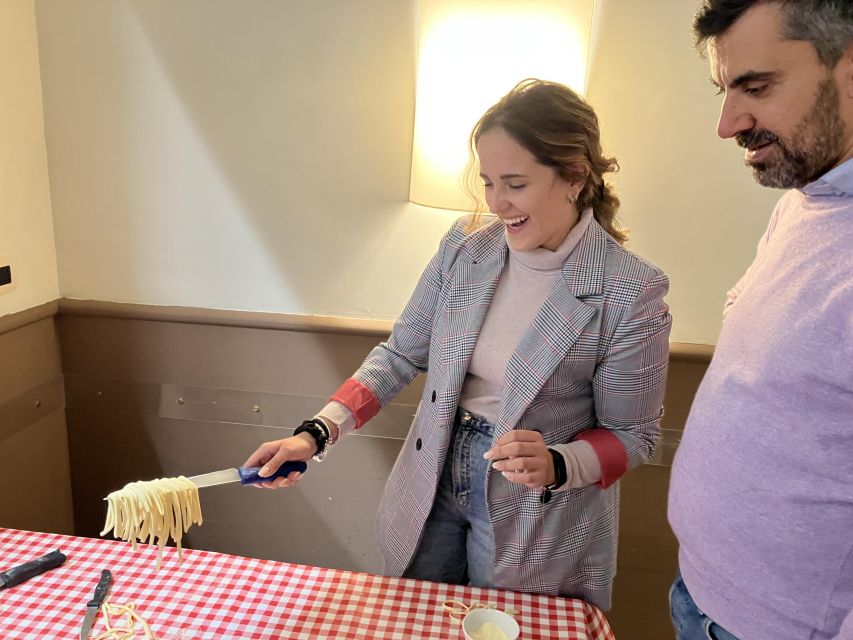
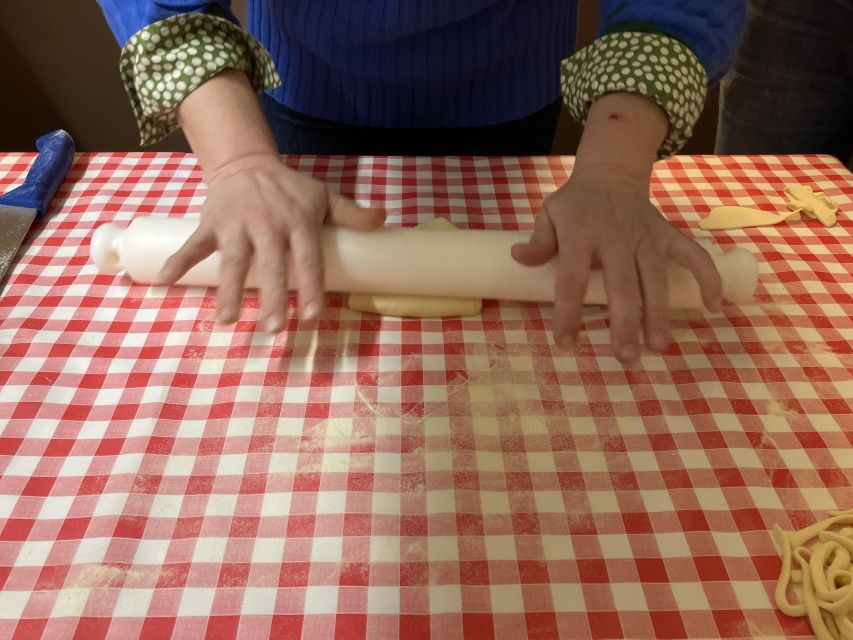
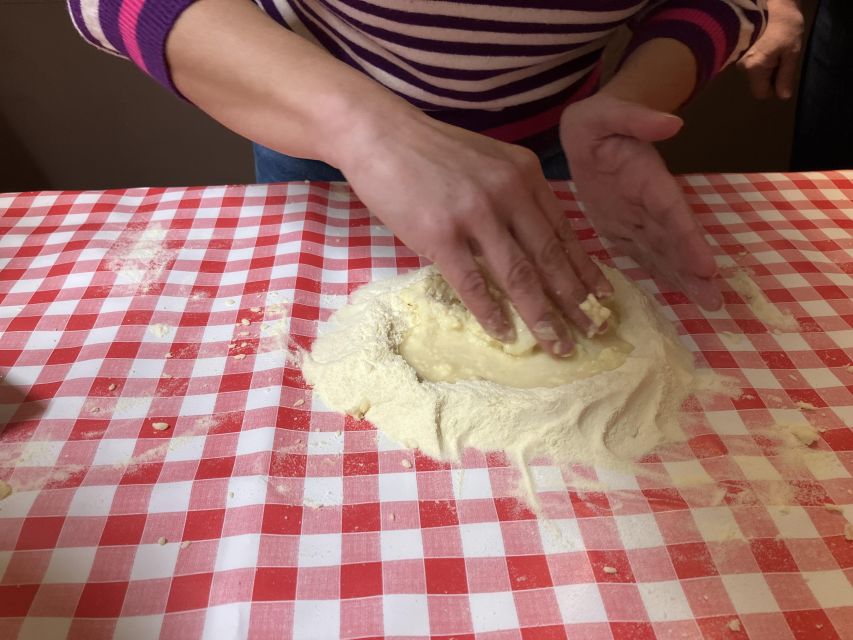
This is the main event, and it’s hands-on. You’ll prepare tonnarelli from scratch under the instructor’s guidance. That means you’ll roll up your sleeves and work with fresh ingredients, then shape the pasta until it’s ready to be cooked and served.
Here’s what you’ll be practicing, and why it’s useful at home:
- Mixing and dough feel
You learn how the dough should come together and what to watch for as you work it. Pasta dough is forgiving, but it’s not magic—small differences change texture.
- Rolling for even thickness
Rolling isn’t just about getting it flat. It’s about consistency. If one part is thicker, it cooks differently. You’ll get feedback as you go.
- Cutting tonnarelli
Tonnarelli is tied to a traditional Roman shape. Cutting it well helps the pasta hold its character when it meets the sauce.
One practical note: you won’t enter the actual kitchen where pasta gets cooked and seasoned. So while you’re doing the preparation work, you’ll be focused on your station and the instructions, not on the final cooking area. That’s actually helpful for safety and flow, but it does mean you’ll rely on the staff for the cooking finish.
Cacio e Pepe Pairing: Why This Sauce Is the Right Teaching Tool
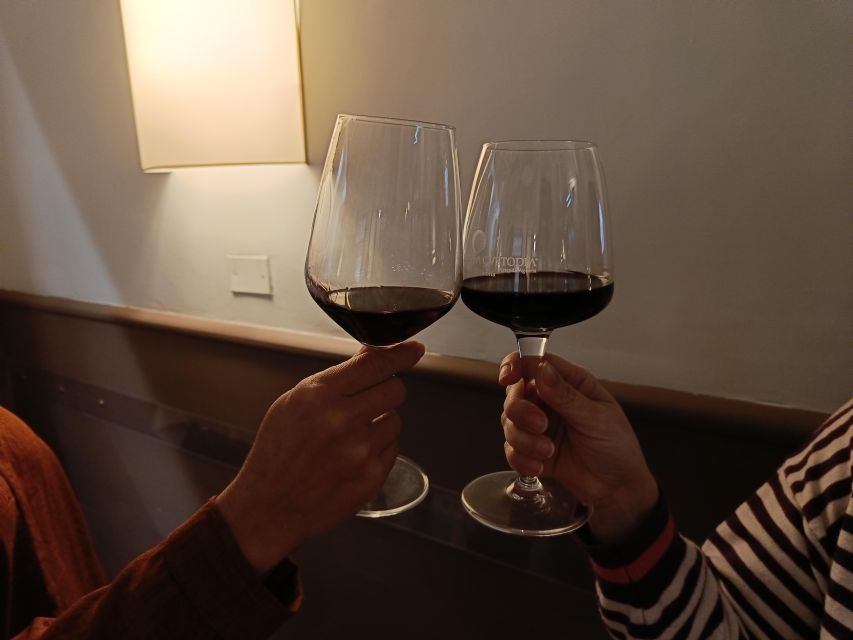
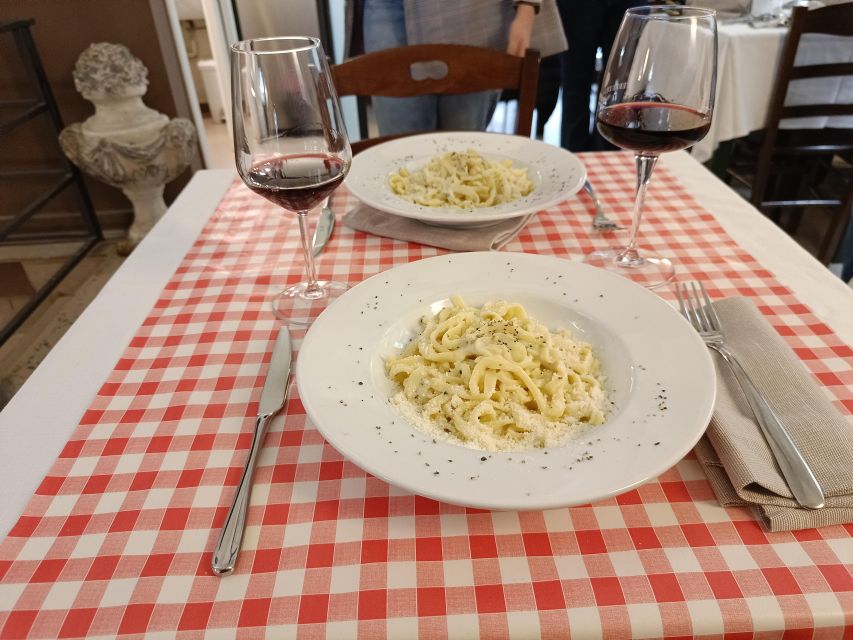
Your meal includes a simple sauce prepared for you alongside what you made. This is where the class connects technique to flavor logic. Roman cooking often leans on a few ingredients done well, and cacio e pepe is a great example.
Even if you’re not trying to recreate the exact restaurant timing at home, learning how this kind of sauce behaves helps you understand what fresh pasta is “for.” The point isn’t complicated. The point is balance—so you learn what to notice when you eat: saltiness, pepper heat, and how the sauce clings to the pasta.
You’ll also feel the contrast right away. Fresh tonnarelli has a different bite than dried pasta, so the sauce you’ve been thinking about suddenly makes more sense on your plate.
Tiramisu Workshop: Coffee-Soaked Dessert, Built with Confidence
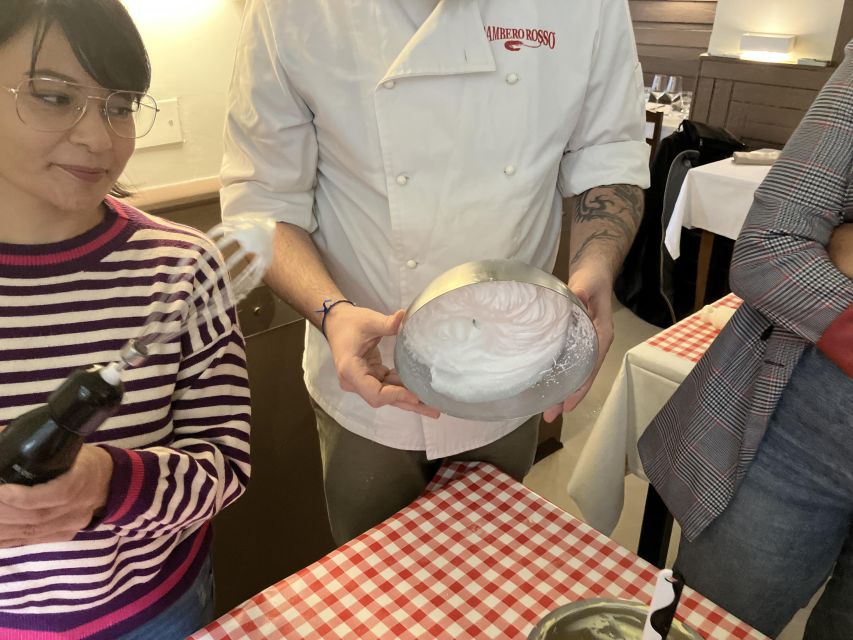
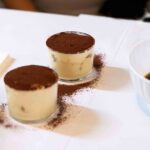
Then you switch gears to tiramisù. This part is deceptively fun: it looks classic, but it depends on technique and texture staying on track.
In the class, you’ll master the steps for crafting it from scratch—mixing, whipping, and assembling into a dessert that lands with the right creamy result. The instruction is designed so even people who’ve never made it can follow along and leave able to repeat it.
Why I think tiramisù is a smart thing to learn in Rome:
- It’s instantly recognizable, so you know you’re learning a real Italian staple.
- It’s a “wow” dessert. Even simple home versions taste impressive when you get the basics right.
- You get a built-in way to use what you learned during the pasta portion: timing and texture awareness.
At the end, you eat what you made in a friendly setting—this matters because tiramisù is one of those desserts where your first bite tells you if you did it right.



The Included Meal and Wine: Turning Work Into a Proper Dinner
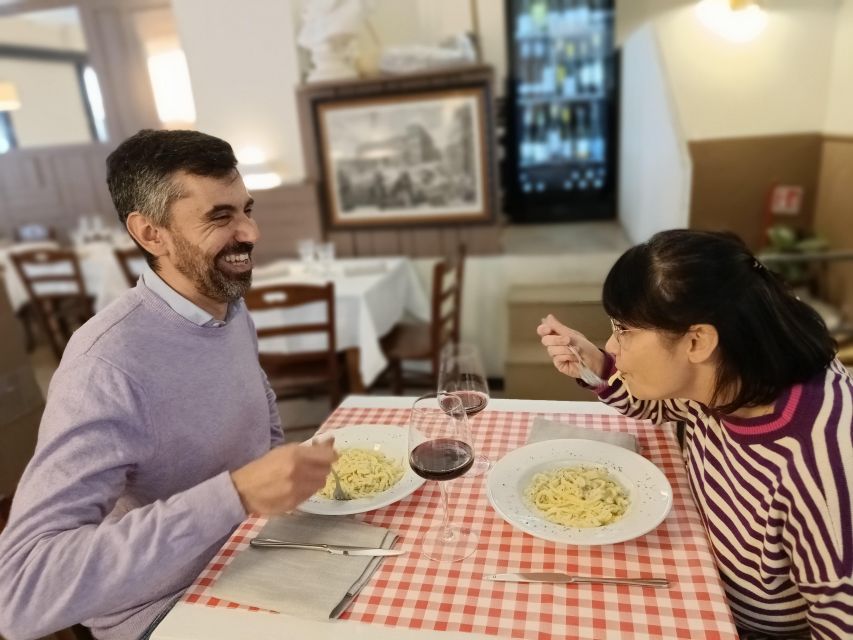
This class doesn’t end with a box of ingredients. You get to sit down and enjoy your homemade meal, plus a glass of wine included with the experience.
That wine part may sound small, but it changes the mood. You’re not rushing out right after the last bite of dough. You’re in a classic Roman rhythm: cook, eat, talk, and compare notes with the group.
And speaking of groups: several people note the guides are great at keeping beginners comfortable. Some describe sessions that felt almost one-on-one when group sizes were smaller, which is exactly what you want if you’re anxious about making mistakes.
Price and Value: Is $64 Worth It?
For $64 per person and about 2.5 hours, the value comes from what’s included, not just the headline price. You get:
- the instructor-led class
- all necessary ingredients and equipment
- a full meal
- a glass of wine
- recipes/techniques you can recreate later
Most cooking classes in Europe have a similar shape, but what makes this one feel like good value is the clear takeaway. You’re not only learning how to cook; you’re learning how to repeat. Pasta technique plus a dessert recipe is a strong “skills per hour” deal.
Also, the English instruction is a practical advantage. When you can ask questions and get answers in your own language, you lose less time guessing.
Who Should Book This (and Who Should Skip It)
This is best for you if:
- you want an authentic Roman flavor experience (tonnarelli and tiramisù are very Rome-friendly)
- you’re a beginner who wants patient coaching
- you like classes where you eat what you make, with wine afterward
- you want recipes to actually use at home, not just memories
It’s not a fit for everyone. The class is not suitable for:
- vegans
- people with gluten intolerance
- people with lactose intolerance
- people who are visually impaired
If any of those apply to you, it’s worth looking for a different class style that explicitly supports your needs. The information here is very direct about the limitations.
Tips to Make Your 2.5 Hours Go Smoothly
A few practical things will help you get the most from this class:
- Arrive on time and come hungry
You’ll work with your hands first, then sit down to eat. Rome makes it easy to forget the time.
- Pick your start time based on your meal plan
Some people choose the morning slot so they can eat what they made by lunchtime. If you want the dessert and pasta to be your main meal, that timing is perfect.
- Ask questions about dough thickness and cutting
Those are the places where home results usually improve the fastest. If you want to cook again later, focus on what your instructor says about texture and consistency.
- Treat tiramisù like a technique lesson
Don’t rush. It’s about keeping the cream right and assembling with care.
- Expect you won’t enter the back cooking room
That’s normal here for safety reasons. Don’t let it throw you—your work is still hands-on, and the final cooking/seasoning happens behind the scenes.
Should You Book This Rome Pasta and Tiramisu Class?
Yes, book it if you want a hands-on Rome food experience that gives you real technique and a full meal at the end. The tonnarelli portion teaches a traditional Roman skill, and the tiramisù lesson adds a dessert that feels impressive even when you’re starting from scratch. Add in the glass of wine and the fact that recipes are included, and it becomes more than a snack stop—it’s a practical souvenir you can repeat.
Skip it if you need vegan, gluten-free, or lactose-free options, or if you’re looking for a class that lets you freely enter every part of the kitchen. Also, if you’re not comfortable with the idea that some cooking/seasoning happens out of view for safety, know that upfront.
If you’re choosing one cooking activity in Rome and you care about making something you can recreate, this is a strong contender.