REVIEW · UBUD
Bali Ubud Paon Cooking Class
Book on Viator →Operated by Wandernesia · Bookable on Viator
Spices on your hands beat any souvenir. This Ubud cooking class pairs a local morning market with a hands-on session in a real Balinese home setting. It is a small group, so you actually get help while you learn how flavors come together.
I really like two things here: the traditional market stop, where you shop for ingredients and spices at the pace of locals, and the way the cooking teaching is set up for hands-on participation. You end up eating what you make, which makes the lessons stick. You will also see dishes like banana-leaf fish and minced chicken satay on the menu, so it is not just theory.
One consideration: the market visit is only for the morning session, so if you book an afternoon slot, you will skip that ingredient hunt. Also, changes are not allowed and refunds are not offered after booking, so pick your dates carefully.
In This Review
- Key things to know before you go
- The morning market in Ubud: where the flavors start
- Paon Bali’s class format: small group, real instruction, good flow
- What you’ll cook: banana-leaf fish and satay techniques that travel well
- Lunch is part of the lesson, not just a refill
- Hotel pickup and timing: how to fit this into your Ubud day
- Price and value: what $44 really covers in Ubud
- Who should book this class, and who should think twice
- Should you book Paon Bali Cooking Class in Ubud?
- FAQ
- How long is the Bali Ubud Paon cooking class?
- Is hotel pickup included?
- Does the tour include a market visit?
- What’s included in the price?
- Can I cancel or change my booking after reserving?
- How large is the group?
Key things to know before you go
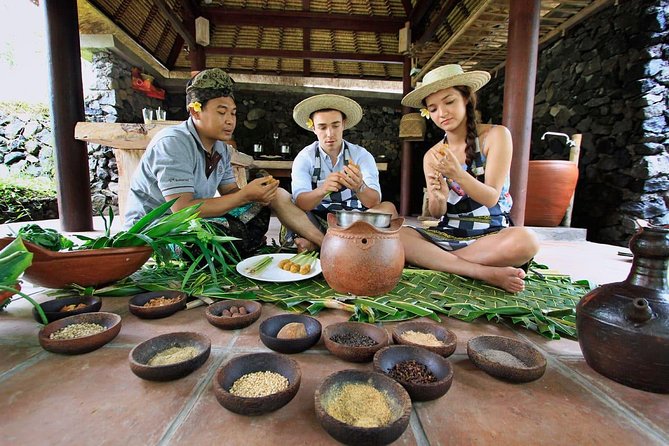
- Morning market ingredient shopping: you start with a traditional market run for fresh, local inputs
- Max 15 travelers: small-group size means more attention and easier participation
- Learn the spice logic: you get taught techniques and what spices are doing in the dish
- Cook in a home setting: the class happens in a beautiful place with forest views
- Lunch included: you eat the fruits of your work, not a quick snack
The morning market in Ubud: where the flavors start
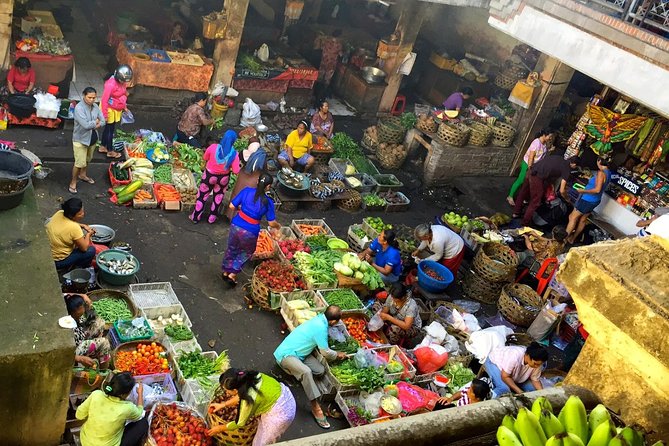
If you want your cooking class to feel real, you need to start where Balinese cooks start: the market. In the morning session, you visit the Ubud traditional market first, and that changes everything. You learn what produce is in season, how spices are used, and what ingredients are worth buying because they actually show up in everyday cooking.
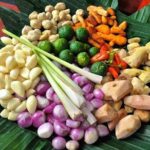
A market stop also helps you shop smarter back home. You might spot spices that are hard to find in the US, and the class context makes it easier to understand what to do with them when you get them later. Even if you only buy a few spice staples, you come away with a practical memory, not just photos.
Do note the timing: if you book an afternoon session, you will miss the market part. The cooking still happens, but you will lose that ingredient-understanding piece that makes the whole experience feel grounded.
You can also read our reviews of more tours and experiences in Ubud.

Paon Bali’s class format: small group, real instruction, good flow
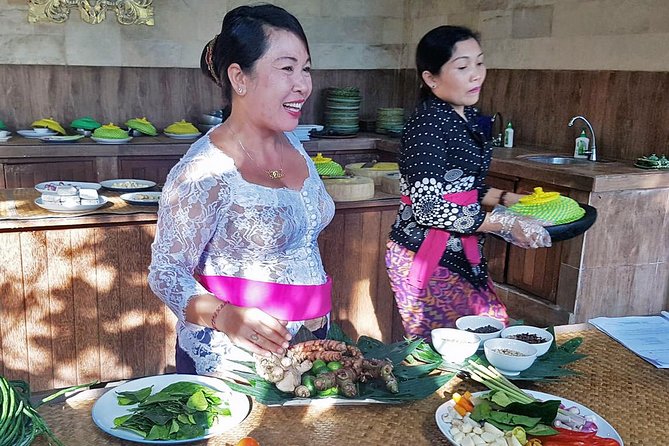
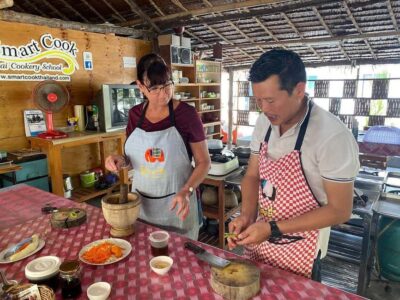
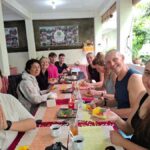
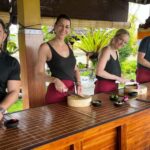
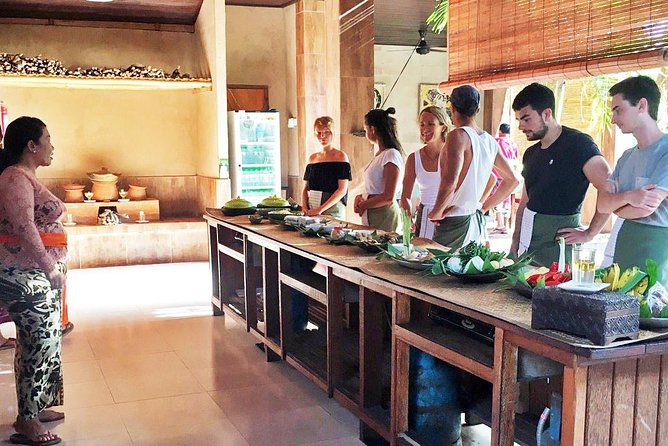
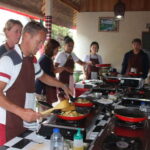
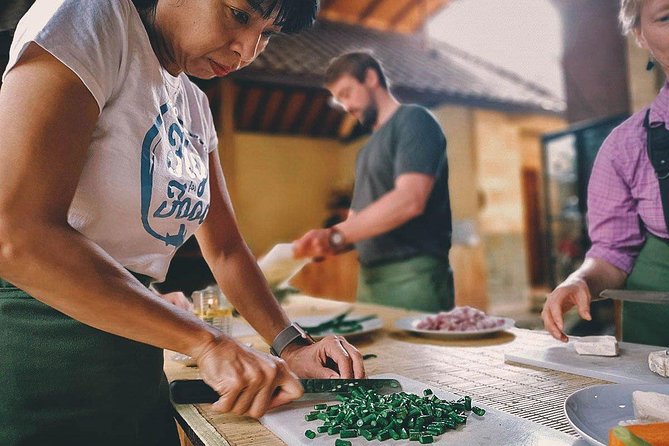
This is a small-group cooking class with a maximum of 15 travelers. That size matters. In a group this small, you are not stuck waiting your turn while someone else does all the cooking. You get room to participate, ask questions, and actually learn the steps that make Balinese food taste like Balinese food.
The class is taught by a professional Balinese cook, with support from additional staff to keep things moving. One thing I like about this kind of setup is the balance: you get structure (so the dishes come out), but you also get the freedom to participate instead of watching the whole time.
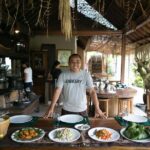
The location is also a big part of the value. People describe the space as stunning, with views of the forest, and that matters more than you might think. Cooking classes can feel cramped or warehouse-like. Here, the setting helps you relax, so you absorb instructions better and enjoy the process more.
You will also receive a cooking class certificate, which is a fun extra if you like proof of learning. It will not make your satay taste better, but it does give the experience a clean ending.
What you’ll cook: banana-leaf fish and satay techniques that travel well
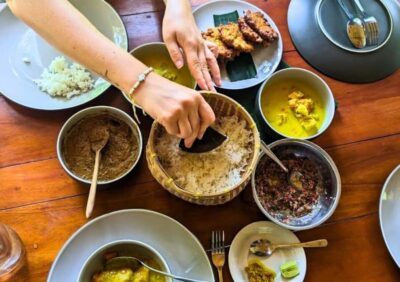
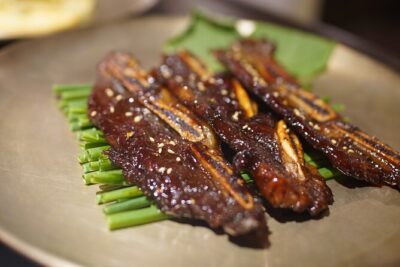
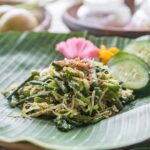
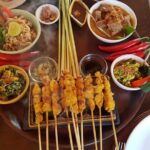
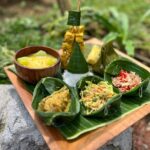
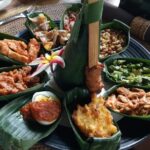
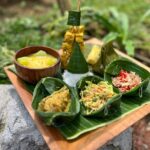
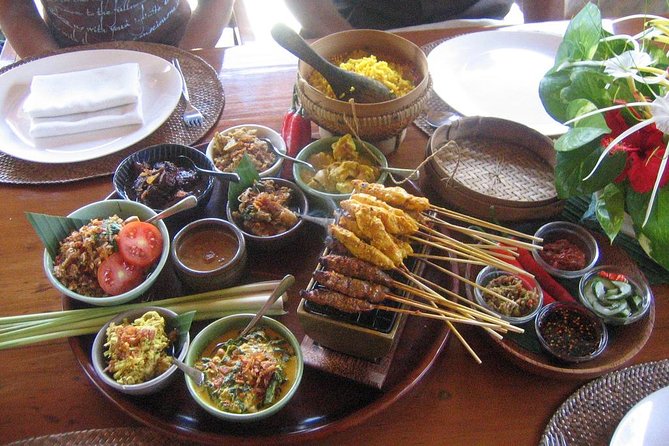
The class is built around Balinese cuisine, and you are not stuck with bland “tourist-friendly” versions. The food you make includes dishes such as banana-leaf fish and minced chicken satay. These are great picks because they teach flavor building blocks: spice mix work, seasoning balance, and the idea that aroma and texture are half the meal.
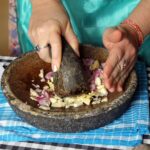
What makes this class useful is how it approaches cooking as a set of choices, not a single recipe. You will learn about spices and techniques, so the goal is that you can recreate the flavors later, not just follow a one-off instruction sheet. That is especially important if you are an amateur cook who wants results without guessing.
Also, you will likely have opportunities to participate in the prep. Multiple dishes means you get more than one taste-and-learn moment. In other words, you are not just making one thing and calling it done.
If you are the type who likes to eat and cook during the same day, this class matches your rhythm: shop for ingredients, then turn them into recognizable Balinese dishes.
Lunch is part of the lesson, not just a refill
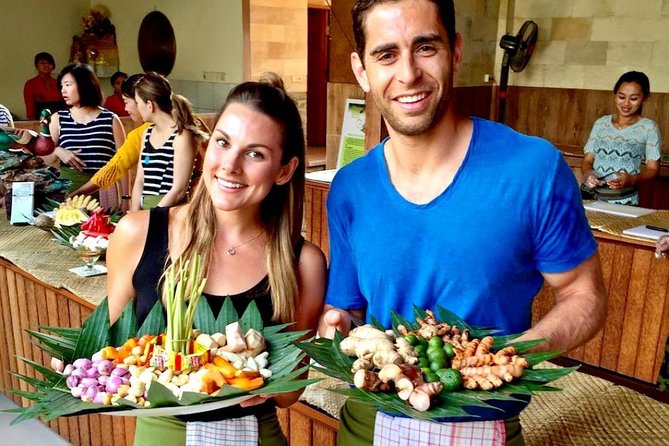
Lunch is included, and that is a smart design. You cook, you eat what you made, and then the flavors stop being abstract. It becomes easier to remember what you did for each step because you can connect action to result right away.
You will likely taste multiple dishes made during the session. Eating in a home setting also changes the feeling. Instead of grabbing food and running off to sightsee, you sit with your meal long enough to notice how the seasoning works together.
If you care about recreating Balinese food later, this is a big deal. Once you taste how banana leaf changes aroma or how satay seasoning behaves, your cooking notes stop being random and start being useful.
Hotel pickup and timing: how to fit this into your Ubud day
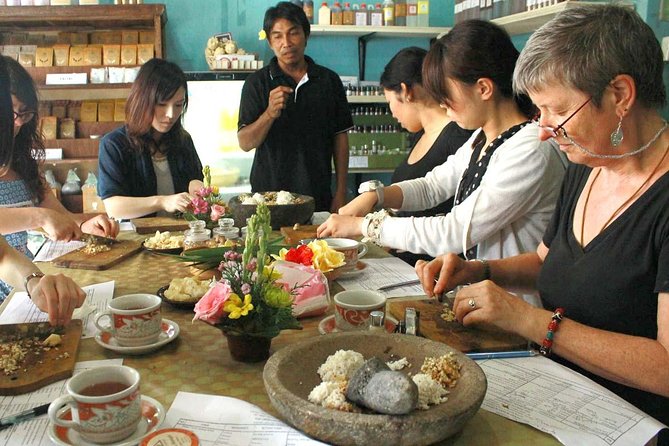
This experience runs about 5 hours. For many people in Ubud, that is an ideal length: long enough to learn and cook several dishes, not so long that it eats your whole day.
Pickup is included within the Ubud area. If you are staying in a rental, you choose your nearest hotel for pickup. In practice, this removes one of the biggest friction points with cooking classes, especially in Ubud where traffic and short hops can eat time.
You also get a mobile ticket and confirmation is typically sent within 48 hours of booking, based on availability. Booking ahead helps because this activity can sell out; on average, it is booked about 18 days in advance.
One more scheduling note: the market stop is only in the morning session. If you want the full flavor education that starts with ingredient shopping, pick the morning option. If you are short on time or already plan to do markets later, the afternoon session still delivers the cooking and lunch, just without that first step.

Price and value: what $44 really covers in Ubud
At $44 per person, you are paying for more than a basic class. Your price includes:
- A cooking class with hands-on instruction
- Lunch
- A traditional market visit for the morning session
- Hotel transfer services within Ubud
- A cooking class certificate
- A small-group setup (max 15 travelers)
When you break it down, the value comes from the package. Market + cooking + lunch + local transfers is a lot for a single, half-day activity, and it is exactly why this is popular. The class is also focused on specific Balinese dishes, including items you will want to understand if you want to cook similar food later.
If you compare this to a private cooking lesson, you get less one-on-one time, but you pay far less. If you compare it to a food tour, you get actual cooking practice instead of just tasting and walking away.
My practical tip: if you are even a little curious about recreating flavors at home, this class is a better use of money than buying a few spice jars and hoping you can figure out the rest. The lesson turns ingredients into outcomes.
Who should book this class, and who should think twice
This works best for you if:
- You want a cooking class that feels like learning, not just eating
- You like small groups and getting hands-on help
- You want to shop for spices in a real Ubud market setting
- You plan to cook at home and want guidance on techniques and flavor logic
It can be less ideal if:
- You cannot do a morning schedule and want the market stop
- You need flexible plans, because bookings are non-refundable and cannot be changed
- You dislike group activities and prefer fully private experiences
In terms of vibe, the class seems designed to be friendly and organized, with instructors described as warm and supportive. The forest-view setting and the home-kitchen feel also point to a relaxed, enjoyable atmosphere.
Should you book Paon Bali Cooking Class in Ubud?
I think you should book this if you want a Balinese food experience with real structure: market first, cooking second, lunch that seals the learning. The small-group size, the home setting, and the specific dishes like banana-leaf fish and minced chicken satay make it more than a generic cooking demo.
Book it especially if you are the type who likes to bring something back that you can actually use at home. The market ingredient context plus the hands-on steps are what help recipes make sense later.
Just do one thing before you hit confirm: choose the morning session if you care about the full ingredient-shopping experience. If afternoons are your only option, you will still cook and eat well—you will just skip the market education that makes the class feel extra complete.
FAQ
How long is the Bali Ubud Paon cooking class?
The experience runs about 5 hours.
Is hotel pickup included?
Yes, hotel transfer services are included within the Ubud area only.
Does the tour include a market visit?
It does for the morning session only. The traditional market stop is part of that morning format.
What’s included in the price?
The included items are the (morning) traditional market visit, lunch, a cooking class certificate, and hotel transfer services within Ubud. Tips and anything not listed as included are not covered.
Can I cancel or change my booking after reserving?
No. This experience is non-refundable and cannot be changed for any reason.
How large is the group?
The tour/activity has a maximum of 15 travelers.