REVIEW · ISTANBUL
Traditional Home Cooking with a Local in İstanbul Center
Book on GetYourGuide →Operated by Lokal Bond · Bookable on GetYourGuide
Dinner starts in the market. This small-group Turkish home-cooking experience in Kurtuluş gets you shopping like locals first, then turning those same ingredients into dinner. I especially like the street-level feel: spice shops, bakeries, and the kinds of everyday stores you’d never notice from a bus.
Back at the apartment kitchen, I like that hands-on cooking is paced for real beginners, with step-by-step guidance as you make dishes that may include börek, dolma, and a table of mezes. There is one big consideration: a friendly dog comes along and stays with you during the experience, so if that’s a deal-breaker (allergies, fear, etc.), message ahead.
In This Review
- Key Things That Make This Istanbul Cooking Evening Worth It
- Why Kurtuluş Markets Are the Real Start of Turkish Cooking
- Meeting at Ramada Plaza Otel: Get in, then forget the hassle
- The Kurtuluş Shop Walk: Spices, bakery smells, and pickle history
- Cooking in a Cozy Istanbul Home Kitchen (What you might actually make)
- The Meal and the Conversation: Tea, Turkish coffee, and a real table
- Price and Value: Why $120 Can Make Sense Here
- Dietary Needs and the Dog Factor: Plan for comfort
- Who This Istanbul Home-Cooking Experience Fits Best
- Should You Book This Turkish Home-Cooking Class?
- FAQ
- How long is the cooking experience?
- What is the group size?
- Where do we meet?
- How do I get there by public transport?
- What languages are offered?
- What will we cook?
- Is it okay if I’m not an experienced cook?
- Is dinner included?
- Are market purchases included in the price?
- Is there a dog during the experience?
Key Things That Make This Istanbul Cooking Evening Worth It
- Kurtuluş market shopping for the stuff Turkish kitchens actually use (spices, bakery items, pickles, and more)
- A small group capped at 5 with instruction in English and Turkish
- Beginner-friendly cooking where you learn technique, not just recipes
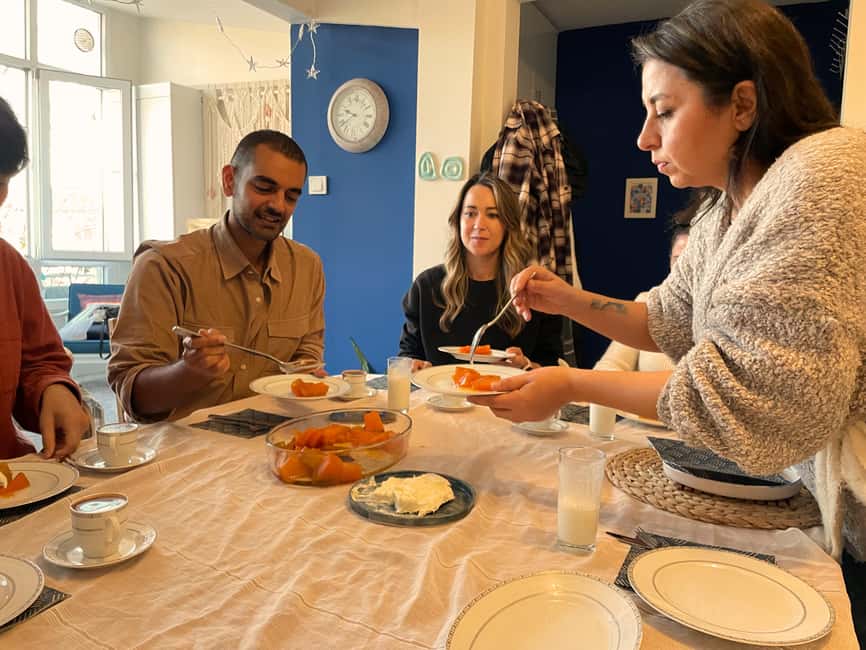
- A full home meal with tea, Turkish coffee, and Turkish dessert
- Real conversation at the table, not stiff “classroom” vibes
Why Kurtuluş Markets Are the Real Start of Turkish Cooking
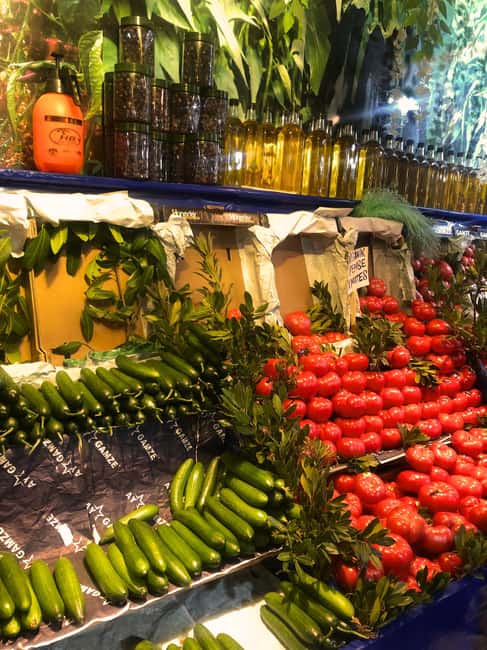
If you’ve only had Turkish food in restaurants, you might not realize how much of the flavor comes from the shopping. Here, you start in Kurtuluş, a neighborhood where family-run shops still matter more than big tourist signs. You walk, you look, and you get a local’s logic for what to buy and why.
One stop you’ll likely make is a spice shop where you can pick up staples like sumac. It’s the kind of ingredient that can seem mysterious on a restaurant table, but in a real market you see the colors, the textures, and the practical uses. You’ll also run into places focused on bread and bakery items, and even specialty shops selling things like pickled goods that show up constantly in everyday Turkish meals.
This is also where the experience becomes cultural in a simple way. People greet the host in the street, shopkeepers recognize her, and you feel Istanbul as daily life instead of a checklist. You’ll taste along the route, chat about what you’re seeing, and learn how Turks build meals around fresh produce, pantry staples, and the right balance of sour, savory, and herby flavors.
The payoff: when you get to the kitchen, you don’t just cook food. You cook with context. That makes the dishes easier to remember—and easier to recreate later.
You can also read our reviews of more tours and experiences in Istanbul.
Meeting at Ramada Plaza Otel: Get in, then forget the hassle
Istanbul traffic can be chaotic, so I like experiences that start with a clear meeting point near transit. You meet at Ramada Plaza Otel in Istanbul, right in front of the hotel.
If you’re coming from Old Town (Sultanahmet, Hagia Sophia area), the suggested route is:
- Take tram T1 to Laleli–İstanbul Ü.
- Walk toward the Vezneciler area where you can connect to M2 metro
- Take the metro to Osmanbey
If you’re coming from Taksim:
- Take M2 to Osmanbey
And when you get off at Osmanbey station, use the Dolapdere / Pangaltı exit. It’s the kind of detail that saves time and stress, especially when you’re arriving with your day half-planned.
Once you’re there, the evening flows. You’re not sprinting across the city at the mercy of taxis or luck. You’re walking through the neighborhood at a pace that makes the cooking part actually enjoyable.
The Kurtuluş Shop Walk: Spices, bakery smells, and pickle history
The market portion works because it’s structured but not rigid. You’re not just following a guide—you’re learning how ingredient choices reflect local tastes.
Expect stops that cover:
- Spices and seasonings (sumac is a common example)
- Bakeries where you can literally smell what you’re about to eat
- Pickle and preserved-food shops, which matter a lot in Turkish meals
- Additional neighborhood stores for produce and other essentials
What I find useful here is how the host treats ingredients like characters in a story. Some spices are for tang and brightness. Some breads change the texture of a snack. Pickles bring balance when you’re eating rich or warm dishes. You get an explanation for what you’re tasting, not just a random sample cup handed to you.
You also learn shopping habits that are hard to copy from a cookbook. For example, you might hear which stores locals rely on for specific items, and how shopkeepers respond when you ask for something simple but exact. It’s small, but it’s the difference between cooking Turkish food once and cooking it with confidence.
And don’t underestimate the conversations. Even if you stay quiet, the neighborhood chatter and constant friendly greetings show you how social food culture is in Istanbul.
Cooking in a Cozy Istanbul Home Kitchen (What you might actually make)
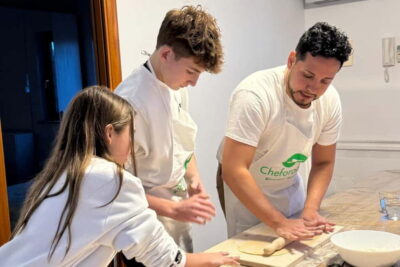
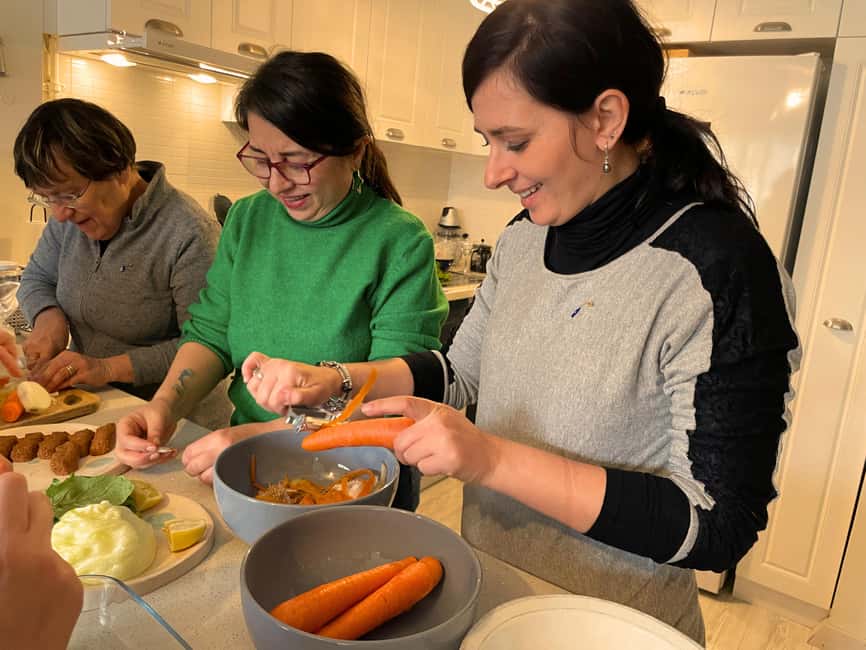
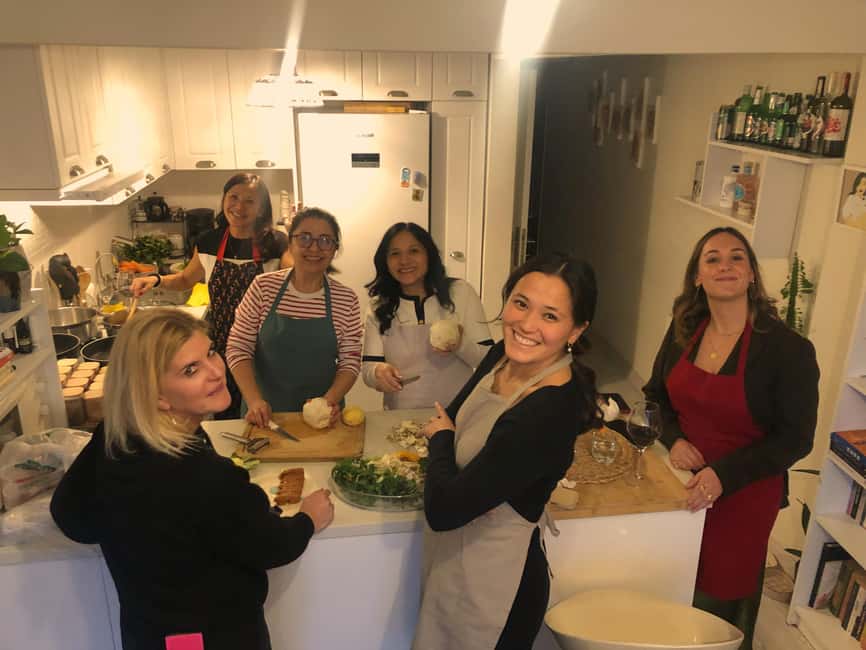
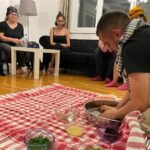
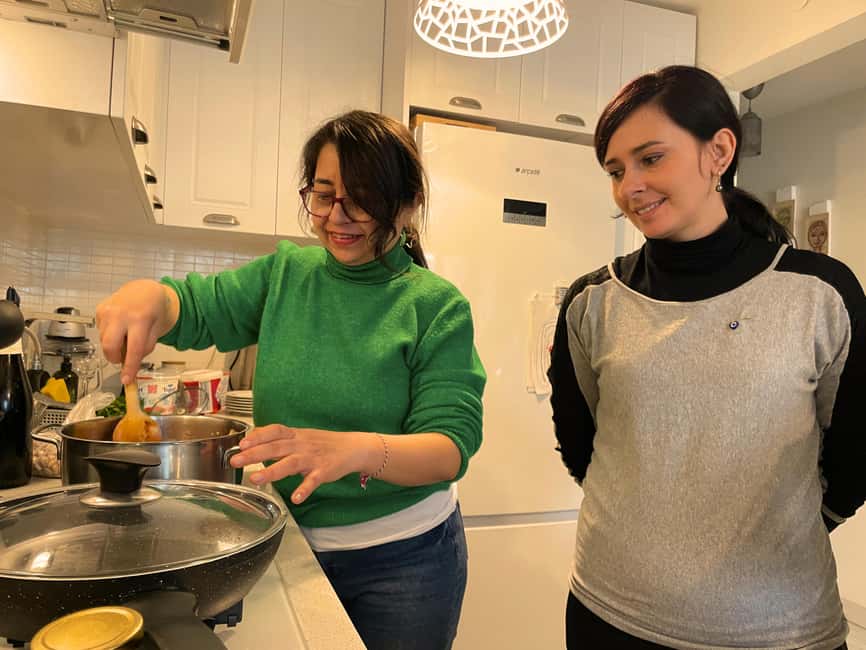
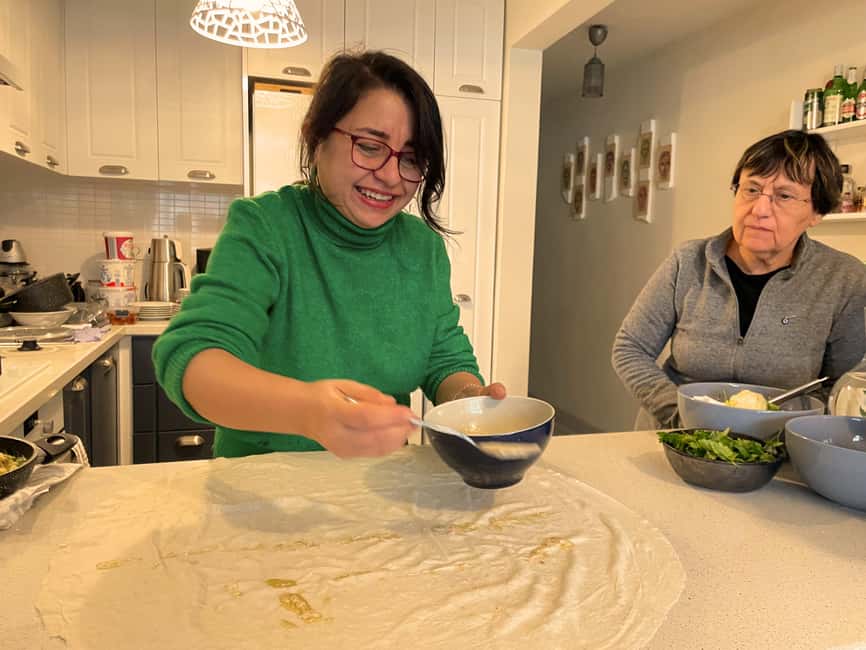
This is the heart of the evening: cooking together in a real home, not a demo station. The home kitchen is set up so everyone can participate, and the host guides you step by step.
The exact menu can change with the season and what inspires the shopping route, but many evenings include dishes such as:
- Börek (often a highlight for first-timers)
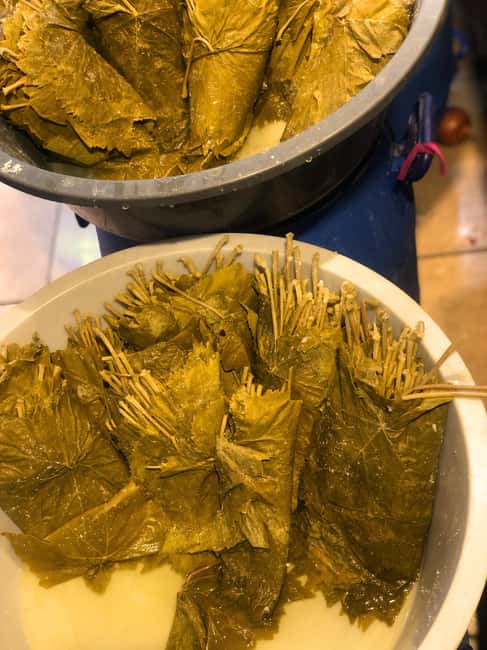
- Dolma and stuffed vegetable styles (depending on what’s available)
- A spread of mezes and fresh salads that make the meal feel big even when dishes are manageable
I like that the teaching stays practical. You’re not expected to already know Turkish techniques. The pacing is slow enough for questions, and the cooking setup is designed for small-group participation. That matters because in a class of 20, you’d lose time waiting. Here, you get hands-on time.
A helpful detail from past experiences: the meal often includes a starter and then a fuller main course, plus dessert. In other words, you usually don’t end up eating a few bites and calling it a day. You learn, cook, and then sit down to the kind of dinner Turks actually share at home.
You may also learn technique that transfers well beyond one recipe—like how fillings behave, how to manage layers, or how seasoning should taste before final cooking. That’s the secret sauce behind why people leave saying they can make it again at home.
The Meal and the Conversation: Tea, Turkish coffee, and a real table
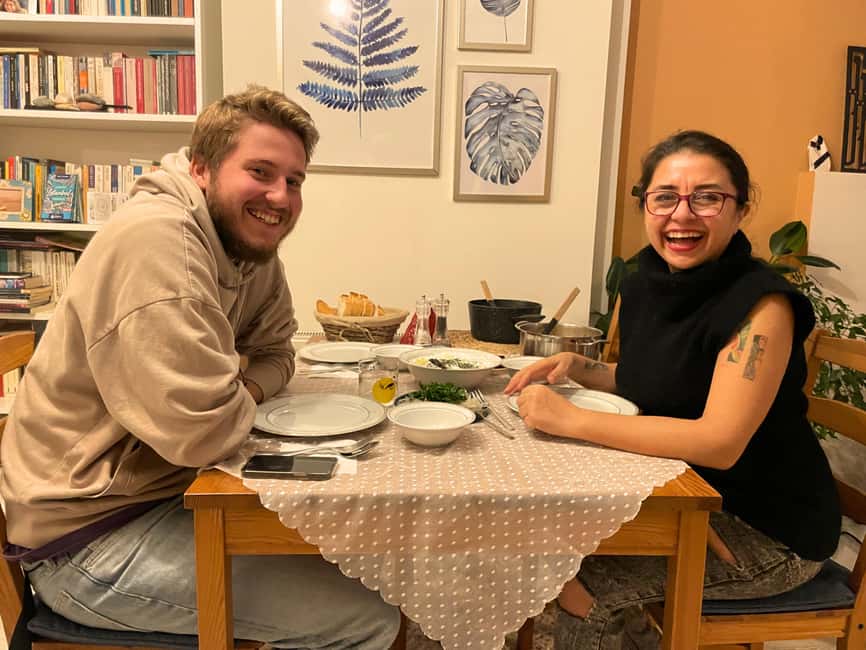
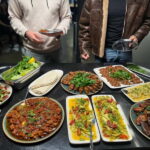
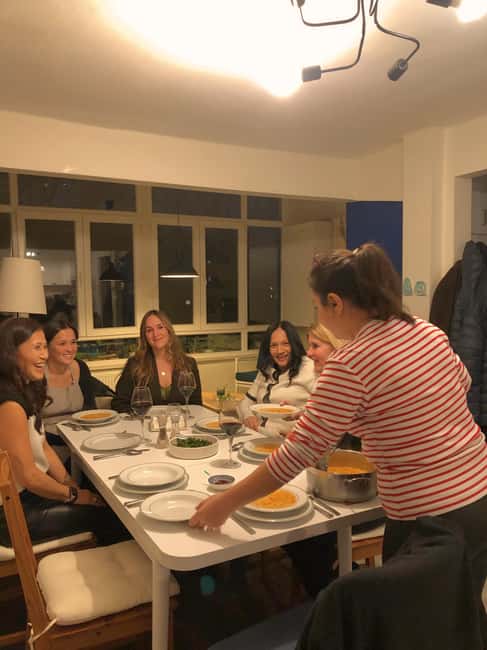
After the cooking, you sit together and eat. This is not one of those experiences where you cook alone and the host vanishes into the kitchen. You share the same meal you just made, and the atmosphere stays relaxed.
Included drinks usually include tea and Turkish coffee, plus a Turkish dessert. Dessert can vary, and past menus have included options like semolina-based sweets, fig-style desserts, and other traditional choices depending on the season.
What makes the table feel meaningful is the conversation. People tend to talk about food habits, daily life, family traditions, and the small choices that shape Turkish meals. You’ll learn that Turkish cooking isn’t about chasing complicated steps. It’s about comfort, balance, and using ingredients at their best.
If you’re traveling solo, this part matters even more. A small group, a shared task, and then a shared meal create easy conversation with less awkwardness than many tours.
And yes, you’ll leave full. Not restaurant-full, either—home-cooked full, where you can taste every component and understand why it belongs on the plate.
Price and Value: Why $120 Can Make Sense Here
At $120 per person for a 4-hour small-group class, this isn’t a budget activity. But it also isn’t a “light snack and a demo” experience.
Here’s where the value comes from:
- Local market tour that leads directly into your cooking
- Cooking materials and ingredients included in the price
- Dinner included, plus tea, Turkish coffee, and authentic Turkish dessert
- Small group size (limited to 5 participants), meaning more actual time with the host
Also, you’re paying for something harder to quantify than food: access to a home and a neighborhood perspective. The route through Kurtuluş isn’t random—it’s tied to how the host shops and cooks.
The main cost caveat is simple: what you buy for yourself at the market isn’t included. If you love spices and want to stock up, plan extra spending. Alcohol isn’t included either, so don’t expect drinks beyond tea, Turkish coffee, and what’s part of the meal.
For me, the price feels fair when you want more than recipes. If you want shopping habits, ingredient context, and a full cultural dinner in a small group, this checks a lot of boxes.
Dietary Needs and the Dog Factor: Plan for comfort
The host says dietary restrictions can be accommodated if you let her know ahead of time. That’s important, because Turkish meals can easily include common ingredients that might need swapping depending on your needs.
One practical note: the experience includes a friendly dog in the home throughout the evening. It’s described as gentle and used to being around guests, but you still should treat it as a real factor. If you’re allergic, uncomfortable with dogs, or just prefer not to be around them indoors, message ahead so everyone can feel at ease.
This isn’t something you want to discover on the day. A quick heads-up saves stress and helps the host plan around your comfort.
Who This Istanbul Home-Cooking Experience Fits Best
This is a strong choice if you’re a food lover who wants more than a restaurant tasting. You’ll get:
- A neighborhood market walk in Kurtuluş
- Hands-on cooking time in an apartment kitchen
- A full shared dinner with conversation
It’s also a good fit if you like meeting small numbers of people. With a group size capped at 5, the vibe tends to be chatty and relaxed rather than performative. People often leave with recipes, yes, but also with that feeling that they understand what Turks eat on a normal day.
Where it’s less ideal:
- If you strongly dislike being around dogs
- If you want a fully scripted experience with a fixed menu, regardless of season and market inspiration
Should You Book This Turkish Home-Cooking Class?
I think you should book it if you want a real Istanbul dinner with context, not a generic cooking lesson. The combination of Kurtuluş market shopping, hands-on home cooking, and the included meal (tea, Turkish coffee, and dessert) is a smart way to spend 4 hours.
Choose this especially early in your trip. Once you understand Turkish ingredient logic—spices like sumac, the role of pickles, and why breads and produce matter—you’ll start spotting better flavors everywhere else in Istanbul.
Before you go, send a note about dietary needs if relevant, and if dogs are an issue for you, communicate that early. If you’re comfortable with a friendly dog and you’re up for a walking-and-cooking evening, this one is likely to become one of your Istanbul memories.
FAQ
How long is the cooking experience?
It lasts 4 hours.
What is the group size?
It’s a small group limited to 5 participants.
Where do we meet?
You meet in front of Ramada Plaza Otel.
How do I get there by public transport?
From Old Town, you can take tram T1 to Laleli–İstanbul Ü., then connect toward M2 at Vezneciler and take the metro to Osmanbey. From Taksim, you can take M2 to Osmanbey. Use the Dolapdere / Pangaltı exit.
What languages are offered?
The instructor works in English and Turkish.
What will we cook?
The dishes depend on the season and what inspires the market shopping, but it may include Turkish favorites like börek and dolma.
Is it okay if I’m not an experienced cook?
Yes. The host guides you through every step and takes it slow.
Is dinner included?
Yes. Dinner is included, along with tea, Turkish coffee, and authentic Turkish dessert.
Are market purchases included in the price?
No. Things you buy for yourself during the market tour are not included.
Is there a dog during the experience?
Yes. The host has a friendly dog and it stays with the group throughout. Let the host know if you have concerns or allergies ahead of time.