REVIEW · ANKARA
Turkish Cuisine Cooking Class at Local Home with Family
Book on Viator →Operated by Lokal Bond · Bookable on Viator
Anatolian dinner at someone’s table beats sightseeing. This Ankara Turkish cooking class puts you in the kitchen with Sercan and his family, not just outside looking in. I especially liked the hands-on cooking (you’re not watching from the sidelines) and the easy, friendly conversation at home. The only downside: it’s a real food-focused evening, so if you want a quick, purely sightseeing style tour, this may feel too kitchen-centered.
You’ll make classic dishes such as lahmacun plus comfort-food sides, and the meal ends with Turkish tea or ayran. The class runs in English and keeps the group small (max 6), which makes it feel personal. Plan on a cozy, intimate format rather than a big, scheduled production.
In This Review
- Local Home Start: 5:30 pm in Central Ankara (Small Group, Real Atmosphere)
- From Anıtkabir to the Dinner Table: How the Evening Actually Flows
- What You’ll Cook: Lahmacun, Hünkar Beğendi, Karnıyarık, and a Full Menu
- Your likely starters and sides
- The star dish: lahmacun
- Other dishes you might learn
- A bonus dish that’s shown up in past menus
- Learning Food Culture Through Stories, Not Lectures
- The Meal: Tea or Ayran, Plus Dessert and Coffee Moments
- Price and Value: Is $70 Worth It for 3 Hours?
- Who This Cooking Class Fits Best (And Who Should Think Twice)
- Practical Tips for a Smoother, Better Evening
- Should You Book This Ankara Cooking Class?
- FAQ
- FAQ
- What time does this cooking class start in Ankara?
- How long is the experience?
- Where do I meet Sercan and the group?
- What’s the group size limit?
- Is the class offered in English?
- How much does it cost?
- What kinds of dishes will I cook?
- Do I get to eat during the class?
- How far in advance should I book?
- What is the cancellation policy?
Local Home Start: 5:30 pm in Central Ankara (Small Group, Real Atmosphere)
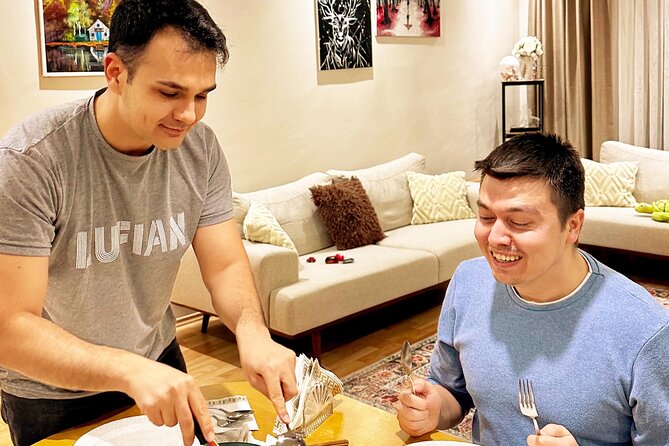
The experience starts at 5:30 pm at Dayanışma Caddesi in Çankaya, Ankara. It ends back at the meeting point, so you’re not stuck figuring out late-night transport after dinner. With a maximum of 6 travelers, the pace is relaxed enough for questions and real back-and-forth with your host.
The price is $70 per person for about 3 hours. That cost makes more sense here than in many sightseeing tours because the time is centered on cooking, eating, and learning—plus you get to sit down together at the end. Also, since it’s offered in English, you won’t need to puzzle out what you’re doing or what people are saying while you cook.
One practical note: the meeting point is described as near public transportation. That matters in Ankara, where getting from one end of the city to the other can be time-consuming if you rely on taxis only.
From Anıtkabir to the Dinner Table: How the Evening Actually Flows
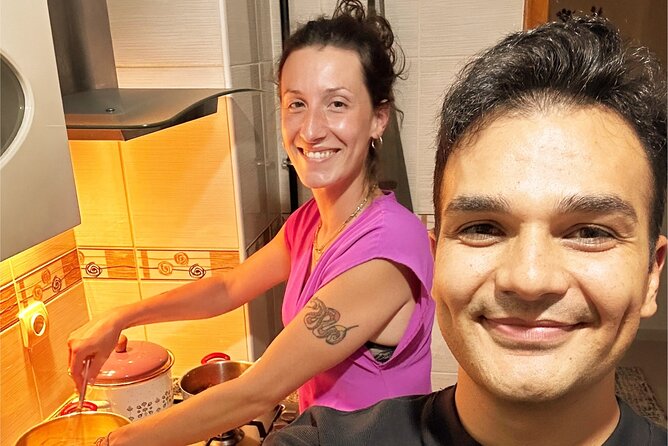
This experience includes a stop at Anıtkabir, then continues into Ankara for the cooking portion. That matters because you’re combining two different kinds of travel satisfaction: a major landmark stop, followed by a personal home experience that feels very different in mood.
After you’re done with that initial segment, you shift gears to food. The cooking part is the heart of the evening, so try to treat the early stop as your warm-up, not the main event. Once you’re in the kitchen, you’ll spend most of your time preparing dishes, learning techniques, and getting your hands involved.
Also, the timing is built for evening appetite. A 5:30 pm start means you’ll likely be hungry when you arrive, which makes everything you cook feel more rewarding when you sit down to eat.
What You’ll Cook: Lahmacun, Hünkar Beğendi, Karnıyarık, and a Full Menu
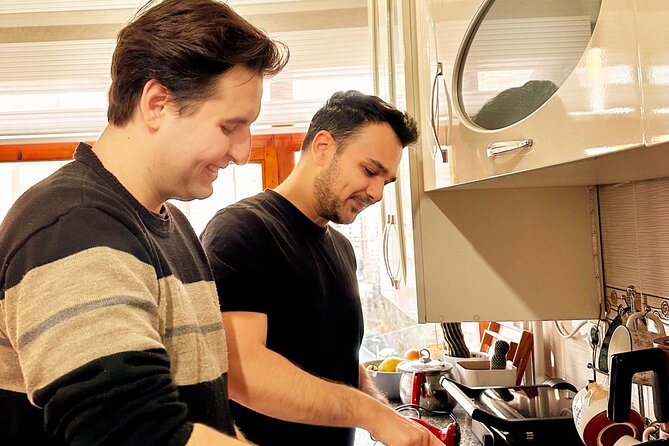
The class is built around classic Turkish recipes you’d actually see at home, using fresh, locally sourced ingredients. Based on the menu examples and what’s been taught during past sessions, you can expect a mix of warm starters and hearty mains.
Your likely starters and sides
You may cook lentil soup, a comforting dish made with red lentils, onions, and carrots. It’s a great first step because it sets you up with basic flavor-building techniques without being overly complicated.
You’ll also make something described as a cold dish in the sample menu. Cold salads and mezze-style sides are part of everyday Turkish table life, and they help round out the meal so it’s not only about heavy mains.
The star dish: lahmacun
You’ll cook lahmacun, the thin, crispy flatbread topped with a spiced ground meat mixture. If you’ve never had lahmacun, think of it as a snack-sized meal: savory, crisp, and very satisfying. If you have, you’ll appreciate learning the balance of topping flavors and how thin dough and heat work together.
Other dishes you might learn
The experience description specifically points to classics like:
- Hünkar beğendi (slow-cooked lamb over creamy eggplant purée)
- Karnıyarık (stuffed eggplant with minced meat and spices)
You might not cook every one of these in a single session, but they’re part of the teaching focus. That’s useful because it tells you the class isn’t stuck on only one dish; it’s aimed at giving you a broader taste of Turkish home cooking.
A bonus dish that’s shown up in past menus
In one full session, a past menu included Eksili Pilav—beef with broken chickpeas and saffron, served with a tangy sauce. That kind of dish is exactly the point of this format: you learn regional or family-table cooking styles, not just generic tourist food.
Learning Food Culture Through Stories, Not Lectures
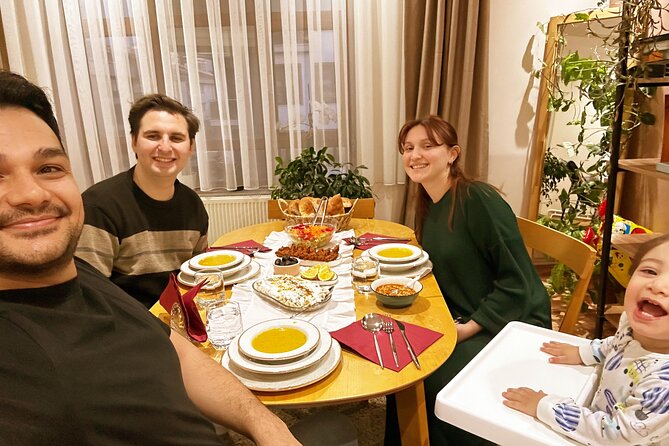
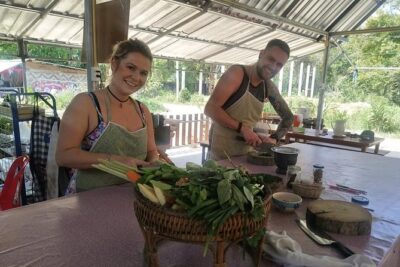
Food classes can turn into a strict recipe workshop. This one feels different because Sercan shares stories while you cook. The idea is simple: as you chop, mix, and assemble, you also hear how Turkish people talk about food, daily life, and family routines.
What I like about that approach is how it makes technique stick. When you understand why something is cooked a certain way, you’re more likely to remember the steps later. And when you hear how dishes fit into a normal household rhythm, the food feels less like a performance and more like lived culture.
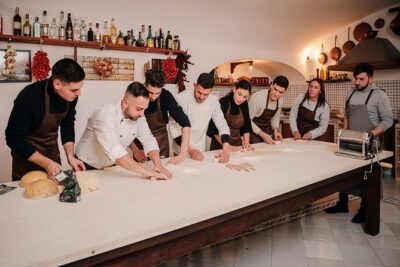
It also helps that the setting is intimate. With a group capped at six, you’re not just a body in an assembly line. Conversations happen naturally, and you can ask questions without waiting your turn for the host to finish a demo.
One extra touch that has come up in past sessions: Turkish tea reading, done with tealeaves. If you like small rituals, this is the kind of moment that turns a cooking class into a real memory.
The Meal: Tea or Ayran, Plus Dessert and Coffee Moments
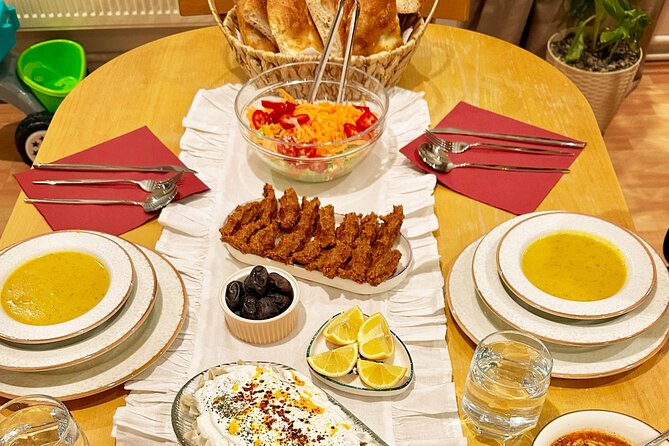
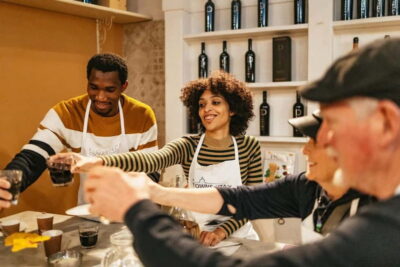
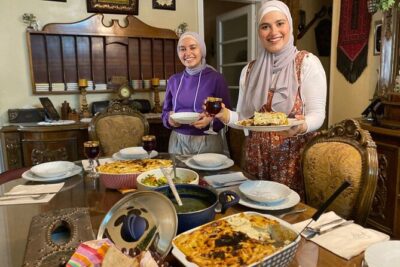
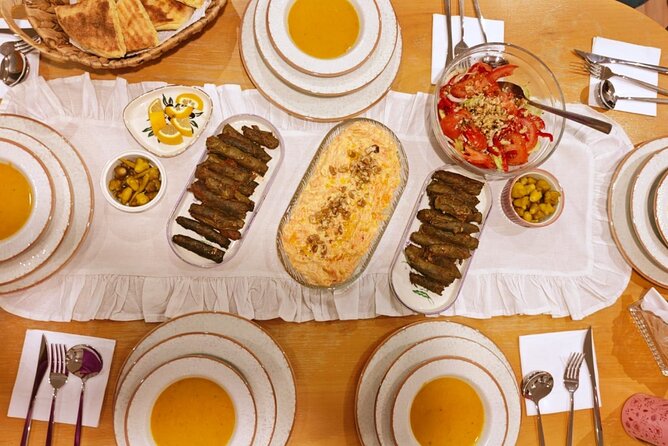
The class ends with the meal you create, served with Turkish tea or ayran. That’s an important detail: you’re not paying for a cooking experience and then eating later somewhere else. You get to sit down and taste what you made at home, in the same evening.
A typical sample menu includes:
- starter: lentil soup
- main: lahmacun
- another course: a cold dish
- dessert: Turkish dessert
In at least one session, dessert and drinks went further, with homemade helva and Turkish coffee. You should treat that as a sign of the spirit of the table rather than a guarantee of identical items every time. The consistent part is that tea/ayran is part of the wrap-up, and dessert fits the pace.
Price and Value: Is $70 Worth It for 3 Hours?
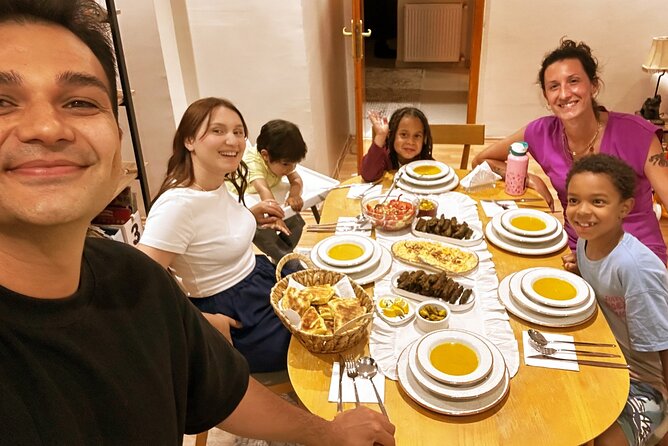
$70 for about 3 hours sounds steep if you compare it to a basic walking tour. But compare it to what you actually get here: you cook multiple dishes, you eat the results, and you spend time in a local home with a host who explains what you’re doing.
This is also a small-group class (up to 6 people), which usually means you get more attention from Sercan than you would in a larger group setting. In practice, that can make a difference: you can ask why dough or toppings work a certain way, and you’re not rushed off before your questions are answered.
The menu examples include dishes that take real effort—like lahmacun prep and thicker, slower cooking styles such as hünkar beğendi. Even if your specific session’s menu varies, the structure is the same: practical cooking + a full sit-down meal. That’s why the value feels strong for food-focused travelers.
Who This Cooking Class Fits Best (And Who Should Think Twice)
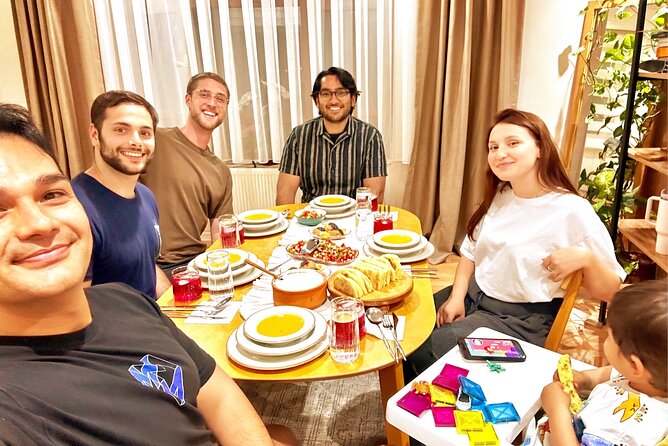
This class is a great match if you want:
- a hands-on experience (you’ll cook, not just observe)
- an evening with local conversation in a home environment
- a solid introduction to Turkish comfort foods like lahmacun
- an English-friendly guide (Sercan teaches in English)
It also works well for couples or small groups because the vibe is intimate. Families have participated before too, including sessions with children, and the setup seems built for warmth and interaction.
One potential mismatch: if you dislike trying new foods or you only like very familiar flavors, the menu may be hit-or-miss for you. Some dishes on the teaching list involve meat and eggplant, and one earlier experience-style note suggested that the food wasn’t everyone’s personal speed. If you’re picky about textures or spice levels, come with an open mind and ask questions early.
Practical Tips for a Smoother, Better Evening
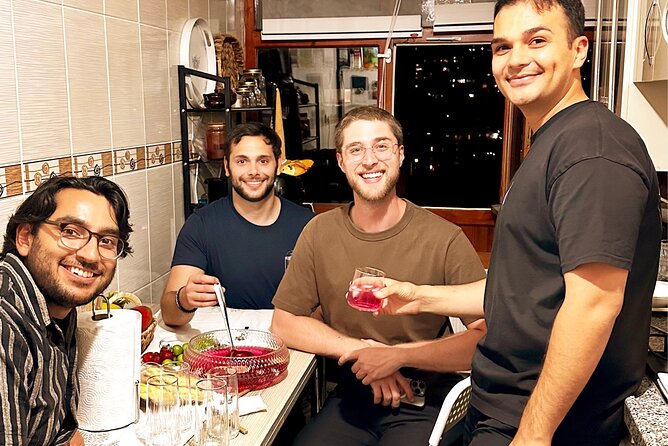
Here are the move-this-helps tips that matter for this exact format:
- Go hungry. You’re cooking and then eating what you make. Arriving with low appetite reduces the fun.
- Watch your pace in the kitchen. When you’re asked to help, it’s better to focus than multitask with your phone.
- Use the English opportunity. If you’re comfortable asking questions, do it while Sercan is right there.
- Be ready for table culture moments. If tealeaf reading happens in your session, treat it like part of the evening, not a side event.
- Plan for an evening out, not a quick stop. The whole session is built as a 3-hour experience that flows from the start location into cooking and then dining.
Also, because the group is small, you’ll likely get more personal attention than in big group tours. That means your participation can genuinely shape how enjoyable the class feels.
Should You Book This Ankara Cooking Class?
I’d book it if you’re excited by Turkish food and you want a real home-kitchen experience in Ankara, not a crowded show. The small group size, the English teaching, and the fact that you sit down to eat what you cooked make it feel like good value for the time.
You might want to skip or consider another option if you strongly prefer a fast, sightseeing-heavy schedule or you know you won’t like the core dishes involved (lahmacun and eggplant-based classics are central to the teaching approach). But if you’re even mildly curious about how Turkish families cook and share dinner, this is the kind of evening that leaves you with more than photos.
FAQ
FAQ
What time does this cooking class start in Ankara?
It starts at 5:30 pm.
How long is the experience?
It lasts about 3 hours.
Where do I meet Sercan and the group?
You’ll meet at Dayanışma Caddesi İlkadım, Dayanışma Cad., 06450 Çankaya/Ankara. The activity also ends back at the meeting point.
What’s the group size limit?
The class has a maximum of 6 people.
Is the class offered in English?
Yes, it’s offered in English.
How much does it cost?
The price is $70.00 per person.
What kinds of dishes will I cook?
You’ll learn Turkish home dishes such as lahmacun, and the experience description also references hünkar beğendi and karnıyarık. A sample menu includes lentil soup, lahmacun, a cold dish, and Turkish dessert.
Do I get to eat during the class?
Yes. After cooking, you’ll enjoy the meal with Turkish tea or ayran.
How far in advance should I book?
On average, it’s booked about 14 days in advance.
What is the cancellation policy?
You can cancel for a full refund if you cancel at least 24 hours before the experience’s start time. The cancellation is free.