REVIEW · HUE VIETNAM
Hue Cooking Class with local-Visit market, cook local food
Book on GetYourGuide →Operated by Anh Adventures · Bookable on GetYourGuide
Market first, then cooking at a home. What makes this Hue cooking class special is the Dong Ba Market ingredient hunt and then learning with Chef Anh in a real local kitchen. I love how hands-on it is, but there’s one big consideration: this menu is not vegetarian or vegan friendly, and it’s not set up for people with diabetes.
You’re in and out in 3 to 4 hours, in a small group capped at 6, so you get attention instead of standing on the sidelines. You’ll shop for ingredients, cook several Hue classics, and then eat everything you make—simple, satisfying, and very practical.
In This Review
- Key highlights you’ll care about
- Why this Hue cooking class feels real, not staged
- Dong Ba Market: the ingredient shopping that explains the food
- Cooking at a local house with Chef Anh
- The Hue menu you’ll learn to cook (and how it tastes)
- Why this menu is a smart learning path
- From your plate back to the market: what you’ll actually learn
- Eating what you cook: the payoff (and why it lasts)
- Price and value: why $28 can make sense in Hue
- Who should book this (and who should skip it)
- A few practical tips so you get the most out of the class
- Should you book this Hue cooking class?
- FAQ
- How long is the Hue cooking class?
- Is the cooking instruction in English?
- What will I cook during the class?
- Do I get to visit the market before cooking?
- What’s included in the price?
- Is transport included?
- Are strollers allowed and is it suitable for kids?
- What if I need to cancel?
Key highlights you’ll care about
- Dong Ba Market shopping for fresh ingredients, not a quick stop with pre-bought items
- English-speaking Chef Anh who explains each step while you cook
- A hands-on Hue menu with chicken, mango salad with shrimp, beef in betel leaf, and more
- Knife practice and real prep if your chopping skills need work
- Eat what you cook in the home kitchen afterward
- Small group pacing that keeps the class relaxed and interactive
Why this Hue cooking class feels real, not staged
A lot of cooking classes feel like a show. This one feels like a lesson you’re lucky enough to be invited to. You start outdoors, walking through everyday food life, then you move into a home kitchen where the focus stays on technique and taste.
I like that the experience doesn’t treat Vietnamese food like a mystery. You’ll learn why each ingredient matters—how sweetness, sour, herbs, and heat work together—so the dishes make sense instead of just tasting good.
And you’re not stuck with a lecture. You actively cook. That means when you sit down to eat, it feels earned.
You can also read our reviews of more tours and experiences in Hue Vietnam.
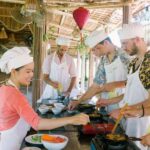
Dong Ba Market: the ingredient shopping that explains the food
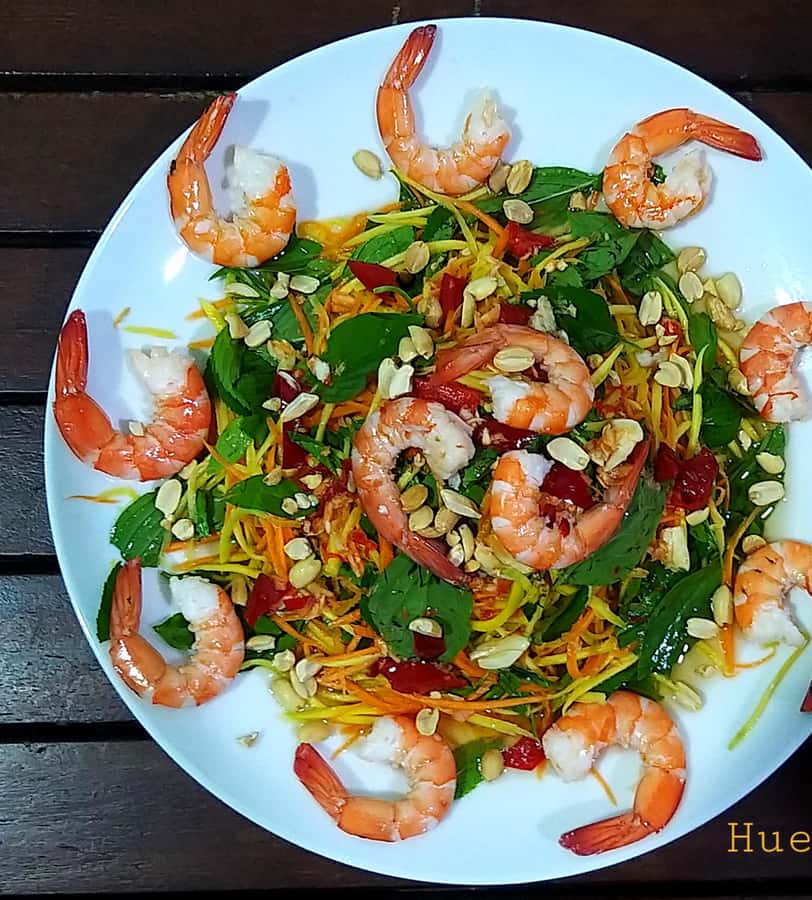
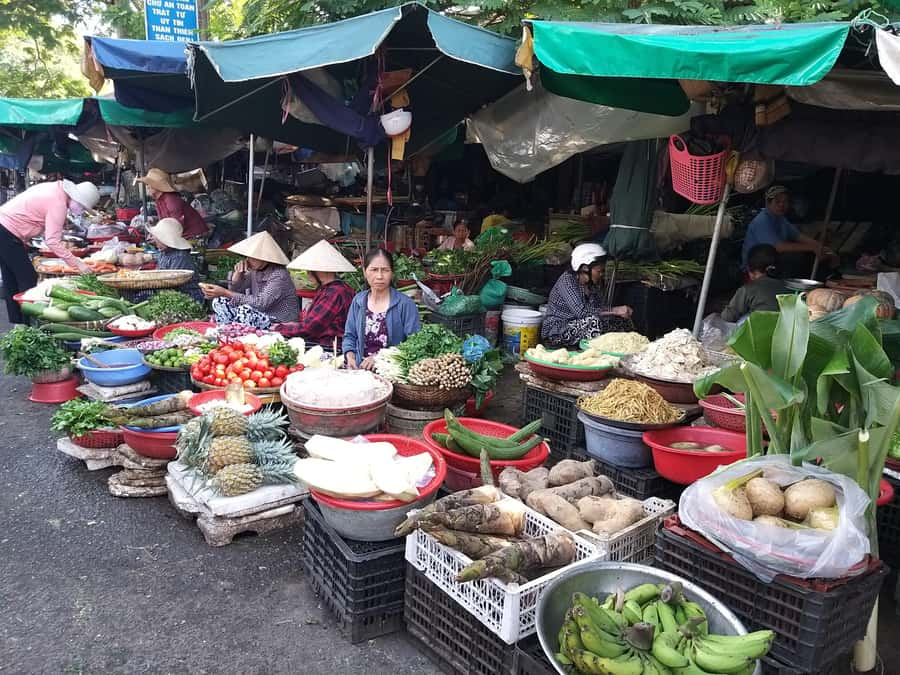
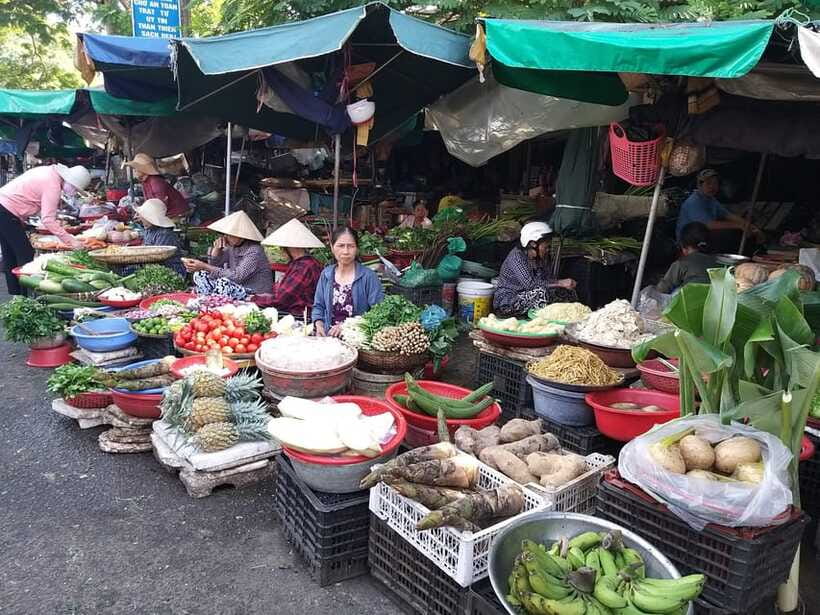
Before you cook anything, you’ll head to a local market and walk around. You’ll have time to take pictures and ask questions about what’s for sale, who buys it, and how Vietnamese cooking starts with what’s fresh.
A big reason this part is worth it: markets are where you learn what Vietnamese cooks actually rely on day to day. The class is built around that logic. When you’re later measuring less and tasting more, you’re not guessing—you’ve already seen the ingredients in context.
In one version of the experience, the market stop was specifically Đông Ba Market, and you could tell it helped the whole class click. If you’ve never done market shopping in Vietnam, you’ll probably come away with a sharper sense of what to look for next time you’re eating out in Hue.
What to consider: this is not a sit-and-watch activity. You’ll be doing some walking and browsing, so bring clothes you don’t mind getting food-scented, and plan for a bit of market noise and movement.
Cooking at a local house with Chef Anh
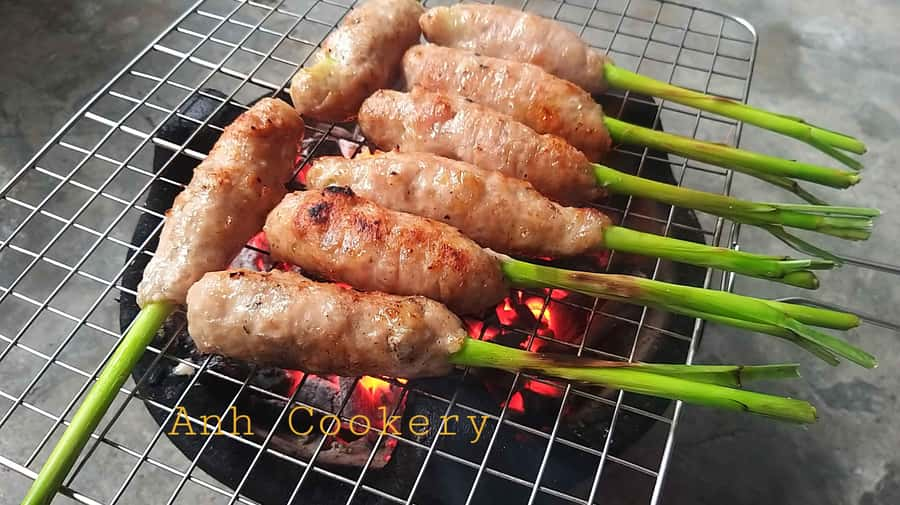
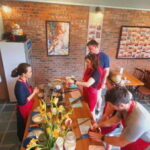
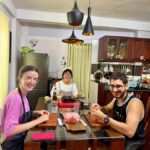
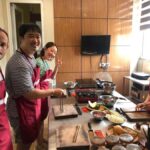
After the market, you move to the kitchen in a local home setting. That change matters. A studio kitchen can feel sterile. A home kitchen feels lived-in, and it naturally slows you down just enough to learn what you’re doing.
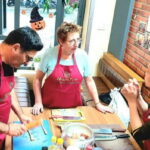
This class is taught by an English-speaking chef named Anh. In real terms, that means he can explain steps clearly and adjust when your hands struggle. Several people noted his patience during chopping and prep—so if you’re not confident with knives, you’re not going to be left behind.
Expect a guided workflow: prep first, then seasoning, then cooking. You’ll also get a set of recipes, which helps you recreate the flavors later instead of only remembering the taste.
Good to know: the class is small (up to 6 participants). With a group that size, it’s easier to ask questions and get quick corrections.
The Hue menu you’ll learn to cook (and how it tastes)
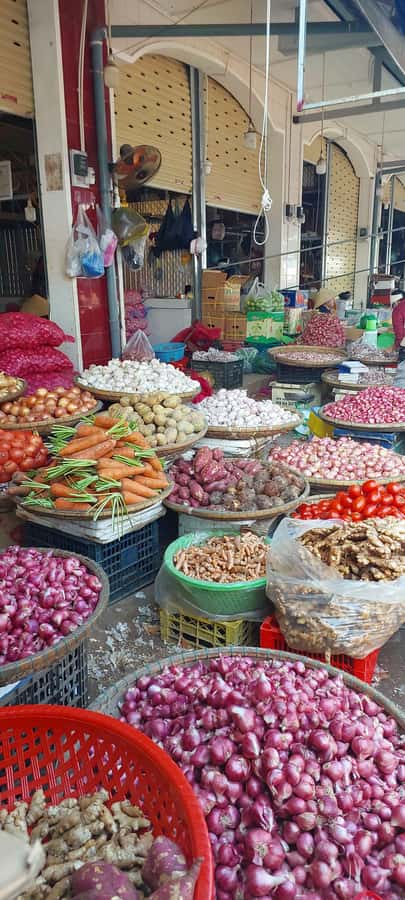
You’ll cook a classic Hue-focused set. The core dishes listed for the experience are:
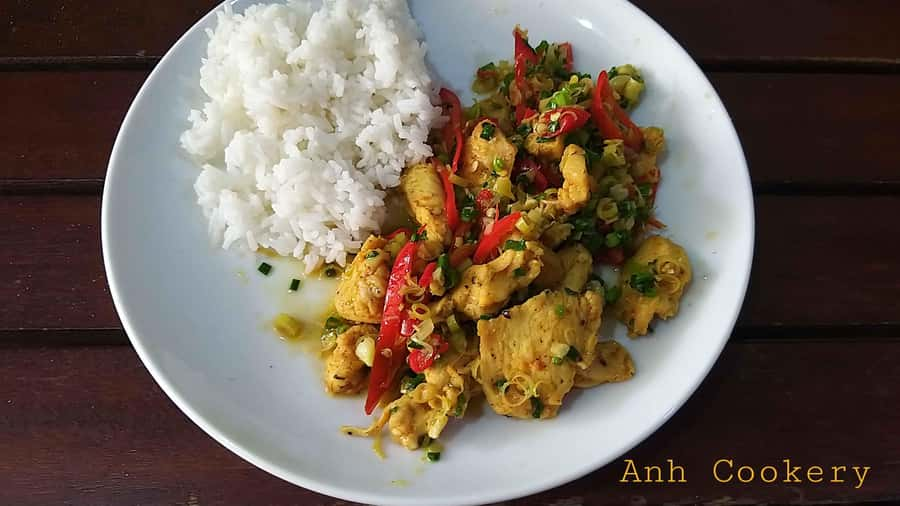
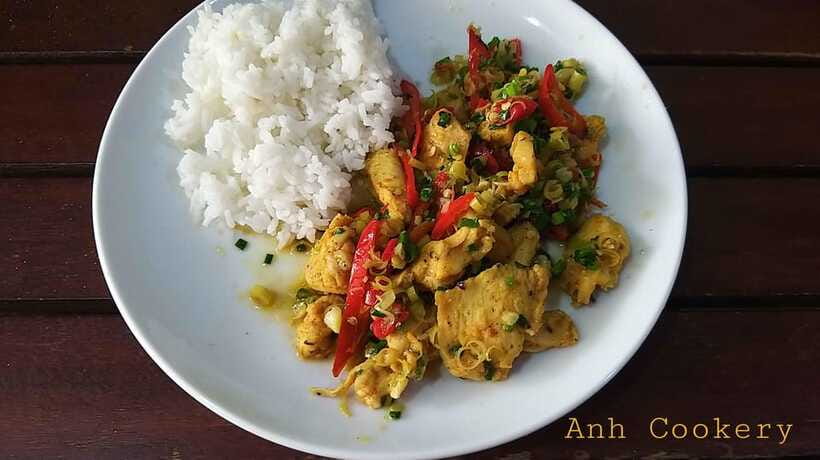
- Chicken with lemongrass and chili
Lemongrass brings a citrusy perfume that Vietnamese kitchens love for balancing richness. Chili adds heat in a way that feels more layered than one-note spice.
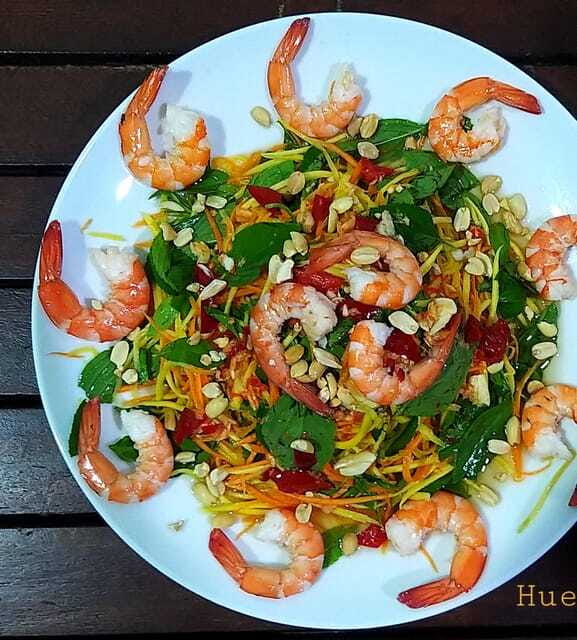
- Green mango salad with shrimp
This one teaches the sour-sweet-salty balance that makes Vietnamese salads addictive. Green mango gives tang and crunch, while shrimp adds savor.
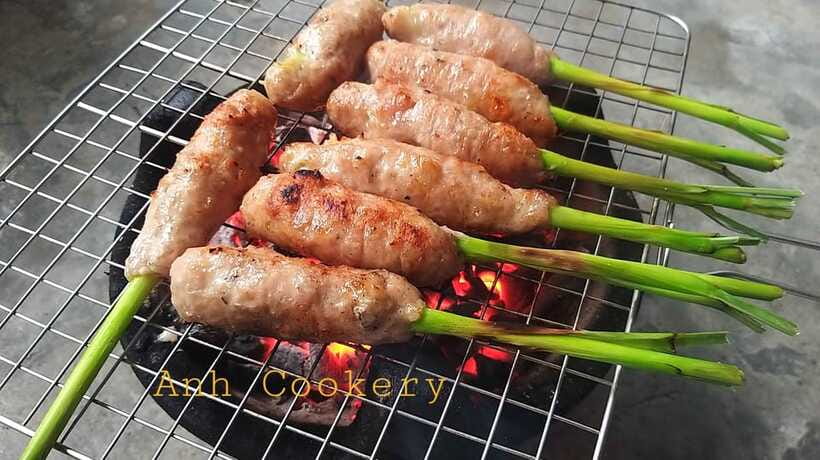
- Beef in betel leaf
Betel leaf is bold and aromatic, not mild. Learning to cook with it shows you how Hue flavor can lean herbal and fragrant without being complicated.
- Morning glory with garlic
This is the “simple but not basic” dish. Garlic and quick stir-frying show you how Vietnamese greens stay tender and flavorful instead of soft and dull.
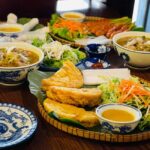
Now, here’s the nuance: in some instances, the class included extra dishes beyond that core list—like shrimp salad, spring rolls, and lemongrass skewers, along with sauces such as peanut sauce. So if your menu includes a couple of variations, don’t panic. The overall goal stays the same: practice Hue flavors and methods with clear instruction.
Why this menu is a smart learning path
You’re not just cooking four random items. The set covers different Vietnamese techniques:
- herb-forward seasoning (lemongrass, chili)
- sour and crunch balance (mango salad)
- aromatic wrapping/leaf flavor (betel leaf)
- quick garlic sautéing (morning glory)
If you want to cook Vietnamese food later, that mix gives you a foundation you can repeat.
From your plate back to the market: what you’ll actually learn
The best part isn’t only that you eat well. It’s that you’ll start noticing patterns.
For example:
- Vietnamese flavor often relies on balancing sour with richness, not drowning everything in sauce.
- Herbs aren’t decoration; they’re part of the structure of flavor.
- Heat (chili) is used to build dimension, not just to burn.
Chef Anh also shares cultural and lifestyle insights as you go, which helps you understand why people eat this way in Hue. The class doesn’t rely on fancy explanations. It ties food to daily routines and how markets supply ingredients.
And yes—you’ll likely get at least some practical instruction on knife skills, especially if your prep needs work. That’s a huge confidence boost for future home cooking.
Eating what you cook: the payoff (and why it lasts)
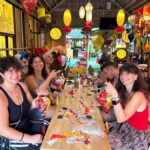
After cooking, you eat everything you made. This sounds obvious, but in a lot of food experiences, you spend so much time watching that the eating feels secondary. Here, the meal is the culmination.
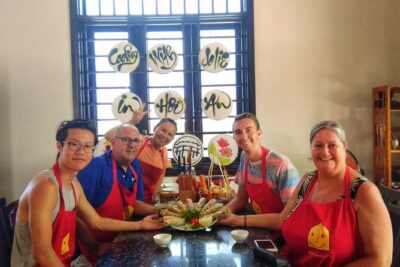
Because you’re cooking multiple dishes, the table becomes a mini Hue spread. You’ll taste how each item plays against the others: lemongrass heat next to mango sourness, beef savor next to garlicky greens. It’s the kind of contrast that makes Vietnamese food feel complete rather than repetitive.
Also, getting to eat in a home setting usually makes the meal feel relaxed. You’re not hustling to squeeze in another stop right after you finish cooking. You get to slow down with the food.
Price and value: why $28 can make sense in Hue
At $28 per person for a 3 to 4 hour small-group class, the price works best when you treat it as more than a cooking lesson.
You’re paying for:
- the market ingredient walk
- an English-speaking chef with instruction
- the food you cook
- recipe materials
- a bottle of water
Transport isn’t included, so you’ll still need to handle getting there on your own.
But value-wise, the blend is strong. Many cooking classes elsewhere cost more for a similar length of time, and some don’t include shopping. Here, the market part is core, not optional. That shopping walk is what turns the class from “cook along” into a real understanding of Vietnamese cooking basics.
Who should book this (and who should skip it)
This is ideal if you:
- want a hands-on Hue cooking class with an English-speaking instructor
- like learning through food prep and taste, not just watching
- enjoy markets and want to see ingredient variety first
- don’t mind cooking, eating, and then sitting down to enjoy the results
It may not be a fit if you:
- need vegan or vegetarian options (not suitable for either)
- have diabetes (not suitable)
- are currently dealing with a cold
- deal with altitude sickness (listed as not suitable)
- travel with small children under 6
- need baby strollers or baby carriages (not allowed)
A few practical tips so you get the most out of the class
- Go hungry. You’ll eat what you cook, and the meal is part of the experience.
- Be ready to chop. Even if you’re slow, patience and practice are part of the class style.
- Ask questions at the market. That’s when it’s easiest to understand ingredients before they’re on your cutting board.
- If you need help with getting there, it can help to ask ahead. In at least one case, Anh arranged a cab pickup from a hotel as a courtesy, even though transport isn’t listed as included.
Should you book this Hue cooking class?
If you want an authentic Hue food experience that goes beyond eating well, I’d book it. The market start plus Chef Anh’s instruction plus the full meal afterward is a solid combo for 3 to 4 hours.
You should think twice if you’re strict about dietary needs or can’t handle the class style (cooking and eating a set menu). If that applies, you’ll probably be happier looking for a different type of food tour.
But if you’re looking for a small-group, hands-on way to learn Hue flavors—and you enjoy the idea of shopping and cooking as one story—this is a very good use of your time in central Vietnam.
FAQ
How long is the Hue cooking class?
The class runs 3 to 4 hours depending on the option and starting time.
Is the cooking instruction in English?
Yes. The instructor/chef speaks English.
What will I cook during the class?
You’ll cook several Hue local dishes. The listed menu includes chicken with lemongrass and chili, green mango salad with shrimp, beef in betel leaf, and morning glory with garlic.
Do I get to visit the market before cooking?
Yes. You’ll visit a local market, walk around, and buy fresh ingredients to use in your cooking.
What’s included in the price?
Included are the market visit, an English-speaking local chef, 1 water, the food you cook, and cooking recipes.
Is transport included?
No. Transport is not included.
Are strollers allowed and is it suitable for kids?
Baby strollers and baby carriages are not allowed. It’s also not suitable for children under 6 years.
What if I need to cancel?
Cancellation is free up to 24 hours in advance for a full refund.