REVIEW · OAXACA DE JUAREZ
Oaxaca: Traditional Oaxacan Cooking Class
Book on GetYourGuide →Operated by Raices oaxaqueñas · Bookable on GetYourGuide
Mole starts with a market stop. This Oaxaca traditional cooking class turns shopping for real ingredients into part of the lesson, then you cook your way through Oaxacan favorites with hands-on steps and a small group format that keeps you involved. I especially like the mix of technique and context, from learning why ingredients are used to practicing the actual motions like folding tetelas and pinching memelitas.
The one thing to plan around is the food. It’s a full 5-hour session built around tastings for breakfast and lunch, so if you show up hungry you’ll be thrilled, but if you eat a heavy breakfast first you might run out of room.
In This Review
- Key things I’d circle in the booking details
- Why This Oaxaca Cooking Class Feels Personal, Not Performative
- Getting There: Downtown Meet-Up and a Short Ride to the Village
- The Market Run That Teaches Mole Before You Cook It
- Chocolate and Bread: The First Lesson in Oaxacan Flavor
- Breakfast in Oaxaca: Tortillas, Memelitas, Tetelas, and Empanadas
- Molcajete Sauces: Why the Method Matters as Much as the Ingredients
- Eating Breakfast and Hearing the Story Behind the Table
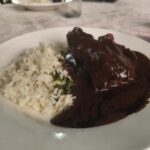
- Lunch Mole: Yellow, Green, Black, or Coloradito
- Substitutions and Ingredient Availability: What You Can Actually Use Later
- How the Small Group (Max 6) Changes the Experience
- What’s Included (And What That Means for Value)
- Price and Logistics: A Straight Talk Check Before You Book
- Who This Oaxaca Class Suits Best
- FAQ
- How long is the Oaxaca traditional cooking class?
- How much does it cost, and is it per person?
- What do I cook during the class?
- What’s included besides the cooking?
- Is the class small?
- What languages are used?
- Can I cancel and get a refund?
- Should You Book This Oaxaca Cooking Class?
Key things I’d circle in the booking details
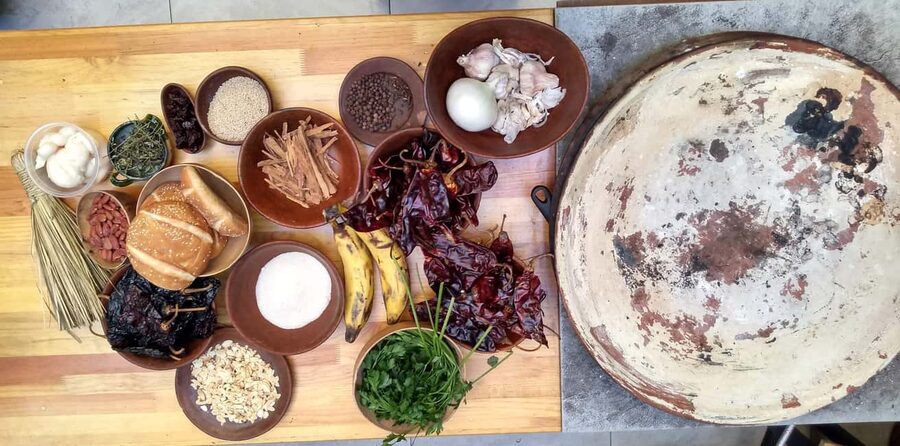
- Market-first shopping so you understand mole and chocolate ingredients before the first pot heats up
- Small group limit (max 6) so the instructor can watch your tortillas, sauces, and folds
- Hands-on practice with basics like tortillas plus specialty moves like comal work and molcajete mashing
- Family-recipe approach using dishes and recipes shared from the hosts’ backgrounds
- Lunch mole choice (yellow mole, green mole, black mole, or coloradito) with ingredient substitution tips
- History of ingredients and names so the flavors make sense, not just the steps
Why This Oaxaca Cooking Class Feels Personal, Not Performative
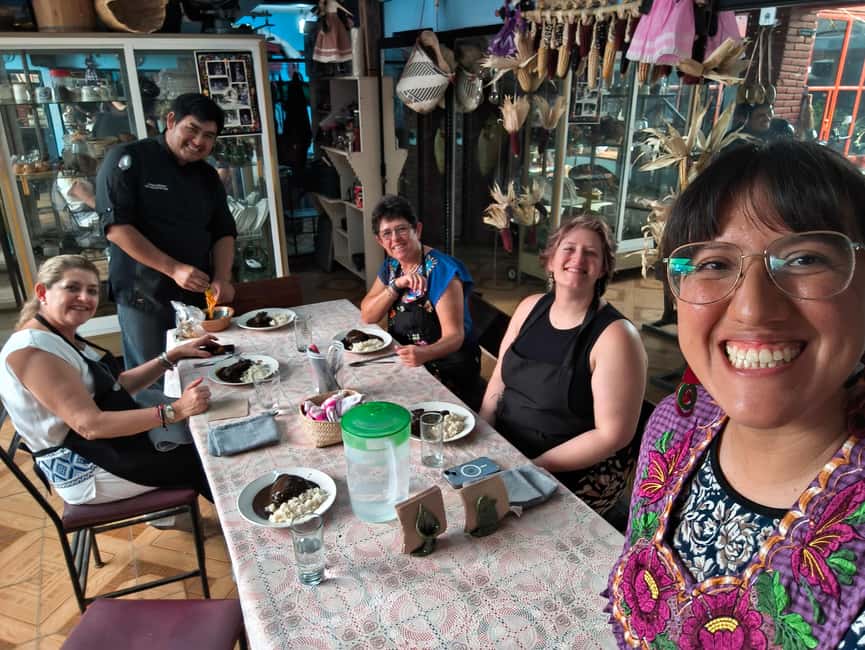
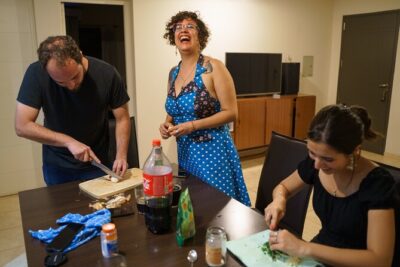
This isn’t one of those classes where you watch and wait. The structure is built around you doing the work. You’ll shop together downtown, then head out to a village near Oaxaca for the cooking part, and the whole time the teaching is tied to both flavor and meaning.
I like the fact that it’s not pretending Oaxaca cuisine is one flat thing. Instead, you’ll hear how ingredients, names, and techniques connect. Mole isn’t just one sauce here. You’ll learn how different mole styles show up and what changes when ingredients aren’t available.
One more plus: the class is hosted by people who clearly treat food like culture, not just a meal. In the reviews, Hector and Aurora get highlighted as warm hosts and strong guides. They’re also described as running the class with an easy pace, so you get a lot done without feeling rushed or talked at.
You can also read our reviews of more tours and experiences in Oaxaca De Juarez.
Getting There: Downtown Meet-Up and a Short Ride to the Village
You meet downtown Oaxaca, then you’ll be taken by transportation to the market and later to the cooking house. The trip from downtown to the village is about 20 minutes, so you get out of the city rhythm without a long travel slog.
This matters because Oaxaca cooking is tied to ingredients and the way people actually cook at home. The short ride helps you transition from tourist Oaxaca into local Oaxaca before your hands get busy.
If you’re trying to find the place: when you enter the meeting area, ask at the reception desk for the cooking class.
The Market Run That Teaches Mole Before You Cook It
You start with a market stop, and it’s not just a photo moment. The point is to shop together and talk through what you’re buying and why it matters for flavor and technique.
This is where the class earns its keep. When you’re learning Oaxacan dishes, ingredients can sound familiar but behave differently depending on where you buy them and how they’re used. Seeing the fresh produce and pantry items in a local market gives you a mental map you can take home.
From the reviews, people also point out that the market tour is a big part of the value. You get examples of the types of fruits and vegetables that are local to Oaxaca, and you hear how ingredient availability across Mexico shapes recipes. That’s the kind of context that makes you a better cook later, not just someone who ate well once.
Chocolate and Bread: The First Lesson in Oaxacan Flavor
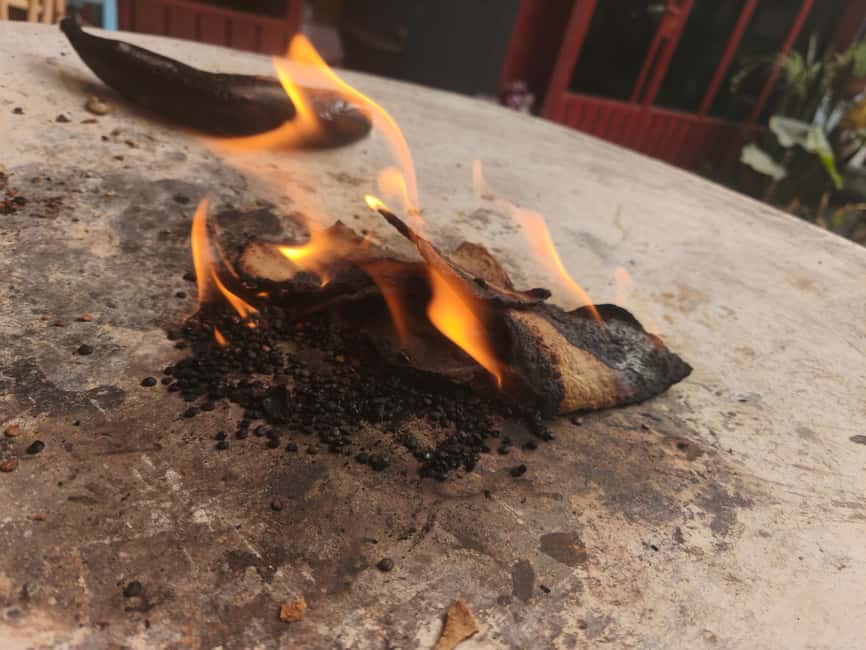
Before breakfast prep, the class begins with chocolate and bread. It’s a smart start. Cocoa-based flavors show up across Mexican cuisine, and Oaxaca is no exception. Starting here helps you connect what you taste with what you’ll cook next.
This portion also sets the tone: the class moves from explanation into hands-on work quickly. You’re not waiting for the real cooking to begin. You’re warming up your senses and learning the rhythm of the kitchen.
Breakfast in Oaxaca: Tortillas, Memelitas, Tetelas, and Empanadas
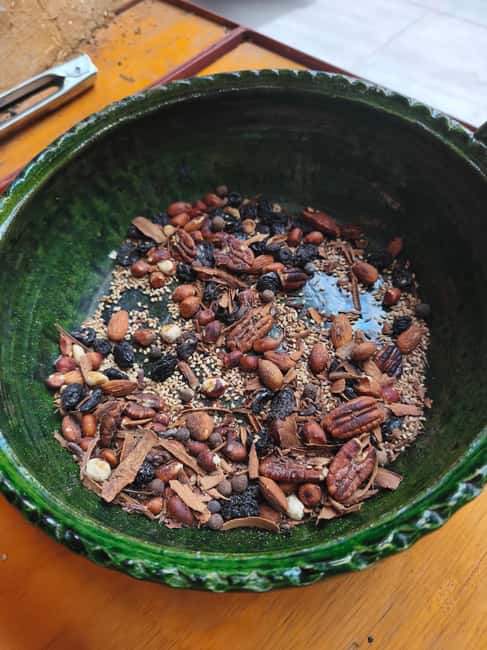
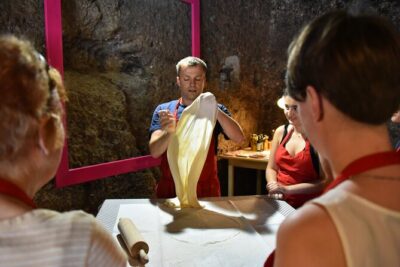
Breakfast is a full production, not a snack. You’ll prepare multiple dishes, and you’ll work along the way while the instructor explains what you’re doing and why.
You can expect to make:
- tortillas
- memelitas
- tetelas
- empanadas
- plus three traditional molcajete sauces
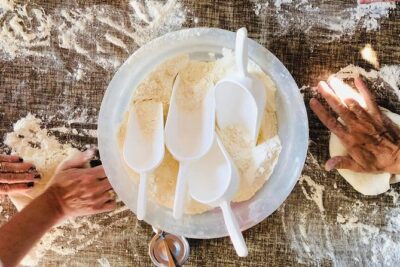
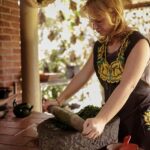
The hands-on focus is a standout in the feedback. People describe practicing chocolate frothing, working on the comal, dropping or handling tortillas, folding tetelas, pinching memelitas, and even mashing chili. Those are the small, physical skills that turn ingredients into food.
You also get a running commentary on Oaxacan culture and the history connected to the recipes while you cook. It’s not just technique. It’s flavor logic: what changes when an ingredient changes, and how traditional methods create a particular taste.
Molcajete Sauces: Why the Method Matters as Much as the Ingredients
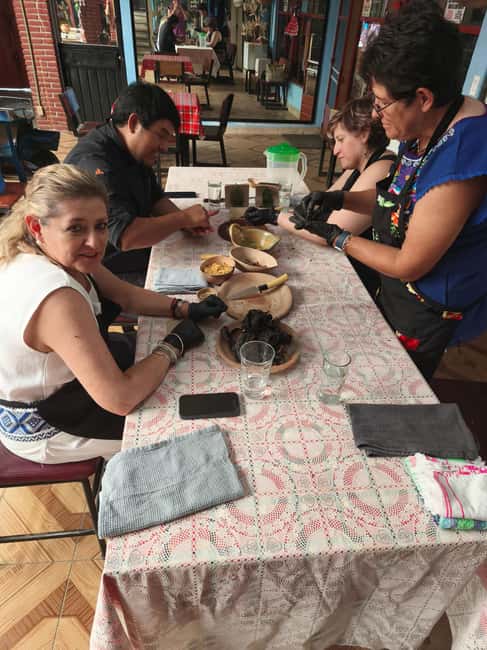
The molcajete part is one of those details you’ll feel in your mouth. Grinding and mixing in a stone mortar changes texture and releases flavors in a way you can’t fake with shortcuts.
Since you’ll prepare three traditional sauces in molcajete, you’ll likely notice differences in aroma, thickness, and bite across the sauces. And because the instructor connects each step to traditional practice, you don’t just learn what to do. You learn what the method is trying to achieve.
This is also a good moment to ask questions. The reviews repeatedly point out that Hector in particular encourages questions and shares lots of context. If you’ve ever wondered how a “simple” sauce gets complex, this is where you’ll start to see the answer.
Eating Breakfast and Hearing the Story Behind the Table
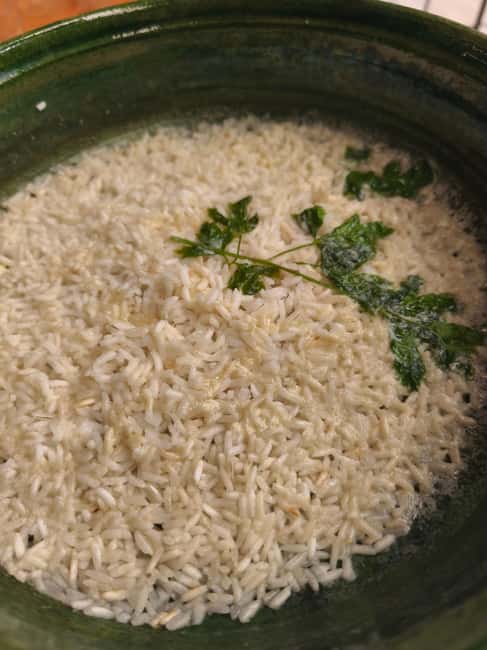
After cooking, you actually sit down and eat your breakfast. That matters because Oaxacan dishes often make more sense once you taste them side by side.
While you eat, you’ll talk about Oaxacan culture and the history of the cuisine. It’s the kind of conversation that turns what you made into something you can remember. Instead of thinking, I cooked tortillas, you’ll be thinking, I see how tortillas and fillings fit into a wider food culture.
Practical tip: if you need breakfast beforehand, keep it light. The class includes plenty of food to taste, and the schedule is built around breakfast turning into lunch without a long break.
Lunch Mole: Yellow, Green, Black, or Coloradito
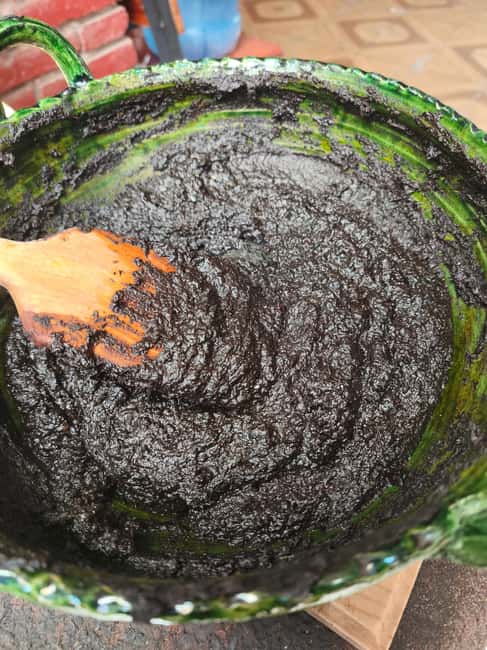
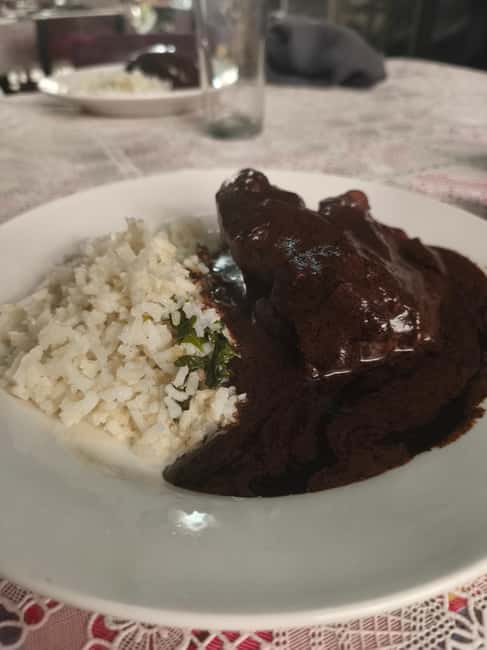
Lunch is where the mole flavors take center stage. You’ll prepare one of these mole options:
- yellow mole
- green mole
- black mole
- coloradito
Picking a mole in advance can shape your shopping and prep. If you want a specific dish, the organizers say they’ll be happy to oblige if you let them know ahead of time.
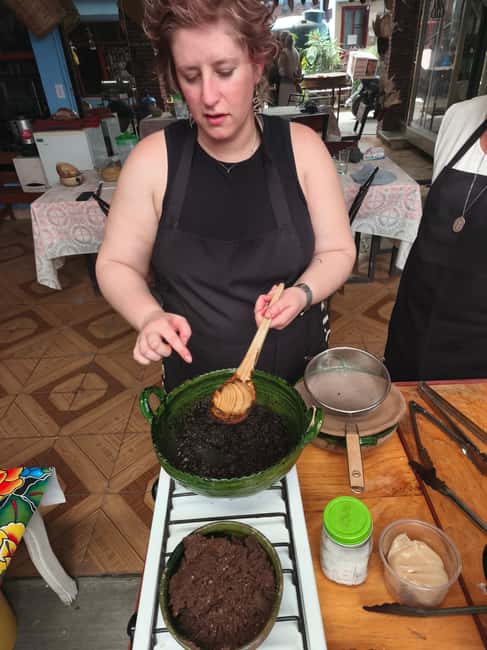
In the kitchen, you’re not just following a list. The goal is to understand the flavors, the names, and the differences among mole styles. And you’ll learn how to handle substitutions when you don’t have every ingredient on hand.
That “differences plus substitutions” combination is valuable. It’s one thing to learn traditional food. It’s another to learn how to adapt when you’re back home and your ingredients aren’t exactly the same. The class is built to give you both.
Substitutions and Ingredient Availability: What You Can Actually Use Later
One of the most useful parts of the class is the focus on substitutions. Ingredients vary by season and by where you live. Oaxaca also has its own ingredient availability, and the market tour supports that idea.
If you want to cook Oaxaca-inspired food at home, this piece helps you avoid the common trap: thinking mole is a single recipe. Instead, you’ll understand why certain ingredients show up and what role they play. Then you can make smarter substitutions rather than random ones.
It also helps you appreciate that names matter. Mole styles have distinct flavor profiles, and you’ll hear enough context to connect the name to what you’re tasting.
How the Small Group (Max 6) Changes the Experience
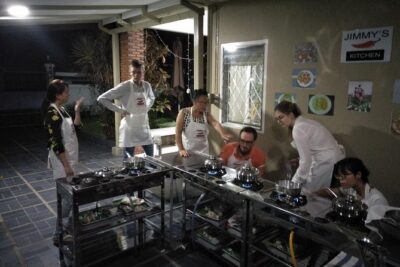
With a maximum group size of 6, you get more than a seat at the table. You get more attention. The class is set up so the instructor can guide you through steps while you’re actively cooking.
The reviews reinforce that intimacy. Some people mention very small groups, even around three participants, and the consistent theme is that the instructor can pay close attention to each person’s technique.
If you like classes where you’re doing the work instead of watching, this format is a big win. If you prefer silent, solo cooking, you might not love the ongoing explanations, but for most people, the teaching style is part of the fun.
What’s Included (And What That Means for Value)
This experience includes:
- transportation from downtown Oaxaca to the market, to the house, and back
- fresh, high-quality ingredients
- kitchen equipment
- food and drinks during the experience
That combo matters when you’re weighing cost. You’re paying for more than cooking instruction. You’re also paying for the ingredients, the gear, the guided shopping, and the transport. For a 5-hour class with lots of tastings, the price starts to make sense.
At $116 per person, it’s not a bargain-basement workshop. But when you factor in the market time, the small group limit, and the amount of cooking and eating you do, it lands in the “good value for an authentic, hands-on class” category.
Also, the instructor works in English and Spanish. Some content may be shown in its original language, but the bilingual setup should cover most needs.
Price and Logistics: A Straight Talk Check Before You Book
Before you book, ask yourself two questions.
First: do you want a cooking lesson with a real ingredient story? If your idea of a class is mostly tasting, you might prefer something shorter. This one is designed around making dishes and learning technique.
Second: how do you handle food-heavy days? The class is built around breakfast and lunch, and the hosts even suggest keeping breakfast light if you need to eat beforehand. If you like sampling a lot, you’ll be in the right place.
The good news: you don’t need culinary skills. The class is designed so beginners can follow along. You bring curiosity and willingness to try, not chef experience.
Who This Oaxaca Class Suits Best
This is ideal for you if:
- you want a real Oaxaca food experience, not a generic cooking tour
- you’re curious about mole, not just the taste but the names and differences
- you like hands-on classes with a limit of max 6 people
- you want to learn how to cook with what you can actually find back home
It’s less ideal if:
- you’re trying to pack in a super tight schedule and cannot spare 5 hours
- you dislike interactive food activities or getting your hands involved
FAQ
How long is the Oaxaca traditional cooking class?
It lasts 5 hours.
How much does it cost, and is it per person?
It costs $116 per person.
What do I cook during the class?
You’ll help prepare Oaxacan breakfast items like tortillas, memelitas, tetelas, and empanadas, and you’ll make three traditional molcajete sauces. For lunch, you’ll prepare yellow mole, green mole, black mole, or coloradito.
What’s included besides the cooking?
Transportation from downtown to the market and house (and back), fresh ingredients, kitchen equipment, and food and drinks during the experience.
Is the class small?
Yes. It’s a small group limited to 6 participants.
What languages are used?
The instructor offers English and Spanish.
Can I cancel and get a refund?
Yes. You can cancel up to 24 hours in advance for a full refund.
Should You Book This Oaxaca Cooking Class?
If you want an Oaxaca cooking class that treats the market as part of the lesson and then lets you cook a lot, this is a strong choice. The small group setup, the hands-on steps, and the mole focus make it feel practical, not just cultural theater.
Book it if you’re excited to learn by doing, especially if you care about how recipes connect to ingredients and technique. Pass if you want a lighter experience or you already have a heavy breakfast planned and don’t want to manage food volume.