REVIEW · FLORENCE
Florence: Cooking Class on a Traditional Tuscan Farm
Book on GetYourGuide →Operated by Fattoria Palaia · Bookable on GetYourGuide
Ravioli, but make it Tuscan farm life. This 5-hour class takes you from Florence out to a Chianti hillside farm, where you learn fresh egg pasta while wine and countryside air set the mood. I love the hands-on ravioli focus, and I also love the built-in cheese and wine time that doesn’t feel like an add-on. Just keep in mind it’s not a take-home recipe factory, and some of the process can be shared as a group workflow rather than solo practice.
The ride out is part of the point. You’ll pass cypress trees, vineyards, and olive groves, with pauses to look at the vines before you reach Fattoria Palaia. In past groups, guides like Leo and Hannah have kept things lively with practical instruction and humor, and hosts such as Roberto and Anna are the warm, down-to-earth type you hope you’ll meet in Tuscany.
One possible drawback: if you’re expecting a super structured, multiple-sauce, everything-to-go cooking workshop, this probably won’t match your idea. You should go for the farm setting, the meal you make together, and the real tasting experience—not a recipe binder with every variation under the sun.
In This Review
- Key highlights worth your attention
- Leaving Florence: the drive through Chianti views
- Fattoria Palaia: why a farm kitchen beats a studio class
- Making fresh egg ravioli: technique you can actually use
- Cheese and winemaking rooms: tasting with context, not just sips
- Lunch on the farm: you’ll eat what you helped create
- Transportation, timing, and group size: the real-world logistics
- Price and value: is $94 worth 5 hours?
- Who should book this ravioli class, and who should skip
- Quick tips to get the most out of your farm day
- Should you book this Florence to Chianti ravioli class?
- FAQ
- FAQ
- Where is the meeting point?
- How long is the cooking class?
- What is the price per person?
- Is transportation included from Florence?
- How big is the group?
- What languages are spoken during the tour?
- What will I cook during the class?
- Is wine or cheese tasting included?
- Is lunch included?
- Can I cancel for a full refund?
- Are pets allowed?
Key highlights worth your attention
- Small group, max 8 people means more chances to interact and keep the class moving at a friendly pace
- Chianti countryside pickup from Florence lets you skip the logistics and focus on the views and the cooking
- Fresh egg pasta ravioli lesson teaches technique, not just a final plated result
- Cheese and winemaking rooms turn the tasting into a place-based experience, not a quick pour
- Sommelier-led tasting of organic wines and local cheeses adds context to what you’re drinking
- Traditional farm-style lunch lets you eat what you helped make, in a proper Tuscan setting
Leaving Florence: the drive through Chianti views
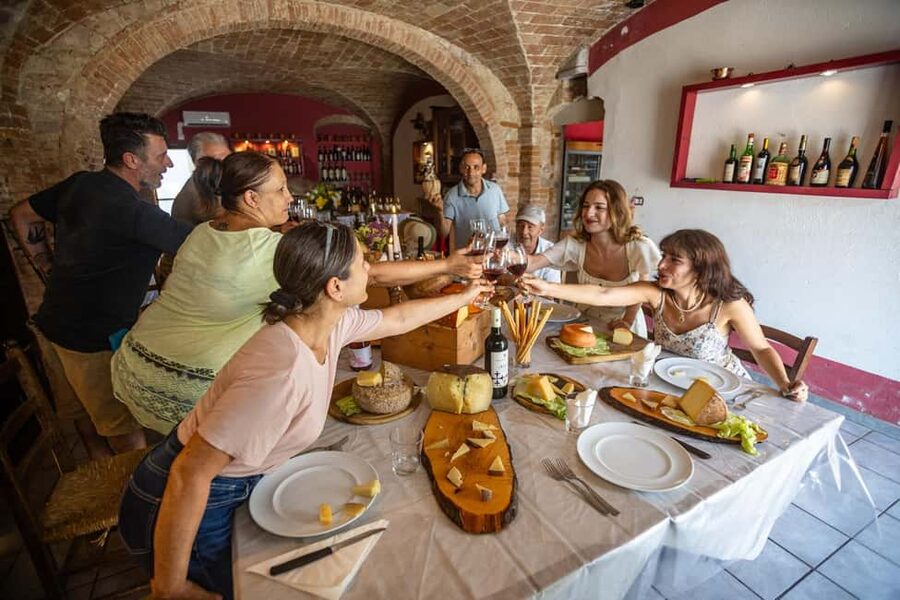
This starts easy: you meet at Stazione Leopolda di Firenze, and a car picks you up. From there, the day shifts from city walking to rolling countryside time. I like that you’re not trying to figure out buses or rental cars for a half-day that’s already tightly planned.
The drive itself is a treat. You’ll see the classic Tuscan markers—cypresses lined up like stage props, vineyards spreading across slopes, and olive groves that look like they were planted for postcards. There’s also time to stop and admire the vines and views, so you’re not stuck staring out the window the whole way.
Why it matters: Tuscany looks good, but it also changes as you move through it. That slow ride helps you understand why Chianti works the way it does—terrain, grape-growing, and that hillside rhythm you don’t get from a quick day trip by foot.
You can also read our reviews of more tours and experiences in Florence.
Fattoria Palaia: why a farm kitchen beats a studio class
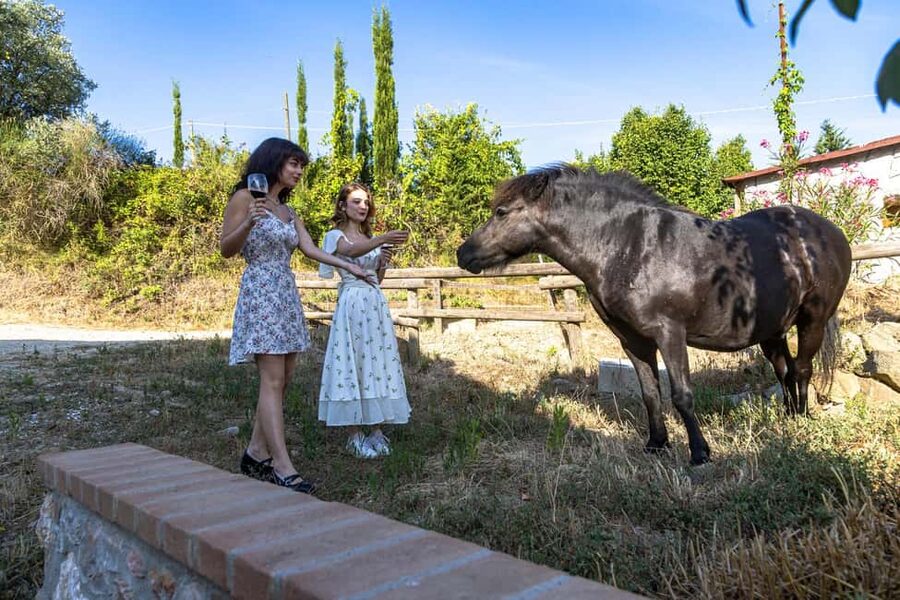
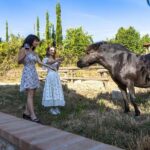
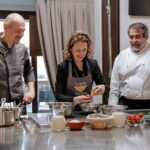
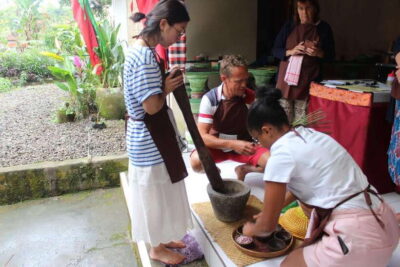
You’re not cooking in a generic classroom. The lesson happens on a traditional Tuscan farm (Fattoria Palaia), which changes the energy immediately. The setting makes the food feel grounded—like you’re learning a local skill from people who do this for real.
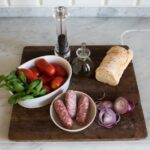
Before the main pasta work, you’ll have an appetizer. This is more than a snack break. It helps you settle into the day without arriving hungry and rushed, and it puts you in the right frame for the rest of the meal.
Then comes the tasting part of the experience, with visits to cheese and winemaking rooms. A sommelier guides the tasting, and that’s a big deal because it connects flavors to how they’re made and why people in the region pair them the way they do.
If you care about authenticity, this is the winning combo: cooking plus tasting plus the farm environment, all in one block of time.
Making fresh egg ravioli: technique you can actually use
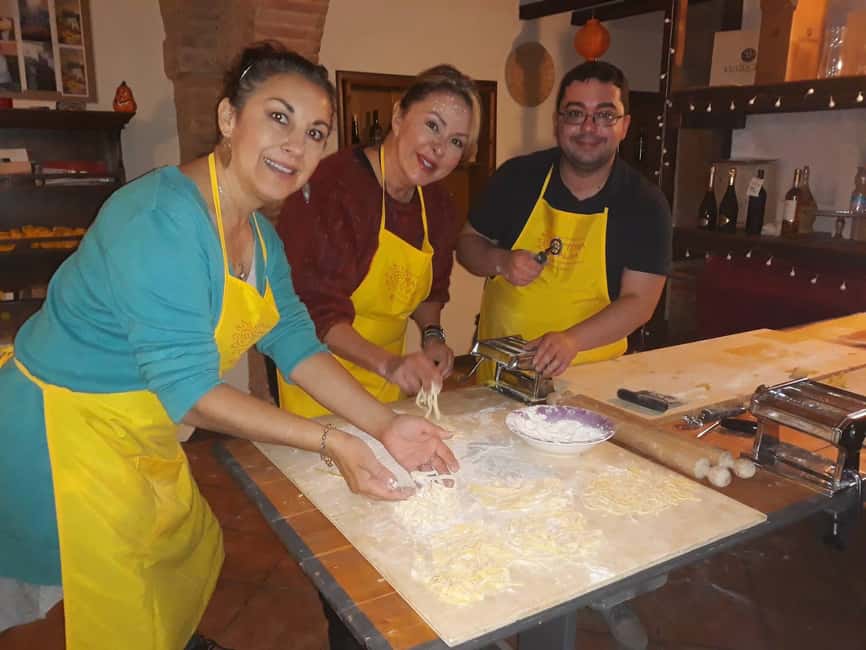
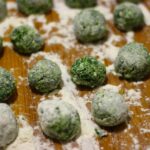
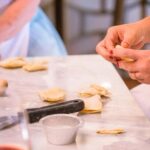
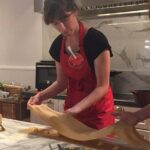
The cooking focus is traditional Tuscan ravioli made with fresh egg pasta. You start with preparation, then you move into shaping and working the dough and filling as a group lesson. The goal isn’t just to hand you a dish and call it instruction. It’s to get you to understand the steps so you’re not lost the minute the instructor steps away.
Here’s how to set yourself up mentally. Pasta work is hands-on and timing matters. Even if you’re not an expert, you’ll learn how to handle the dough and how the filling should behave. In past classes, guides such as Hannah have taught the process in an entertaining way, which helps if you’re the type who gets self-conscious while food is rolling.
One caution based on a real concern that can come up in small group classes: sometimes activities are shared with everyone taking turns or observing parts of the process. If you want maximum solo hands-on with your own station and ingredients, ask about how the class is structured for your group before you book. Small group size is helpful, but it doesn’t automatically mean every step is one-on-one.
Cheese and winemaking rooms: tasting with context, not just sips
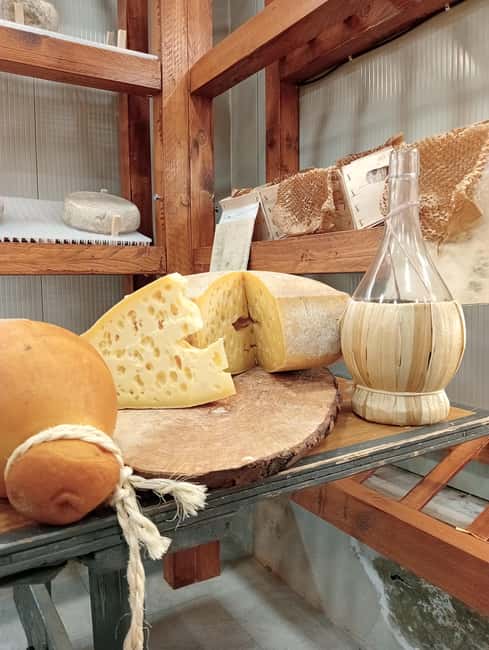
A lot of cooking classes sprinkle in tasting at the end like dessert. This one builds it into the schedule. You’ll visit cheese and winemaking rooms, then taste organic wines and local cheeses with a sommelier guiding you.
I like this approach because it answers a basic question you might have: what am I tasting, and why does it match? The sommelier guidance helps you go beyond picking your favorite and lets you understand the logic behind pairings.
You also get a sense of place. Tasting in rooms connected to cheese and wine production feels different than doing it in a dining hall. You’re still eating and drinking, but you’re also seeing the environment where those flavors come from.
Practical tip: pace yourself. You’re cooking and then eating, so start with small pours and take breaks between tastings. Your future self will thank you when it’s time to sit down for the meal you made.
Lunch on the farm: you’ll eat what you helped create
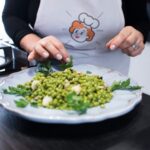
At the end, you sit down to enjoy the specialties you prepared together. It’s a simple idea that works well: you do the work, then you get to taste the result with the group.
The lunch is described as traditional countryside style. In past experiences, some people have ended up with a multi-course feeling, with the homemade pasta as the centerpiece. Either way, you should expect a proper Tuscan meal, not a light snack masquerading as lunch.
What makes this valuable isn’t just the food. It’s the closure. After hours of rolling dough and forming ravioli, eating it in the same environment gives the experience meaning. You’re not rushing off to the next stop with your plate mostly untouched.
Also, since the group is small, the lunch time tends to feel social without getting chaotic.
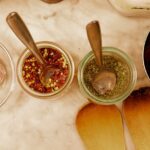
- Cooking Class and Lunch at a Tuscan Farmhouse with Local Market Tour from Florence
★ 5.0 · 4,831 reviews

Transportation, timing, and group size: the real-world logistics
This tour runs for about 5 hours, which is a sweet spot. Long enough to cook, taste, and eat without feeling like you’ve disappeared for a full day. Short enough that you’ll still have time for dinner back in Florence.
You’re picked up from the main train station area, which is convenient if you’re staying near transit lines. The schedule is built around the farm day—ride out, appetizer, pasta lesson, tasting rooms, lunch, then back to Florence.
Group size is limited to 8 participants, and that matters more than people think. Smaller groups usually mean less waiting, more time with the guide, and a smoother flow in the kitchen when dough needs attention. You’ll spend less time standing around and more time learning.
Languages are English and Italian. If you only speak one, you’re still covered.
Price and value: is $94 worth 5 hours?
At $94 per person for a 5-hour farm experience, the value depends on what you want out of Tuscany.
Here’s what you’re paying for, beyond the cooking itself:
- round-trip transportation from Florence
- instruction to make fresh egg ravioli
- wine and cheese tasting with a sommelier
- a traditional countryside-style lunch
If you were to do these separately—getting out of Florence first, then booking a separate wine-and-cheese tasting, then adding a pasta class—you’d likely spend similar or more while also dealing with extra logistics. The bundled structure is the real money saver here.
I also like that you’re paying for an experience with a clear rhythm. You’re not just buying a ticket to a kitchen table. You’re paying for a farm day that connects cooking to eating and tasting.
Who should book this ravioli class, and who should skip
This experience is a great match if you want:
- an actual ravioli lesson, not just tasting a finished pasta dish
- a farm setting with vineyard views and a calm pace
- wine and cheese time guided by a sommelier
- a small-group atmosphere where you can ask questions
It may not be the best match if you’re expecting:
- a rigid, multi-sauce workshop with detailed take-home variations
- fully independent, step-by-step solo practice for every stage
- a class designed for maximum freedom and roaming (this is structured and time-based)
In plain terms: go if you want to eat well and learn a real technique in a real place. Skip if you want a factory of recipes and options.
Quick tips to get the most out of your farm day
You’ll have a packed but comfortable flow. To make it better:
- Wear shoes you don’t mind using on farm surfaces.
- Bring a layer. Even in Tuscany, it can feel cooler during a ride and then shift again indoors.
- Don’t show up overly full. You’ll have an appetizer, then you’ll cook, then lunch follows.
- If wine tasting matters to you, drink slowly and pay attention to the sommelier explanations so it becomes part of the lesson, not just time.
Should you book this Florence to Chianti ravioli class?
I think it’s an easy yes if you want an honest Tuscan day that combines three things in one: farm cooking, tasting, and a real meal in the countryside. The small group size helps, the transportation removes stress, and the guide setup (with English/Italian support and a sommelier for tasting) makes the whole experience feel intentional.
Book it if your dream day is rolling out of Florence, learning pasta technique, and ending with the food you made plus Chianti-style wine and local cheese in a setting that feels like Tuscany actually lives there.
Skip it only if your priority is something else—like lots of sauce variations and take-home recipe packs—because this is focused on the ravioli process and the farm-to-table experience, not a template for home-party menus.
FAQ
FAQ
Where is the meeting point?
You meet at STAZIONE LEOPOLDA DI FIRENZE.
How long is the cooking class?
The experience lasts about 5 hours.
What is the price per person?
The price is $94 per person.
Is transportation included from Florence?
Yes. Transportation to and from Florence is included.
How big is the group?
It’s a small group limited to 8 participants.
What languages are spoken during the tour?
The live tour guide speaks English and Italian.
What will I cook during the class?
You’ll learn to cook traditional Tuscan ravioli using fresh egg pasta.
Is wine or cheese tasting included?
Yes. You’ll taste organic wines and local cheeses, with a sommelier guiding the tasting.
Is lunch included?
Yes. You’ll enjoy a traditional countryside-style lunch.
Can I cancel for a full refund?
Yes. You can cancel up to 24 hours in advance for a full refund.
Are pets allowed?
No, pets are not allowed.
You Might Also Enjoy
More Tour Reviews in Florence
- Cooking Class and Lunch at a Tuscan Farmhouse with Local Market Tour from Florence
★ 5.0 · 4,831 reviews