REVIEW · ARUSHA
NGO Lifted Strong – Traditional Tanzanian Cooking Class
Book on Viator →Operated by Lifted Strong Community Organization (LISCO) · Bookable on Viator
Cooking in Arusha has real-world impact. This small-group Tanzanian cooking class with Lifted Strong Community Organization (LISCO) is built around hands-on lessons from the Mama’s, plus a few practical Swahili language nuggets you can actually use later. I like the way you’re not just watching; you’re working at the counter, learning as you go. Hands-on cooking and Lifted Strong support are the big wins here.
I also like how the class connects food to people. You’ll meet and learn from Joyce and her team while hearing what LISCO is working on for women and girls facing serious hardship, from health challenges to violence and poverty. The feel is warm and human, not performative. Joyce and LISCO make it feel grounded.
One consideration: it’s a focused 3-hour session starting at 2:00 pm, so if you want an all-day food tour or a big, structured itinerary, this won’t replace that. Also, the cooking center is a little off the main street, so plan on pickup or a short walk.
In This Review
- Key Highlights You Should Care About
- A 2:00 pm Arusha cooking class with purpose (and real food)
- Where to meet and how to get there without stress
- The 3-hour flow: cooking, Swahili, and that slow-burn learning curve
- What you’ll cook: Tanzanian classics with flexible options
- Learning Swahili the useful way: ingredient names you’ll remember
- The people side: meeting Joyce and the Mama’s, not just watching a show
- Supporting LISCO: what your $50 helps power
- Vegetarian and vegan: easier than you might fear
- Logistics that affect your day (and a few practical tips)
- Who should book this and who should skip it
- Should you book NGO Lifted Strong Traditional Tanzanian Cooking Class?
- FAQ
- How long is the NGO Lifted Strong Traditional Tanzanian Cooking Class?
- What time does the class start in Arusha?
- Where do I meet for the cooking class?
- Can I arrange pickup instead of meeting at the center?
- What group size should I expect?
- Do you include Swahili learning in the class?
- Are vegetarian and vegan options available?
- Is there a cancellation option with a full refund?
Key Highlights You Should Care About
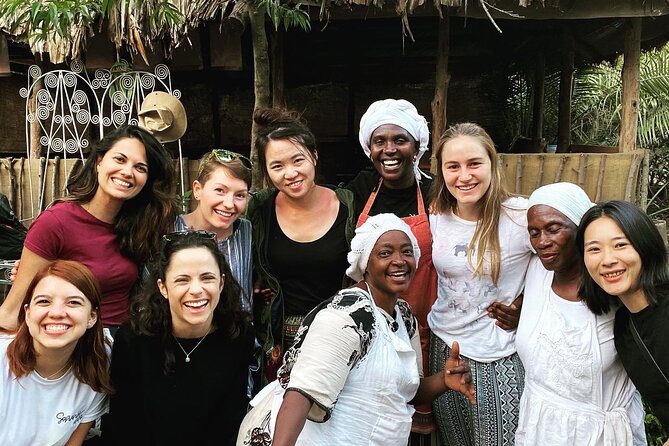
- Max 10 people means you get time to ask questions and cook, not just stand around
- You learn Swahili names for ingredients while prepping Tanzanian dishes
- Joyce and the Mama’s teach the class with a community-first vibe
- You can adapt for vegetarian and vegan diets if you tell them ahead
- Your $50 supports women through LISCO by contributing to their empowerment work
A 2:00 pm Arusha cooking class with purpose (and real food)
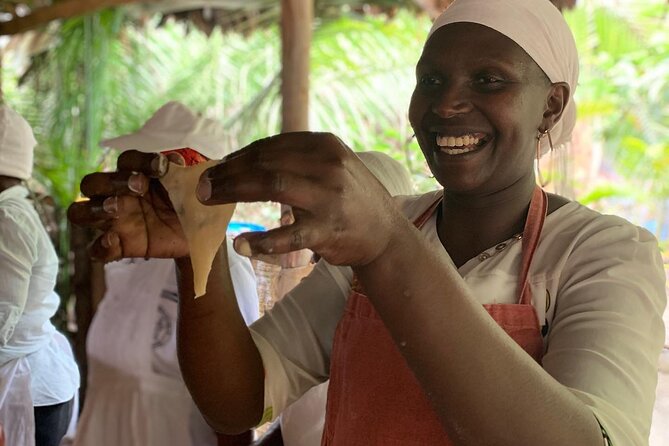
Arusha is famous for safari planning, mountain views, and day trips. This is different. This is an afternoon where your hands get involved, and your meal has a story attached.
The class is run by Lifted Strong Community Organization (LISCO). It’s designed around cooking traditional Tanzanian dishes, while the women running the program share Swahili ingredient names as you work. At $50 per person for about 3 hours, you’re paying for a small-group, hands-on cultural experience—plus direct support for a local effort that helps women facing major challenges.
The mood is practical. You’re fed. You learn techniques. You also get a better sense of why the program exists, and how community support can turn into real opportunities.
You can also read our reviews of more tours and experiences in Arusha.
Where to meet and how to get there without stress
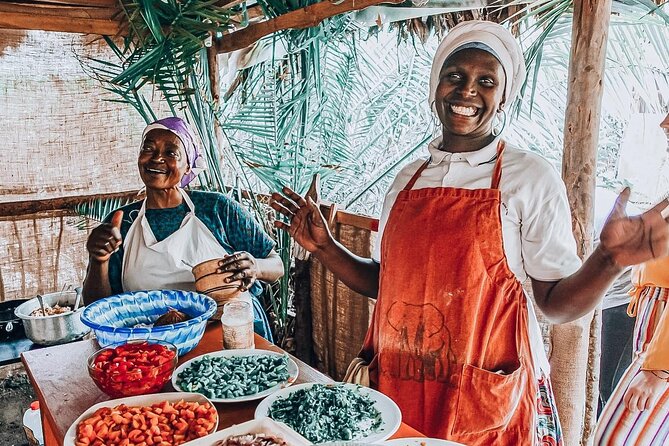
Meet at MJHR+GF in Arusha, Tanzania. The activity starts at 2:00 pm and ends back at the meeting point, so you’re not stuck figuring out a separate return plan.
You can either meet at the center or arrange pickup. Since the location can be a bit of a walk from main streets, I’d treat pickup as the default option unless you already know the area well. Wear shoes you’re happy to walk in—because kitchens plus roads plus afternoon timing is not the moment for slippery footwear.
If you’re using public transportation, the area is described as near public transport, which helps. And if you’re traveling with a service animal, service animals are allowed.
The 3-hour flow: cooking, Swahili, and that slow-burn learning curve
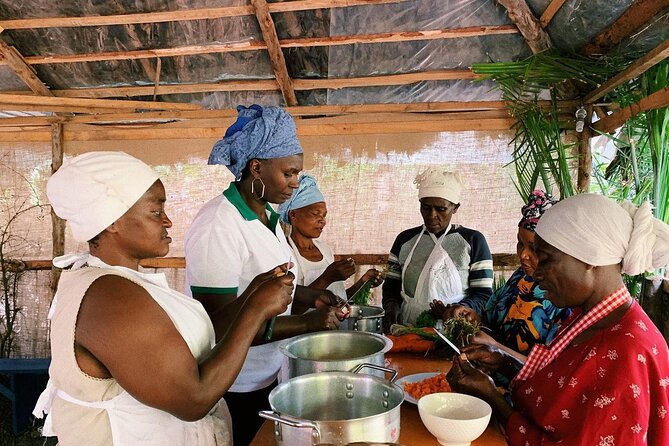
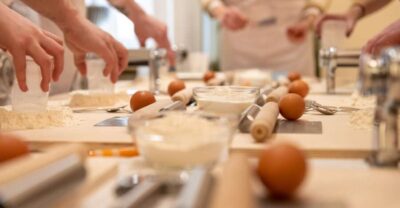
This class is short on paper—3 hours—but it’s not a quick demo. It’s hands-on kitchen time with guided instruction. Expect teamwork. Expect to taste as you go. Expect to learn by doing.
Here’s how the class experience typically feels, based on how the program is described and what people report happening in the kitchen:
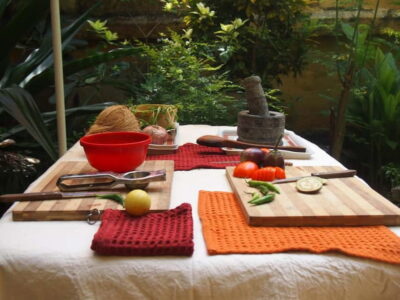
Start with preparation and ingredient talk. You’ll be shown traditional techniques and how ingredients come together for Tanzanian dishes. At the same time, you’ll pick up Swahili names for ingredients you’re actually using. That matters because it turns language into something practical, not trivia.
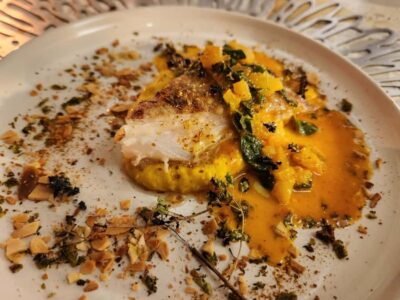
Then you cook. The class focuses on traditional Tanzanian food. In past sessions, people have learned items like samosas and soup, and dishes such as ugali with vegetables and rice. Some classes also include a cooked banana as part of the meal. If you have dietary needs, you can usually align your menu in advance when the team reaches out to coordinate what you’ll cook.
Finish with sharing and eating. You’re not just sent away with a worksheet. You eat what you made and you learn how flavors should balance. In some cases, extra portions have been available to take home, especially when groups made a lot during the session.
The biggest payoff here is the tempo. You get a proper chunk of time to learn, but it doesn’t eat your whole afternoon. Afterward, you’ll have the rest of the day free—use that to explore Arusha at your pace.
What you’ll cook: Tanzanian classics with flexible options
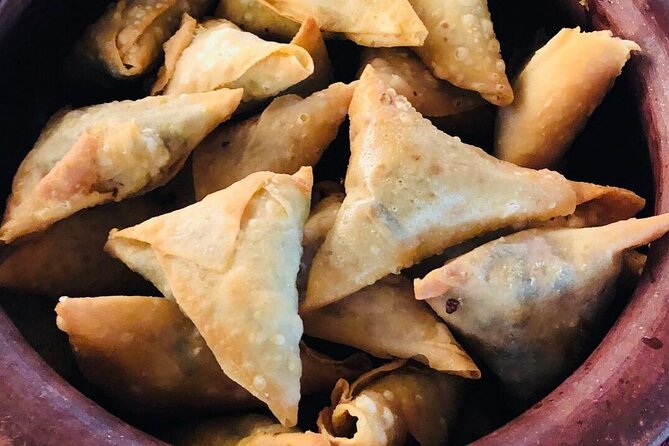
This class is built around traditional Tanzanian dishes rather than international fusion. The specific items can vary by session, but you should expect classics that teach you real technique: dough, frying, simmering, and building flavor from ingredients that show up in everyday Tanzanian meals.
From what the program emphasizes, you’ll likely see a mix of:
- Savory finger-food style cooking, such as samosas
- Soups and stews, where you practice seasoning and timing
- Staples like ugali (with vegetables and rice), where texture matters
- Simple cooked sides, including cooked banana in at least some menus
If you’re the type who wants to brag about a single dish forever, this might be your class. If you’re the type who wants to learn how cooking works in a local kitchen, this is also your class—because the ingredient focus and technique talk are part of the lesson.
Learning Swahili the useful way: ingredient names you’ll remember
Let’s be honest: a language app won’t teach you Swahili ingredient names while you’re standing over heat and chopping. This class does.
You’ll learn Swahili names for ingredients as you prepare the dishes. That means when you later see food markets, menus, or you ask for something at a restaurant, the words you learned won’t vanish the next day.
Even if you only catch a handful of terms, you’ll likely feel the difference right away. Food is the fastest way to make language stick.
The people side: meeting Joyce and the Mama’s, not just watching a show
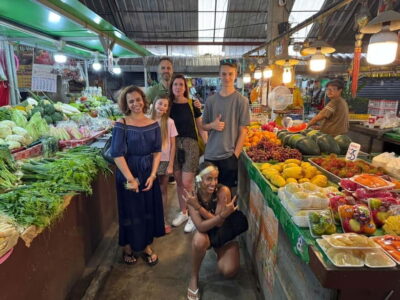
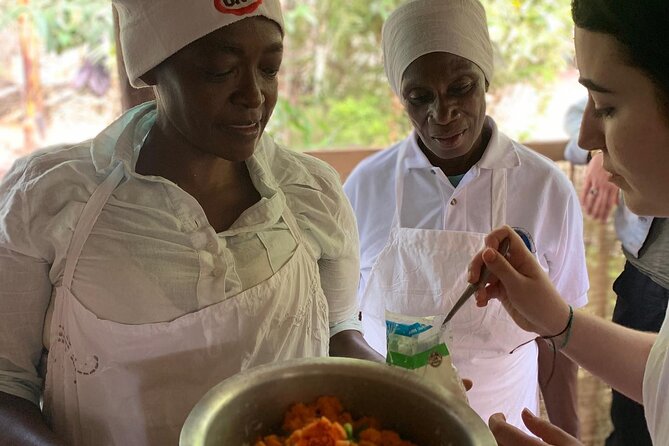
The experience centers on the women running the program—often referred to as the Mama’s—who guide the cooking and share the mission behind LISCO. Joyce and her team help make the class flow smoothly and help guests connect with what the organization is doing.
From the tone people describe, the women are welcoming and encouraging, and it feels more like cooking together than a rigid, classroom-style lecture. That’s a key point for value. You’re paying for education, yes—but you’re also paying to be treated like a participant.
If you’re traveling with kids or a small school group, the class has been used for that kind of learning as well. The atmosphere is encouraging, which matters when you’re teaching hands-on food skills.
Supporting LISCO: what your $50 helps power
This is the heart of the experience. LISCO aims to empower women facing hardships. The program is described as supporting women who may be dealing with HIV, domestic violence, poverty, and poor health.
So your participation isn’t just a feel-good add-on. It’s part of keeping a local community organization running and creating opportunities. When a class like this is built around the women involved, it turns your meal into a small piece of a larger solution.
I also like that the class is not just about cooking. You learn what the program is trying to change, and you see how skills, community, and support connect. That makes it easier to feel good about the money you spend, because it’s tied to something real.
Vegetarian and vegan: easier than you might fear
If you’re vegetarian or vegan, you don’t need to guess whether you’ll get a sad plate. The class states that vegetarian and vegan diets are catered for if you let them know in advance.
This is one of those details that can make or break a food experience. In a cooking class, you want to cook the food you’ll eat. So when the team can adjust, it’s not just accommodation—it’s participation.
If you have allergies or specific restrictions, it’s wise to mention them clearly during coordination. One group shared that veggie cooking and allergy adjustments were no problem, which is a good sign that they take dietary needs seriously.
Logistics that affect your day (and a few practical tips)
A few small things will help you enjoy this class even more:
- Go hungry and plan for an afternoon meal. You’re cooking and then eating. This is not a snack stop.
- Bring a phone for the mobile ticket, and expect to confirm details with the team.
- Wear comfortable clothes you won’t mind getting a little kitchen-used.
- Plan your route. If you don’t want to walk, use pickup. The site is described as not right in the center of the busiest streets.
- Ask about what you’ll cook ahead of time. In at least one case, Joyce reached out the day before to coordinate what would be prepared.
And because it ends back at the meeting point, you can pair it with other Arusha plans without juggling transportation stress.
Who should book this and who should skip it
This experience is a strong match if you want:
- A hands-on Arusha cultural activity that doesn’t feel like a museum
- A small group where you can actually talk and cook
- A cooking class that includes Swahili ingredient learning
- A way to spend money that supports women’s empowerment through LISCO
It might be less ideal if:
- You’re chasing a full-day itinerary with lots of stops
- You need a very formal, strict cooking curriculum with no flexibility
- You dislike locations that require a bit of local navigating (pickup helps)
If you’re already planning an afternoon free in Arusha, this slots in perfectly. It’s social, practical, and meaningful without dragging on.
Should you book NGO Lifted Strong Traditional Tanzanian Cooking Class?
I’d book it if you’re the kind of traveler who likes food with context. The small group size, the hands-on cooking, and the Swahili ingredient lesson all make the experience more than a one-time meal. Plus, your payment supports LISCO’s work helping women facing serious hardship, so you’re not just consuming—you’re contributing.
Book it with pickup in mind if you’d rather not handle local walking. And if you have dietary needs, tell them early so the kitchen can set you up to cook and eat something that fits.
If you want, tell me your diet (omnivore/vegetarian/vegan and any allergies) and your hotel area in Arusha, and I’ll suggest the easiest way to time and plan the rest of your afternoon around this.
FAQ
How long is the NGO Lifted Strong Traditional Tanzanian Cooking Class?
The class lasts about 3 hours.
What time does the class start in Arusha?
The start time is 2:00 pm.
Where do I meet for the cooking class?
The meeting point is listed as MJHR+GF, Arusha, Tanzania. The activity also ends back at the meeting point.
Can I arrange pickup instead of meeting at the center?
Yes. You can either meet at the center or arrange for pickup.
What group size should I expect?
There is a maximum of 10 travelers.
Do you include Swahili learning in the class?
Yes. You learn Swahili names for ingredients as part of the cooking lesson.
Are vegetarian and vegan options available?
Yes. Vegetarian and vegan options are available if you let them know in advance.
Is there a cancellation option with a full refund?
Yes. Free cancellation is offered, with a full refund if you cancel at least 24 hours before the experience’s start time.