REVIEW · TOKYO
Japanese Food Cooking Class in Asakusa, Tokyo
Book on Viator →Operated by Sushi Making Tokyo Cooking Class in Japan · Bookable on Viator
Two Tokyo rituals, taught side by side.
This Japanese food cooking class in Asakusa pairs matcha whisking with hands-on sushi making, so you’re not just eating the culture—you’re making it. It’s also close to Sensoji Temple, which makes it a smart stop when you want traditional Tokyo without a long detour.
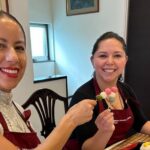
What I like most is how step-by-step the instruction feels, with instructors who slow things down and help you get it right. I also love the class vibe: you’re guided with real warmth and humor, and it ends with sushi you can actually be proud of.
One consideration: there’s no hotel pickup, so you’ll need to get yourself to the meeting point in Asakusa and then head back there afterward.
In This Review
- Key Highlights You’ll Care About
- Rolling Sushi and Whisked Matcha in Asakusa
- Matcha Making in Japan: Learning the Traditional Whisking Routine
- Sushi Making in Tokyo: Maki Rolls and Nigiri Under Friendly Coaching
- What You Actually Eat: Ingredients and the Meal Included
- Where to Meet: Asakusa’s Kaminarimon Area (No Hotel Pickup)
- Group Size, Timing, and How English Works in Your Favor
- Price and Value: Is $85.87 a Good Deal?
- Who This Tokyo Cooking Class Fits Best
- Should You Book Sushi Making Tokyo in Asakusa?
- FAQ
- How long is the Japanese food cooking class in Asakusa?
- Where does the class meet?
- Is hotel pickup included?
- Is the class taught in English?
- Do I need cooking experience to join?
- Is food included in the price?
- How many people are in the class?
- What is included with the booking ticket?
- Can I cancel for a full refund?
Key Highlights You’ll Care About
- Sensoji-area convenience: You’re a few minutes’ walk from the famous temple area.
- Two skills in one sitting: About 1 hour of matcha followed by 1 hour 40 of sushi.
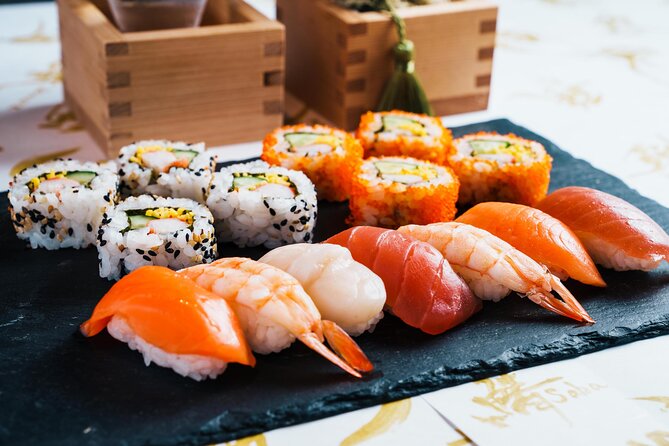
- You make both styles: You’ll learn techniques for maki rolls and nigiri.
- English guidance throughout: An English-speaking instructor walks you through each step.
- Small class size: Maximum of 15 travelers, so it’s not a huge production.
- Good atmosphere, real payoff: People repeatedly point out the fun energy and the delicious end result.
Rolling Sushi and Whisked Matcha in Asakusa
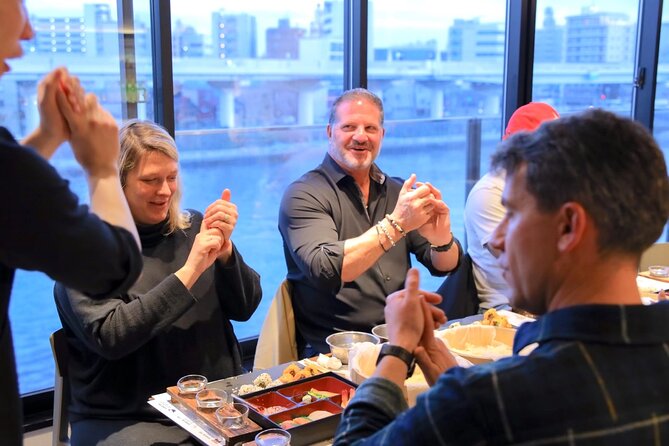
Asakusa is one of those Tokyo neighborhoods where old-school Tokyo still feels close at hand. Doing a food class here means you’re not spending the day hopping across town just to learn something you’ll forget by dinner.
The best part of this format is that it tackles two big pillars of Japanese eating culture: matcha and sushi. You’ll spend time learning the tea routine, then switch gears to sushi prep—rice handling, topping placement, and rolling—under clear guidance in English.
And yes, it’s also a practical choice. With a total time of about 3 hours, it fits neatly between temple time, a walk along nearby streets, and your next Tokyo meal.
You can also read our reviews of more tours and experiences in Tokyo.

Matcha Making in Japan: Learning the Traditional Whisking Routine
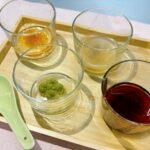
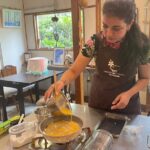
The class starts with matcha, usually taking around 1 hour. This portion is about technique and mindset, not just mixing powder into hot water and hoping for the best.
Here’s what you can expect from this first stage:
- You’ll learn how Japanese tea is prepared and served the traditional way.
- You’ll practice whisking to get the right texture and consistency.
- You’ll get enough time to actually feel the process, instead of rushing through it.
This is also the calm before the sushi chaos. Matcha preparation gives you a grounding moment—especially helpful if you tend to get hungry and impatient when you see a class about food.
If you’re a matcha fan, this is a nice chance to move from store-bought sipping to understanding what goes into the real routine. And if you’re not a matcha fan yet, it’s often easier to develop an opinion when you’ve handled the tool, watched the technique, and built the cup yourself.
Sushi Making in Tokyo: Maki Rolls and Nigiri Under Friendly Coaching
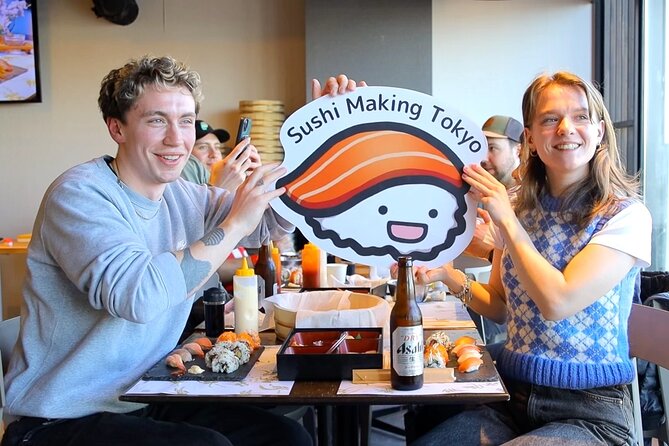
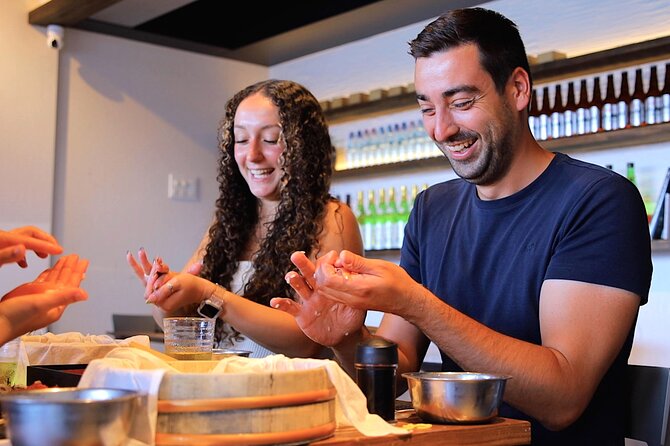
After matcha, you switch to sushi making for about 1 hour 40 minutes. This is the hands-on portion, and it’s where the class earns its reputation.
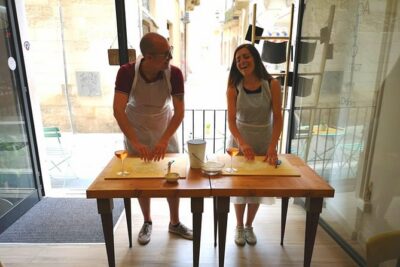
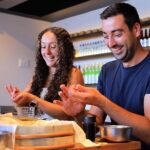
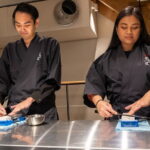
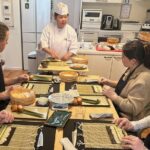
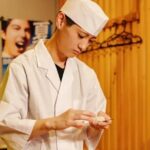
You’re not just watching someone else do the work. You’re learning to make maki rolls and nigiri, with an instructor guiding you through each step and checking that your technique is moving the right direction.
In a good sushi class, the biggest challenge isn’t the ingredients—it’s the feel: rice temperature, rice handling, and how you build the roll without turning it into a rice pancake. This class is set up to help you with exactly that.
What stands out from the experience is how clearly they explain what to do next, and how they support you when you miss a step. Many people highlight instructors who are patient and organized, plus a fun teaching style. Names that come up in the feedback include Jun and Kazu, both described as knowledgeable, friendly, and good at keeping the mood light while still teaching proper technique.
One more perk: the class includes context about sushi, so you’re not learning just a recipe—you’re picking up the story behind it while you work. That makes the finished sushi taste better, even if you’re the type who usually just wants the final product.
What You Actually Eat: Ingredients and the Meal Included
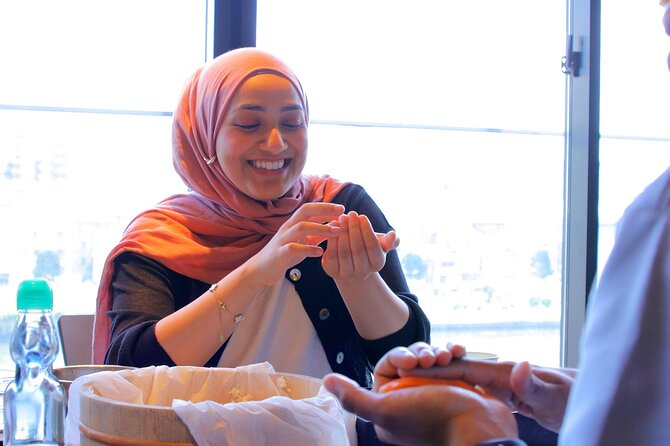
The price includes the ingredients of the cooking class and the meal. That matters because sushi classes sometimes feel like you pay for instruction only, with a tiny sampling at the end.
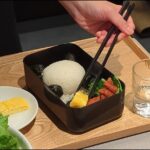
Here, you should expect a real payoff: you end up eating what you make. Multiple comments point out that you make a lot of sushi and that the final food is delicious—not only edible, but genuinely enjoyable.
That’s a key value point for me. A cooking class is only worth it if you leave with both skills and satisfaction. When the class gives you ingredients, coaching, and an actual meal, you’re not just buying an activity—you’re buying dinner plus a memory you can repeat later at home.
Where to Meet: Asakusa’s Kaminarimon Area (No Hotel Pickup)
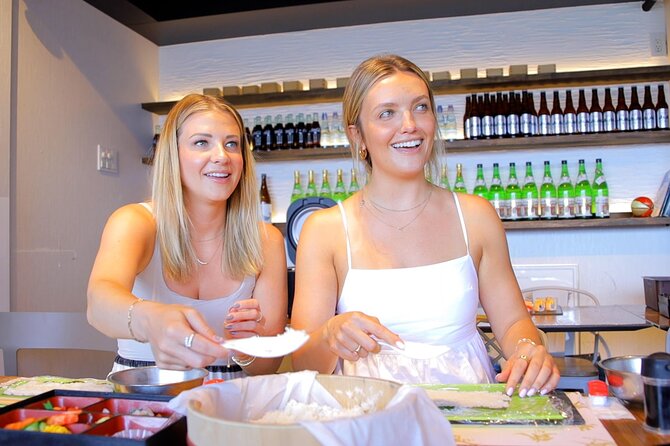
The meeting point is 2-chōme-17-9 Kaminarimon, Taito City, Tokyo 111-0034, Japan. The experience also ends back at the meeting point, so you’re free to continue your day after class without planning a whole second transit.
Since there’s no hotel pickup or drop-off, treat this like a Tokyo neighborhood walk-to-activity situation. The operator says it’s near public transportation, which helps a lot. Still, do yourself a favor and check your route before you leave the hotel—Asakusa streets can feel straightforward, but they can also loop if you’re distracted by snack smells and temple sights.
The upside: being able to walk to your next stop means less waiting around and more time doing Tokyo things on your schedule.

Group Size, Timing, and How English Works in Your Favor
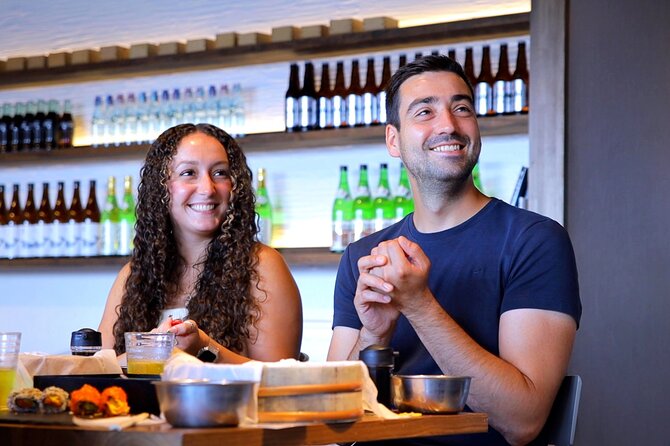
The class is capped at 15 travelers. That smaller cap is important. It generally means the instructor can keep eyes on what’s happening, answer questions, and help when your roll starts to look like it’s planning its own escape.
Timing-wise, this is a structured experience:
- Matcha takes about 1 hour.
- Sushi takes about 1 hour 40 minutes.
- Total time is roughly 3 hours when you factor in transitions.
It’s also built for mixed experience levels. The class doesn’t require cooking experience, and the instruction is in English, so you’re not stuck guessing what the technique is supposed to feel like.
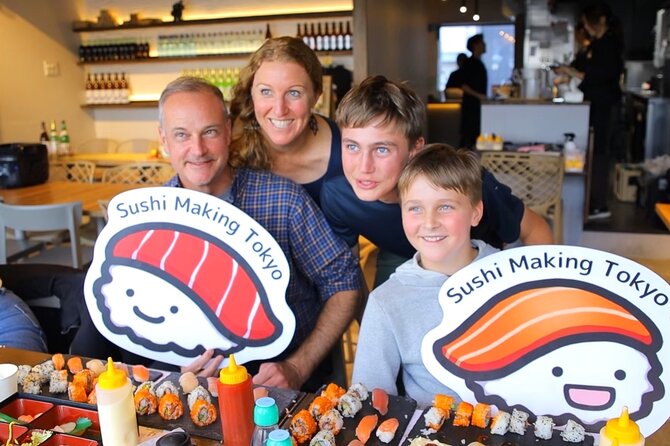
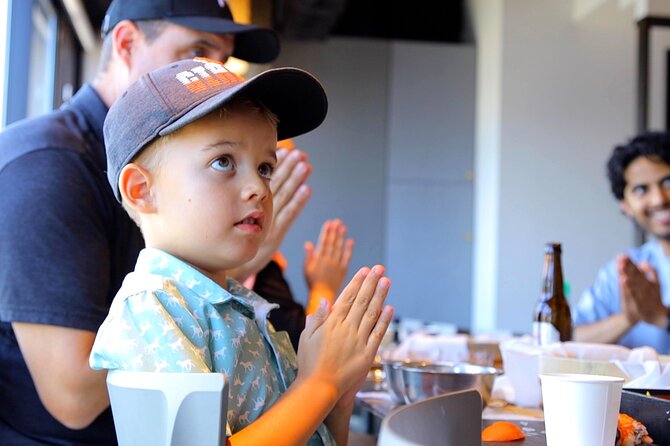
If you’re traveling with family, this setup can work nicely. One family-sized experience that gets called out in feedback specifically mentions kids having a fun time and being excited to eat what they made. So if you’ve got younger travelers who do better with hands-on activities than lectures, this format is likely a good fit.
Price and Value: Is $85.87 a Good Deal?
The listed price is $85.87 per group (up to 1), and the duration is about 3 hours. That can look high or low depending on what you’re comparing it to—but the value depends on what’s included, not just the sticker number.
Here’s where the math gets friendly:
- You get both matcha and sushi instruction.
- Ingredients and the meal are included.
- You’ll work with an English-speaking instructor.
- You’ll make enough food to feel like you had dinner, not just a taste.
For a hands-on class that includes two separate cooking/tea experiences, the price becomes easier to justify. You’re paying for teaching time, ingredients, and the cleanup labor you don’t want to do yourself.
If your plan is already to visit Sensoji and walk Asakusa afterward, this class is also a time-efficient add-on. Instead of spending that time on just another meal, you’re building a skill you can bring home.
Who This Tokyo Cooking Class Fits Best
This is a strong choice if you want:
- A hands-on Tokyo experience that goes beyond photos and shopping bags.
- A mix of traditional tea culture plus modern everyday food skills (sushi making).
- Clear English instruction without needing prior culinary knowledge.
- A fun activity that can work for families and mixed-age groups.
It’s also a good pick if you get bored by tours that feel like a long series of standing still. Here, you’ll be rolling, shaping, whisking, tasting—then eating the results.
Should You Book Sushi Making Tokyo in Asakusa?
I’d book this class if you’re the type of traveler who likes doing something with your hands and leaving with a meal you helped create. The combination of matcha and sushi in one about 3-hour block is efficient, and the coaching style—patient, step-by-step, and often funny—seems built to help people succeed even when it’s their first time.
Skip it only if you want a purely sightseeing day with minimal structure. Also, if you hate finding meeting points on foot, remember: there’s no hotel pickup, and the class returns you to the same place.
If that part sounds fine, this is the kind of Tokyo experience that turns into a story you keep telling, because you can explain exactly what you learned and how you made it.
FAQ
How long is the Japanese food cooking class in Asakusa?
It runs for about 3 hours. Matcha takes about 1 hour, and sushi making takes about 1 hour 40 minutes.
Where does the class meet?
The meeting point is 2-chōme-17-9 Kaminarimon, Taito City, Tokyo 111-0034, Japan.
Is hotel pickup included?
No. Hotel pickup and drop-off are not included.
Is the class taught in English?
Yes. An English-speaking instructor guides you step by step.
Do I need cooking experience to join?
No experience is needed. Most travelers can participate.
Is food included in the price?
Yes. Ingredients are included, and the meal you make is included as part of the experience.
How many people are in the class?
The experience has a maximum of 15 travelers.
What is included with the booking ticket?
You receive a mobile ticket.
Can I cancel for a full refund?
Yes. You can cancel up to 24 hours in advance for a full refund. If you cancel less than 24 hours before the start time, the amount paid is not refunded.