REVIEW · TAGHAZOUT
Taghazout: Authentic Moroccan Botanical Garden Cooking Class
Book on GetYourGuide →Operated by IBN BATOUTTA TRAIL · Bookable on GetYourGuide
Cooking tajine in a garden feels like Morocco. I like how this class teaches you Moroccan mint tea and tajine inside a working botanical garden, so the food lesson is tied to real plants, herbs, and seasonal produce. You’ll be using what’s around you, not just a random demo kitchen.
I also like the flow from free Taghazout hotel pickup to the garden, then into hands-on cooking. In the end, you eat what you cook—proper lunch—so the whole morning feels productive, not like a quick show-and-tell.
The only thing to watch: at $100 per person, it’s on the pricier side for a 5-hour experience. If you expect a longer, heavier cooking session or a bigger menu, you might want to compare before booking.
In This Review
- Key highlights at a glance
- From Taghazout pickup to the garden kitchen
- A garden welcome: tea, breakfast, and herb-watching
- Moroccan mint tea: learning the method, not just the flavor
- Tajine cooking class: spices, fruit, and hands-on control
- Lunch you cook: eating the payoff
- Price and value: what $100 buys (and what it doesn’t)
- Who this cooking class is best for
- Should you book the Taghazout botanical garden tajine class?
- FAQ
- Where does the cooking class take place?
- What time does the activity start?
- What dishes will I learn to make?
- What is included with lunch?
- Do I get hotel pickup and drop-off?
- What languages are the guides available in?
- Can I cancel for a refund?
- Can I reserve now and pay later?
Key highlights at a glance
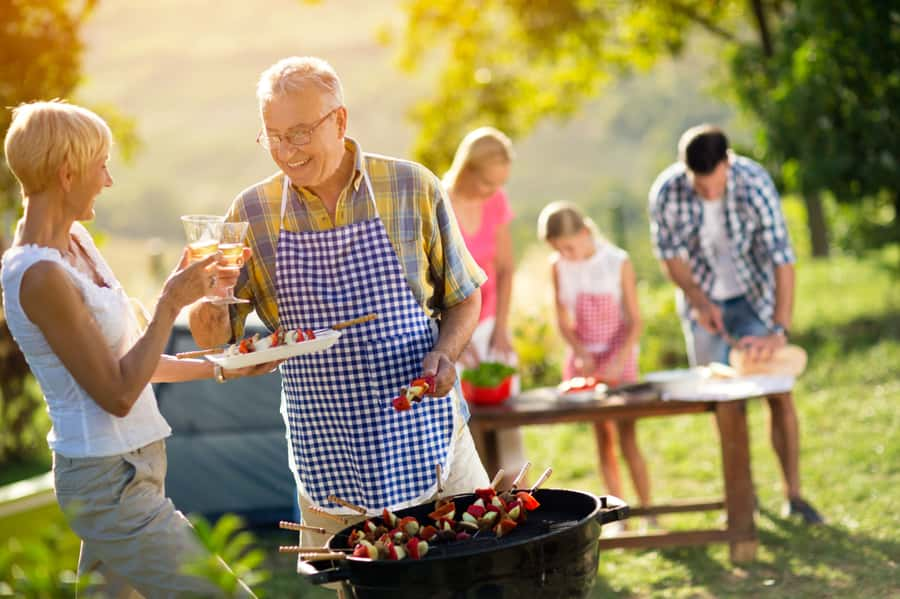
- Botanical garden cooking setting with herbs and vegetables tied to the lesson
- Mint tea practice using the flavors and method Morocco is known for
- Tajine cooking hands-on with seasonal fruits and spices included
- Lunch you cook, served after your preparation
- English/French/Arabic support with a local guide
- Convenient free hotel pickup and drop-off in Taghazout
From Taghazout pickup to the garden kitchen
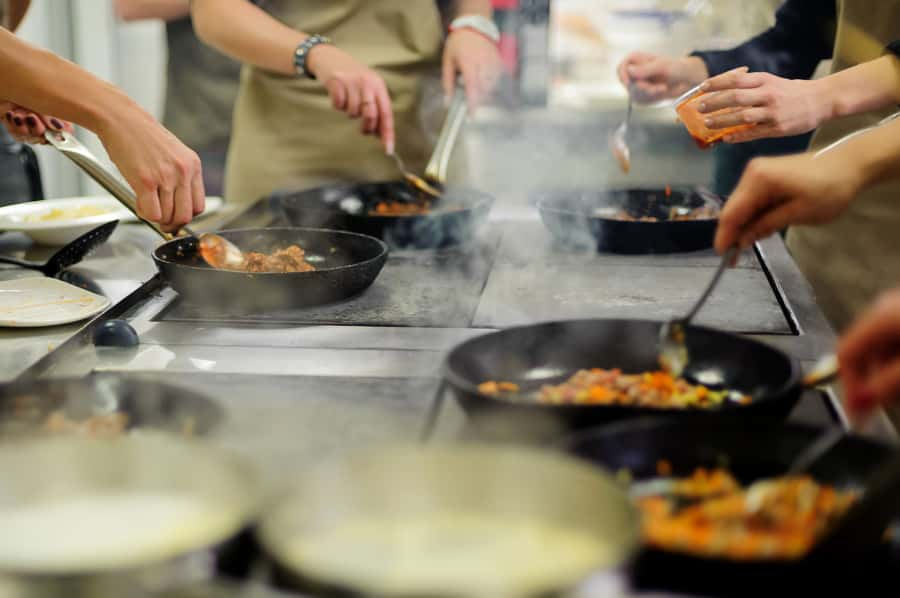
Your day starts early. Expect pickup at 8:30 from your hotel in Taghazout, then an air-conditioned ride toward the Paradise Valley road area. The drive matters more than you might think: you’re not just being transported to a classroom. You’re being moved into the rhythm of how people actually travel through this part of Morocco—short stretches between villages, roads lined with greenery, then a calm spot where cooking becomes the focus.
When you arrive, you’ll start with tea and the basics before you touch ingredients. That structure is helpful if you’re new to Moroccan cooking. It gives you a mental map: what to smell, what to listen for, what steps come before others.
One practical note: the experience is described as a local village start, then the cooking happens in the botanic gardens. That means you should plan to be active—standing, walking on uneven garden paths, and moving between the tea stage and the cook-your-lunch stage.
A garden welcome: tea, breakfast, and herb-watching
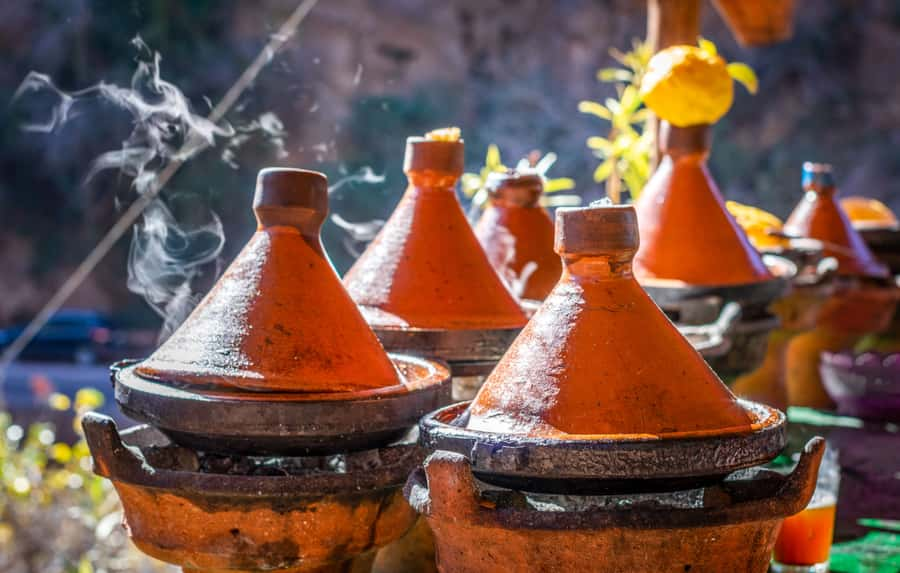
The best part of the opening moment is how you’re greeted. In at least one run of this experience, people were welcomed with breakfast and Moroccan tea while seated with garden views. Even if your exact welcome is slightly different, the intention is consistent: you’re not thrown into cooking immediately. You start by slowing down and tasting the culture first.
This is also when you’ll get a sense of what’s growing. The class emphasizes that species, vegetables, and fruits are included in the experience. That matters because Moroccan cooking isn’t only about technique—it’s about balance. You’re tasting sweetness, spice, and the herbal backbone of Moroccan dishes, then learning how those flavors connect once you start cooking your tajine.
If you care about authenticity (and not just a meal), this botanical setting does two things well:
- It ties your ingredients to living plants, herbs, and seasonal growth.
- It makes the kitchen feel like part of daily life, not a staged activity.
Moroccan mint tea: learning the method, not just the flavor
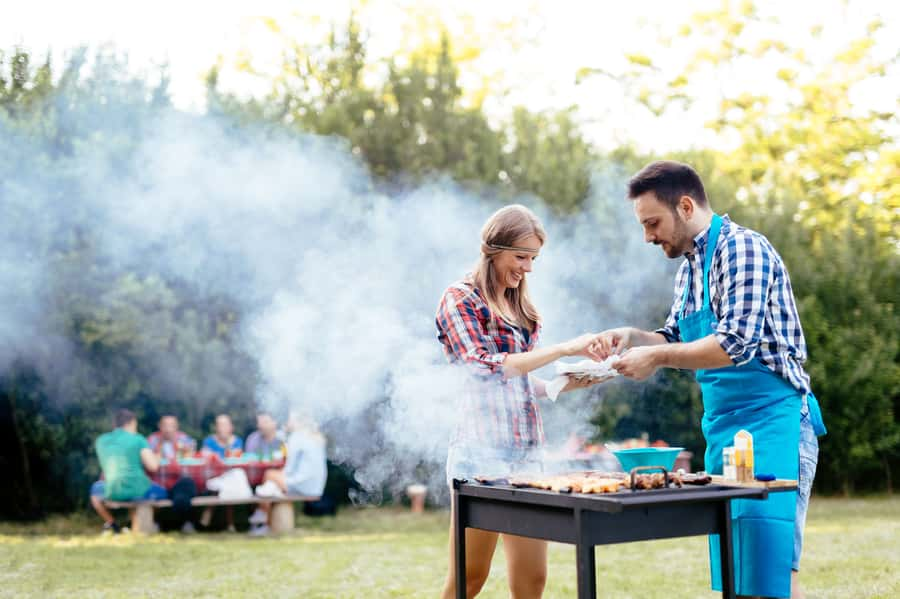
Moroccan tea is famous for a reason, but what you want from a class is usually the method. Here, you learn the process as part of the morning program, starting in a local setting before heading into the garden cooking area.
Watch for three learning points when it comes to mint tea:
- Spice and herb balance: mint isn’t the only flavor. You’ll be handling a blend of tea and herbs (and likely sugar) in a way that produces that classic Moroccan taste.
- How it’s poured: the pouring style affects how the drink settles and tastes.
- Timing: tea is about heat control. You can’t rush your way to the right profile.
This is where the guide support makes a difference. The experience offers a local guide in English and French (and Arabic is also listed as available). If you’re comfortable with one of those languages, you’ll get more than recipes—you’ll get explanations for why you’re doing each step.
Also, the experience explicitly includes Moroccan mint tea, so you’re not just learning. You’re tasting what you’re trying to recreate.
Tajine cooking class: spices, fruit, and hands-on control
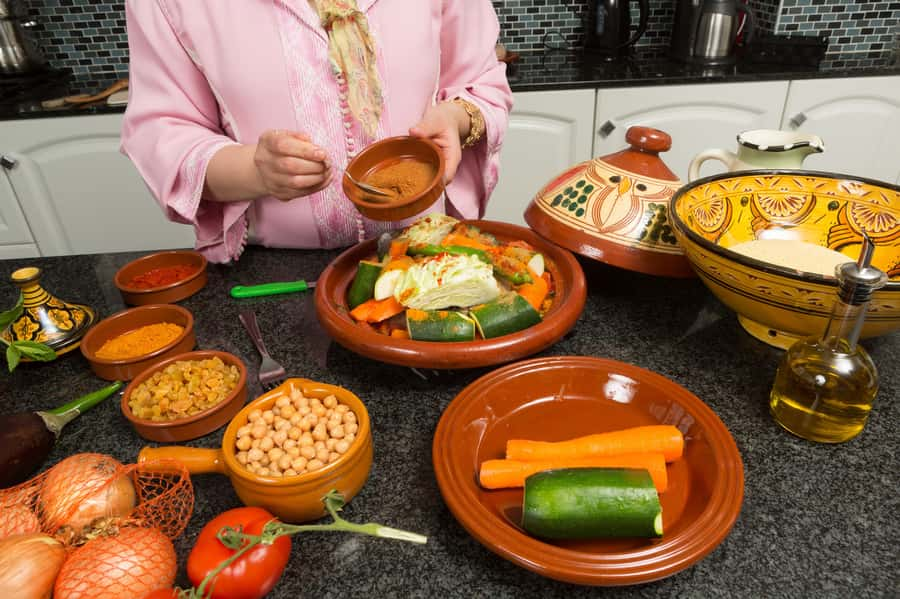
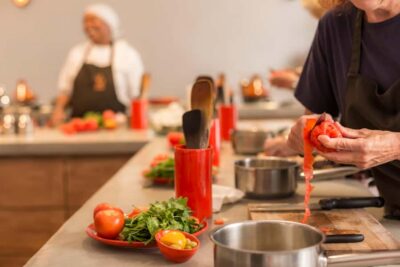
After tea, the focus shifts to the dish Morocco is known for: Moroccan tajine. You’ll learn how to cook it with fresh ingredients sourced through the included garden produce (vegetables, fruit, and herbs). The class happens in the botanic gardens, which means you’re cooking in a place that reinforces where flavors come from.
Here’s why this kind of hands-on tajine lesson is worth your time:
- You get to work with spices instead of just reading about them later.
- You build a practical understanding of layering flavors—what goes in first, what’s added for aroma, and how sweetness can balance heat.
- You see the ingredients as a set, not as isolated items.
One important detail from the experience notes: the class includes seasonal fruits. That matters because Moroccan tajines often use fruit not as dessert, but as a flavor partner to savory cooking. If you’ve only experienced sweet-and-sour as a generic idea, you’ll likely find the real balance here feels more intentional.
Guides can make or break a cooking class, and this one has strong names tied to it. I’ve seen mention of Fatima as the host who helped people through the cooking course with ease. On one occasion, Houcin and Yousef were described as informative and fun. That kind of guidance is exactly what you want when the goal is to leave with skills you can repeat at home.
Lunch you cook: eating the payoff
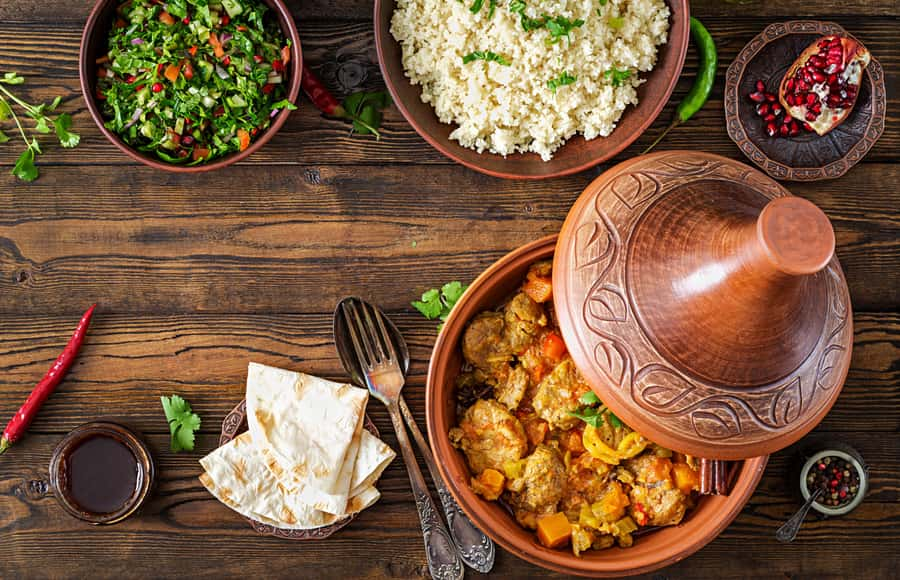
The class includes lunch and seasonal fruits, and you eat what you prepared. This is a big value point. Lots of food tours either feed you first or feed you only after a viewing. Here, the cooking comes first and the meal is the result.
In practical terms, this helps you learn faster:
- You cook while you’re still fresh on technique.
- You taste immediately, so you can connect what you did to what you liked.
- You can ask questions while your tajine is still part of the process.
If you’re traveling with someone, this setup also makes the experience easier to share. One person can focus on the cooking rhythm while the other asks about spice choices, then you both compare notes while eating.
Do keep your timing expectations realistic: it’s a 5-hour total experience. You’ll get enough time to participate and eat, but it won’t be an all-day slow food retreat.
Price and value: what $100 buys (and what it doesn’t)
At $100 per person, this is not a bargain. The price is basically paying for four things:
- Hotel pickup and drop-off in Taghazout (so you’re not arranging transport)
- Air-conditioned transportation
- A local guide who supports you in English/French/Arabic
- A structured cooking session in a botanical garden, with ingredients and lunch included
What you get for that money is a guided, ingredient-based cooking lesson plus food. That’s often better value than paying for a restaurant meal and then separately signing up for a generic class. You’re combining the two outcomes: learning and eating.
What it might not be, for some people: a huge multi-course cooking festival. Since the emphasis is on mint tea and tajine (plus fruits and lunch), the menu stays focused. If you want to master multiple Moroccan dishes, more elaborate workshops, or a longer time with ingredients, you may feel the session is short.
Still, the consistent high points people mention—kind hosts, a friendly pace, and getting to cook your own lunch—make it feel like a solid “do it once and learn it well” experience.
Who this cooking class is best for
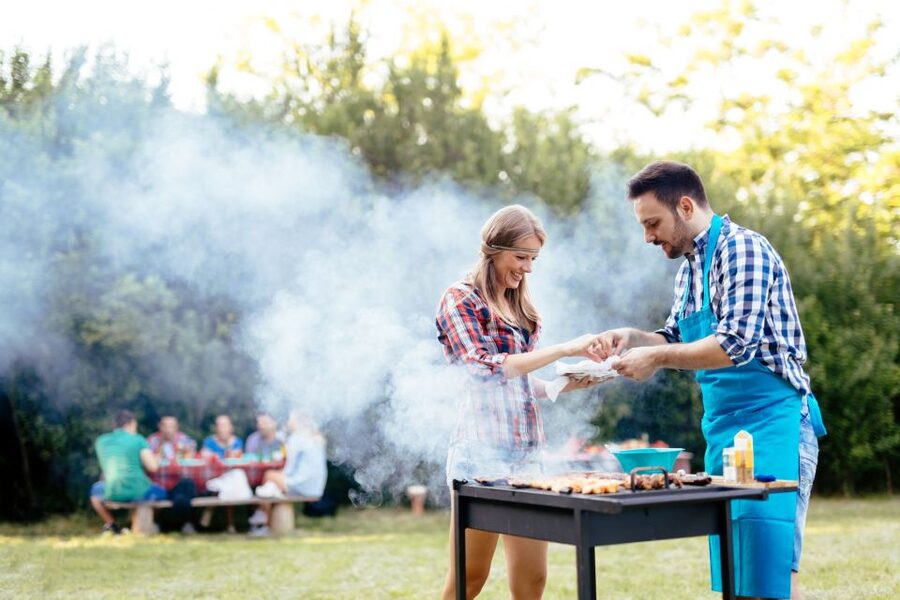
This is a great match if you:
- Want a hands-on Moroccan cooking experience, not only a tasting tour
- Like the idea of cooking with fresh, included seasonal produce
- Appreciate learning with a guide you can ask questions to in English or French (or Arabic if needed)
- Prefer a morning activity that ends with a satisfying meal
It may not be ideal if:
- You’re extremely price-sensitive and compare every tour strictly to restaurant costs
- You’re expecting a massive variety of Moroccan dishes beyond mint tea and tajine
- You don’t like light walking or moving between garden areas for tea and cooking
Should you book the Taghazout botanical garden tajine class?
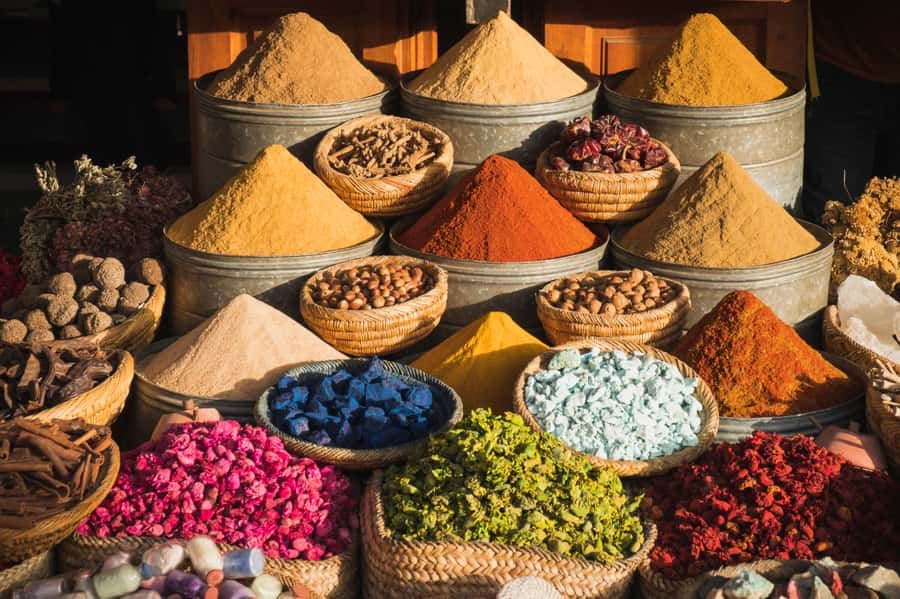
If you want one Moroccan food experience that’s practical, ingredient-focused, and ends with you eating your own results, I think this is a strong choice. The combination of mint tea training, tajine cooking, and a garden setting makes it feel real rather than scripted.
Book it especially if you’re traveling in Taghazout and you want a morning plan with low stress: free hotel pickup and drop-off, air-conditioned transport, and a guided structure from start to finish.
If the $100 price makes you hesitate, do a quick comparison: look at how many dishes you’ll cook, how long the cooking time lasts, and whether ingredients are truly included. If your top priority is concentrated learning and a tasty meal outcome, this class fits that goal well.
FAQ
Where does the cooking class take place?
The cooking class session takes place in the botanic gardens associated with the experience.
What time does the activity start?
Pickup is scheduled at 8:30 from your hotel in Taghazout, with the tour running for about 5 hours.
What dishes will I learn to make?
You’ll learn how to make Moroccan mint tea and how to cook a classic Moroccan tajine.
What is included with lunch?
Lunch is included, along with seasonal fruits.
Do I get hotel pickup and drop-off?
Yes. The experience includes free hotel pickup from Taghazout and hotel drop-off in Taghazout.
What languages are the guides available in?
The live tour guide is available in Arabic, English, and French.
Can I cancel for a refund?
Yes. You can cancel up to 24 hours in advance for a full refund.
Can I reserve now and pay later?
Yes. The experience offers reserve now & pay later, so you can book your spot and pay nothing today.