REVIEW · OSAKA
Sushi and Japnese foods cooking class in Osaka
Book on Viator →Operated by Cooking Class YAYO · Bookable on Viator
Make sushi where Osaka eats. I like that this class is hands-on, small, and run by a licensed chef, so you’re not just watching. I also love the cozy, home-kitchen feel that makes the lesson feel personal instead of staged. One thing to factor in: the space is strict about time, and if you’re 10 minutes late your spot may be lost and you won’t get a refund.
You’ll roll sushi you can be proud of, then eat it as dinner. I especially like that the meal isn’t an afterthought: you get miso soup and a Japanese omelet along with the rolls, plus snacks and taiyaki for dessert. The only drawback is that because this is a compact cooking studio, the class can be small and you need to follow the flow closely.
In This Review
- Key Things I’d Book This For
- Why This Osaka Sushi Class Feels Like a Real Night Out
- Getting to the Start Point Without Stress
- Your Hands-On Sushi Lesson: Rice, Nori, and Rolling That Actually Works
- How the class helps you get better fast
- What You Eat: Sushi Rolls, Miso Soup, Japanese Omelet, and Snacks
- Optional Sake and Beer Tasting: Upgrade Smart, Sip With Intention
- Taiyaki for Dessert: The Sweet Finish That Feels Like Osaka
- Price and Value: What $165.13 Actually Buys You
- Who This Class Is Best For (And Who Might Want Another Option)
- Booking Timing, Ticket Style, and Group Size
- Should You Book This Osaka Sushi Class With Yayo?
- FAQ
- What is included in the dinner?
- How long is the sushi-making class in Osaka?
- Do I need to speak Japanese?
- Is sake or Japanese beer included?
- Where does the experience start and end?
- What happens if I arrive late?
- Is there cancellation if plans change or weather is bad?
Key Things I’d Book This For
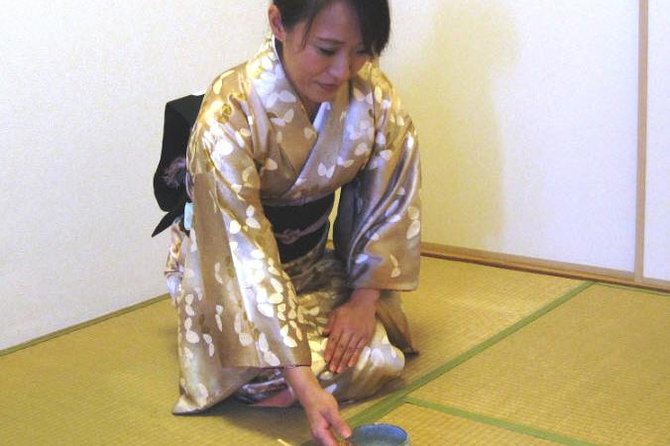
- Licensed chef instruction with English support, focused on real technique instead of theory
- Limited size for a calmer pace while you learn rolling and sushi-rice basics
- Dinner is included: sushi you make, miso soup, and a Japanese omelet
- Optional sake and beer upgrade if you want to turn dinner into a tasting night
- Taiyaki dessert after you finish cooking and eating
Why This Osaka Sushi Class Feels Like a Real Night Out
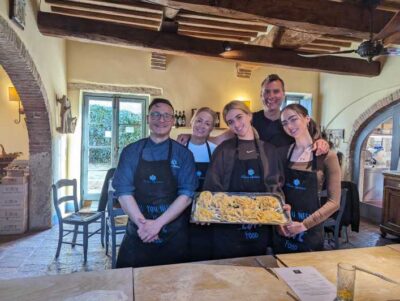
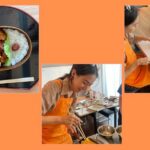
This isn’t the kind of class where you spend two hours taking notes and then leaving hungry. It’s built around the core idea of sushi: prep carefully, roll steadily, and then enjoy what you made. The lesson is guided by Yayo, your instructor, and you’ll also meet Akane, who handles guest service and keeps things running smoothly.
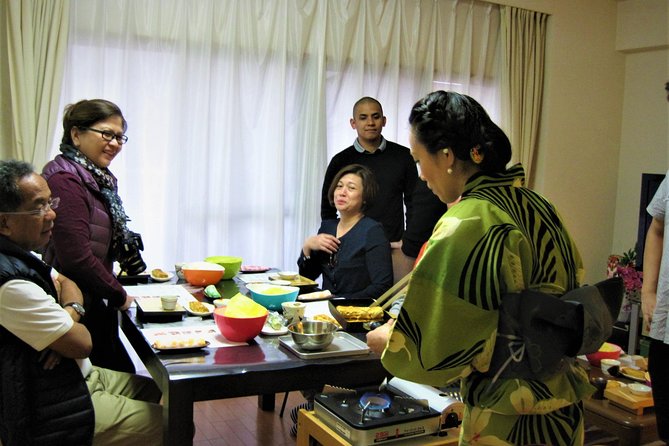
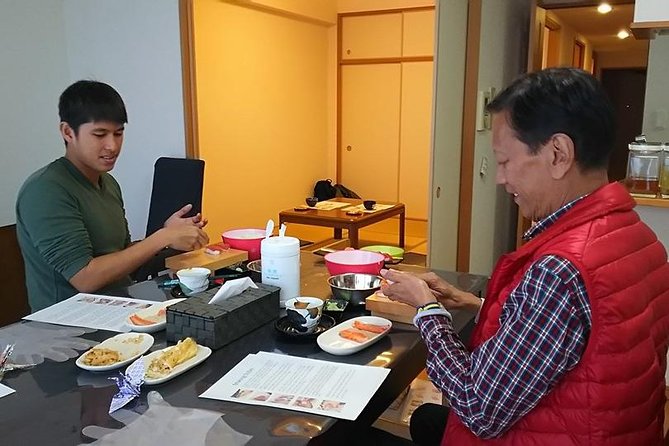
You start in central Osaka, then head to a nearby home-style setting for cooking. That shift matters. In a lot of cooking classes, you stay in a studio the whole time. Here, you’re brought into a lived-in space where Japanese food is treated like everyday craft, not a performance.
I like that the vibe stays practical. You’ll work at your own pace, get a few tries, and learn the rolling steps in a way that makes sense even if you’re brand new to sushi.
You can also read our reviews of more tours and experiences in Osaka.

Getting to the Start Point Without Stress
You’ll meet outside Noda Station (1 Chome-1 Ohiraki, Fukushima Ward, Osaka). It’s convenient because it’s near public transportation, and the meeting point is clear enough to find without circling forever.
From there, you walk to the nearby home where the lesson happens. That short travel piece is useful: it signals you’re switching from sightseeing mode into dinner mode. Also, it keeps the group together before you start handling ingredients.
A heads-up that’s worth taking seriously: they’re strict about timing. If you show up more than 10 minutes late, the contract becomes invalid and there’s no refund. Plan for train delays, station exits, and the fact that you’ll want to get there calmly, not sprinting.
Your Hands-On Sushi Lesson: Rice, Nori, and Rolling That Actually Works
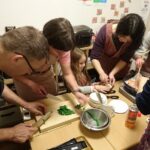
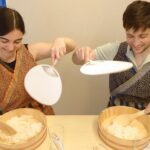
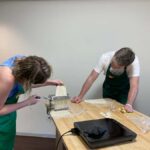
The main lesson is structured, step by step. First comes the foundation: making sushi rice. This is where a lot of beginners get stuck when they try at home, so I’m glad the class starts here instead of jumping straight to rolling.
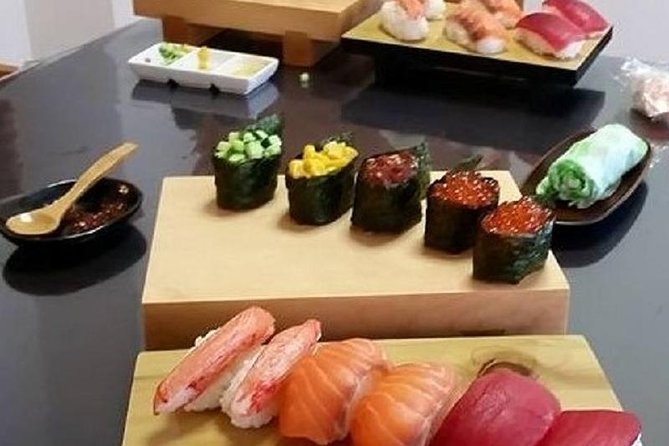
Then you move to rolling with nori (dried seaweed sheets). Yayo demonstrates how to place ingredients inside the roll, including sashimi (thin-sliced fish) and other selected fillings. You get to choose from the ingredients offered that day, which makes the class feel less like a script and more like you’re learning what matters for balancing flavor and texture.
How the class helps you get better fast
This is a skill-based lesson, so you’re not expected to nail it immediately. You’ll take your turn and get a few tries to learn:
- How much rice to use without overpacking
- How to position fillings so they don’t shove out when you roll
- How to roll with steady pressure so the shape holds
The best part is that you’re learning technique, not just copying a final product. Even if your first roll isn’t perfect, you’ll understand what to fix for the next one.
What You Eat: Sushi Rolls, Miso Soup, Japanese Omelet, and Snacks
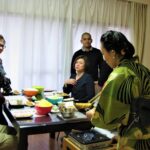
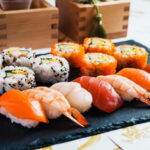
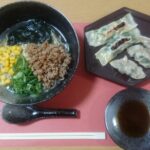
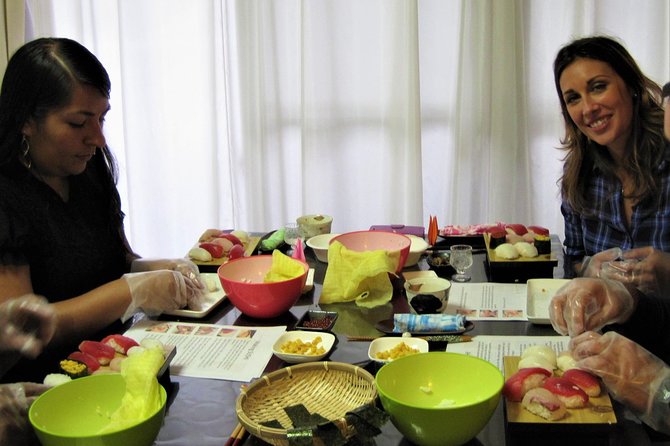
Once your rolls are made, you sit down with the rest of the group and eat your dinner. Your included meal is built around classic Japanese staples, which is great because it gives you a fuller picture than sushi alone.
You’ll get:
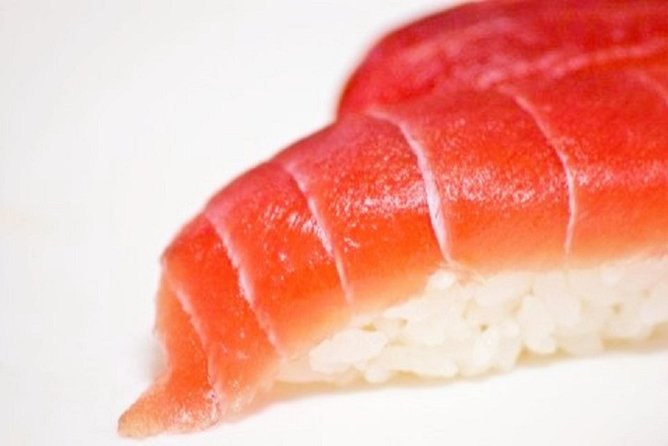
- The sushi rolls you create
- Miso soup
- Japanese omelet (tamago-style omelet)
- A selection of Japanese snacks
This combination is smart. Sushi can feel like one-note fun if you only focus on rolling. Miso soup brings comfort and warmth, and the Japanese omelet adds something egg-forward and mild—an ideal counterbalance to fish and rice.
And yes, you should expect to get full. The class is about learning and then enjoying, so portion sizes are designed for a full dinner, not light bites.


Optional Sake and Beer Tasting: Upgrade Smart, Sip With Intention
If you want to turn the evening into a tasting night, there’s an optional upgrade. You can add a local sake tasting, with an option that also includes Osaka-brewed beer.
The tasting details are specific: the upgrade is either six sakes or four sakes and one bottle of beer. That’s not just a token pour. It’s enough variety that you’ll likely notice how different sake styles taste side by side.
Two practical tips if you choose the upgrade:
- Sip slowly and keep water nearby, especially while you’re still talking and eating.
- Pick the sake tasting option that matches your comfort level. If you want variety, choose the option with more sake pours; if you want food-friendly balance with a beer element, go with the sake-plus-beer structure.
If alcohol isn’t your thing, you can still enjoy the full cooking-and-dinner experience without the upgrade. The class works either way.
Taiyaki for Dessert: The Sweet Finish That Feels Like Osaka
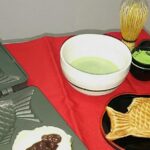
After dinner, you’ll get taiyaki for dessert. Taiyaki is one of those Japan treats that feels fun without being complicated. It’s warm, sweet, and easy to eat after a hands-on meal.
For me, this matters because it gives the end of the night a clear “you’re done” moment. You’re not leaving with sugar on the way back to your hotel. You end the class right there, satisfied.
Price and Value: What $165.13 Actually Buys You
The price is $165.13 per person for about 2 hours 30 minutes. On paper, it sounds like a lot until you look at what’s included.
You’re paying for:
- Instruction from Yayo, an English-speaking cooking instructor and a licensed chef
- All the ingredients needed for cooking
- Dinner built around what you make (sushi plus miso soup and Japanese omelet)
- Snacks, plus taiyaki dessert
- Optional alcohol upgrade (sake and possibly beer)
In other words, you’re not paying only for labor. You’re paying to learn a technique, eat a full dinner, and take home something useful: the process of making sushi rolls rather than just the taste.
Also, the experience is described as small-group and limited to a small number of participants. That tends to translate into more attention while you’re rolling, which is where a class either succeeds or turns frustrating.
Who This Class Is Best For (And Who Might Want Another Option)
This sushi class is ideal if you:
- Love sushi and want to understand how rolls are built
- Want a calmer, small-group cooking experience rather than a big crowd
- Prefer learning by doing, then sitting down to enjoy your results
- Like Japanese food beyond just sushi, since miso soup and a Japanese omelet are part of the dinner
It may not be the best fit if you want a fully flexible schedule. This experience is timed, and the studio has rules about late arrivals. It also runs with a weather condition in mind, so expect they’ll handle things if outdoor elements are impacted.
Booking Timing, Ticket Style, and Group Size
This is commonly booked about 79 days in advance, so if you have firm travel dates, it helps to lock it in earlier. The experience uses a mobile ticket, which makes day-of arrival easier.
The class is designed to stay intimate. The lesson itself is limited to just eight participants, and your booking is set up for a very small group size (the experience notes a maximum of two travelers per booking). That usually means you get more guidance and less waiting around.
Should You Book This Osaka Sushi Class With Yayo?
Book it if you want a high-connection, technique-first sushi experience in Osaka. The value is strong because the meal is part of the class, not tacked on, and you’ll learn the steps that actually help sushi rolls work at home.
Skip it only if you’re extremely time-sensitive, hate structured activities, or know you won’t do well in a compact cooking studio. Otherwise, this is the kind of dinner experience that gives you both a story and a skill.
FAQ
What is included in the dinner?
Dinner includes the sushi rolls you make, miso soup, and a Japanese omelet, along with a selection of snacks. Taiyaki is served for dessert.
How long is the sushi-making class in Osaka?
The experience runs about 2 hours 30 minutes.
Do I need to speak Japanese?
The class is taught by an English-speaking cooking instructor.
Is sake or Japanese beer included?
Sake and beer are available as an optional upgrade. The tasting option is either six sakes or four sakes and one bottle of beer.
Where does the experience start and end?
You meet outside Noda Station in Osaka. The activity ends back at the same meeting point.
What happens if I arrive late?
The contract becomes invalid if you are 10 minutes late, and it will not be refunded.
Is there cancellation if plans change or weather is bad?
You can cancel up to 24 hours in advance for a full refund. The experience requires good weather; if it’s canceled due to poor weather, you’ll be offered a different date or a full refund.