REVIEW · KANDY
Kandy Cooking Class with Granny
Book on GetYourGuide →Operated by AGS Tours · Bookable on GetYourGuide
Cooking with a real granny beats any demo.
This Kandy cooking class happens inside a working village, so it feels local from the first ride up into the hills. I like that you learn the food A to Z, with Granny Nandy guiding you step by step rather than keeping things purely show-and-tell.
I also love the focus on traditional Sri Lankan foods and the fact that you cook a full spread: rice, coconut sambol, papadam, 7 vegetables, a curry (fish or chicken), and a Sri Lankan sweet for dessert. The meal you end up eating is the meal you made.
One thing to consider: the session runs about 3 to 4 hours, and while pickup from Kandy is included, the return transport from Kandy costs extra (or you’ll arrange it yourself). Plan for that so you’re not stuck.
In This Review
- Key highlights to know before you go
- A village kitchen outside Kandy (and why it matters)
- Your class menu: what you cook, and what you’ll actually learn
- Why this menu is good value
- The typical flow: pickup, market (sometimes), then cooking with Granny
- 1) Pickup from Kandy (usually a short ride)
- 2) Market stop to choose ingredients (often included)
- 3) Welcome at the family home, then spice lessons
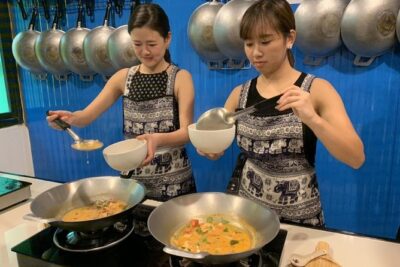
- 4) Cooking time: you do the work
- 5) Eat what you cooked
- 6) Photos of your recipes after the class
- Transport and timing: the practical bits that can make or break your evening
- Pickup is included; return isn’t
- Expect a busy 3 to 4 hours
- Private group, so your pace is flexible
- Vegan options and customizing your curry style
- What makes Granny Nandy’s class different from a basic cooking demo
- You learn the spice logic
- You do the work, dish by dish
- The setting reinforces the food
- Who should book this Kandy cooking class?
- Price and value: is $25 a fair deal?
- Should you book it?
- FAQ
- How long is the cooking class?
- Where is the cooking class located?
- Is pickup from Kandy included?
- Is transport back to Kandy included?
- What food do you cook during the class?
- Can the class be vegan?
- Is the experience wheelchair accessible?
Key highlights to know before you go
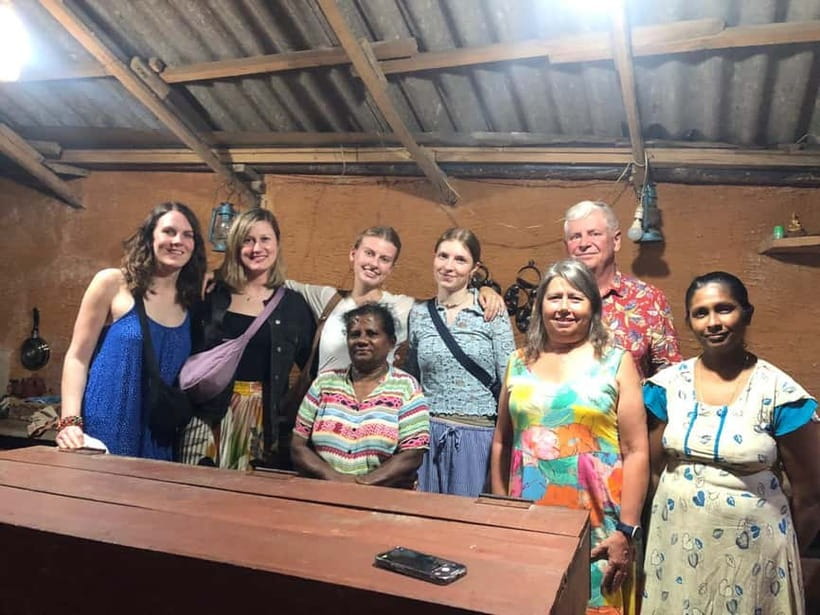
- Village setting, not a concrete studio with a home-kitchen feel
- Granny Nandy’s step-by-step spice guidance, including how to work with coconut-based flavors
- A full hands-on menu: rice, papadam, coconut sambol, 7 vegetables, curry, and a traditional sweet
- You might start with a market stop, picking ingredients (and sometimes tasting fruits)
- Private-group experience, so you can actually cook, not just watch
A village kitchen outside Kandy (and why it matters)
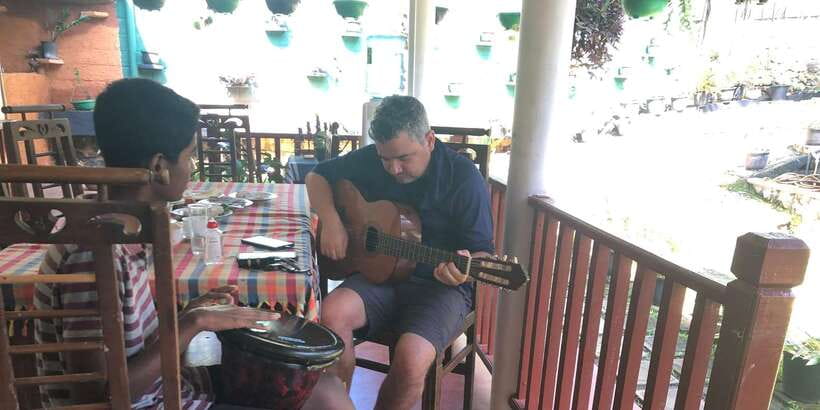
Kandy is pretty good at being a tourist hub. But this cooking class lives about 6.5 km out of town in a quiet residential village, and that distance changes everything. You’re not stepping into a polished, air-conditioned classroom. You’re in a real home environment where food prep is part of daily life.
That’s the main reason to choose this over a standard cooking show. When you’re cooking in a village setting, you naturally pay attention to the small things: how spices are handled, how coconut milk gets incorporated, and how curries are built with timing rather than shortcuts. You’ll feel the rhythm of Sri Lankan cooking, not just the final taste.
Also, the vibe is family-run. Multiple sessions follow the same core idea: you arrive, you’re welcomed, then Granny and the helpers guide you through each dish while you do the work. In one session, the market stop happened with Granny’s grandson, which made the whole experience feel like a real day’s routine, not an assembly-line activity.
Good to know: this is in a village home, and it’s not suitable for wheelchair users. If mobility is an issue for you, plan another Kandy activity.
You can also read our reviews of more tours and experiences in Kandy.
Your class menu: what you cook, and what you’ll actually learn
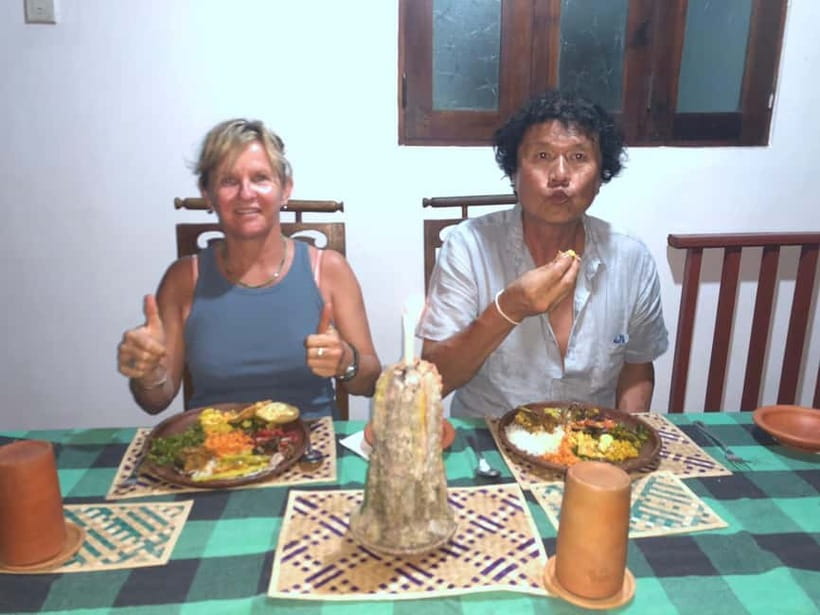
The menu is built around classic Sri Lankan staples, and you’ll touch most of them rather than only one curry. Here’s what’s included in the core experience:
- Rice
- 7 vegetables
- Coconut sambol
- Papadam
- Fish or chicken curry
- 1 Sri Lankan traditional sweet (dessert)
Now, if you’re vegan, you’re not stuck. The class can do vegan foods, and the format can include animal options such as egg, chicken, or fish depending on what you choose. The key point for you: you’ll still be cooking the traditional Sri Lankan-style dishes, just adjusted to your preference.
Why this menu is good value
For $25, the value isn’t only that you eat a big meal. It’s that you practice the components that make Sri Lankan food recognizable. You’re learning:
- How rice fits into the meal (simple, but central)
- How coconut sambol brings freshness and heat
- How papadam works as a crunchy companion
- How vegetable curries and spice mixtures create layers, not one-note flavor
- How a curry base (including coconut influence) supports both meat and vegetable versions
- How dessert ties the whole plate together
By the end, you should be able to go home and recreate a realistic Sri Lankan meal structure, not just one dish.
The typical flow: pickup, market (sometimes), then cooking with Granny
There are three time windows, so your day will shape the pace.
- Lunch class: 9:00am to 12:30pm
- Mid-day class: 1:00pm to 4:30pm
- Dinner class: 5:00pm to 8:30pm
In practice, most sessions feel like this:
1) Pickup from Kandy (usually a short ride)
Pickup is included from your hotel in Kandy and also around 3 km around Kandy. Then you travel out to the house in the hills. In several experiences, transportation up into the area is done by tuk-tuk, which turns the transfer into part of the fun.
This matters because it gets you out of city traffic and into the slower, quieter tempo of the countryside. You arrive ready to cook, not already tired from bouncing around town.
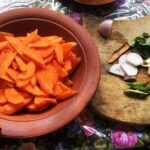
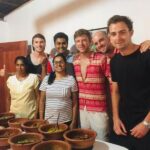
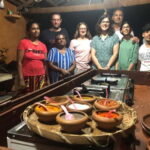
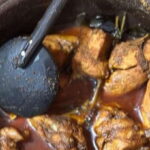
2) Market stop to choose ingredients (often included)
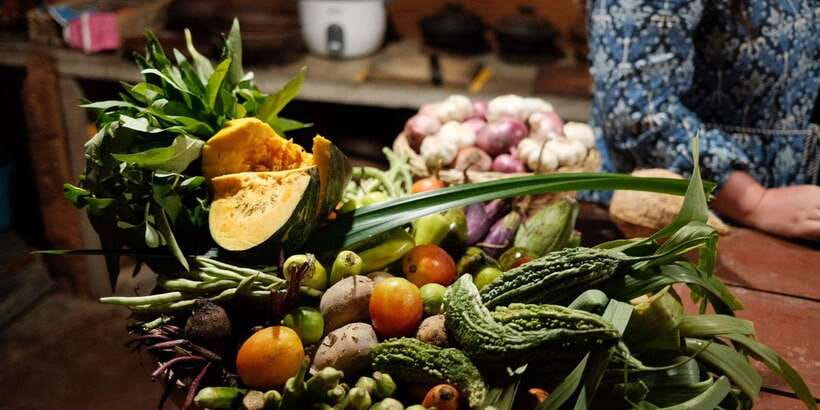
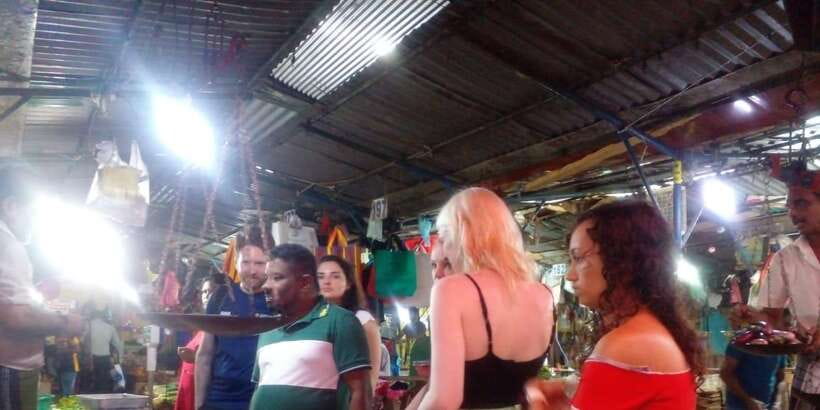
Some sessions include a local market visit first. In those moments, you can pick vegetables and ingredients with guidance, and you may get to taste fruits like bananas, mango, and passionfruit before heading back to cook.
Even if the market stop isn’t the exact same every day, the idea is consistent: you connect ingredients with the dishes you’ll make. That connection is what helps when you recreate the cooking later.
If you’re someone who loves food shopping, this is a real bonus. If you’re not, it can still be worth it because you’ll learn the names and uses of ingredients you might otherwise skip.
3) Welcome at the family home, then spice lessons
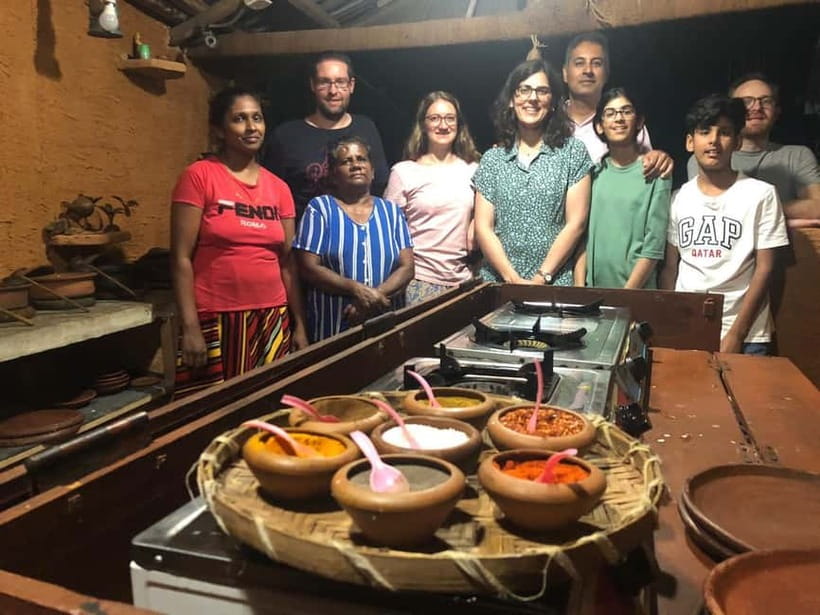
Once you reach the house, you’ll likely be welcomed with tea and then the session shifts into cooking mode. Granny and the helpers walk you through what you’re cooking and how to handle the spices.
A repeated theme: the guidance is practical. You’re not just hearing what spices are. You’re learning how coconut milk is used, how flavors develop, and how to move through each dish without guesswork.
4) Cooking time: you do the work
You cook multiple dishes with step-by-step direction. The pacing is hands-on, so if you’ve never cooked before, that’s fine. The learning happens while you’re actively stirring, chopping, and building flavors.
You’ll likely make:
- Rice
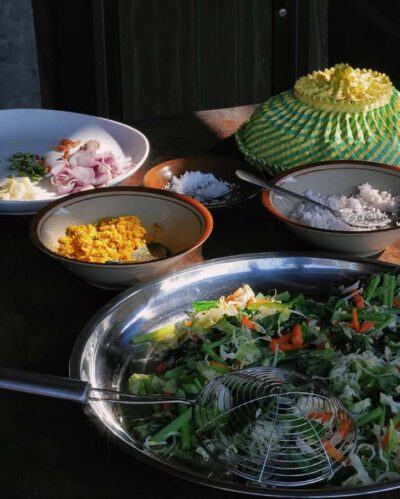
- Vegetable curries (you choose vegetables for your portion)
- Coconut sambol
- Papadam
- A curry with fish or chicken (or a vegan-adjusted version, if you prefer)
- A traditional sweet for dessert
5) Eat what you cooked
This is not a cookie-cutter experience where you nibble a sample. You end up with a generous meal made from your dishes. It’s the best part because everything you practiced becomes dinner in front of you.
6) Photos of your recipes after the class
One detail that’s genuinely useful: you can be sent photos of the recipes you cooked. That turns the class from a great night out into something you can reference when you’re back home trying to recreate the flavors.
Transport and timing: the practical bits that can make or break your evening
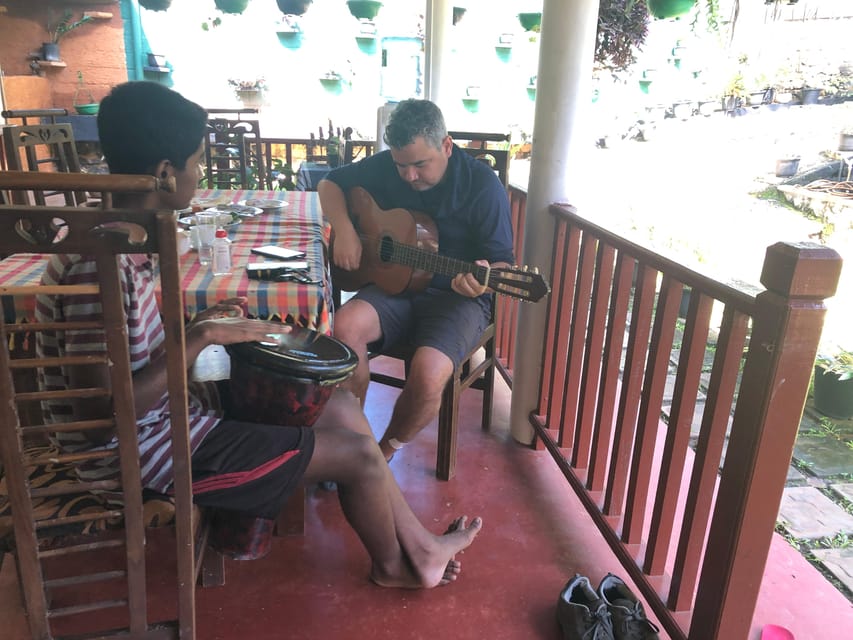
This is where you should plan carefully.
Pickup is included; return isn’t
Pickup from Kandy is included. But the return transport from Kandy is extra. You can either arrange your own ride back, or you can pay for the return journey.
Why you should care: the class ends at specific times, and if you’re relying on last-minute pickup with no plan, you might end up waiting. So when you book, make sure you understand the return options and have a backup.
Expect a busy 3 to 4 hours
The listed duration is around 3.5 hours, but lessons typically run 3–4 hours depending on how quickly you cook. That extra time is usually a good thing, because it means you’re not rushed. Still, if you hate being on the clock, pick a time window that fits your schedule without stress.
Private group, so your pace is flexible
It’s a private group experience, so you can usually move at a comfortable pace and get attention when you need it. In some experiences, the group size stayed small, which helped everyone cook more.
Vegan options and customizing your curry style
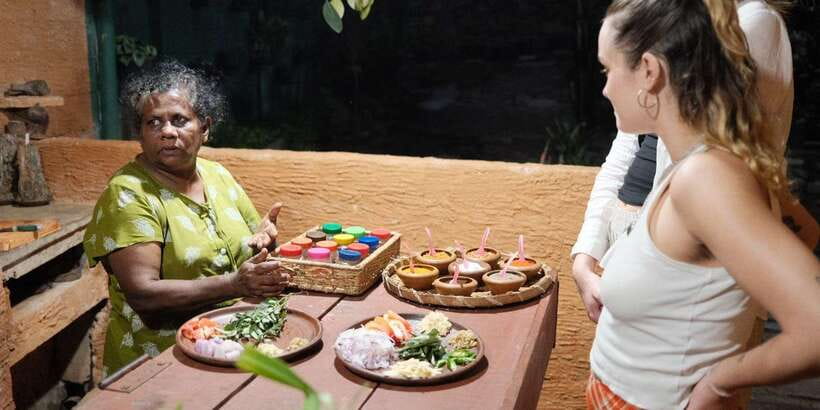
If you want vegan, this class can accommodate it. The information provided specifically says they do vegan foods, and that animal ingredients like egg, chicken, or fish can be included if you want them.
What this means for you:
- You can still expect a traditional Sri Lankan flavor approach (spices, coconut-based elements where applicable, and the signature accompaniments like coconut sambol and papadam).
- You won’t lose the core experience just because you avoid meat.
If you have dietary needs beyond vegan (like allergies), it’s worth mentioning in advance so the team can guide you. One experience even referenced gluten allergy support, which suggests they take dietary constraints seriously when they can.
What makes Granny Nandy’s class different from a basic cooking demo
Plenty of cooking classes teach you recipes. This one teaches you how to think like a home cook.
You learn the spice logic
Instead of treating spices as a random list, you learn how they fit together in Sri Lankan cooking. That’s how you’ll reproduce the taste later, when you’re not standing next to Granny.
You do the work, dish by dish
You’ll cook rice, curries, sambol, and accompaniments. That matters because each component is its own skill. If you only watched or cooked one dish, you’d leave with one good recipe. Here, you leave with a full meal framework.
The setting reinforces the food
Food tastes different when you understand the environment it comes from. In this case, the village home makes the cooking feel like part of daily life. It’s easier to remember the lesson because the setting stays in your head while you practice.
Who should book this Kandy cooking class?
This is a great fit if you:
- Want authentic Sri Lankan food made by locals in a home setting
- Prefer hands-on learning over watching someone else cook
- Like the idea of learning spices and using them practically
- Want photos/recipe references for cooking back home
- Are traveling with someone who enjoys food as much as you do
It may be less ideal if you:
- Need wheelchair accessibility (it’s not suitable for wheelchair users)
- Hate travel time outside the city or you can’t handle extra planning for return transport
- Want a super-short experience with minimal schedule demands
Price and value: is $25 a fair deal?
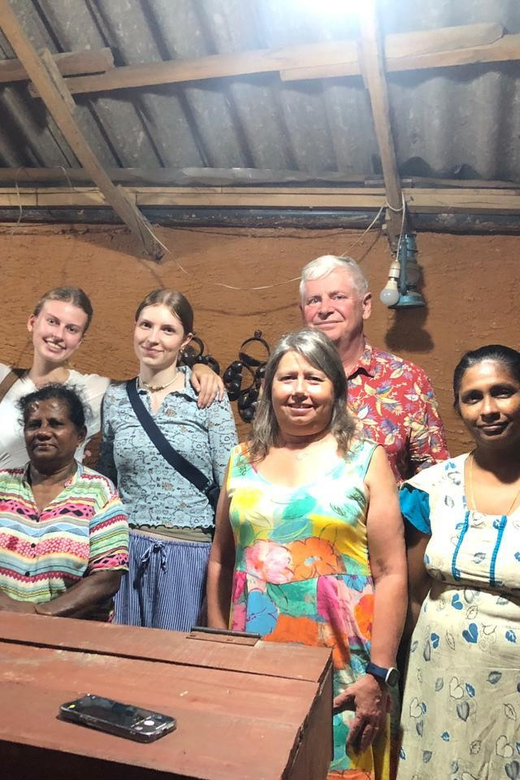
At $25 per person, the value comes from what you get, not just the number. You’re paying for:
- A hands-on cooking session (not a lecture)
- A full traditional meal you helped make
- Multiple dishes and accompaniments (rice, vegetable curries, coconut sambol, papadam, dessert)
- English instruction
- Pickup from Kandy to the village home
- Recipe photos afterward
The only part that can change your true cost is the return transport. Since return rides cost extra, your total budget depends on how you handle that logistics piece. Still, even with return transport added, this tends to pencil out as a solid meal + learning experience for Sri Lanka.
Should you book it?
I’d book this if you want a genuine cooking night in Kandy that feels like family food, not a staged activity. The combination of village location, step-by-step cooking with Granny Nandy, and the fact that you make a full traditional spread makes it one of the more memorable ways to spend half a day or an evening in the area.
If you’re tight on mobility, or you don’t want to think about return transport, then choose a different class format. But if you’re flexible and you want to come home with recipes you can actually cook, this is a strong yes.
FAQ
How long is the cooking class?
Lessons typically last 3–4 hours, and the schedule is listed as about 3.5 hours.
Where is the cooking class located?
It’s in a quiet village area about 6.5 km outside Kandy, not inside the city.
Is pickup from Kandy included?
Yes. Pickup is included from Kandy and within about 3 km around Kandy.
Is transport back to Kandy included?
The transport from Kandy to the cooking place is included, but the return journey costs extra, or you may arrange your own transport.
What food do you cook during the class?
You cook rice, seven vegetables, coconut sambol, papadam, a fish or chicken curry, and one traditional Sri Lankan sweet.
Can the class be vegan?
Yes. They do vegan foods, and they can also include options like egg, chicken, or fish if you want.
Is the experience wheelchair accessible?
No. It is not suitable for wheelchair users.