REVIEW · UBUD
Balinese Cooking Class at Organic Farm
Book on Viator →Operated by Mai Organic Farm · Bookable on Viator
This cooking class turns Bali into dinner. At Mai Organic Farm outside Ubud, I’d point you toward a hands-on day that starts with farm life and ends with a communal meal cooked on traditional heat.
What I like most is the farm-to-plate feel: you walk the community grounds, pick herbs and produce, then cook with a wood-fired stove. I also really value the cultural context, because you learn about the UNESCO-protected Subak System and how the farm ties into local community farming.
One watch-out: most of the experience happens outdoors, and the operator says the class requires good weather—so keep your schedule flexible if rain is in the forecast.
In This Review
- Key highlights worth planning around
- Why this cooking class is more than a menu
- Ubud pickup and the 5-hour rhythm outside town
- Inside Mai Organic Farm: organic farming and Subak context
- Walking the farm and harvesting your ingredients for dinner
- The cooking session: six Balinese dishes, traditional heat, real technique
- Drinks and tea: sip juice, infused water, herbal options
- Lunch in a gubuk hut: the communal meal finish
- Price, value, and the practical stuff that affects your day
- Who should book this class?
- Should you book Mai Organic Farm’s Balinese Cooking Class?
- FAQ
- How long is the Balinese cooking class?
- What will I learn to cook?
- Where does the experience take place?
- Do they offer pickup in Ubud?
- Is this a small group?
- What ingredients do we pick?
- What drinks are included?
- Can I participate at my own pace?
- Is the class outdoors?
- What is the cancellation policy?
Key highlights worth planning around
- Tiny group (8, with an overall max of 10) so you actually get hands-on time
- Mai Organic Farm in Pejeng gives you ingredient picking before cooking
- UNESCO Subak System lesson during the farm walk and explanation session
- Wood-fired cooking for six Balinese dishes plus an outdoor grill/fire-stove approach
- Included drinks like sip juice, infused water, herbal drinks, Balinese coffee, and lemongrass tea
- You choose your level of participation, from active chopping to hands-off support
Why this cooking class is more than a menu
A lot of Bali cooking classes focus on recipes. This one focuses on where ingredients come from, and why people farm the way they do. Starting on an organic farm changes the whole mood: you arrive hungry, but you leave with a different understanding of food.
The pacing also feels smarter than a rushed studio class. You get a welcome drink, a shaded explanation session, a walking farm tour, then cooking that’s built around what you actually harvested. It’s practical too: you learn technique you can repeat, not just how to follow someone else’s choreography.
And yes, the traditional cooking setup matters. Cooking on a wood-fired stove (and an outdoor grill/fire stove setup) gives the dishes a distinct character that you won’t get from a flat indoor burner.
You can also read our reviews of more tours and experiences in Ubud.

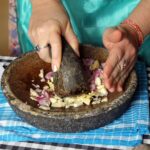
Ubud pickup and the 5-hour rhythm outside town
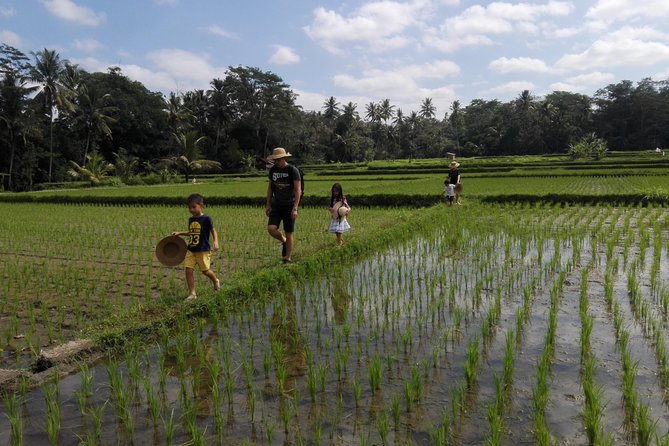
The class runs about 5 hours, and the experience includes round-trip transfers from central Ubud hotels and rentals. That matters because it turns the day into one clean plan instead of a mini logistics project before and after.
You meet at Mai Organic Farm Bali (Subak Kana, Banjar Panglan, near Pejeng, Kec. Tampaksiring). If you’re staying around Ubud, you’ll likely get picked up directly, then returned to the meeting point at the end, so you don’t have to arrange a second ride for your meal’s final act.
Plan on a full morning or a chunk of your day where you can be slightly flexible. The schedule is efficient, but you’re outdoors, walking between areas on the farm, and then cooking in a group setting.
Inside Mai Organic Farm: organic farming and Subak context
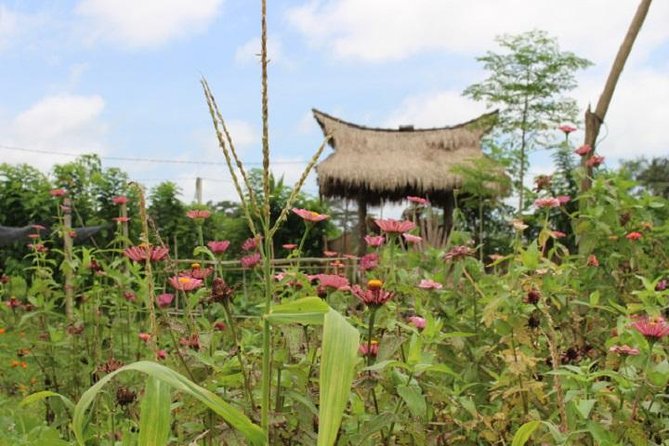
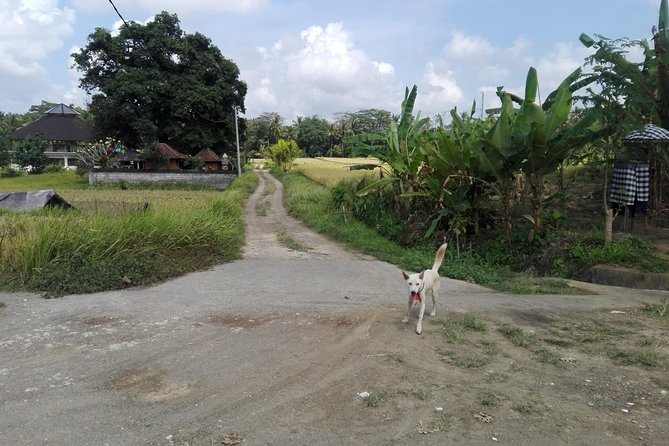
Your day starts on the farm with a welcome drink and a relaxed setup in a shaded area. Then the hosts explain their community movement, how they grow organic produce, and what makes their farming approach special.
A big part of the learning is the UNESCO-protected Subak System. You’ll walk and learn about this system while you move through the community farm area, connecting the idea of farming directly to the landscape and water-related practices that support it.
Here’s why this matters for you as a food person: when you understand the system behind farming, flavors make more sense. Instead of memorizing ingredients, you start noticing which herbs grow where, how certain crops are handled, and why seasonal produce shows up on your plate.
Walking the farm and harvesting your ingredients for dinner
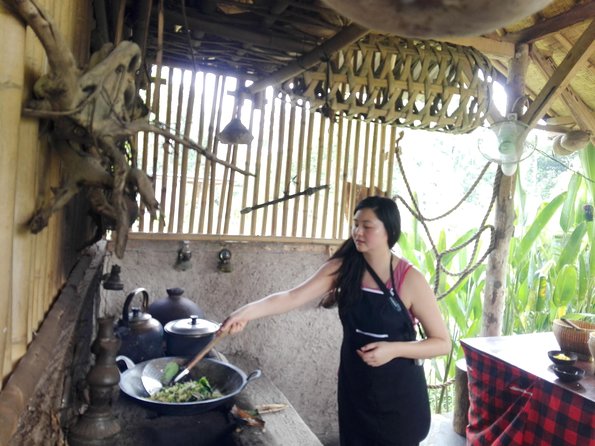
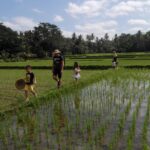
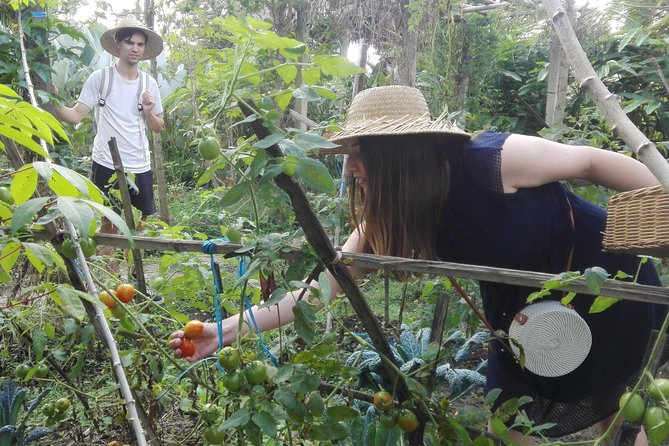
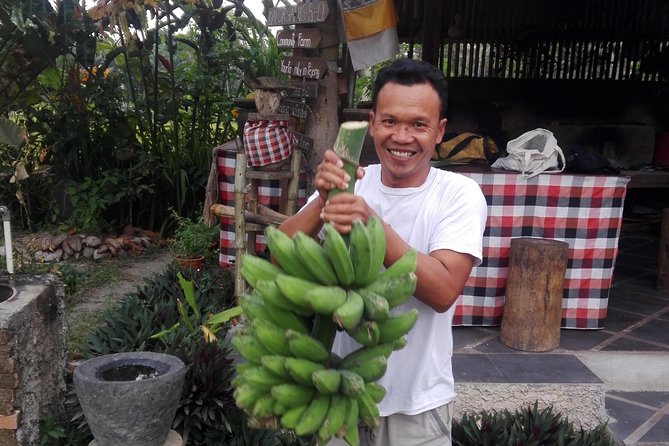
After the explanation, you walk along the community farm and pick the ingredients that will end up in your class dishes. The most satisfying part here is how basic it feels: you see herbs, fruits, and vegetables growing right where they’re used, then you carry that knowledge straight into the cooking.
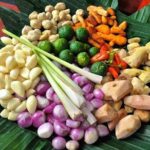
You’ll likely pick aromatic items like herbs used in Balinese cooking, plus produce for savory components and sides. Expect it to be active enough that you notice smells and textures, not just colors.
A small but important detail: you’re not forced to do everything. The class is set up so students can participate as much or as little as they would like. So if someone in your group is more comfortable tasting and assisting than chopping, it still works.
This is also a great moment for kids and teens if that’s your situation. One family-style experience highlighted that children enjoyed picking ingredients around the fields before cooking lunch together, which is exactly the kind of practical attention span-friendly activity that works.
The cooking session: six Balinese dishes, traditional heat, real technique
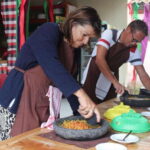
Once you arrive at the center of the community at Mai Organic farm, you’ll get a refreshing juice made with vegetables and fruit from local farms. Then the cooking begins.
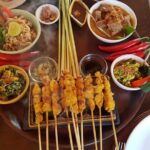
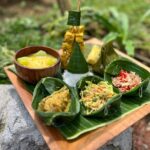
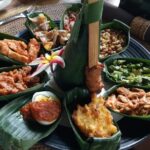
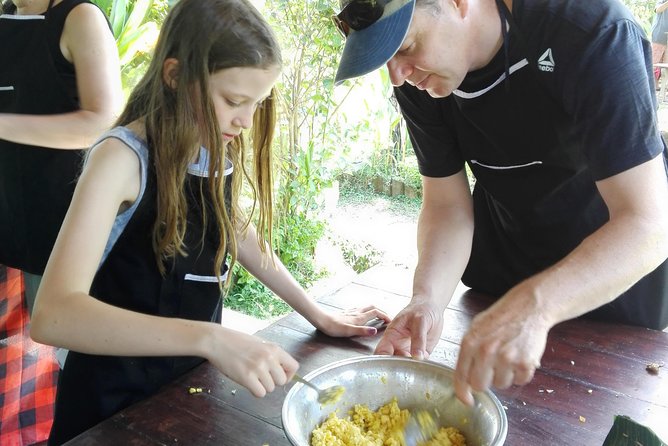
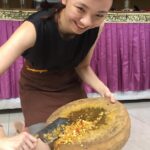
You’ll learn to cook six Balinese dishes, including sate lilit kebab and a few other favorites such as tuna sate and corn fritters. The specific menu can vary a bit by what’s being used, but the focus stays the same: hands-on prep, balanced flavors, and getting comfortable with spice and herb profiles.
The traditional cooking setup is a standout: you’ll work with wood-fired heat and an outdoor grill/fire stove approach. That means technique matters. You learn how ingredients respond when heat is direct and active, not gentle and controlled like a home oven.
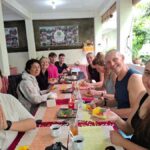
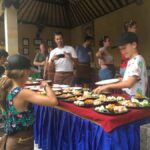
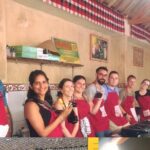
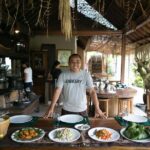
Also, the class uses a communal style. You’ll cook as a group and then eat together afterward in a gubuk (hut). That structure is part of why this feels like a community meal rather than a demo followed by a take-home bag.
Drinks and tea: sip juice, infused water, herbal options
Food here isn’t the only star. The experience includes a spread of drinks designed to keep you refreshed while you cook and explain.
You can expect sip juice, infused water, and herbal drinks. The class also includes Balinese coffee and lemongrass tea, which is a nice touch because those flavors connect back to local ingredients and how Balinese meals often balance savory with warming or refreshing drinks.
If you’re the type who likes to understand flavor before you build it into a dish, this part is worth paying attention to. Even simple ingredients like lemongrass can help you predict where certain dishes will land on the flavor spectrum.
One extra note from a participant: there was praise for the low-plastic approach during the experience. If sustainability is part of what you care about, that detail fits the vibe of an organic farm setting.
Lunch in a gubuk hut: the communal meal finish
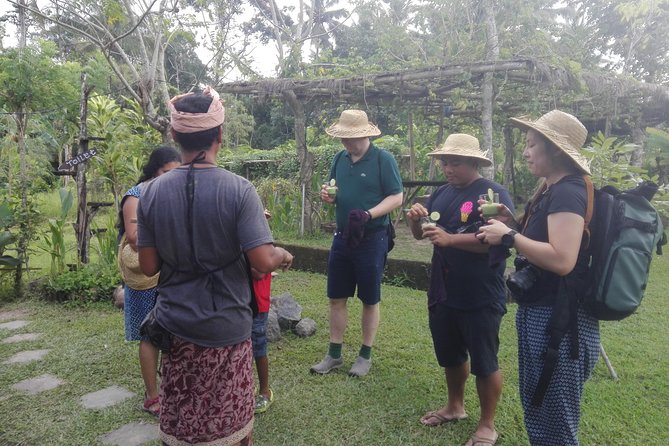
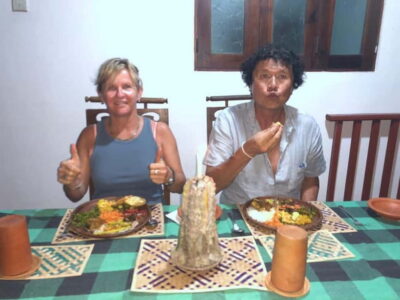
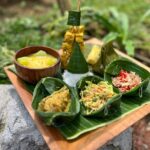
After cooking, you enjoy the meal together in a tranquil gubuk (hut). This is where the experience shifts from active instruction to shared table energy.
The dishes you worked on aren’t just served to you; you get to sit down with the people you cooked with and eat the results right away. That communal format matters because it turns your effort into conversation. It’s also a calmer way to reset your body after time outdoors and time using fire.
If you prefer structured meals over roaming food stations, you’ll likely appreciate that this ends cleanly with a sit-down lunch.
Price, value, and the practical stuff that affects your day
At $40 per person for about 5 hours, you’re not just buying cooking instruction. You’re buying four value drivers:
- Pickup and round-trip transfers from central Ubud hotels and rentals
- Farm tour + ingredient harvesting, not just pre-selected produce in a classroom
- Cooking on traditional equipment (wood-fired stove / outdoor cooking setup)
- Six dishes plus multiple drinks, including coffee and tea
You also get a small group size advantage. With around eight people (and a max listed at 10), you’re less likely to feel like a spectator. You can ask questions, get help if your hands are new to chopping or mixing, and still leave the experience feeling like you learned something real.
Timing wise, this type of class gets booked ahead. The average booking window listed is about 17 days, so I’d treat it like a plan-ahead activity if you want a specific day.
Who should book this class?
This fits best if you want a cooking class that teaches the story behind the food, not just the recipe. You’ll get more out of it if you enjoy organic farming topics, spice and herb learning, or you simply like the idea of picking ingredients before cooking them.
It’s also a solid choice for mixed groups:
- Couples who want a hands-on cultural activity outside a typical attraction loop
- Friends looking for something interactive that still ends with a meal you all share
- Families, since kids in past groups enjoyed harvesting ingredients and cooking lunch together
If you hate outdoors walking, or you can’t be flexible with weather, you might want to think twice. The operator requires good weather, so rain could change plans.
Should you book Mai Organic Farm’s Balinese Cooking Class?
I think it’s a strong yes if your goal is a memorable Balinese food day that feels grounded in real farming life. The combination of organic farm learning, UNESCO Subak context, ingredient harvesting, and wood-fired cooking is what makes this more satisfying than the average cooking class.
Book it if you want:
- Hands-on cooking with a small group
- A menu that includes sate lilit and other classic Balinese dishes
- A meal finished right where the work happens, in a gubuk
Skip it if your schedule is tight and weather tolerance is low. Otherwise, this is the kind of experience that sticks because you can taste the ingredients and the effort in the same sitting.
FAQ
How long is the Balinese cooking class?
The experience lasts about 5 hours.
What will I learn to cook?
You’ll learn to cook six Balinese dishes, including sate lilit kebab. The class also lists items like tuna sate and corn fritters as part of the dishes you may prepare.
Where does the experience take place?
It starts at Mai Organic Farm Bali, in the Pejeng area (Subak Kana, Banjar Panglan, Kec. Tampaksiring, Kabupaten Gianyar, Bali).
Do they offer pickup in Ubud?
Yes. The experience includes pickup offered from central Ubud hotels and rentals, with round-trip transfers.
Is this a small group?
Yes. The class is capped at just eight travelers in the overview, and the additional info lists a maximum of 10 travelers.
What ingredients do we pick?
You walk the community farm and pick organic ingredients from the garden for the cooking class. Expect herbs, fruit, and vegetables.
What drinks are included?
Included drinks include sip juice, infused water, herbal drinks, Balinese coffee, and lemongrass tea. A welcome drink is also provided at the start.
Can I participate at my own pace?
Yes. Students can participate as much or as little as they would like during the cooking session.
Is the class outdoors?
Part of the experience takes place outdoors, including farm walking and open-air cooking. The operator says the experience requires good weather.
What is the cancellation policy?
You can cancel for a full refund up to 24 hours before the experience’s start time. If it’s canceled due to poor weather, you’ll be offered a different date or a full refund.