REVIEW · VALENCIA
Any Day is Sunday: Paella Cooking Class with Tapas and Sangria
Book on Viator →Operated by eatwith · Bookable on Viator
Paella gets personal in Valencia. I love the small-group feel with Chef José, and I love learning Paella Valenciana the right way instead of just watching. One heads-up: this is a kitchen-first experience, so it’s not for you if you want lots of sightseeing stops.
The idea is simple: make any day feel like Sunday with a relaxed, local-style meal. You’ll start with sangría and tapas, then you’ll cook paella as the rice comes together. It runs about 3 hours at a home setting, and it keeps things casual and unhurried.
You’ll also leave with recipes and local recommendations, plus a sweet finish of horchata mousse with a farton. It’s offered in English, with a max of 4 travelers, so you get real conversation time—not a loud, crowded production.
In This Review
- Key reasons this paella class feels worth your time
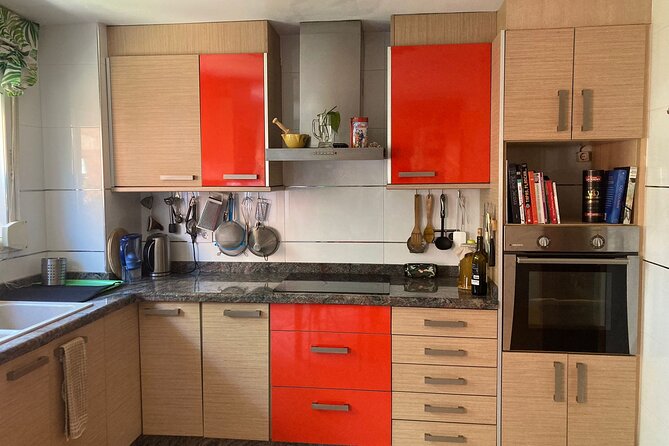
- Entering Jose’s home kitchen on a Valencia Sunday
- Sangría that actually tastes like Valencia
- Tapas-to-paella timing: why this order works
- Learning Paella Valenciana: rice, technique, and why Valencia cares
- Seafood or vegetarian paella: how choice can improve your results
- Dessert that ends with horchata charm (orxata mousse + farton)
- The pacing and group size that make a difference
- What to expect during the lesson (step-by-step flow)
- Value check: what you’re really buying
- Who this paella class suits best
- Tips to get the most out of your Sunday cooking class
- Should you book Any Day is Sunday: Paella Cooking Class with Tapas and Sangria?
- FAQ
- What is the meeting point for this paella cooking class?
- How long does the experience last?
- What language is the class offered in?
- How many people are in the group?
- What food and drinks are included?
- Are recipes provided after the class?
- What if I have an allergy or food restriction?
- What is the cancellation policy?
Key reasons this paella class feels worth your time
- Small group (max 4) means you can ask questions and actually take part
- Chef José leads everything with technique and ingredient choices, not vague tips
- You taste the full Sunday menu: sangría, two tapas options, paella, dessert, and drinks
- You get take-home recipes so you can cook again later
- Valencia-specific details like the role of rice history show up during cooking
- Horchata mousse + farton lands the meal with a classic local sweet
Entering Jose’s home kitchen on a Valencia Sunday
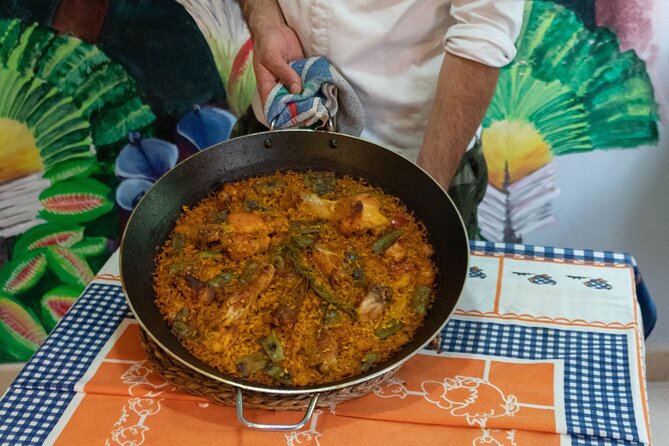
This experience is built around one idea: in Valencia, food is a social event. It starts like Sunday visiting—drinks, shared plates, and talk around the table—then moves into cooking with clear steps you can follow later.
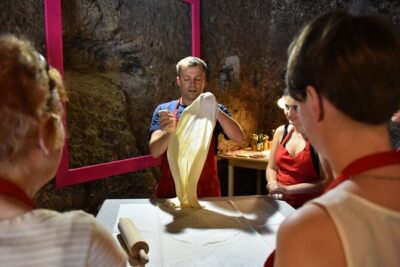
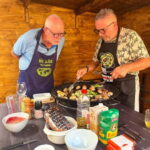
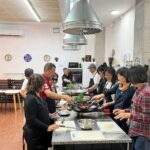
The class is capped at 4 travelers. That matters. With a group that small, you’re not competing for attention or standing on the edge of the action. If you want hands-on, you’re more likely to get it. If you’d rather watch and learn the rhythm first, you still won’t feel like a bystander.
Meeting is at Carrer de Guillem de Castro (46003 València), and it’s near public transportation. That’s practical if you’re trying to fit this into a day that includes museums, the Old Town, or a beach stroll.
Also, because it ends back at the meeting point, you don’t need to plan a separate return route. It’s one of those choices that keeps your logistics calm and your day focused.
You can also read our reviews of more tours and experiences in Valencia.
Sangría that actually tastes like Valencia
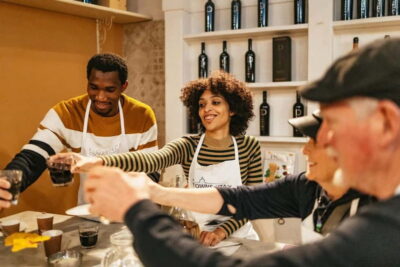
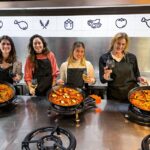
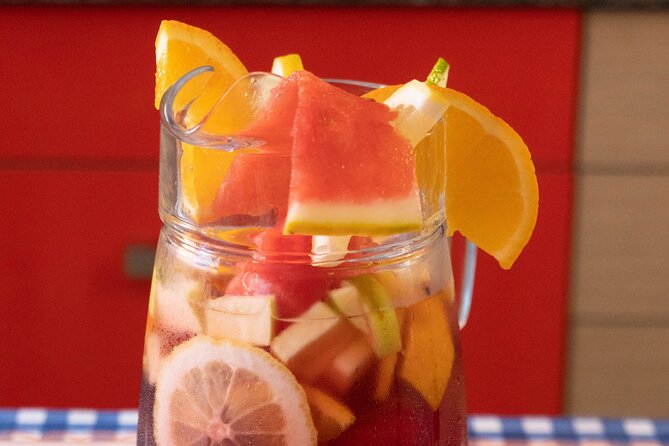
You begin with sangría. The class describes it as wine with seasonal fruit, oranges, and lemons. That combo is not just flavor for flavor’s sake—it’s a reminder that Valencia treats citrus like a daily ingredient, not a garnish.
Then comes the tapas. You’ll have two tapas to choose from, and the options are very Valencia-flavored and Spain-wide recognizable, but with enough variety to keep things interesting.
Here are the tapas options you may see:
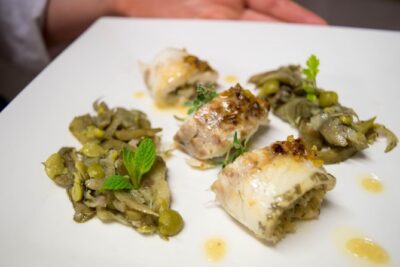
- Octopus with potato and sweet paprika
- Crispy toasts with iberian ham and grated tomato
- Corn toast with smoked sardine, cream cheese, and aromatic herbs
Even if you’re not a big “I like everything” eater, this lineup is flexible. It gives you salty, smoky, and herby bites before the main event. And because you’re tasting while you’re learning, you’re not just eating—you’re calibrating what you like so you can understand the flavors you’ll build into the meal.
Tapas-to-paella timing: why this order works
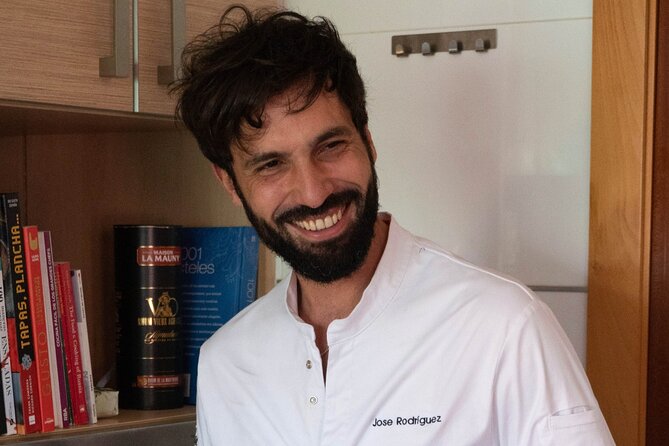
A lot of cooking classes skip this part and dump the main course too fast. Here, the flow makes sense: you warm up with drinks and small bites, then you move into paella prep when you’re ready to focus.
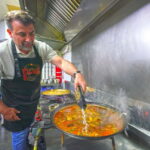
That order also helps you understand the cooking logic. Paella isn’t just a recipe—it’s timing. When the pan starts heating, everything has to move in the right order. Starting with tapas and sangría means your hands and senses wake up before the real work begins.
One more benefit: if you like to ask questions, this is your moment. While you’re eating the first dishes, you can talk to Chef José about ingredients, regional differences, and the small choices that change results at home.
Learning Paella Valenciana: rice, technique, and why Valencia cares
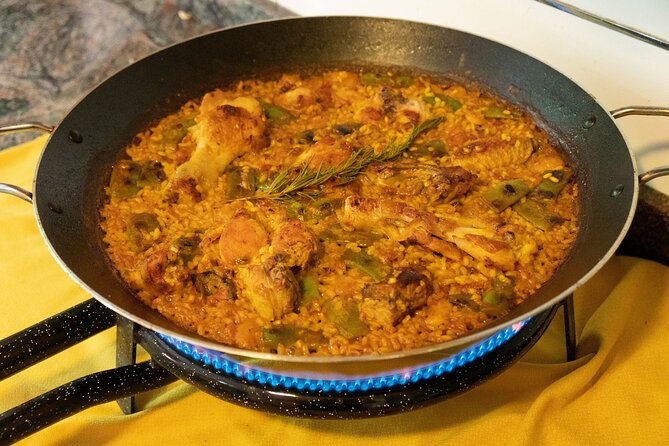
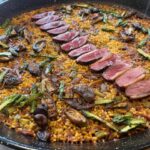
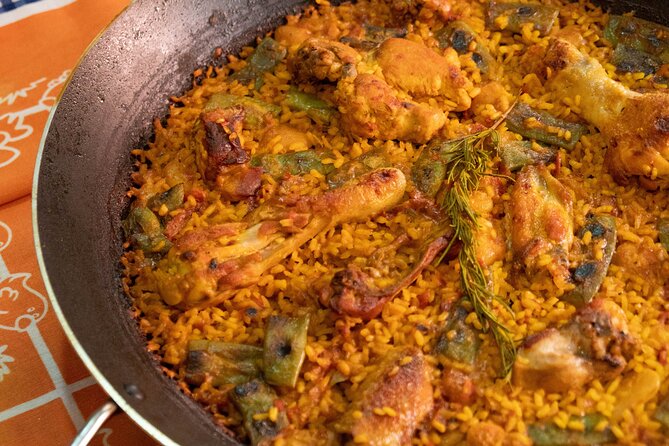
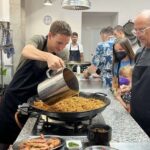
The main event is paella. You’ll cook Paella Valenciana, and you also have options for the meal style: seafood paella or vegetarian paella.
What I like about this setup is that it respects what Valencia is known for while still offering choice. If you eat seafood, you’re not stuck with one version. If you don’t, there’s a vegetarian path that keeps the class inclusive.
The class also includes a history lesson tied to rice in Valencia while the paella cooks. That’s not just trivia. It helps you understand why Valencia uses certain ingredients and why the rice matters so much. When you know what rice is doing—how it absorbs, how it finishes, and why it’s treated differently than pasta—you cook with more confidence later.
And from what you can expect in the experience, Chef José pays attention to the process details. People consistently mention technique, pacing, and clear teaching, and that usually means you’ll be guided through the steps in a way that makes sense, not just memorized.
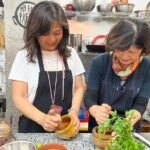
Practical note for your comfort: paella work usually means active time at the counter or kitchen area. If you like hands-on cooking, say so and you’ll likely be put to work.
Seafood or vegetarian paella: how choice can improve your results
If you go the seafood route, you’ll likely focus on balancing the richness so the rice doesn’t get heavy. If you go vegetarian, you still need that depth—veg alone won’t do the job unless you build flavor into the base.
What I take from a cooking class like this is not just a list of ingredients. It’s the way you structure flavor. You learn the logic behind what you add first, what builds the stock-like foundation, and how the pan stage affects the outcome.
And because the class is small, you’re more likely to get answers tailored to your route—seafood questions if you chose seafood, or substitution guidance if you went vegetarian.
Dessert that ends with horchata charm (orxata mousse + farton)
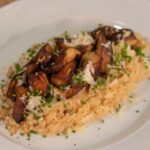
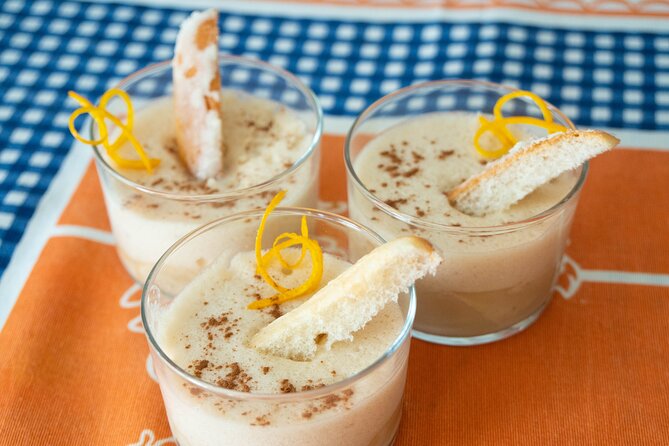
The class finishes with horchata mousse, described as Orxata Mousse, paired with a farton (a type of brioche). This is one of those “only in Valencia” endings that feels natural after the savory meal.
Orxata is the famous Valencian drink made from tubers (the class describes it as this local ingredient), and turning it into mousse keeps the flavor familiar but changes the texture. The farton brings sweetness and a soft, bread-like bite that soaks up the experience nicely.
In other words: you’re not just getting dessert—you’re getting closure in a distinctly local way.
The pacing and group size that make a difference
This experience runs about 3 hours and uses a small-group format (max 4). That combination is why people rate it so high. The class doesn’t feel rushed, and you don’t feel like you’re watching someone else do the fun parts.
Also, it’s taught in English. That matters if you’re traveling and want to understand not only what you’re doing, but why you’re doing it. You’re less likely to leave with a recipe and more likely to leave with a method.
Many classes try to be “personal” by lowering the volume. This one is personal because the group size forces real interaction. Chef José has you in the process, and you get time to ask, taste, and refine.
What to expect during the lesson (step-by-step flow)
Here’s the typical sequence, and what it means for you:
- Start with sangría
You get a local-style drink built around citrus and fruit. It sets the pace and helps you settle in.
- Eat two tapas you choose from
You taste and compare flavors while you’re still fresh. This also gives you a sense of what’s coming next in the meal.
- Cook paella as it cooks
You’ll prepare and participate. You’ll also hear about rice in Valencia while the paella finishes. The timing teaches you what you can’t get from a recipe card.
- Finish with orxata mousse and farton
It’s a classic Valencia close that feels made for Sunday.
In addition to that core flow, the overall experience includes alcoholic beverages and local recommendations, and the class provides recipes to take home.
Value check: what you’re really buying
I judge value by what you leave with, not just what you eat in the moment.
Here, you leave with:
- a full meal sequence (drinks, tapas, paella, dessert)
- a hands-on teaching experience with technique guidance
- take-home recipes
- local tips and recommendations from someone who cooks the way Valencia cooks
If you’re the type who likes to cook later, this is where the value clicks. The recipes matter because they translate what you learned in the kitchen into something you can repeat. If you only want a quick meal out, a restaurant can be cheaper and faster. But if you want skills plus lunch-level eating, this class makes sense.
Who this paella class suits best
This is a great fit if you:
- want a small-group, home-kitchen experience in Valencia
- like hands-on cooking more than watching
- want Valencia-specific flavors (not just generic Spanish tapas)
- enjoy food stories tied to ingredients and local tradition
It might not be the best match if:
- you want a tour that includes lots of walking and major sights
- you’re looking for a big public event with lots of spectacle
Tips to get the most out of your Sunday cooking class
A few practical moves can make your experience smoother:
- Tell them about restrictions early. The experience asks you to communicate food restrictions and allergies during booking.
- Decide how hands-on you want to be. You can participate actively or watch parts, but it’s helpful to be clear about your preference.
- Ask about substitutions before you cook. It’s easier to swap ingredients in the planning phase than at the final step.
- Bring curiosity, not just appetite. The best part isn’t only the final paella. It’s learning the approach so you can cook it at home.
Should you book Any Day is Sunday: Paella Cooking Class with Tapas and Sangria?
Book it if you want a true Valencia food day that feels like Sunday visiting. The small group size, the hands-on focus, and the Paella Valenciana teaching approach make it more than a meal.
Skip it only if you’re primarily chasing sightseeing time. This is a kitchen experience first. If that sounds like your kind of trip, you’ll likely find this one of your most memorable meals in Valencia.
FAQ
What is the meeting point for this paella cooking class?
The start is at Carrer de Guillem de Castro, 46003 València, Valencia, Spain.
How long does the experience last?
It lasts about 3 hours.
What language is the class offered in?
The experience is offered in English.
How many people are in the group?
This activity has a maximum of 4 travelers.
What food and drinks are included?
You can expect sangría, two tapas to choose from, paella (Paella Valenciana with the option of seafood paella or vegetarian paella), and Orxata mousse with farton. Alcoholic beverages are included as well.
Are recipes provided after the class?
Yes. You receive recipes to take home, along with local tips and recommendations.
What if I have an allergy or food restriction?
You should communicate any food restrictions (allergies, special diet, etc.) when booking so the host can plan accordingly.
What is the cancellation policy?
There is free cancellation. You can cancel up to 24 hours in advance for a full refund; if you cancel within 24 hours of the start time, the amount paid is not refunded.