REVIEW · VALENCIA
Vegetable Paella cooking class, tapas and Ruzafa market visit
Book on Viator →Operated by My First Paella · Bookable on Viator
Paella starts with a trip to the market, and this small-group class pairs shopping in Mercado de Ruzafa with a vegetarian/vegan cooking session you can actually repeat at home. I like the chef attention you get in a tight group, where you help with the steps instead of just watching. I also like that your meal feels like real Valencian dining, not a plain cooking demo.
One thing to note up front: the paella you make is vegetarian/vegan-focused, so if you’re chasing the classic seafood version, you may want to treat this as your first taste of paella technique rather than a strict match for every variation.
In This Review
- Key reasons this class is worth your time
- Meeting at San Valero: start where locals start
- Mercado de Ruzafa: pick the vegetables and learn the culture
- The tapas and sangria workshop: warm-up before the stove
- Cooking vegetable paella with real chef attention
- What you’ll actually do in the cooking moment
- Eating like Valencia: paella plus salad, wine, cake, sweets
- Group size and English instruction: the practical side
- Price and value: what you’re really paying for at $78.44
- Who this class suits best (and who should skip it)
- Should you book this vegetable paella class?
- FAQ
- What time does the experience start?
- How long is the tour?
- Where do we meet?
- Is this paella vegetarian or vegan?
- Do you visit the Ruzafa market on Sunday?
- What language is the class in?
- How big is the group?
- What’s included with the ticket price?
- Are children allowed?
- Is cancellation free?
Key reasons this class is worth your time
- Small group pace: capped at about 20, with a maximum of 18 getting hands-on chef attention
- Market-to-kitchen flow: you shop at Mercado de Ruzafa, then walk about 8 minutes to cook
- Food comes in courses: tapas and drinks first, then your paella, then sweets and coffee
- You learn, not just eat: step-by-step vegetable paella prep plus paella history and technique
- Valencia add-ons: Valencian tomato salad, Valencian cake, sweet wine (mistela), and coffee
Meeting at San Valero: start where locals start
Your day kicks off at Parroquia de San Valero on Carrer del Pare Perera, 6 (L’Eixample, 46006 Valencia). The start time is 11:00am, and the whole experience runs about 3 hours 30 minutes. It ends back at the meeting point, so there’s no awkward “now what?” moment when you’re stuffed.
This matters more than it sounds. When a tour begins at a real neighborhood landmark like a parish church, you tend to get a more local-feeling walk than the usual “bus parked at the big square” setup. Also, the late-morning timing is nice for the market: you’re not rushing in the dark, but you’re still early enough to catch produce when it’s at its best.
If you’re the type who likes to understand the “why” behind food, the format helps. You’re not just handed a recipe. You’re guided to buy the fresh ingredients first, then carry that shopping logic into cooking.
You can also read our reviews of more tours and experiences in Valencia.
Mercado de Ruzafa: pick the vegetables and learn the culture
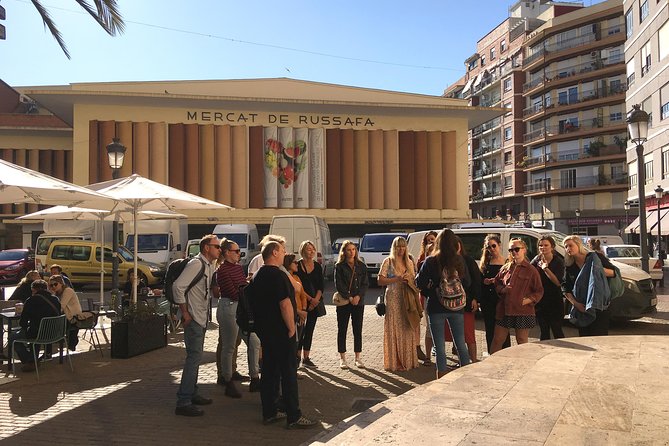
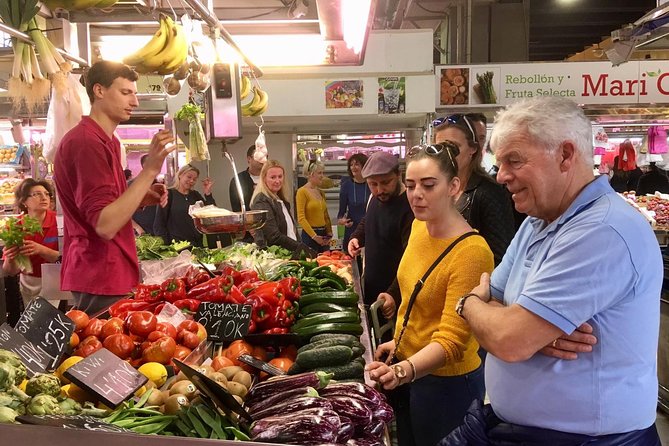
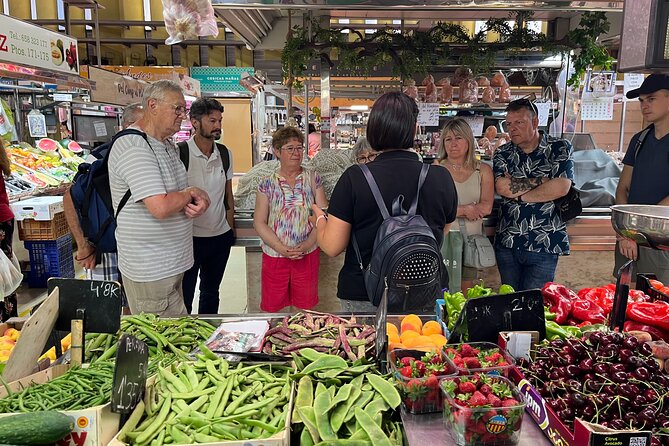
The first stop is Mercado de Ruzafa. From there, you go step by step: shop for the fresh products needed for a good paella, while the guide explains the origin of paella and Valencian customs and culture.
Even if you’ve eaten Spanish market food before, there’s something satisfying about watching how the ingredients line up with the final dish. Paella isn’t only about rice. The “base” flavors and the timing of what goes in matter, and starting with the market makes that idea feel practical.
One practical note: the market visit doesn’t happen on Sunday because it’s closed. So if you’re planning around a weekend trip, check the day you’re booking. You still get the cooking and the meal, but that initial market atmosphere might shift.
The tapas and sangria workshop: warm-up before the stove
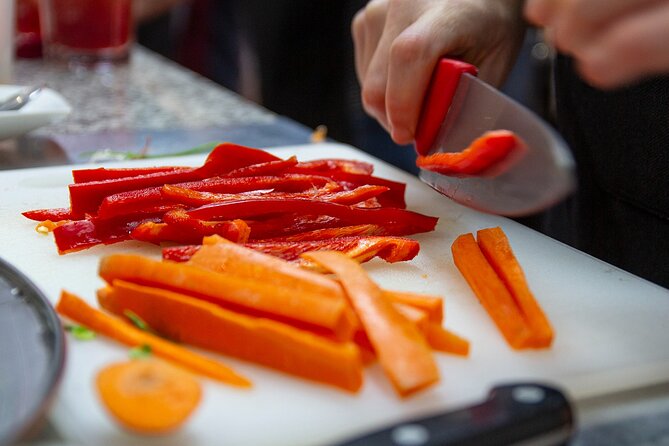
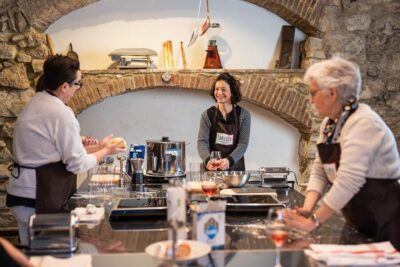
After shopping, you walk about 8 minutes to the kitchen. The chef is already there, and you start with a sangria workshop plus tapas and drinks. You’ll have things like sangria, beer, water, and the class runs like a friendly pre-meal gathering rather than a strict lecture.
The sequence is smart. By the time you’re cooking, you’re in the rhythm of the experience. And it’s not just alcohol for show: the drinks and tapas help you understand the “table” part of Spanish meals—how food and social time fit together.
You’ll also get a starter course that matches the Valencia vibe. A sample menu includes tapas such as:
- Patatas bravas with sojanesa
- Jamón serrano
- Manchego cheese
- Steamed mussels
- Olives
That tapas list is a helpful heads-up for dietary planning. Even though the paella you cook is vegetarian/vegan, the tapas can include meat and seafood. If you follow strict vegan or strict vegetarian rules, you’ll want to be clear about what you’re comfortable eating before the meal starts.
Cooking vegetable paella with real chef attention
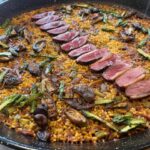
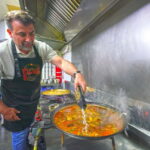
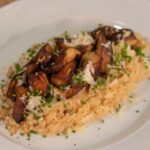
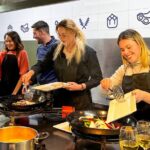
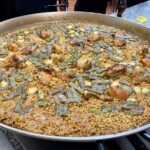
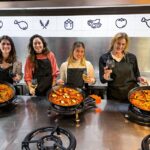
This is where the class earns its keep. You’ll cook vegetarian/vegan paella, and the chef explains the preparation step by step. You’re also provided with all ingredients and equipment to cook, so you’re not arriving to guess how to use specialty tools or where to find key ingredients.
What I like about this approach is that it turns paella from a “mysterious restaurant dish” into a method. The ingredient shopping at Ruzafa gives you the context; the kitchen time turns that into workable technique. Several people have praised the class for being interactive, with everyone involved in prepping and then tasting what they made.
In past sessions, you may meet hosts and chefs such as Guillermo and Cristina, or Jordie and Marie. The names might change by date, but the consistent theme is participation and energy—people are meant to be doing tasks, not just standing nearby.
What you’ll actually do in the cooking moment
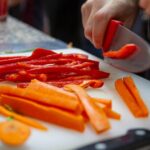
While the class is vegetarian/vegan focused, paella cooking still teaches the core thinking behind the dish. You can expect to learn the proper order of steps, what the chef is watching for as the dish comes together, and the timing that helps the finished paella turn out well.
Don’t worry if you’ve never made paella. The whole point of “first paella” is that you’re getting coached through the process. And with the group capped around 18-20, you shouldn’t feel lost.
Eating like Valencia: paella plus salad, wine, cake, sweets
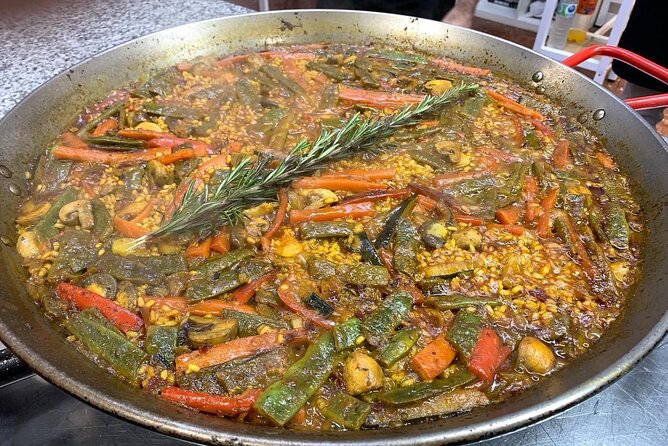
Once the paella is ready, you sit down and eat. Your meal isn’t just paella on repeat. It’s built like a proper Valencian food break, with sides and dessert that make the whole experience feel complete.
Along with the paella, you’ll have:
- Valencian tomato salad (the kind that tastes like summer, even if your schedule doesn’t)
- Valencia wines
- Seasonal fruit
- Valencian sponge cake
- Sweet wine (mistela)
- Coffee
- Plus the earlier tapas and drinks you started with
That spread is a big part of the value. Cooking classes can sometimes end right when you finish the main dish. Here, the sweet and coffee finish matters. It rounds out the meal and gives you time to relax, compare notes with your group, and actually enjoy the food after all the work.
And yes, you’ll leave with a better understanding of what makes paella a social ritual as much as a recipe. The structure—market, cooking, shared meal—feels like the real cadence of Valencia dining.
Group size and English instruction: the practical side
The group is capped at 20 travelers, with a maximum of 18 designed for close chef attention. That size is the sweet spot. Large enough to meet people, small enough that you can ask questions and stay involved.
Language is English. One participant noted that explanations are in English and that non-English speakers may need extra support. If you’re traveling with someone who doesn’t feel comfortable with English, consider whether you’ll be able to help translate in a pinch—because this is not advertised as a multilingual experience.
Price and value: what you’re really paying for at $78.44
At $78.44 per person for about 3.5 hours, the price looks reasonable once you map it to what’s included.
You’re not only paying for a recipe. You’re getting:
- Market shopping time at Mercado de Ruzafa
- A sangria workshop
- Tapas before cooking
- All ingredients and equipment to cook
- Paella meal with tomato salad
- Dessert plus coffee
- Wine/beer/soft drinks/water and mistela
Cooking classes can be overpriced when they’re mostly passive. Here, the format is hands-on, and the meal is substantial. Also, since the cooking includes ingredients and equipment, you’re not facing the usual “extra costs” shock at the counter.
So if you want a half-day that feels like Valencia—food first, culture mixed in, and no guesswork—this is strong value for the time.
Who this class suits best (and who should skip it)
This works especially well if you:
- Want a hands-on paella experience instead of a quick tasting
- Like Valencia food culture: market stop, tapas, tomato salad, cake, and sweet wine
- Prefer vegetarian/vegan paella (and can handle a tapas menu that may include meat/seafood items)
- Are traveling with teens or families who enjoy being involved in cooking
It may be less ideal if:
- You’re specifically hunting the classic seafood paella experience
- Your group needs a language setup beyond English
- You’re the kind of traveler who wants a longer tour day and more wandering time (this is designed as a focused 3.5-hour program)
Should you book this vegetable paella class?
Yes—if you want a confident first experience with paella that you can learn and repeat. The market-to-kitchen flow, the step-by-step chef teaching, and the full meal (tapAS, sangria, wine, tomato salad, fruit, cake, mistela, coffee) make it feel like more than a “class.” It’s a structured Valencian food day.
Book it especially if you appreciate practical cooking technique and want the fun part: cooking with other people, sharing food, and leaving with a clearer idea of how paella works beyond guesswork.
If you’re expecting seafood paella only, or if strict vegan/vegetarian dietary needs are a dealbreaker for the tapas course, you’ll want to plan carefully before you go.
FAQ
What time does the experience start?
The class starts at 11:00am.
How long is the tour?
It lasts about 3 hours 30 minutes.
Where do we meet?
Meet at Parroquia de San Valero, Carrer del Pare Perera, 6, L’Eixample, 46006 València.
Is this paella vegetarian or vegan?
Yes. You shop and cook a vegetarian/vegan paella.
Do you visit the Ruzafa market on Sunday?
No. The Ruzafa market visit is not available on Sunday, since it is closed.
What language is the class in?
The experience is offered in English.
How big is the group?
It has a maximum of 20 travelers, with a maximum of 18 participants for chef attention.
What’s included with the ticket price?
You get tapas, the sangria workshop (plus wine/beer/soft drinks/water), tomato salad, all ingredients and equipment to cook, dessert, and coffee/mistela.
Are children allowed?
Children are allowed, but must be accompanied by an adult.
Is cancellation free?
Yes. Free cancellation is available up to 24 hours before the start time for a full refund.
If you want, tell me your travel dates and whether you’re vegan, vegetarian, or flex with seafood/meat. I’ll help you sanity-check whether this menu format fits your needs.