REVIEW · HO CHI MINH CITY
Farm-To-Table Healthy Cooking Class in Ho Chi Minh City
Book on Viator →Operated by Western Asian Travel Service · Bookable on Viator
A farm-to-table cooking class in Ho Chi Minh City feels like a full day reset. It starts with a real agricultural visit, then moves into hands-on cooking where you learn simple healthy techniques and make four dishes.
I especially like the farm walk for the variety: cows, buffalo, chickens, ducks, plus a garden full of herbs and vegetables—and even fish and prawns. I also like that you’re not just watching; you get a basket to collect produce with scissors, then cook with it in an open-air setup led by the master chef (names you might encounter include Chef Tan, Alice, Aura, Daisy, or Linh).
One consideration: this is partly outdoors, so you’ll feel the Ho Chi Minh City heat and humidity. If you’re sensitive to weather, bring a hat and plan to pace yourself.
In This Review
- Key things to know before you go
- From city pickup to an organic farm day
- The working farm tour: animals, herbs, and why it matters
- Picking vegetables like a Vietnamese farmer (the fun part)
- Open-air cooking: four dishes, one technique at a time
- What you might cook (and what you can expect)
- Lunch and the part people actually care about: eating well
- Price and value: is $67 fair for what you get?
- Who this class is perfect for (and who should think twice)
- Practical tips to make your day easier
- Should you book this farm-to-table class in Ho Chi Minh City?
- FAQ
- How long is the cooking class?
- What’s included in the price?
- Does the class provide a meal?
- How many dishes will I cook?
- Is hotel pickup offered?
- Is alcohol included?
- What’s the group size?
- Can I choose a morning, afternoon, or evening class?
- FAQ
- When does the class start?
- What if I need to cancel?
Key things to know before you go
- Organic farm tour with animals and food ingredients: cows, buffalo, chickens, ducks, plus fish and prawns
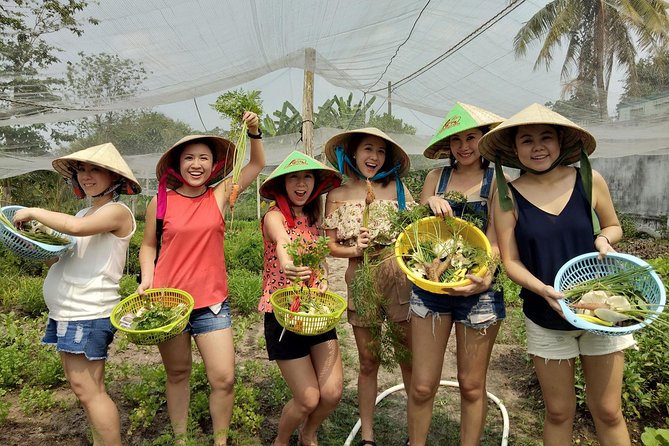
- Hands-on picking: you use scissors to harvest vegetables and herbs to cook later
- Four dishes, guided step-by-step in an open-air cooking area
- You eat what you make with lunch included, plus light refreshments
- Small group size with a maximum of 15 people
- Recipes and a certificate so you can repeat the dishes at home
From city pickup to an organic farm day
This class is built for people who want more than a quick cooking demo. You begin with a hotel pickup (for selected hotels) and ride out to the Ho Chi Minh Agricultural Villages and the Ho Chi Minh Cooking School area. The schedule usually anchors on a morning start time of 7:30 am, though you can also choose a morning, afternoon, or evening option.
That travel time matters. You’re not just getting to a classroom—you’re switching your mental gear from HCMC traffic to countryside rhythm. The day’s pace is deliberate: you arrive, tour, pick produce, relax briefly with fruit and a hammock moment, then cook.
Transport is part of the value here. You’re not expected to figure out local routes or logistics on your own, and the air-conditioned van element makes it easier to start fresh, not sweaty and frazzled.
You can also read our reviews of more tours and experiences in Ho Chi Minh City.



The working farm tour: animals, herbs, and why it matters
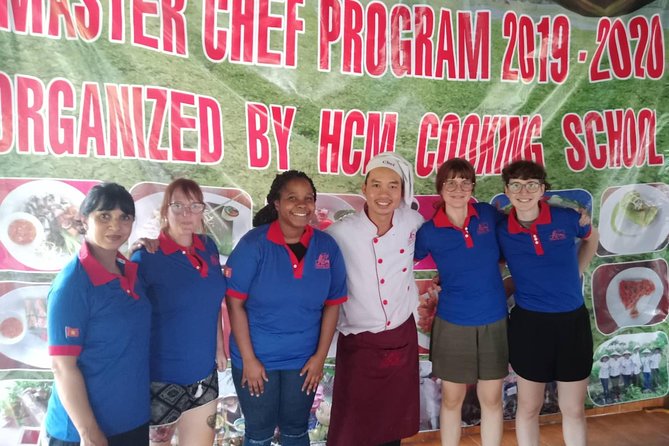
The heart of this experience is the farm tour with the master chef. You get to see the farm as it’s meant to be seen: as a food system, not a photo backdrop.
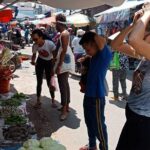
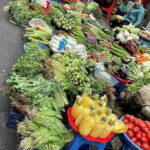
You’ll walk through areas where the cooking ingredients come from, including animals like cows and buffalo, along with chickens and ducks. Then the tour shifts toward the plant side—vegetables, herbs, and spices—and it also includes fish and prawns. Seeing those sources in one flow makes the later cooking feel grounded. It’s easier to understand why the chef keeps returning to fresh herbs, balanced seasoning, and simple, healthy technique.
What I like most is that the tour doesn’t feel like a lecture only. It’s interactive enough that you can ask questions and learn what to look for when choosing herbs and produce later. Some classes also focus on how herbs and vegetables are used medicinally, which gives you extra context beyond flavor.
If you care about food traditions, this farm stop is where things click. You’re learning the logic behind the dishes: freshness, restraint, and flavors that work together without needing heavy sauces.
Picking vegetables like a Vietnamese farmer (the fun part)
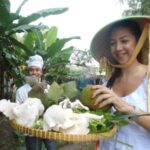
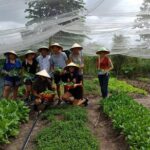
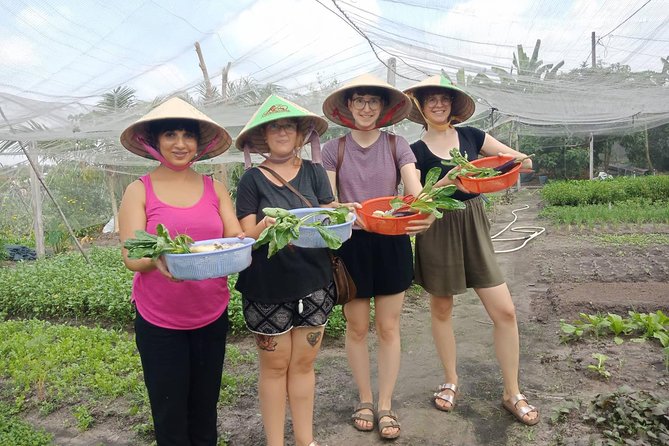
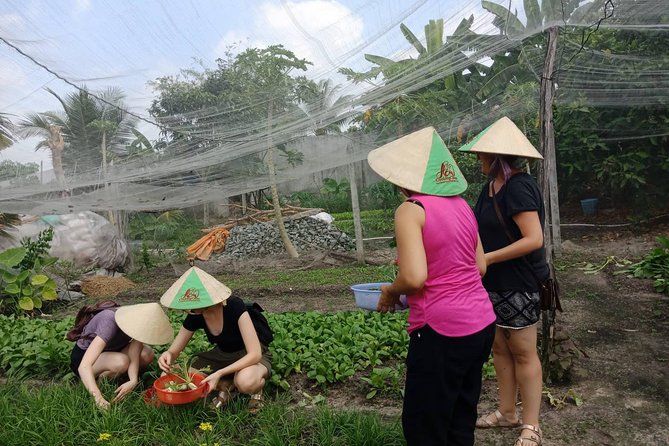
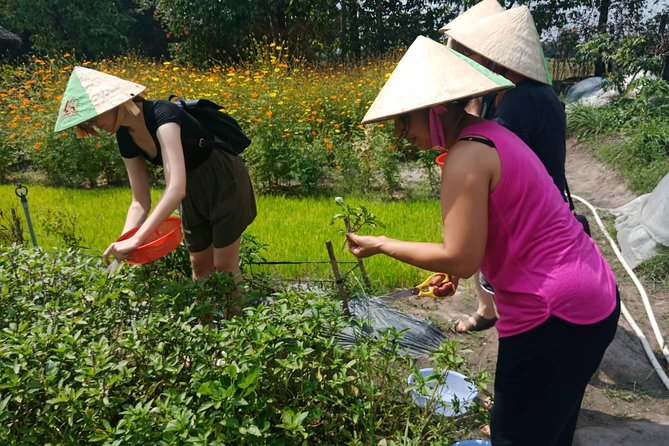
After the tour, you get a basket and scissors. That’s your cue to become a real participant, not just an observer. You collect vegetables to use later during the cooking class, which is a surprisingly motivating detail.
This segment helps in two ways:
- You remember what you picked. When you chop and cook ingredients you harvested, you’re more likely to notice texture, aroma, and how different herbs behave.
- You learn what matters for cooking. The chef and guide can point out what to choose and how it contributes to the final dish, so you’re learning selection skills you can use at home.
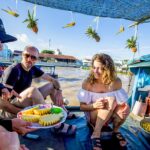
You’ll often get a brief break after picking too—Vietnamese fruit and a few moments in a hammock. It’s not a huge “spa” moment, but it’s a nice reset between farm activity and the serious part of the class.
Open-air cooking: four dishes, one technique at a time
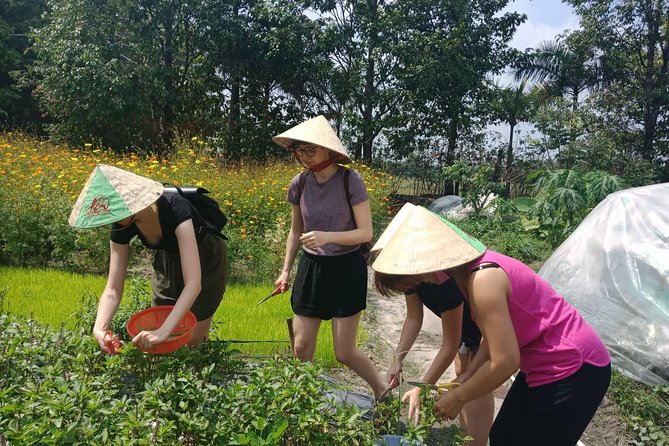
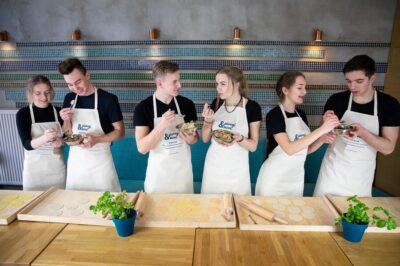
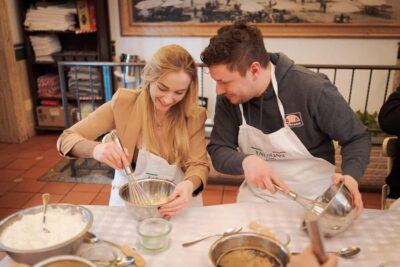
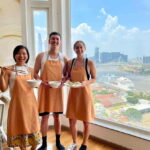
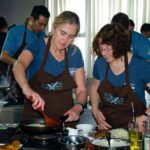
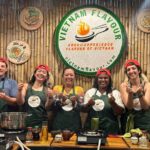
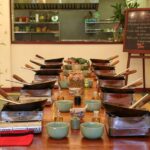
Then it’s time to cook. The structure is one dish at a time, with the master chef guiding you in an open-air environment. That rhythm is important. It keeps the group moving without rushing you through steps, and it gives you a chance to actually understand what you’re doing before moving on.
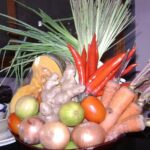
Across the class, you’ll prepare four dishes using fresh, organic herbs and vegetables. The emphasis is healthy cooking: simple techniques, lighter approaches, and flavor building that doesn’t rely on complicated methods.
In past classes with instructors like Chef Tan and others (including Alice, Aura, Daisy, and Linh), the teaching style tends to be friendly and practical—clear enough that you can ask questions and get answers. A couple of instructional moments stand out from how these classes are described: the chef explains steps carefully, giving you time to get it right, not just to finish quickly.
Also, you taste along the way. After preparing each dish, you get advice and then a tasting right after. That’s a smart way to correct small mistakes early—salt level, herb ratios, heat control—so the last dish doesn’t feel like a surprise.
What you might cook (and what you can expect)
The exact menu isn’t listed here, but the consistent promise is four dishes built from fresh, organic herbs and vegetables, with the class designed to teach healthy technique. Because the farm tour includes herbs and produce selection (and also fish and prawns), you can expect dishes to reflect those ingredients.
If you’re hoping for a specific dish name—like pho-related items or a particular stir-fry—check with the operator when you book. The course is more about learning methods and flavors than promising a single signature menu.
Lunch and the part people actually care about: eating well
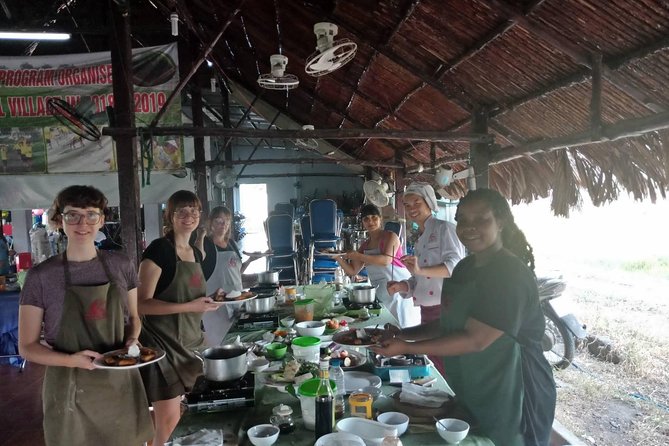
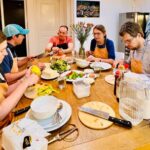
You’ll end the cooking with lunch included. You’re not just making food and leaving—it’s a meal you get to enjoy after working for it. That matters because it turns the class into a full sensory experience: you cook, you taste, you eat.
Light refreshments are also included, which helps when you’re hungry after a farm walk and active chopping. One extra practical note: alcoholic drinks are not included, though they are available to purchase. So if you drink beer or wine with meals, plan on paying for it separately.
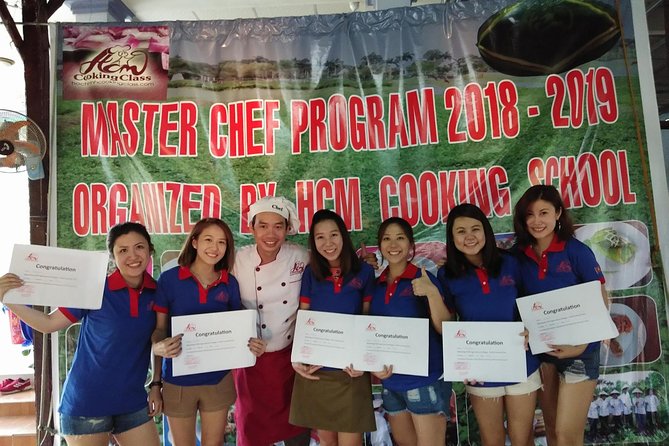
At the end, you also receive a certificate and recipes to take home. That last part is more useful than it sounds. Recipes help you recreate the dishes later, and the certificate gives you a nice souvenir that isn’t just a postcard.
Price and value: is $67 fair for what you get?
$67 per person sounds straightforward, but what really decides value is the load it includes.
Here’s what’s typically covered:
- Hotel pickup and drop-off (selected hotels)
- Professional guide and local guide
- Lunch
- Light refreshments
- All cooking equipment needed
- The farm tour and hands-on cooking of four dishes
- Recipes and certificate
So you’re paying for a full day format with real ingredient sourcing, not a short workshop. The small group limit (max 15) is another value point: smaller groups usually mean more attention at the stove when you’re learning techniques.
One more thing: the fact that the class teaches “simple, healthy cooking techniques” is part of the price. It’s not only about what you eat once. It’s about what you learn so you can cook similar flavors and approaches later.
If you’re looking for a quick snack class, this isn’t that. If you want a half-day of real cooking plus a meaningful farm visit, it’s priced in a way that makes sense.
Who this class is perfect for (and who should think twice)
This works really well if you:
- want a break from the city that still feels tied to food culture
- enjoy hands-on learning, not just watching a chef cook
- like the idea of cooking with fresh herbs and vegetables you picked yourself
- are traveling with friends or family who want a fun shared activity
It can also be a good choice for mixed ages. One described experience included an 83-year-old participant who enjoyed the hospitality and the learning. The pacing is guided, and you’re given structured steps plus tastings.
Think twice if you:
- hate being outdoors in the heat
- need very specific dish names guaranteed on the menu
- prefer cooking classes that are mostly indoors, with minimal walking
Practical tips to make your day easier
A few small moves help you get the best experience:
- Wear comfortable shoes for the farm walk. You’ll be moving.
- Bring sunscreen and a hat. Outdoor cooking means sun exposure.
- Expect to chop and handle herbs. Wear clothes you don’t mind getting a little earthy.
- If you have dietary needs, ask when you book. The class is built around fresh ingredients and healthy technique, but the exact dishes and substitutions aren’t listed here.
When you arrive, listen for the order of operations: tour, harvest, fruit break, then four dishes one by one. That flow is what keeps the day smooth.
Should you book this farm-to-table class in Ho Chi Minh City?
If you want a Ho Chi Minh City cooking experience with real food roots, I’d book it. The combination of farm tour + hands-on harvesting + four guided dishes is the difference between a nice activity and a day you’ll remember.
The main decision point is weather comfort and how much you like outdoor time. If that works for you, this is a strong value at $67 because pickup, lunch, equipment, recipes, and instruction are all part of the package.
If you like learning by doing—and you’re excited to cook healthy Vietnamese techniques with fresh herbs—you’ll likely have a great day.
FAQ
How long is the cooking class?
The experience runs about 6 hours 30 minutes (approx.).
What’s included in the price?
It includes hotel pickup and drop-off (selected hotels), a professional guide and local guide, lunch, light refreshments, and all necessary cooking equipment.
Does the class provide a meal?
Yes. You’ll prepare four dishes and enjoy a lunch as part of the experience, plus light refreshments.
How many dishes will I cook?
You’ll prepare four dishes during the class.
Is hotel pickup offered?
Yes, pickup and drop-off are offered for selected hotels.
Is alcohol included?
No. Alcoholic drinks are not included, though they are available to purchase.
What’s the group size?
The class has a maximum of 15 travelers.
Can I choose a morning, afternoon, or evening class?
Yes. You can select from a morning, afternoon, or evening class option.
FAQ
When does the class start?
The start time listed is 7:30 am (for the morning option). You can also choose morning, afternoon, or evening classes depending on availability.
What if I need to cancel?
You can cancel for a full refund if you cancel at least 24 hours before the experience’s start time. If you cancel less than 24 hours before, the amount you paid will not be refunded.