REVIEW · TOKYO
Tokyo: Sushi and Ramen Cooking Class with Sake Pairing Set
Book on GetYourGuide →Operated by Sushi Making Japan | Cooking Class in Japan · Bookable on GetYourGuide
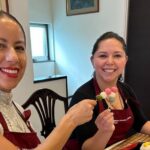
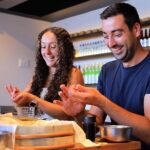
There’s something satisfying about hands-on Japanese cooking. This 3-hour Tokyo class pairs sushi and ramen lessons with a guided sake tasting, so you’re not just eating, you’re learning how the flavors get built. You’ll work in a small group with English-speaking instructors, and the vibe stays relaxed and friendly.
I especially like the way the class teaches ramen like a real dish, not a vague idea. You learn how to make ramen soup from scratch and master chashu pork, and you’ll also get nigiri sushi skills that focus on technique you can reuse at home. A solid recipe booklet and take-home chopsticks turn the session into something you can actually practice later.
One clear consideration: the class isn’t set up for vegans or vegetarians. If that’s you (or your group), you’ll want a different kind of food experience in Tokyo.
In This Review
- Key highlights worth planning around
- Tsukishima location: why this stop feels practical and real
- The 3-hour flow: ramen, sushi, and timing that doesn’t feel rushed
- Ramen soup and chashu: the skills that translate to your kitchen
- Nigiri sushi: how to shape it without overthinking
- Sake tasting set: three pairings and what to notice
- What you eat at the end: a meal you actually understand
- The extras that make it feel like more than a class
- Price and value in Tokyo terms ($129 for 3 hours)
- Who should book (and who should skip)
- Before you go: simple tips that prevent common problems
- Should you book this sushi and ramen cooking class?
- FAQ
- How long is the sushi and ramen cooking class in Tokyo?
- How many people are in the group?
- Is hotel pickup or drop-off included?
- What’s included in the sake tasting?
- Is the class suitable for vegetarians or vegans?
- Where do I meet for the class?
Key highlights worth planning around
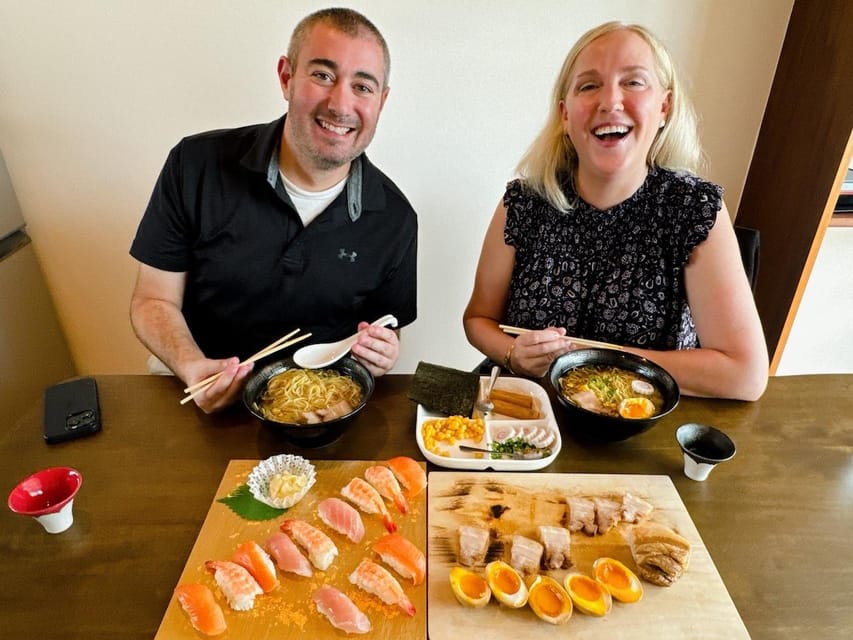
- Small group (up to 8) with hands-on time and personal instruction
- Ramen from scratch including broth-building plus chashu pork technique
- Nigiri sushi practice using provided tools and ingredients
- Three premium sake pairings chosen by a certified sake sommelier
- Take-home support: recipe booklet plus a set of souvenir chopsticks
Tsukishima location: why this stop feels practical and real
Tokyo cooking classes are everywhere. What matters is where the class sits in your day, and whether you can get there without stress. This one meets at HAUS Tsukishima (2nd floor), about a 5-minute walk from Tsukishima Station Exit 4. That makes it easier to fit into a normal travel rhythm, especially if you’re bouncing between central sights and east-side neighborhoods.
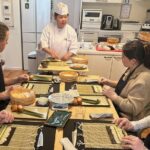
Tsukishima also puts you in a Tokyo that feels less like a tourist hallway. You’re not far from places like Ginza and Tokyo Station by taxi, yet you still get a local-neighborhood feel when you walk in. The setup is also a big plus: you’ll be in a cozy cooking space where the class format makes sense—everyone can stand close, watch closely, and then actually do the steps.
You can also read our reviews of more tours and experiences in Tokyo.

The 3-hour flow: ramen, sushi, and timing that doesn’t feel rushed
A good cooking class is all about pacing. Too fast and you’re just copying. Too slow and you lose the joy. Here, the structure is tight but friendly: you get hands-on instruction, then you sit down and enjoy what you made as part of the same experience.
You’ll spend the session learning two stars of Japanese comfort food:
- ramen soup preparation, including chashu
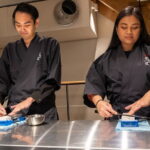
- nigiri sushi preparation, focusing on hand-forming sushi rice and shaping nigiri
What I like is the way these two lessons reinforce each other. Ramen teaches you how flavor layers matter: broth, aroma, and fat (from chashu) all work together. Nigiri teaches precision and restraint: rice texture, a light touch with toppings, and clean shaping matter more than fancy moves.
In the classroom, instructions are in English, and multiple reviews highlight that hosts/instructors keep things patient and encouraging. One review even described a pop-quiz-style moment that helped the group work together—small trick, big result. It keeps beginners from freezing and gives experienced cooks something to think about.
Ramen soup and chashu: the skills that translate to your kitchen
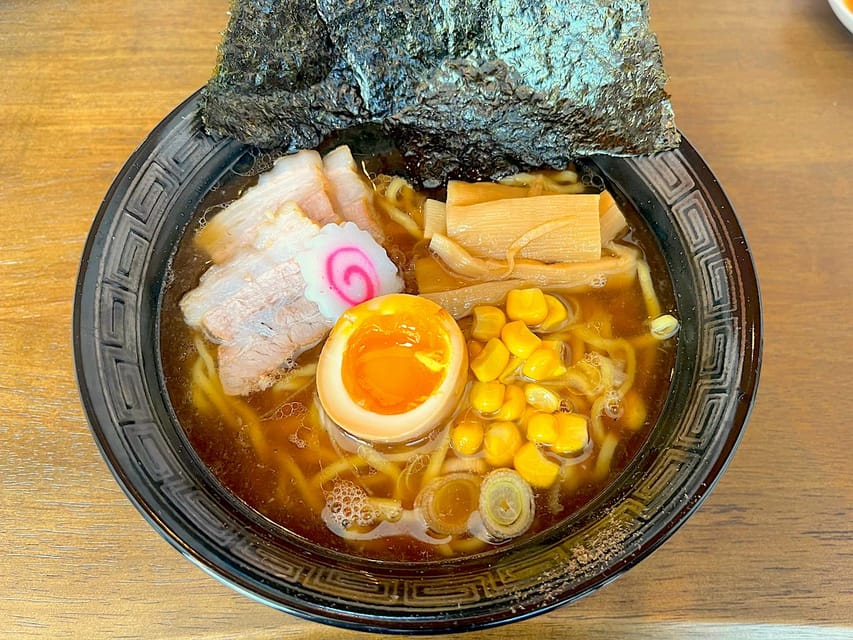
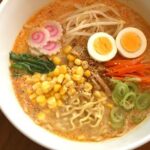
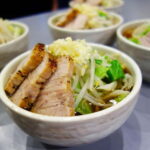
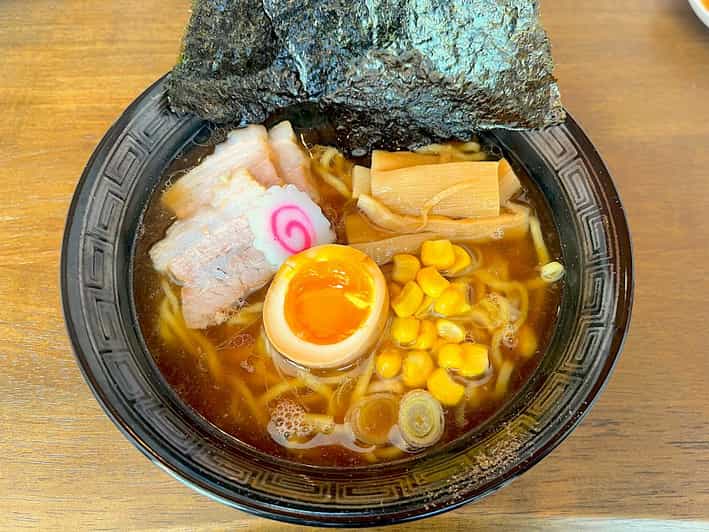
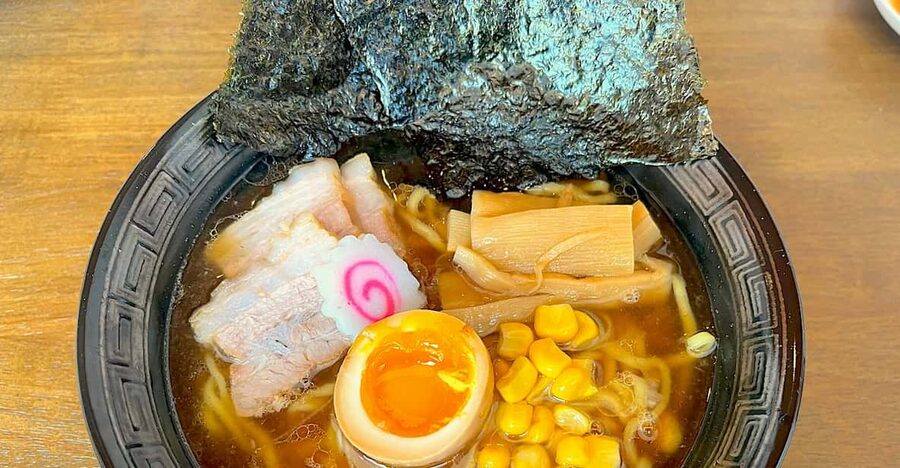
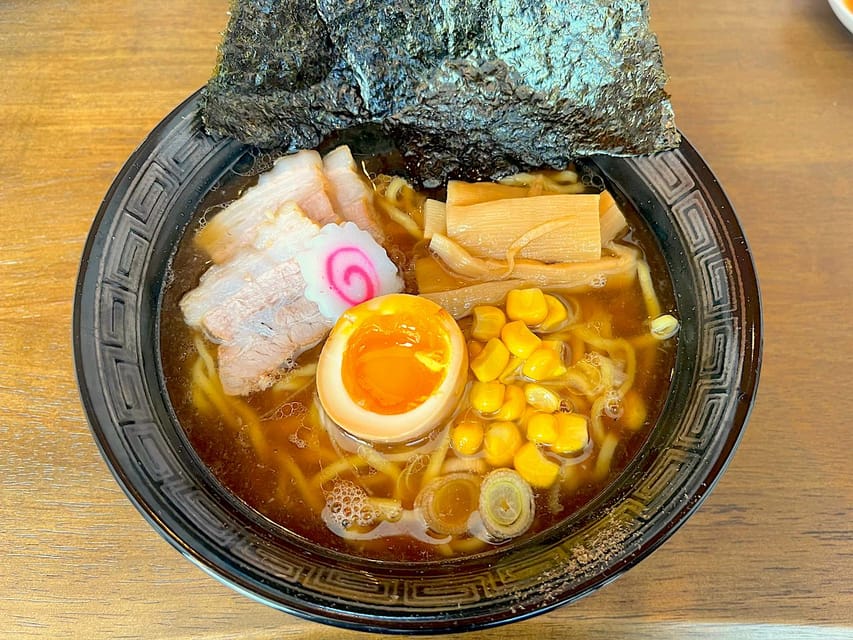
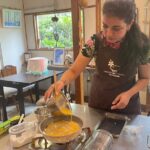
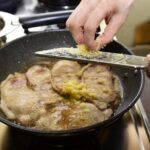
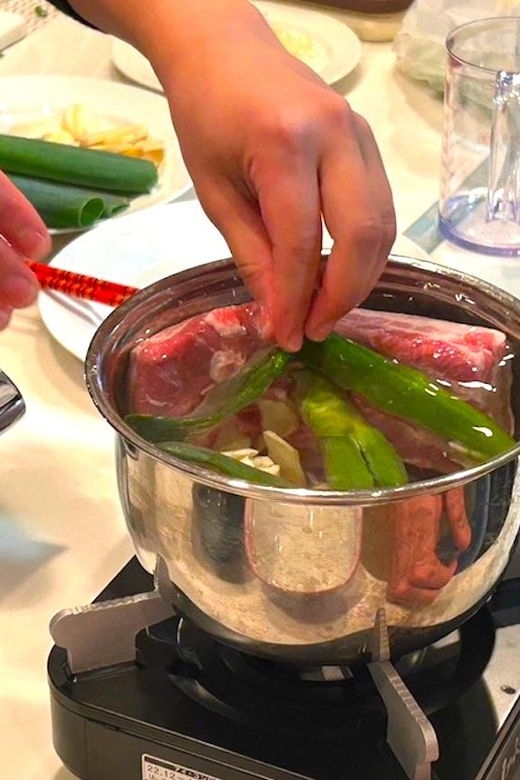
Ramen is one of those dishes people think is too complex to recreate at home. This class is designed to cut through that fear. You’re taught how to make ramen soup from scratch, with guidance aimed at building a flavorful broth and pairing it with melt-in-your-mouth chashu pork.
Here’s why that’s valuable: ramen can taste different from shop to shop, but the core idea stays the same—balance, simmered depth, and the right richness from the pork. Chashu is a perfect example. It’s not just meat; it’s texture and flavor carried by the cooking method. When you learn that process in a structured class, you’re more likely to remember the important steps later, instead of copying ingredients blindly.
You’ll also get practical ingredient tips and even substitutions for overseas cooking. That matters because Japanese pantry items aren’t always easy to find. The course goal isn’t to make your kitchen an exact replica of Tokyo—it’s to help you recreate the spirit and the results.
Also worth noting: the class includes a recipe booklet that goes beyond the ramen you cook in class. It includes instructions for recipes like gyoza and sushi, which can be your next weekend project. That means you’re not limited to one dish.
Nigiri sushi: how to shape it without overthinking

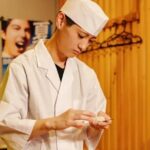
Sushi instruction can go two ways: either you’re overwhelmed by details, or you’re rushed and your rice ends up wrong. This class focuses on hand-making nigiri sushi with provided ingredients and tools, and it includes a look at where sushi comes from. That cultural context isn’t fluff. It helps you understand why nigiri technique matters.
Nigiri is all about structure:
- the rice has to have the right stick-and-bite feel
- the topping has to sit with proper balance
- shaping has to be confident, not forceful
In a small-group format, you get more of the feedback loop. That’s the real advantage over solo “watch and try” tutorials online. When your fingers are guided on timing and pressure, you start producing results that look right and taste right faster.
The class also connects sushi and ramen through technique thinking. Both disciplines reward patience. Ramen rewards simmering and depth. Nigiri rewards texture and gentle accuracy. Learning both in one sitting makes you a better cook, not just a better one-time performer.
Sake tasting set: three pairings and what to notice
One of the coolest parts here is the curated sake tasting. You’ll enjoy three premium Japanese sakes selected by a certified sake sommelier. This isn’t just a sip-and-skip add-on. It frames the food so you taste with purpose.
Sake pairing makes sense with both ramen and sushi:
- ramen’s savory richness can stand up to sake’s clean structure
- nigiri’s delicate balance (rice + topping) responds to flavors that are aromatic and refined
What you’ll likely take away is the idea that pairing isn’t about forcing sweetness or matching exact flavors every time. It’s about contrast and harmony. The sommelier-led selection gives you a starting point for how to think, then your palate does the rest.
And yes, some reviews mention beer choices alongside sake. That’s not listed as a formal inclusion in the core description, but it suggests the overall drinks setup can be more than just sake. Either way, the guaranteed part is the three-sake tasting.


What you eat at the end: a meal you actually understand
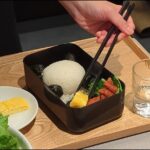
Most cooking classes end with a meal, sure. The difference here is that the food you eat comes from skills you just practiced. You’re not eating something handed to you and calling it learning.
Because you made the ramen soup and the chashu, you can taste the difference between fat, salt, and aroma. Because you shaped your own nigiri, you notice how rice temperature and topping balance changes the bite. That makes the meal feel like a finished product, not a bonus.
Some people also love that the class format includes time to relax after the cooking portion. Reviews describe plenty of time for both the hands-on work and then unwinding with what you made. That pacing matters, especially after you’ve worked up a sweat chopping, stirring, and shaping.
The extras that make it feel like more than a class
This experience includes several take-home and on-site details that add real value.
First: the comprehensive recipe booklet. It’s professionally designed and includes detailed instructions for recreating ramen, gyoza, and sushi at home. That’s huge for long-term value. If a class gives you a vague recipe and a photo, it fades fast. Here, the booklet is meant to help you reproduce the dishes.
Second: the souvenir chopsticks. It sounds small, but in a cooking class, little artifacts act like a reminder. You’ll see those chopsticks later and remember the technique, not just the meal.
Finally: the ingredient and tool setup. The class provides the necessary ingredients and tools, so you’re not spending your Tokyo time hunting for specialized items. You can show up, learn, and then leave with knowledge.
Price and value in Tokyo terms ($129 for 3 hours)
At $129 per person for a 3-hour, small-group class, this isn’t a budget “snack cooking demo.” But it also isn’t a luxury-only food fantasy. You’re paying for four main value drivers:
- Hands-on instruction in English with a small group size (limited to 8). That reduces the “stand and watch” time that makes some classes feel overpriced.
- Two major dish types in one session: ramen (broth + chashu) and nigiri sushi. That’s more coaching and more cooking steps than many single-dish classes.
- Three premium sake tastings selected by a certified sake sommelier. Alcohol pairings in Japan-based classes can be a hidden value lever, because they come with guidance.
- Take-home reinforcement: recipe booklet plus souvenir chopsticks.
If you compare the class to the cost of trying to reproduce ramen and nigiri on your own without local guidance, the tuition starts looking more like a shortcut. You get technique, structure, and the right direction for substitutions. That’s what helps you cook again later instead of giving up after one attempt.
Who should book (and who should skip)
This class is ideal for:
- first-timers who want a confident entry point into sushi and ramen technique
- couples, small groups, or even solo travelers who like interactive learning
- anyone who likes culture through food, not just through lectures
The experience works especially well if you’re the kind of traveler who likes a plan that ends with a meal you understand.
It’s not a fit for:
- vegans and vegetarians (the class isn’t suitable for them)
Before you go: simple tips that prevent common problems
Here are a few practical things that make a noticeable difference.
Wear comfortable clothes that you don’t mind getting a bit dirty. Ramen prep and sushi handling can be messy in a way that’s part of the fun, but you’ll feel better if you’re not worrying about your outfit.
Arrive about 5 minutes early. This isn’t just politeness. Being early helps you settle in, find the space, and start on time without stress.
Also remember: hotel pickup and drop-off aren’t included. You’ll handle your own way to the meeting point near Tsukishima Station.
Should you book this sushi and ramen cooking class?
I think you should book if you want a Tokyo food experience that’s hands-on, structured, and genuinely repeatable at home. The combination of ramen soup + chashu and nigiri sushi gives you two real skill sets, and the three-sake pairing set adds extra context to how you taste and compare.
Skip it if you’re vegan or vegetarian, because the class isn’t suitable for those diets. And if you hate group learning, this might not be your style, since the whole point is shared instruction and making together.
If you’re deciding between “just eat ramen and sushi” versus “learn how it’s made,” this is the second option done in a practical way.
FAQ
How long is the sushi and ramen cooking class in Tokyo?
The class lasts 3 hours.
How many people are in the group?
The group is limited to about 8 participants, keeping it small and interactive.
Is hotel pickup or drop-off included?
No. Hotel pickup and drop-off are not included.
What’s included in the sake tasting?
You’ll enjoy three premium Japanese sakes, selected by a certified sake sommelier.
Is the class suitable for vegetarians or vegans?
No. It’s not suitable for vegans or vegetarians.
Where do I meet for the class?
The meeting point is on the 2nd floor of HAUS Tsukishima, 2-13-5 Tsukuda, Chuo-ku, Tokyo 104-0051. It’s a 5-minute walk from Exit 4 of Tsukishima Station (Y21).