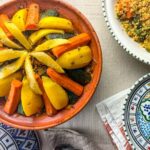
A great Moroccan meal starts with a hands-on lesson. This cooking class at Chouf l’Or turns you from a watcher into the cook, with a real chef, a small group, and a full menu you’ll make and eat. I especially like the step-by-step guidance and the warm, family-style welcome.
Two things I’d circle on your planning list: you get a mint tea welcome and a menu that covers the core of Moroccan comfort food (starter, tajine main, and orange cannelle dessert). One consideration: it’s a weather-dependent experience, so if conditions are poor, dates can change or cancel.
In This Review
- Key things that make this class worth your time
- Chouf l’Or and Marrakech hospitality: what the welcome feels like
- Pickup, timing, and how to plan for the 2 hours 50 minutes
- Mint tea and menu choices: how you set up the meal before you cook
- Starter prep: learning the why behind Moroccan flavors
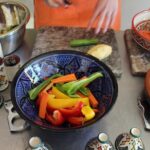
- Tajine main course: where the real technique happens
- Orange cannelle dessert: the sweet finish that feels very Moroccan
- Eating what you cook: why the shared meal is part of the point
- Small group size (max 15): the comfort factor
- Who should book this cooking class in Marrakech
- Price and value: what $31.36 gets you in real terms
- Practical tips so you leave with skills, not just recipes
- Should you book the Moroccan Cooking Class at Chouf l’Or?
- FAQ
- What’s the duration of the cooking class?
- Does the price include food?
- What are the courses in the menu?
- Is hotel pickup and drop-off included?
- How big is the group?
- Can I get a refund if I cancel?
Key things that make this class worth your time
- Chef-led cooking with an experienced instructor (chef Ikram is part of the magic)
- Small group size with a max of 15 people, so you get real attention
- A full food experience: you prep, then eat everything you cook
- Classic menu structure: starter, main course, and dessert
- Pickup and drop-off included, so you spend less energy figuring out transport
Chouf l’Or and Marrakech hospitality: what the welcome feels like
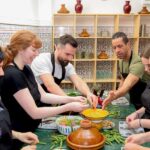
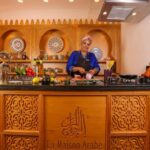
The experience begins in a Marrakech restaurant setting that’s described as family and warm, with staff women who are clearly passionate about cooking. That matters because the best cooking classes don’t just teach recipes. They teach how Moroccans actually think about flavor, timing, and hospitality.
You’ll be greeted with traditional mint tea, then you’ll talk through the menu choice before you start cooking. This first conversation is more than small talk. It helps you know what you’re aiming to cook and gives you context for the steps that follow, especially when you’re learning techniques you might not have seen before.
If you like experiences where people treat you like part of the room (not like a ticket number), this is the right tone. You can also expect a chef who’s been cooking Moroccan dishes for decades, including work in hotels, riads, and restaurants around Marrakech.
You can also read our reviews of more tours and experiences in Marrakesh.


Pickup, timing, and how to plan for the 2 hours 50 minutes
The class runs about 2 hours 50 minutes, which is long enough to do real cooking without feeling like a marathon. The schedule moves in phases: arrival and welcome, menu discussion, step-by-step prep, then eating the results together.
Pickup and drop-off are included, which is a big deal in Marrakech. It cuts the usual stress of finding the restaurant, dealing with traffic, and trying to navigate streets when you’re hungry. You’ll also have a mobile ticket, which makes last-minute logistics simpler.
Practical note: the tour is near public transportation, so even if you’re not using pickup, you’re not stranded. Still, pickup is the easiest route if you want your day to stay smooth.
Also remember the class is capped at 15 travelers. That small size tends to mean quicker help when you’re chopping, mixing, or getting your timing wrong.
Mint tea and menu choices: how you set up the meal before you cook
Right when you arrive, you get the mint tea, then you talk about what you’ll be making. The menu is built around the most typical Moroccan dishes, organized as starter, main course, and dessert.
This is where you’ll get the most value if you treat the chef’s guidance like a conversation. Ask what ingredients are doing in the dish. Ask what to taste for as you go. That’s how you turn a single cooking session into a recipe you can repeat after your trip.
It’s also a smart format because it prevents the common problem with cooking classes: you cook one component well, then the rest feels like a blur. Here, the structure keeps everything connected, from first flavors to the final sweet finish.
Starter prep: learning the why behind Moroccan flavors
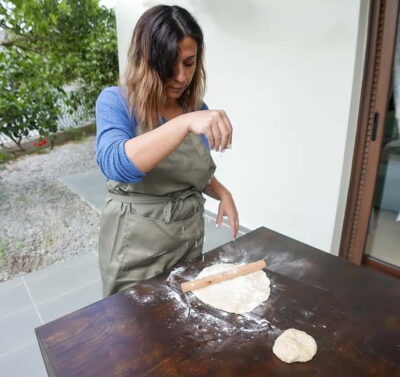
Your session starts with preparation step by step. While the exact starter recipe isn’t listed, the overall approach is the point: you learn how Moroccan starters build flavor before the main course.
What’s useful here is the pacing. Step-by-step cooking is ideal when you’re not already familiar with Moroccan techniques or spice balance. You’re guided as you work, which helps you avoid the two biggest beginner mistakes:
- overthinking measurements and rushing
- adding seasoning without tasting along the way
Because the group is small, you’re more likely to get direct corrections. That’s how you leave with techniques you can actually use later, not just a plate of food and a memory.
Even if your goal is just to eat well in Marrakech, the starter portion sets up your appetite and your understanding of the meal. You’ll taste what you’ve learned before moving on.
Tajine main course: where the real technique happens
The main event is the traditional tajine. This is the dish many people come to Morocco for, and it’s also the dish that teaches you the most about Moroccan cooking style.
A tajine isn’t only about ingredients. It’s about method. In a class like this, the chef’s decades of experience matter because they can point you to the “watch this” moments: how you prep, how you layer flavors, and how to keep your cooking on track so the result comes out right.
Chef Ikram’s role comes up in the feedback: people describe a wonderful chef and emphasize the techniques learned for tajine cooking. That aligns with what you should look for in a good class—someone who can explain the process clearly and help you fix mistakes fast.
If you’ve been intimidated by the idea of cooking a tajine at home, this format can reduce that fear. You’ll see how the steps connect, and you’ll understand what you need to focus on rather than trying to guess your way through.


Orange cannelle dessert: the sweet finish that feels very Moroccan
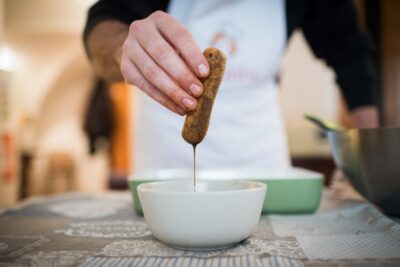
Then comes dessert: orange cannelle. Even if you’re not a dessert person, this part is worth paying attention to because Moroccan desserts often rely on scent and spice balance, not only sugar.
Orange cannelle also gives you a strong “signature” taste you can remember. It helps the whole class feel complete: savory learning in the morning stretch, then a dessert win at the end.
In a hands-on class, dessert can sometimes feel like a quick add-on. Here, it’s part of the same structured menu flow, so you’re still in cooking mode instead of just tasting and leaving.
If you take one lesson from the dessert part, make it the flavor logic. Citrus + warm spices is a pattern you can reuse in other dishes later.
Eating what you cook: why the shared meal is part of the point
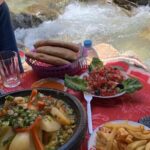
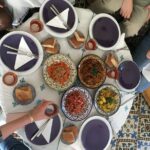
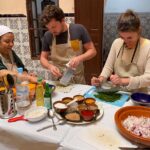
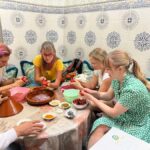
You don’t prep and then watch someone else eat. You feast on your creations throughout the session. That turns your learning into something practical: you taste the results while the instructions are still fresh in your mind.
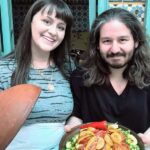
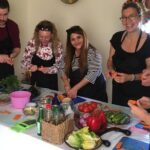
This also creates a social rhythm. Several people mention making new friends and swapping tasting tips. That makes sense, because when you cook together, you’re naturally comparing textures, spice levels, and what you think worked.
The “eat-your-work” format is where value shows up. Many classes only teach and then send you home hungry. Here, the meal is included, and you get to enjoy the full experience of a Moroccan starter, tajine main, and dessert as part of the session.
Small group size (max 15): the comfort factor
A maximum of 15 travelers changes the whole vibe. With smaller groups, it’s easier for the chef to notice what’s going wrong and easier for you to ask questions without waiting.
This is also why pickup feels like less of a hassle. You’re not a crowd getting shuffled around. You’re a compact group with a smoother start and finish.
The class atmosphere is described as family and warm, and the size reinforces that. You’re more likely to feel relaxed, which is important when you’re handling spices, cooking steps, and unfamiliar techniques.
Who should book this cooking class in Marrakech
This is a great fit if you want two things:
- a memorable Moroccan meal you help make
- practical cooking lessons you can take home
You’ll especially enjoy it if you’re the type who likes learning by doing rather than just taking photos. It’s also a solid choice if you want a calmer activity outside the biggest sightseeing rush, since you’re focused on one restaurant experience with a clear menu.
It may not be the best fit if you’re looking for a super long immersion workshop or a deep dive into theory. This is a hands-on class with a finished meal in under three hours. Think skill practice plus dinner, not a culinary degree.
Also consider this if you travel as a solo adventurer. The class setup makes it easy to connect with other people, and feedback notes people leaving with new friends.
Price and value: what $31.36 gets you in real terms
At $31.36 per person, the key value isn’t just the low ticket price. It’s what the ticket covers: all food, the full meal you prepare, and pickup and drop-off.
In other words, you’re paying for:
- chef time and hands-on instruction
- ingredients used during the class
- starter, tajine main, and dessert
- local transport support via pickup/drop-off
That combination is what makes the price feel fair. You’re not adding extra costs just to eat, and you’re not spending your day figuring out logistics.
There’s also the small-group advantage, which usually translates into more attention for your questions and less time waiting around.
Practical tips so you leave with skills, not just recipes
Here’s how to get the most out of a class like this, even if Moroccan cooking is new to you:
- Ask what to taste for. If you learn only one thing, make it how the dish should taste as you cook.
- Watch the timing cues. With tajine-style cooking, small timing differences can change the result.
- Take notes right after key steps. During prep, your attention will be split. After one major step, write down what you did and why.
- Come hungry, not starving. You’ll be eating as you go, so a light meal earlier in the day can help you enjoy every course.
- Wear comfortable clothes. You’ll be working with food prep, not just observing.
If you want souvenirs, this is a good “buy.” You’ll walk away with the ability to reproduce a Moroccan menu at home, plus the confidence to handle spice and texture decisions without panicking.
Should you book the Moroccan Cooking Class at Chouf l’Or?
I’d book it if you want an easy win in Marrakech: a friendly restaurant setting, chef-led cooking, and a complete Moroccan meal you make yourself. The combination of pickup, a small group, and a menu built around starter, tajine, and orange cannelle makes it feel like real value, not just a short activity.
I’d think twice only if weather is a big concern for your dates. Since it’s weather-dependent, be ready for possible rescheduling if conditions are poor.
If your ideal Marrakech day includes good food, practical technique, and a relaxed social atmosphere, this class hits the mark.
FAQ
What’s the duration of the cooking class?
It’s about 2 hours 50 minutes.
Does the price include food?
Yes. All food is included in the ticket price.
What are the courses in the menu?
The menu is made up of a starter, a main course (including tajine), and dessert (orange cannelle).
Is hotel pickup and drop-off included?
Pickup and drop-off are included for ease.
How big is the group?
The class has a maximum of 15 travelers.
Can I get a refund if I cancel?
Yes, you can cancel for a full refund up to 24 hours in advance.