REVIEW · CHIANG MAI
Chiang Mai: Morning Cooking Class with Market Visit
Book on GetYourGuide →Operated by Galangal Cooking Studio · Bookable on GetYourGuide
Want a Thai cooking day with real ingredients?
This 5-hour morning class in Chiang Mai pairs local market shopping with hands-on cooking at Galangal Cooking Studio, then ends with the food you make. I like that it’s not just recipe talk: you shop by smell, pick herbs, and learn why Thai flavor comes from the right ingredients and the right order.
Two things I really appreciate: you get to cook six dishes (with choices so you’re not locked into one menu), and you leave with a PDF recipe book you can actually use later. One consideration: the pickup window runs tight in the morning, and the driver waits only a short time after your scheduled pickup—so you’ll want to be ready early.
You’ll also find the class friendly to different diets and needs: vegan, vegetarian, halal, and gluten-free options are available, and the studio is wheelchair and stroller accessible. Come hungry but follow their rule: arrive with an empty stomach so you can fully enjoy the final meal.
In This Review
- Key highlights you’ll feel right away
- Morning start: pickup zones and why timing matters
- The market visit: where Thai flavor starts
- Organic garden and farm time: herb picking with purpose
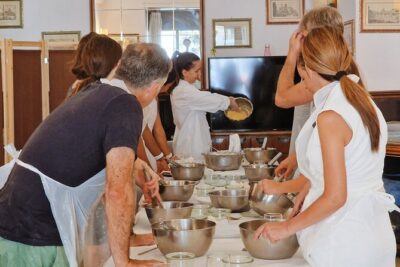
- Inside Galangal Cooking Studio: how the class actually runs
- Choosing your Thai menu: from Som Tam to curry
- Starter options (choose one)
- Main course options (choose one)
- Soup options (choose one)
- Curry options (choose one)
- Dessert and the take-home PDF recipe book
- Price and value: what $41 really covers (and what doesn’t)
- Who this fits best (and who should think twice)
- Practical tips so your day goes smoothly
- Should you book Chiang Mai: Morning Cooking Class with Market Visit?
- FAQ
- How long is the Chiang Mai cooking class?
- What does the price include?
- Is there an extra visitor fee?
- What dishes will I cook?
- Can I choose what dishes to make?
- Are vegan, vegetarian, halal, or gluten-free options available?
- Is the cooking instruction in English?
- What should I bring?
- What if my hotel is not in the pickup area?
- Is the studio wheelchair accessible?
Key highlights you’ll feel right away
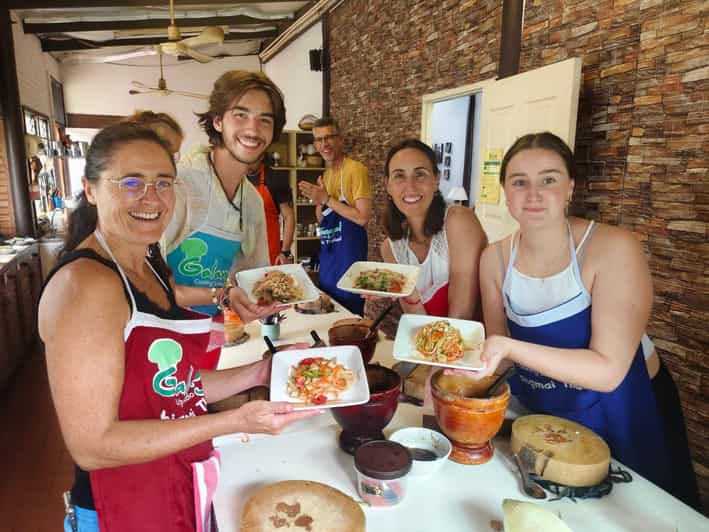
- Market-first flavor learning: you shop for aromatics and produce before cooking, so dishes make more sense
- Organic garden herb picking: walk through an organic growing area and choose ingredients you’ll use
- Six dishes with real Thai technique: appetizer, stir-fry, soup, curry paste/curry, plus dessert
- English instruction that stays practical: step-by-step guidance that’s easy to follow
- Air-conditioned dining and an indoor kitchen: a good break from Chiang Mai heat
- Take-home PDF recipes: copy the method and ingredient list for your next Thai night
Morning start: pickup zones and why timing matters
This experience is designed as a morning program in Chiang Mai Province, with a duration of about 5 hours. In practice, you’re moving through three phases: hotel pickup → market and organic garden → cooking studio and dining. That flow is the whole point, because the cooking gets better when you’ve already handled the ingredients.
Pickup runs between 8:30 and 9:00 AM, and the driver will not wait more than 5 minutes after your scheduled time. That sounds minor until you’re standing outside with a coffee in hand while everyone else loads into the van. My advice: be ready in the lobby a few minutes early, and keep your phone charged so you can react fast if traffic shifts things.
Pickup is offered to many hotels in the Old City area plus nearby stretches (Santitham and Huay Keaw road from Kad Suan Keaw to Maya Shopping Mall). It also covers some areas of Nimmanhaemin Road, Sirimongkrajan Road, Wat Ket Road, Chang Pheuk, Changklan, and Changmoi. If your hotel falls outside that set of areas, you’ll be told ahead of time. In that case, you can arrange your own ride or go directly to the market/cooking studio—so you still get the experience, just without the van.
You can also read our reviews of more tours and experiences in Chiang Mai.
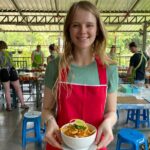
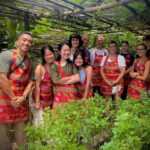
The market visit: where Thai flavor starts
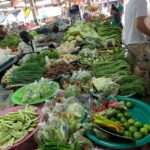
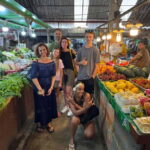
The market stop is the first real taste of the day—literally and mentally. You’ll see fresh ingredients on sale and get oriented to Thai cooking staples. The experience emphasizes aroma and freshness, which is a big deal in Thai cuisine where herbs, citrus, and spice blends are not just garnish.
This portion can vary depending on interest (so the pace isn’t one-size-fits-all). If you enjoy asking questions and noticing differences—like how herbs smell versus how they look—you’ll likely want more time here. If you’re short on patience, you can usually keep things moving while still learning what you need.
What I like most about starting in the market is that you don’t just memorize dish names. You learn what’s in them. When you later make something like Tom Yum Kung or stir-fried holy basil chicken, the ingredient choices stop feeling random.
Also, one practical plus: the class includes water, tea, and coffee during the activity. That helps when you’re walking and sniffing your way through stalls before you cook.
Organic garden and farm time: herb picking with purpose
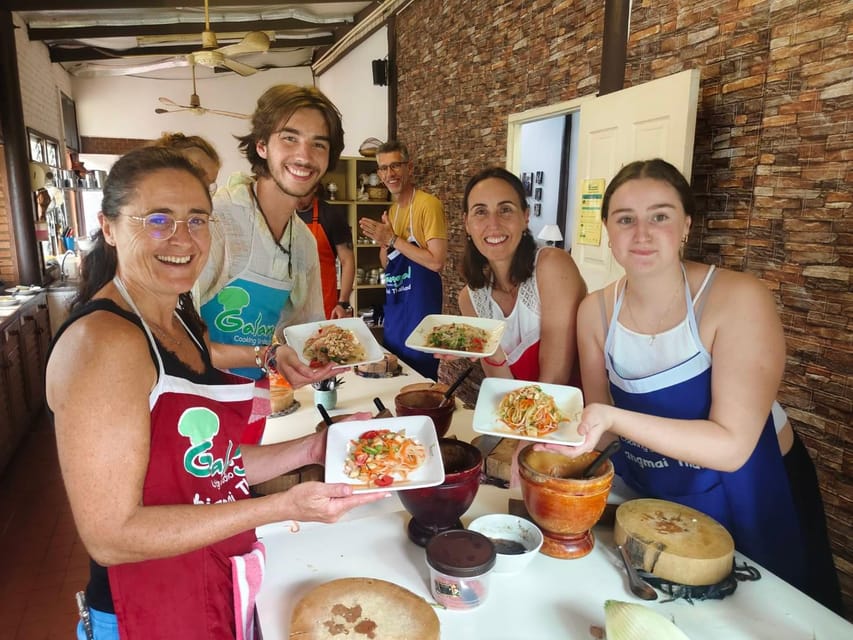
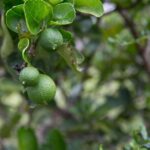
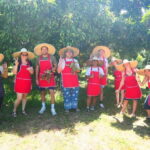
After the market, you head to an organic garden and an organic farm area. This is more than a photo break. You explore how vegetables and herbs are grown in Thailand, and you get to pick your own herbs from what’s growing there.
This part matters because Thai cooking is heavily herb-driven. When you’ve picked the basil, cilantro-type greens, or other herbs you’ll be using, you cook with more confidence. You also get a clearer sense of why certain herbs are used in certain dishes (cooling freshness in salads, punchy aroma in stir-fries, and so on).
If you’re the type who likes the practical side of travel—how food is made and not only what ends up on a plate—this garden segment is a strong payoff.
Inside Galangal Cooking Studio: how the class actually runs
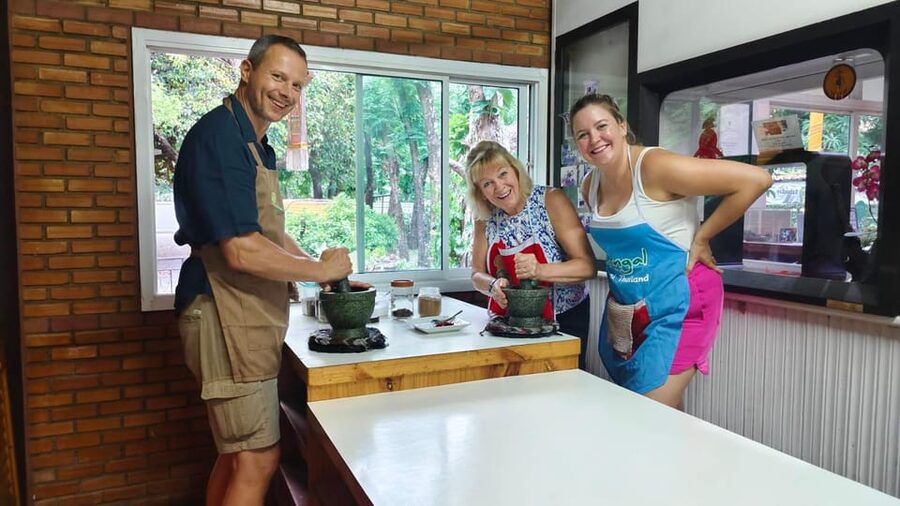
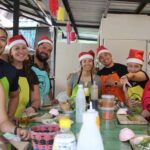
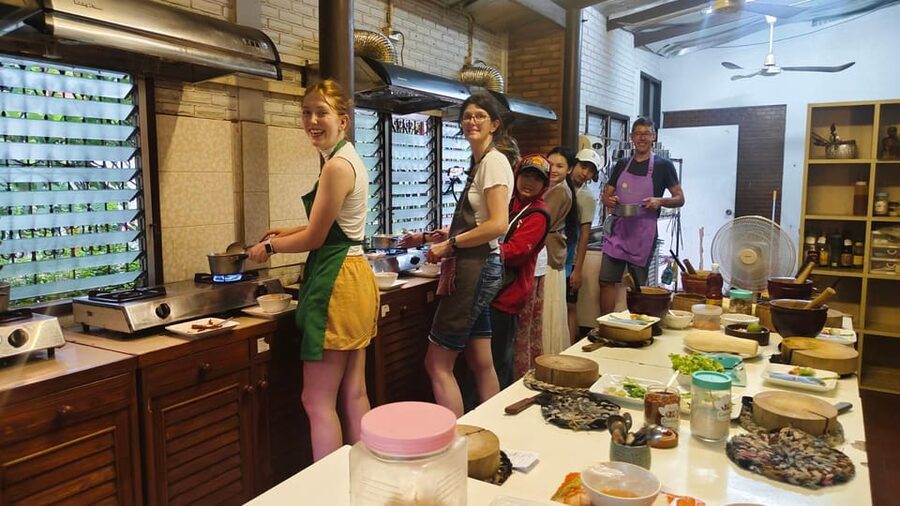
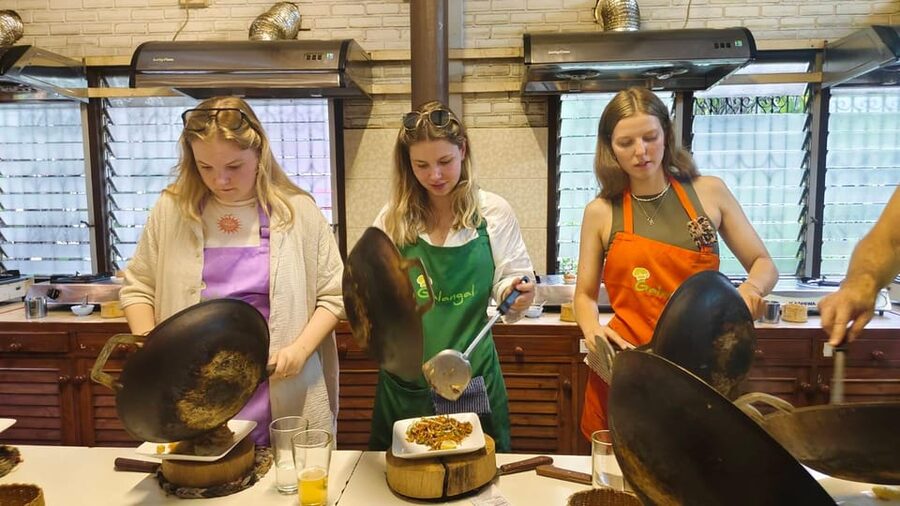
Once you reach the cooking studio, the day shifts from shopping to technique. The studio has an indoor kitchen and an air-conditioned dining room, which is a relief if you’re visiting during hotter parts of the year.
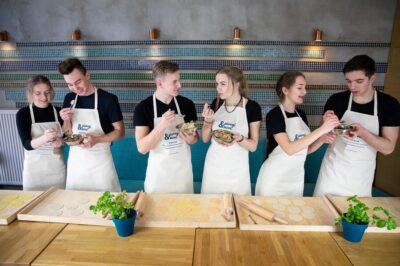
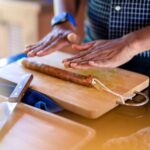
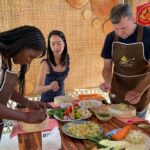
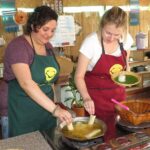
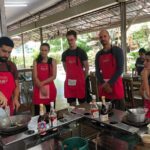
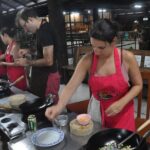
The class is led in English, and you’ll be taught the cooking skills used in Thai cuisine. The structure is hands-on: you choose what you want to make, then you follow the chef’s instructions through the steps.
You’ll cook a total of 6 dishes. The way it’s organized is smart: you do components that cover the key Thai flavor categories—starter, soup, stir-fried dish, and curry paste/curry—then you finish with dessert.
A detail that makes the cooking feel less stressful: the equipment and ingredients are provided, so you’re not trying to translate a recipe while holding a strange ingredient you’ve never seen. And because everything is set up for the class, you can focus on learning technique rather than logistics.
Choosing your Thai menu: from Som Tam to curry
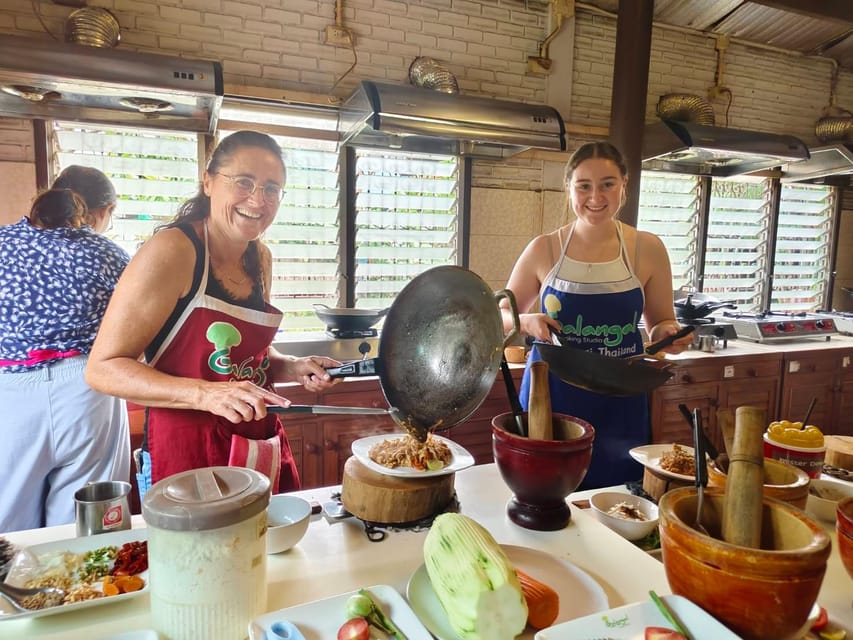
Here’s where you get control of the day. Your menu choices are built around core Thai dishes, so you can pick what sounds most delicious to you—or what you actually want to replicate at home later.

Starter options (choose one)
You can pick one starter from:
- Som Tam (papaya salad)
- Por Pia Thod (spring rolls)
- Larb Kai (chicken salad)
- Yam Woon Sen (glass noodle salad)
I like that these starters cover different flavor styles. Som Tam is about sour and fresh crunch. Larb leans herby and punchy. Glass noodle salad plays with chew and seasoning balance. Spring rolls give you a different kind of hands-on joy.
Main course options (choose one)
For your main, you can choose:
- Pad Thai (Thai fried noodles)
- Pad See Ew (stir-fried chicken with fresh noodles)
- Kai Pad Med Mamuang Him Ma Pan (chicken with cashew nuts)
- Pad Kaphao Kai (minced chicken with holy basil)
If you want the most classic Thai comfort plate, Pad Thai is a safe bet. If you like aromatic heat, pad kaphao tends to deliver. Cashew chicken is a good choice when you want something nutty and savory without being overly sour.
Soup options (choose one)
For soup, you choose one from:
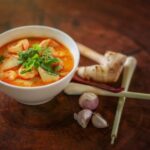
- Tom Yum Kung (hot and sour prawn soup)
- Tom Kha Kai (chicken soup with coconut milk)
- Tom Kha Je (vegan soup with coconut milk)
- Tom Zap Kai (hot and sour with chicken)
One nice thing here is variety. Tom Yum Kung is bold and sharp. Tom Kha brings coconut richness. Tom Kha Je is a helpful option if you’re vegan. So even if you’re not making the exact dish you expected, you can still get the hot-and-sour or creamy coconut vibe.
Curry options (choose one)
You also choose a curry style:
- green, red, yellow, massaman, or Panang curry
The class specifically mentions cooking curry paste as part of the dishes, so you’re not just pouring sauce. You’re learning how Thai curry flavor starts before it hits the pot. That makes the dish easier to reproduce later, because you’ll remember what the paste is supposed to taste like.
Dessert and the take-home PDF recipe book
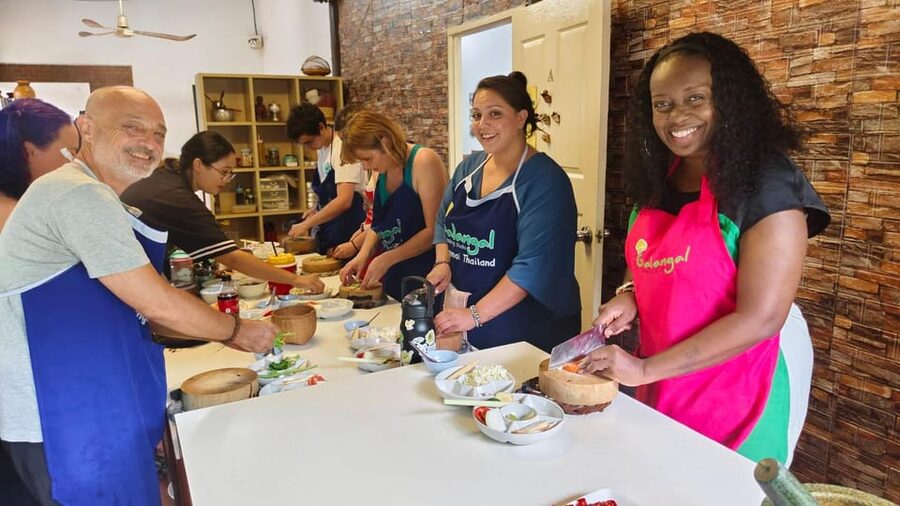
After the savory dishes, you’ll make a sweet dessert. Your dessert options include:
- mango sticky rice with ice cream
- Kuay Tod (fried banana)
This is a good finish because it gives you the contrast that Thai meals often aim for—salty, sour, spicy on one side, then sweet and comforting on the other.
Then comes the part that makes the class feel like more than a one-day meal: you receive a PDF versions of the recipe book. This is what you’ll use to cook at home later without guessing. Since you pick from multiple dish options during the class, the PDF support is especially valuable because it helps you remember exactly what you made.
Price and value: what $41 really covers (and what doesn’t)
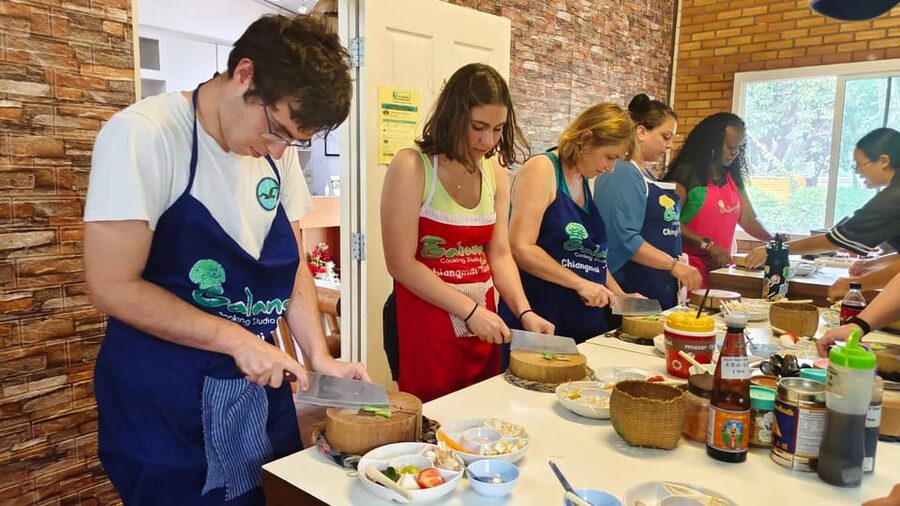
The listed price is $41 per person for a 5-hour class, and it includes a lot of what matters:
- hotel pickup and drop-off (within the defined pickup zone)
- market visit and organic garden/farm time (market tour timing can vary based on interest)
- instructions from English-speaking staff
- water, tea, coffee
- all ingredients and cooking equipment
- PDF recipe book
That’s strong value because the major costs are handled for you. You don’t need to source ingredients, guess equipment, or pay extra for the basic teaching.
One extra item to plan for: there’s a separate visitor fee. Adults pay 500 baht per person, and children ages 6–12 pay 350 baht per person. The experience also notes skip the ticket line, which is helpful at the paid access point.
So my honest take on value: the $41 price feels reasonable because so much is included, but you’ll want to budget for that separate visitor fee so you aren’t surprised at the start.
Who this fits best (and who should think twice)
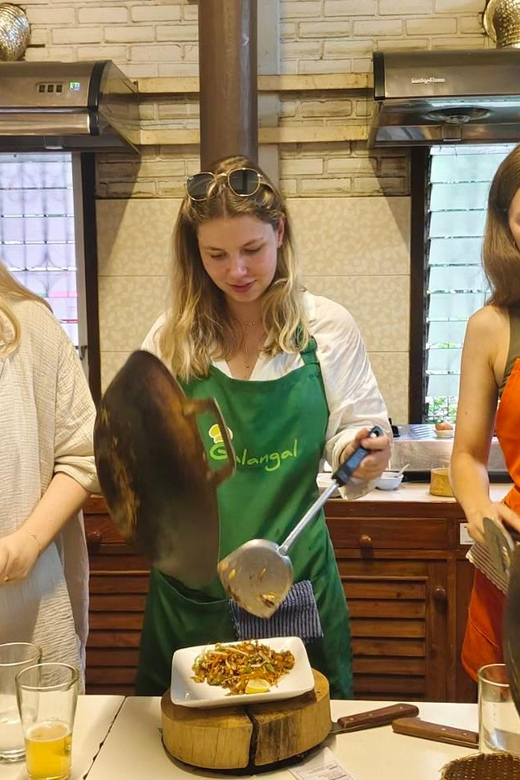
This class is a great match if you want to understand Thai food through action: shopping for ingredients, picking herbs, and cooking with guidance rather than following a video at home.
It also fits well for people with diet needs. The class states availability for vegan, vegetarian, halal, and gluten-free participants, plus people with allergies (they mention accommodating allergies). If you’re traveling with dietary constraints, this is the kind of class where you can usually make confident choices.
It can work for families too. The format is hands-on, and the experience notes that a young child joined and cooked alongside the group (with welcome and attention). If you’re bringing kids, this can be better than a purely observational tour.
The one group I’d flag: people who hate early mornings or who cannot make a pickup window. Because the pickup wait time is short, you’ll need to be organized.
Practical tips so your day goes smoothly
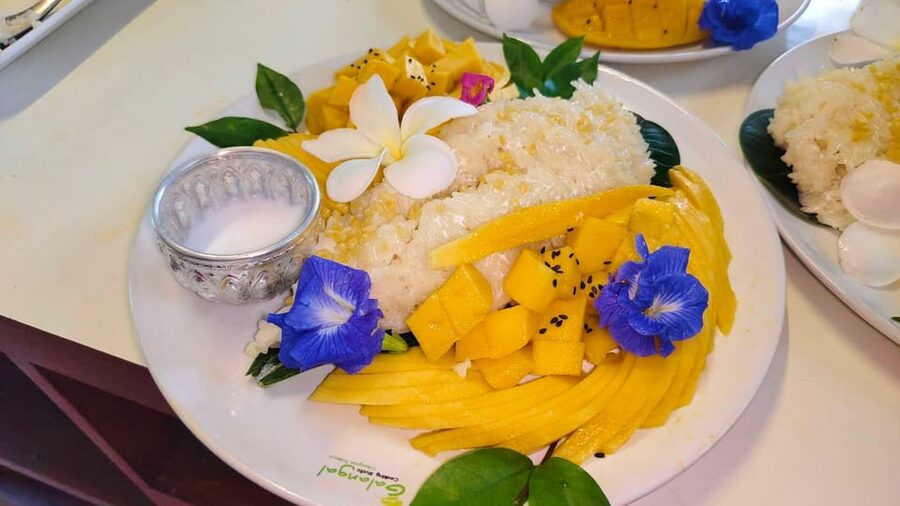
A few small things that will help you get the most from the experience:
- Come with an empty stomach. This is their instruction, and it also makes the final meal more satisfying.
- Bring personal medication. Only that is specifically listed as needed.
- Skip alcohol and drugs. The activity explicitly forbids them.
- If you don’t want hotel transfer, you can come directly to the cooking studio.
- If you’re outside the pickup area, arrange your own transport and go to the meeting market/studio as directed.
Also, keep in mind the studio is near public transportation, which gives you flexibility.
Should you book Chiang Mai: Morning Cooking Class with Market Visit?
I think you should book this class if you want a Thai cooking day that starts with ingredients and ends with a take-home recipe tool you’ll actually use. The biggest wins are the hands-on menu choices, the English instruction, and the fact that you get to cook in an organized studio setting with ingredients provided.
Skip it only if your schedule can’t handle a morning start and tight pickup timing, or if you’re looking for a pure sightseeing tour with lots of roaming. This is a cooking class first. You’ll leave with skills, not just photos—and that’s the point.
FAQ
How long is the Chiang Mai cooking class?
The experience lasts about 5 hours.
What does the price include?
It includes hotel pickup and drop-off (for eligible pickup zones), instruction by expert staff, market tour depending on interest, water/tea/coffee, all ingredients and equipment, and PDF versions of the recipe book.
Is there an extra visitor fee?
Yes. There is a visitor fee of 500 baht per adult and 350 baht per child (ages 6–12).
What dishes will I cook?
You’ll cook a total of 6 dishes, with options for a starter, a main course, a soup, curry paste/curry, and a dessert.
Can I choose what dishes to make?
Yes. You can choose from listed options for starters, mains, soups, curries, and dessert.
Are vegan, vegetarian, halal, or gluten-free options available?
Yes. The class states it’s available for vegan, vegetarian, halal, and gluten-free participants, as well as people with allergies.
Is the cooking instruction in English?
Yes. The instructor speaks English.
What should I bring?
You should bring personal medication.
What if my hotel is not in the pickup area?
If your accommodation is outside the transportation service area, you’ll be informed and you may need to get there by yourself. You can also come directly to the cooking studio.
Is the studio wheelchair accessible?
Yes. The activity is wheelchair-accessible and stroller accessible.