REVIEW · TOKYO
Japanese Home Cooking Class & Walk in Todoroki Temple Tokyo
Book on Viator →Operated by Casa de Tomokita Japanese Home Cooking Class · Bookable on Viator
Tokyo tastes better with your own hands. This small-group Japanese cooking class pairs a short walk through the Todoroki Valley area with a hands-on lesson in a real home, where you cook an appetizer, main, and dessert. You also get to pick your main in advance, which helps the host have the right ingredients ready.
I love two things most: Tomokita can customize the menu for your preferences and even dietary needs (people have done pescatarian, vegetarian, vegan, and allergy-friendly variations). I also love that you leave with clear instructions and recipes you can actually follow at home, plus guidance that explains what you’re doing and why.
One possible drawback: you should be ready to choose your main ahead of time, since that affects ingredients and what you’ll cook. Also, sessions run in a set midday window on weekdays, so you’ll want to plan your Tokyo rhythm around that.
In This Review
- Key highlights worth planning for
- Todoroki Valley to Casa de Tomokita: the 2.5-hour rhythm
- Finding Todoroki Station and meeting Tomokita
- Todoroki Fudoson and the valley views (why this part matters)
- Inside the home kitchen: hands-on, guided, and not rushed
- Choosing your main: okonomiyaki, ramen, sushi rolls, and more
- What you’ll likely cook: gyoza, ramen, tempura, and matcha desserts
- Dietary needs and allergy-friendly cooking
- The meal together: cold drinks, wine, and a real Japanese table
- What you take home: recipes, pantry staples, and confidence
- Price and what makes it feel fair at $110.99
- Who should book this cooking class in Tokyo
- Should you book Casa de Tomokita in Tokyo?
- FAQ
- What’s the duration of the Japanese home cooking class?
- How many people are in the group?
- Where does the class meet?
- What’s included in the price?
- What do I cook during the class?
- Can beginners join?
- How are the dishes chosen?
- Is the class customizable for dietary needs?
- What are the operating hours?
- Is there a cancellation refund?
Key highlights worth planning for
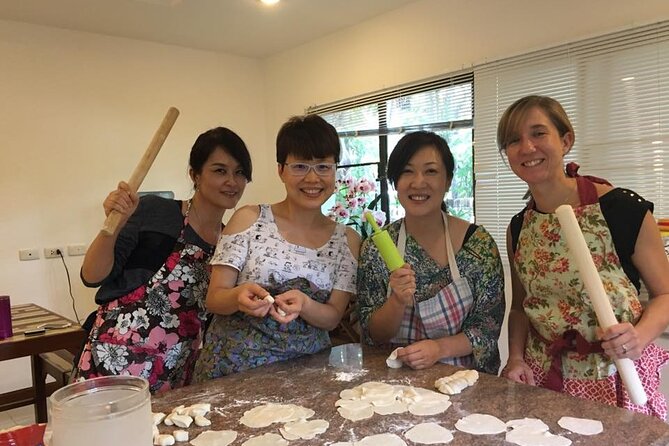
- Max 4 people in the kitchen so you get real attention, not a quick demo
- Todoroki Valley + a nearby temple stop before you cook, for a calm local start
- Pick your main in advance (okonomiyaki, ramen, sushi rolls, and other options) to match what’s available
- All food and drinks included: bottled water, hot drinks, and alcoholic beverages
- Dietary needs are handled case-by-case with adjustments to recipes
- You take more than food home: recipe sheets, and in some cases pantry help from local shopping
Todoroki Valley to Casa de Tomokita: the 2.5-hour rhythm
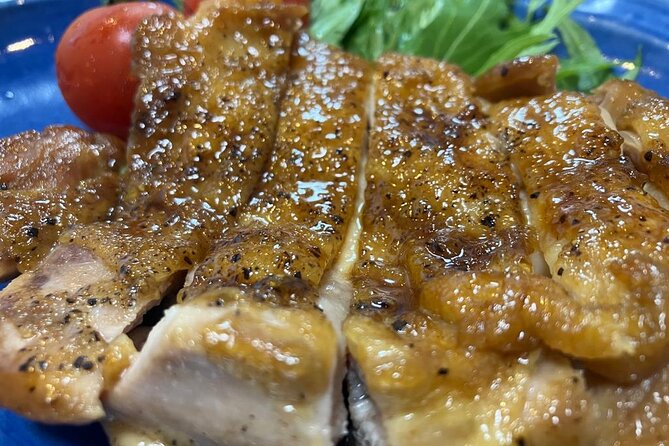
This experience is built around a simple idea: you’ll start with a short taste of local Tokyo, then switch gears to practical home cooking. The total time is about 2 hours 30 minutes, with the walk portion fairly short and the kitchen time doing most of the work.
The value here isn’t just that you get to eat Japanese dishes. You’re learning how to make them in a way that feels doable back home—measurements, techniques, and the little decisions that change flavor.
You can also read our reviews of more tours and experiences in Tokyo.
Finding Todoroki Station and meeting Tomokita
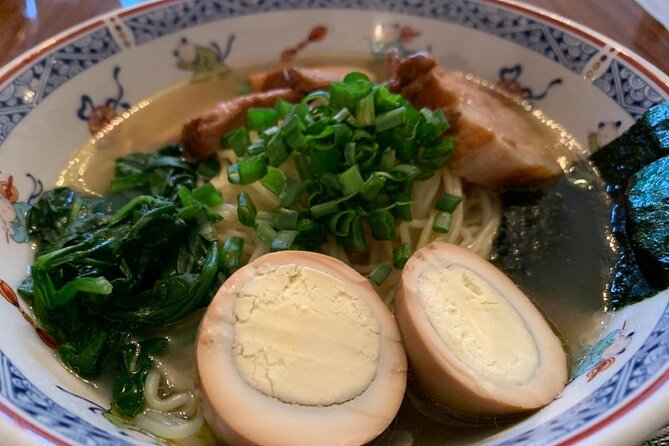
Your day starts at Todoroki Station (Todoroki, Setagaya City). You’ll meet right there and return back to the same area at the end, so you’re not left trying to navigate unfamiliar streets right after dinner.
One nice detail: because the group is capped at 4 people, the host can greet you personally and help you get oriented fast. In past sessions, Tomokita has been supported by Junko, which can make meeting-up smoother if you’re not fluent in Japanese.
Tip: wear shoes you can walk in comfortably. The Todoroki Valley part is short, but it’s still a walk, and you’ll want to feel relaxed when you step into the home.
Todoroki Fudoson and the valley views (why this part matters)
The early stops are brief, but they do something important: they slow you down before you cook. You’ll visit Todoroki Fudoson, a local temple area, then take in the view from Todoroki Valley.
Even if you’re not a “temple person,” this warm-up helps. It breaks the Tokyo rush and gives you a local setting that makes the cooking feel less like a food show and more like a day in the neighborhood.
Also, the tour includes free admission tickets for these stops, so you’re not stuck managing extra costs or paperwork on the go.
Inside the home kitchen: hands-on, guided, and not rushed
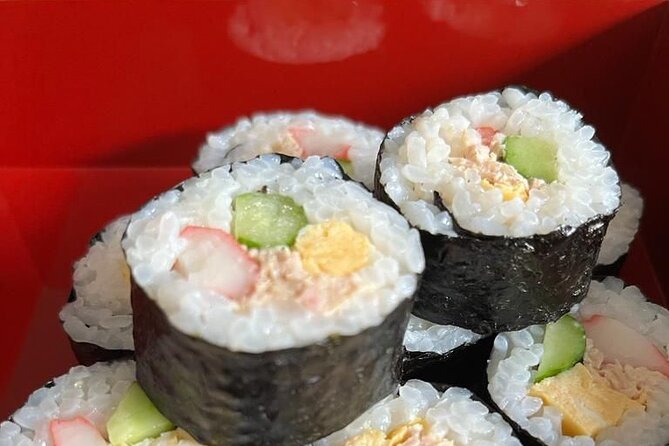
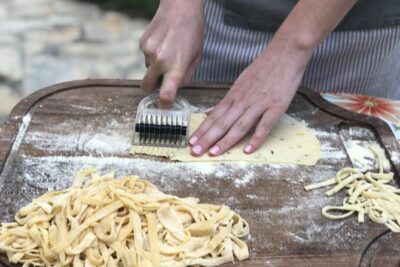
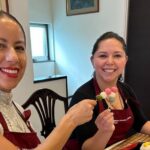
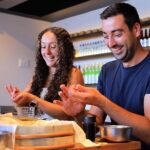
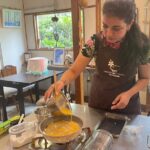
Once you head to Casa de Tomokita, the focus turns to real cooking. The lesson is hands-on, and you’ll get personalized instruction in a small group, which is a huge difference from big classes where you might only chop or plate for a few minutes.
From what I’ve learned about Tomokita’s teaching style, the goal is clarity. You don’t just get a list of steps—you get explanations that help you understand how flavors and textures work in Japanese home cooking. That makes it easier to adjust when your kitchen tools or ingredients differ from Japan.
Expect to work through:
- An appetizer
- Your chosen main
- A dessert
Plus you’ll usually get several side dishes and extras along the way, so the meal feels like a proper Japanese home lunch.
Choosing your main: okonomiyaki, ramen, sushi rolls, and more
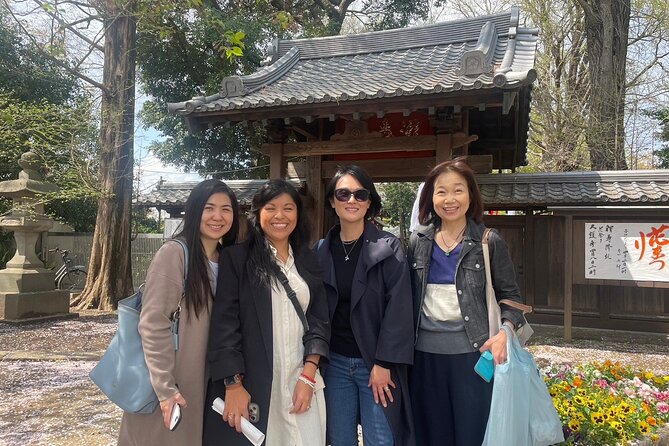
A key planning point: you choose your main in advance so the host can source the right ingredients. In practice, that means the class stays smooth—no scrambling for missing items, and no last-minute substitutions.
Your main choices can include:
- Okonomiyaki
- Ramen
- Sushi rolls
- Other Japanese dishes depending on the class setup
If you like the idea of learning one signature technique and then building a full menu around it, this structure works well. If you’re the kind of person who wants to cook only one dish for maximum depth, you’ll still come away with a lot more because side dishes and sauces are part of the lesson.
What you’ll likely cook: gyoza, ramen, tempura, and matcha desserts
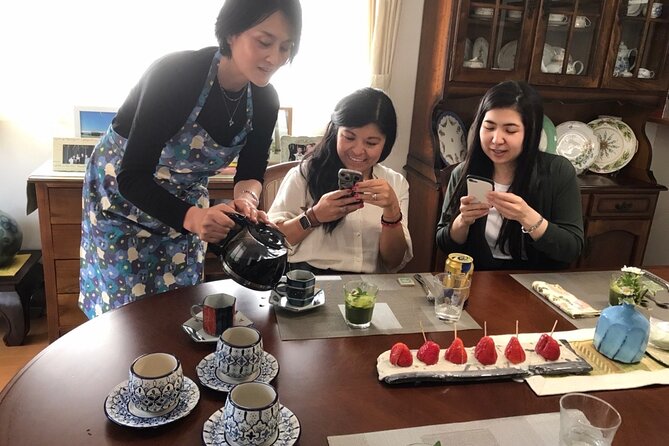
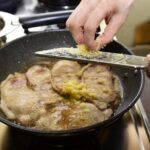
While menus can vary, the dishes that show up often in these classes include things like:
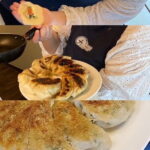
- Gyoza (dumpling technique and folding/finishing know-how)
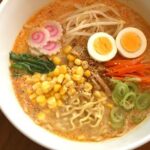
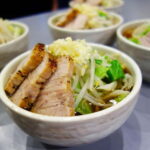
- Ramen (or ramen-related components and flavor balancing)
- Okonomiyaki (how to manage batter and heat for the right texture)
- Tempura-style dishes such as kakiage
- Curry-style rice and other lunch-friendly Japanese comfort foods
- Dessert ideas using matcha and even mochi-inspired elements
The practical takeaway for you: you’re not just tasting Japanese food. You’re learning the building blocks—dumpling wrappers, seasoning balance, savory sauces, and dessert texture.
Dietary needs and allergy-friendly cooking
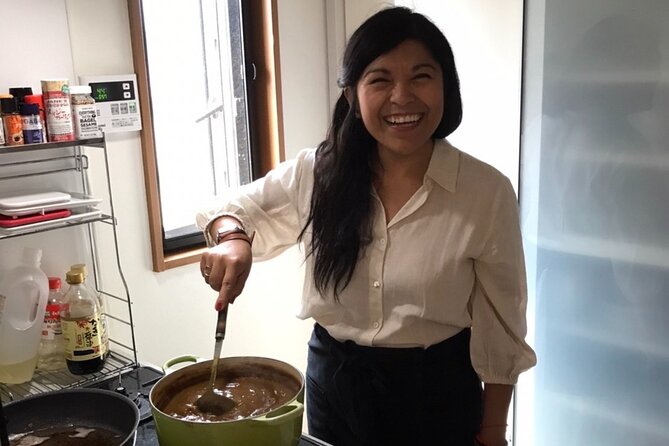
If you’ve ever worried about food restrictions on tours, this class is a reassuring option. Tomokita has handled adjustments for different diets, including pescatarian, vegetarian, vegan, and food allergies.
What I like about this setup is that it isn’t just a “no problem, good luck” approach. The class can be tailored so the meal still feels cohesive, not like you’re eating leftovers.
What to do: tell the host your needs clearly when you book, and be as specific as you can. If you want a particular main dish or dessert style, mention that too—so the menu can be built around what you actually want to learn.
The meal together: cold drinks, wine, and a real Japanese table
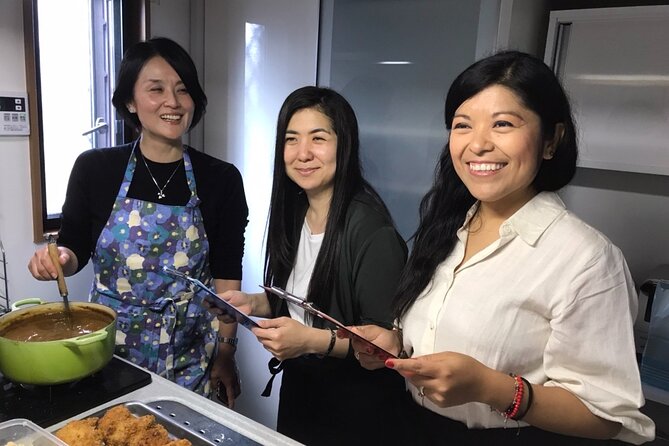
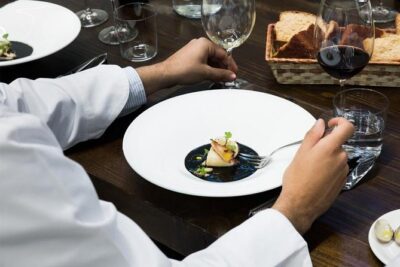
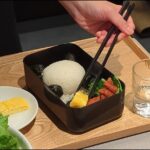
One of the biggest reasons this experience feels worth the money is how the eating part is handled. You cook, you sit down, and you eat what you made as a group.
Drinks included can include:
- Hot drinks
- Bottled water
- Alcoholic beverages
In some past sessions, people also mentioned things like homemade plum wine and cold drinks served on hotter days (mint tea and apple juice have been part of prior classes). Dessert has often leaned toward matcha (like matcha ice cream), sometimes with mochi.
Practical tip: come hungry. Even with the walking, you’ll likely eat more than a quick snack level. The side dishes add up.
What you take home: recipes, pantry staples, and confidence
The best souvenirs here aren’t plastic. It’s the ability to recreate the flavors.
You’ll receive recipes you can use later, and those written instructions make a big difference when you’re trying to remember exact seasoning amounts or how the host wanted you to handle a step.
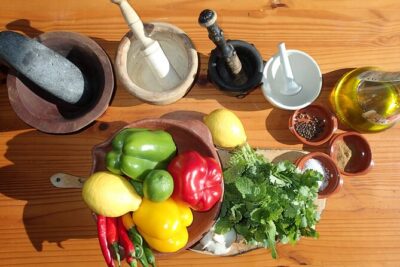
Several people have also said they left with help finding or bringing home Japanese pantry staples that can be hard to get outside Japan. That’s a smart add-on, because a recipe is only as good as the ingredients behind it.
If you’re the kind of person who likes to cook after traveling, this is one of the few Tokyo activities where you’ll keep using the skill for months.
Price and what makes it feel fair at $110.99
At $110.99 per person, this isn’t a budget activity. But the value is real once you break down what’s included:
- A small-group format (max 4), meaning more attention
- All food for the meal, plus hot drinks, bottled water, and alcohol
- A practical lesson with recipes and technique coaching
- Menu customization for dietary needs (when possible)
If you compare it to doing a tasting meal plus a separate cooking workshop, the package often makes more sense. You pay for the whole experience: the neighborhood walk, the host’s time, and the food. And because you’re eating what you cook, it feels like you’re buying a skill plus lunch, not just a ticket.
Who should book this cooking class in Tokyo
This experience is a strong fit if:
- You want a hands-on cooking lesson instead of watching from the sidelines
- You like small groups and personal guidance
- You’re curious about everyday Japanese flavors you can actually reproduce
- You have dietary restrictions and want a tailored menu when possible
- You’ll enjoy a calm neighborhood pace between bigger Tokyo sights
It may be less ideal if you want a schedule packed with lots of different attractions, because the structure is mainly walk + home kitchen + meal.
Should you book Casa de Tomokita in Tokyo?
If your goal is to leave Japan with more than photos, I’d book this. The mix of Todoroki Valley calm and a real-home, small-group cooking lesson makes it feel personal, and the recipe-driven format means you can repeat what you learn.
Book it especially if you care about technique and ingredient choice. Choose your main thoughtfully when you sign up, tell Tomokita about dietary needs upfront, and come ready to cook and eat.
If that sounds like your kind of Tokyo day, this one is a very good use of your time.
FAQ
What’s the duration of the Japanese home cooking class?
The experience runs for approximately 2 hours 30 minutes.
How many people are in the group?
This activity has a maximum of 4 travelers, so instruction stays personal.
Where does the class meet?
You meet at Todoroki Station (3 Chome-1 Todoroki, Setagaya City, Tokyo 158-0082, Japan). It also ends back at the meeting point.
What’s included in the price?
The price includes all food, bottled water, hot drinks, and alcoholic beverages.
What do I cook during the class?
You’ll learn to make an appetizer, a main, and a dessert, and you’ll eat the meal together.
Can beginners join?
Yes. All skill levels are welcome, including beginners.
How are the dishes chosen?
You choose your main in advance so the host can ensure the right ingredients are available. Main options include dishes such as okonomiyaki, ramen, sushi rolls, and other delicacies.
Is the class customizable for dietary needs?
Based on past classes, Tomokita can tailor the menu for different diets and needs, including pescatarian, vegetarian, vegan options, and dietary restrictions.
What are the operating hours?
The listed opening hours are Monday–Friday, 11:00 AM to 2:00 PM.
Is there a cancellation refund?
Yes. You can cancel up to 24 hours in advance for a full refund. Cancellations made less than 24 hours before start time aren’t refunded.