REVIEW · TOKYO
Ramen Making from Scratch +Akihabara Tour –Tokyo Cooking Class
Book on Viator →Operated by Patia's Japanese Cooking Class · Bookable on Viator
Ramen starts with a walk through Akihabara. What makes this class worth your time is the combo of Akihabara grocery orientation and a true hands-on ramen-from-scratch cooking session in a central studio. You’ll also get later-downloadable digital photos, so the day doesn’t end when you leave the kitchen. One drawback to note: there are no vegan or vegetarian options.
In my book, a great Tokyo food experience teaches you how to shop and cook—not just what to eat. Here you learn how to navigate a Japanese supermarket, pick ingredients like a local, then bring everything together with an English-speaking instructor. Groups are kept small (max 12), which makes it easier to ask questions and actually move your hands instead of just watching.
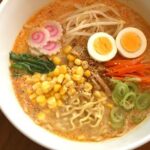
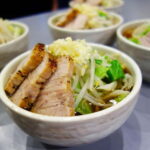
You’ll finish with a bowl of Jiro-style ramen you made yourself, plus lunch included. It’s a compact program (about 3.5 hours) that works well if you want something more personal than a typical restaurant meal, and you’d like a souvenir you can revisit later.
In This Review
- Key highlights worth planning around
- Why Akihabara first: you’ll learn the shopping skill, not just ramen
- The supermarket stop: how to read Japanese ingredient choices
- The short train ride to the kitchen studio
- In the kitchen: making fresh noodles, building broth, and cooking chashu
- Jiro-style ramen and chashu: what you’re really learning
- Lunch, digital photos, and the souvenir you’ll actually keep
- Price and value: what $123.55 includes (and what it doesn’t)
- Timing and flow: fitting 3 hours 30 minutes into a Tokyo day
- Who should book this ramen making class in Tokyo
- Should you book this tour or skip it?
- FAQ
- How long is the ramen making experience?
- Where do you meet, and is hotel pickup included?
- Does the activity end at the same place it starts?
- What’s included in the price?
- Are vegan or vegetarian options available?
- What group size should I expect?
- Do you get photos from the class?
- What’s the cancellation policy?
Key highlights worth planning around
- Akihabara street-to-stores setup: a short walk that helps you orient yourself before the supermarket stop
- Japanese grocery-store know-how: learn how ingredients are used and what to look for
- Real ramen practice: fresh noodles, rich broth, and cooking chashu pork for Jiro-style ramen
- Small-group attention: max 12 people means better pacing and more time with the instructor
- Digital photo souvenir: later-downloadable photos from the experience
- Central studio logistics: a modern kitchen studio plus a short train ride from Akihabara
Why Akihabara first: you’ll learn the shopping skill, not just ramen

Tokyo can be a lot. Even seasoned visitors sometimes feel lost in a grocery store where labels, packaging, and ingredient names are unfamiliar. This experience fixes that by starting in Akihabara and easing you into the food context before the cooking begins.
The Akihabara walk is short—about 20 minutes—but it matters. You get a guided route through the colorful electric-town streets so you’re not wandering around guessing how things are laid out. It’s also a useful mental warm-up: you’re already in an area known for pop culture and gadgets, so the shift from that energy to practical cooking ingredients feels like a fun contrast instead of whiplash.
Then comes the supermarket stop, and this is where the value really clicks. You’re not just buying random items. You’re learning how to choose ingredients that match the ramen you’ll actually cook later. That turns the class from a one-day meal into a skill you can reuse if you cook at home.
If you’re planning a trip where food is a main theme, this order makes sense: shop with guidance, cook with confidence.
You can also read our reviews of more tours and experiences in Tokyo.

The supermarket stop: how to read Japanese ingredient choices
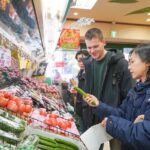
The supermarket portion lasts about 20 minutes, and it’s designed for learning, not shopping for sport. You’ll pick up the ingredients you need for the ramen class, while your guide explains what they are and how they’re used.
This is the part I wish more food tours understood. Tokyo supermarkets aren’t just places to buy food—they’re places to understand how the culture thinks about flavors. When someone points out which ingredients matter for ramen broth and which ones affect texture or topping behavior, you start to see patterns you can use later.
A helpful detail from past participants: guides like Saori and Bunga have been mentioned for making Akihabara feel less overwhelming. That’s important. If you show up to a grocery store without context, you can easily waste time comparing brands that don’t matter for your dish. Here, the guidance aims to keep you focused on what actually moves the final bowl.
One more practical note: because vegan and vegetarian options aren’t available, your ingredient choices will follow the class’s ramen direction. If you eat meat or are flexible, you’ll have an easier time staying with the plan.
The short train ride to the kitchen studio
After the supermarket, you’ll take a train to the modern kitchen studio. The ride is usually about 15 to 30 minutes. It’s long enough to feel like you’re changing neighborhoods, but short enough that you don’t lose the rhythm of the day.
This matters because cooking classes work best when everyone arrives not-too-tired and ready. Tokyo trains also keep the day efficient. You’re not paying for private transfers, and you’re staying near public transportation the whole time.
One small consideration: the meeting point is at Akihabara Station, and the activity ends in a different location. You won’t have hotel pickup or drop-off, so plan to manage your own way to and from the starting area, and then figure out onward transport after the class ends.
In the kitchen: making fresh noodles, building broth, and cooking chashu
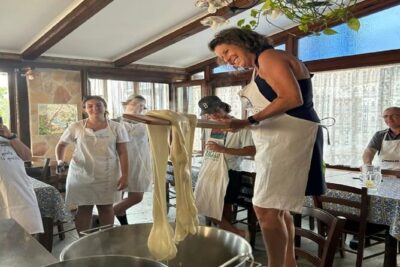
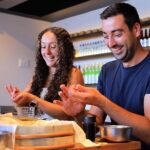
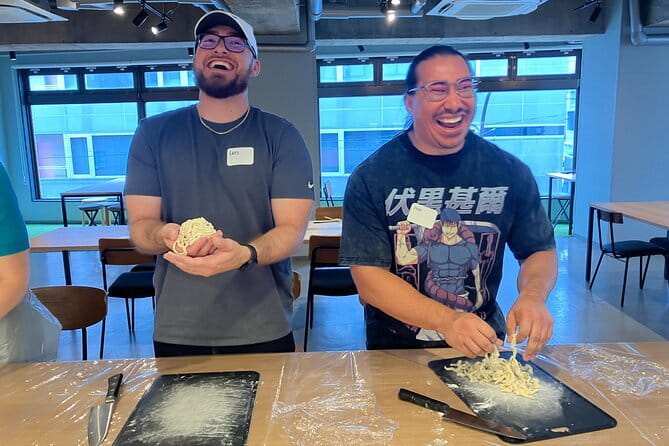
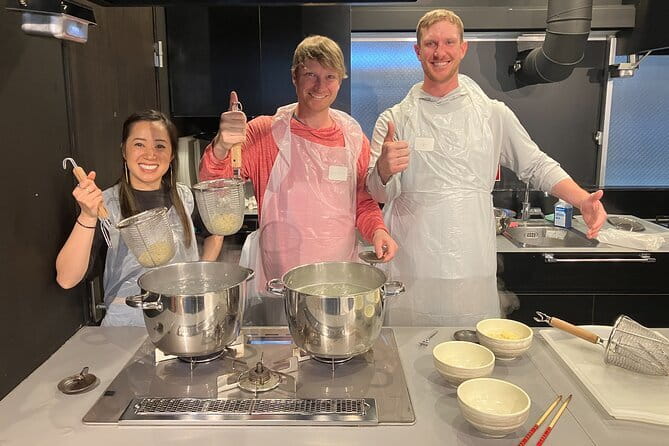
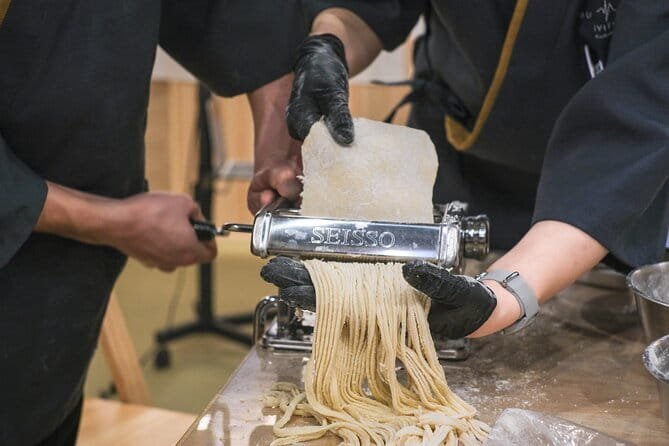
Now for the core experience: about 90 minutes of ramen-making in the studio. This is not a passive tasting. You’ll be involved in the main steps—fresh noodles, broth, and toppings with chashu pork for Jiro-style ramen.
What I like about this setup is that it teaches the backbone of ramen:
- Noodles are all about handling and timing.
- Broth is where depth comes from, and the lesson is about technique and balance rather than just following steps.
- Chashu adds the meaty, savory topping component that makes ramen feel complete.
You’ll have guidance from an English-speaking instructor. In the classes that have been described by past participants, instruction has been praised for clear communication and good English, which helps if you’re not comfortable reading Japanese kitchen terms.
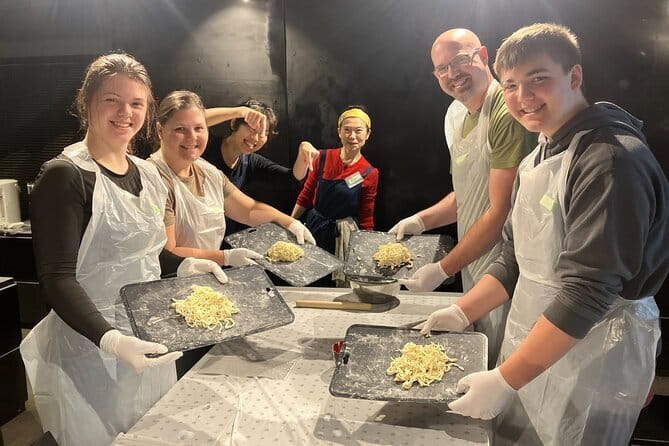
Also, because the group is limited to a maximum of 12, the pace is more human. It’s easier to ask, get feedback, and adjust as you cook. One recurring theme from reviews is that the day doesn’t feel like you’re stuck watching someone else work. People report plenty of interaction and a lively, practical flow—exactly what you want in a hands-on cooking class.
By the end, you eat the bowl you made. That’s a big deal for motivation: you can connect what you did at each step to the taste you’re enjoying right then.
Jiro-style ramen and chashu: what you’re really learning
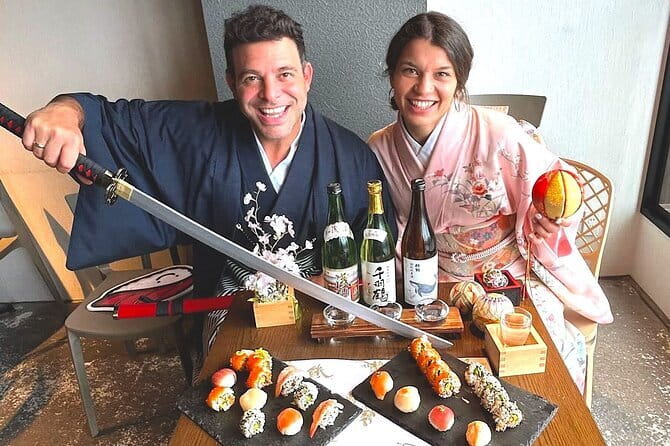
The class specifically mentions Jiro-style ramen and chashu pork. Even if you’ve had ramen before, Jiro-style has a reputation for a hearty, topping-forward bowl. In this setting, the useful takeaway is less about memorizing a style label and more about learning how to make the elements that create that kind of ramen structure.
Chashu is the topping that can make or break the experience. If it’s done well, it adds tenderness and savory richness; if it’s rushed, it can feel flat. Your class includes chashu pork prep, so you aren’t just adding something pre-made and calling it ramen mastery.
This is also why the “from scratch” language matters. You’re not only assembling a bowl—you’re practicing the foundation steps that control texture and flavor. And that’s what helps if you want to repeat the recipe at home later.
If you’re the type who likes having a go-to dish after the trip, this is the kind of skill that sticks. You’ll return with a method, not just a memory.



Lunch, digital photos, and the souvenir you’ll actually keep
Lunch is included. So you’re not doing that annoying thing where you spend the morning learning and the afternoon trying to find food on your own while you’re hungry and tired.
And then there’s the photo souvenir. You receive later-downloadable photographs from the class experience. That’s a small thing that many people appreciate more than they expect. It gives you a visual record of the day, and it’s handy for remembering specific steps, tools, or presentation details that you might forget once the excitement fades.
If you’re cooking-minded, this is also an indirect learning tool. When you’re looking at photos later, you can connect the finished bowl back to the earlier work, which helps reinforce what you did right.
Price and value: what $123.55 includes (and what it doesn’t)

At $123.55 per person, you’re paying for more than a meal. Based on what’s included, you’re getting:
- the groceries store tour portion
- the cooking experience (including making noodles, broth, and chashu)
- lunch
- later-downloadable digital photos
What’s not included is hotel pickup and drop-off. That means the base price is mostly focused on instruction and the food day itself, rather than transport. Since the meeting point is at Akihabara Station and the location is near public transportation, you can keep costs under control if you’re already using trains.
Also, this seems like a popular class. The booking pattern averages around 52 days in advance. That’s not a guarantee of availability, but it’s a hint that dates fill up.
The value question comes down to your goals:
- If you want a guided food day with shopping guidance and real cooking practice, the price starts to feel very reasonable.
- If you only want a quick ramen meal, you can likely find cheaper options in Tokyo. But you won’t learn how to shop or make the bowl yourself.
In short, you’re paying for a skill-based experience with structure and small-group attention.
Timing and flow: fitting 3 hours 30 minutes into a Tokyo day
The total time is about 3 hours 30 minutes. Start time is 11:00 am, and you meet at Akihabara Station (1 Chome Sotokanda, Chiyoda City, Tokyo 101-0028). The class ends in a different location, so keep that in mind for your afternoon plans.
The schedule is built to reduce dead time:
- a short walk
- a focused supermarket stop
- a train ride
- a cooking session that culminates in eating
Because it’s all concentrated, you don’t end up with a “half-day that turns into a full-day.” Still, because it ends elsewhere, you’ll want a little buffer before committing to something fixed right afterward.
Also, note the weather sensitivity mentioned in the rules. If conditions are poor, the experience may be canceled and you’ll be offered a different date or a refund. So it’s smart to avoid scheduling this only on your one rain-or-shine day with no flexibility.
Who should book this ramen making class in Tokyo
This experience fits best if:
- you want a hands-on Tokyo food activity
- you like learning how to shop for ingredients, not just eating at restaurants
- you’d rather be in a small group (max 12) where you can ask questions
- you eat meat (since vegan and vegetarian options aren’t available)
It’s also a good pick if you’re traveling with teens or children who can handle a cooking day. One of the class descriptions praised how a family and kids enjoyed the full process, and another highlighted a daughter and parent having a fun, learning-focused time together. That’s exactly what this kind of format is good at: it feels active and gives people something to do.
If you have very limited time in Tokyo and just want a quick, no-effort meal, you might be better off eating ramen in the neighborhood. But if you’re choosing one memorable food workshop, this one is built for that.
Should you book this tour or skip it?
Book it if your goal is to come home with a usable ramen-making skill. The mix of Akihabara orientation, a guided Japanese grocery store run, and a real cooking session (noodles, broth, and chashu) is a strong combo for the price. The small group size and English-speaking instruction also make it more comfortable if you don’t know the language.
Skip it if you need vegan or vegetarian options, because the class rules say they aren’t available. Also, if you dislike independent logistics (no hotel pickup, end point differs), make sure you’re comfortable using trains and navigating from Akihabara Station.
If you want one Tokyo experience that goes beyond restaurant dining and gives you something you can repeat, this ramen class is a solid choice.
FAQ
How long is the ramen making experience?
It runs for about 3 hours 30 minutes.
Where do you meet, and is hotel pickup included?
You meet at Akihabara Station (1 Chome Sotokanda, Chiyoda City). Hotel pickup and drop-off are not included.
Does the activity end at the same place it starts?
No. It ends in a different location, so you’ll need to plan your next step from there.
What’s included in the price?
You get a groceries store tour, the cooking experience, lunch, and later-downloadable photographs.
Are vegan or vegetarian options available?
No. Vegan and vegetarian options are not available.
What group size should I expect?
The class has a maximum of 12 travelers.
Do you get photos from the class?
Yes. You’ll receive later-downloadable photographs from the experience.
What’s the cancellation policy?
You can cancel for a full refund up to 24 hours in advance. If you cancel less than 24 hours before the start time, the amount paid is not refunded.