REVIEW · UBUD
Ubud : Regular or Vegetarian cooking class with market visit
Book on GetYourGuide →Operated by Group Wonderful Activities · Bookable on GetYourGuide
This is a practical Bali food day with a purpose. You start with a local market visit and rice-paddy explanation, then cook 8 vegetarian/vegan Balinese dishes by hand with Balinese chefs before eating a lunch or dinner buffet; the trade-off is the market stop can feel uncomfortable for some people.
I like that the format is hands-on (not watch-and-copy), and that the guides keep the vibe friendly and organized, with English instruction. If you’re doing the morning version, also note it’s 07:30 pickup and the ride is strictly for the Ubud center area.
In This Review
- 6 key reasons this Ubud cooking class gets strong ratings
- A hands-on Ubud cooking class built around real ingredients
- Morning market and rice paddies: why the first hour changes everything
- The local market stop (about 25–30 minutes)
- Rice paddies and how rice actually grows
- Kitchen setup and the teaching style that keeps you on track
- Cooking “by hand” is more than a slogan
- What you actually make: 8 Balinese dishes (vegetarian or vegan)
- Lunch or dinner buffet: eat what you built
- Afternoon class: skip the market, add canang (Hindu offerings)
- Price and value: why $23 can still feel like a full day
- Pickup, meeting point, and timing you should plan around
- Meeting point
- Pickup area limits
- Market timing (morning option)
- What to bring (and what to avoid)
- Comfort, heat, and logistics: small realities to know
- Who this tour suits best (and who should choose something else)
- Final call: should you book the Ubud vegetarian/vegan cooking class?
- FAQ
- What type of cooking class is this in Ubud?
- How many dishes will I cook?
- Does the class include a market visit?
- Do you visit rice paddies?
- What does the afternoon class include instead of the market?
- Where does pickup start and where do you return?
- What’s included in the price?
- What do I need to bring?
- Is alcohol included?
- Is the activity wheelchair accessible?
6 key reasons this Ubud cooking class gets strong ratings
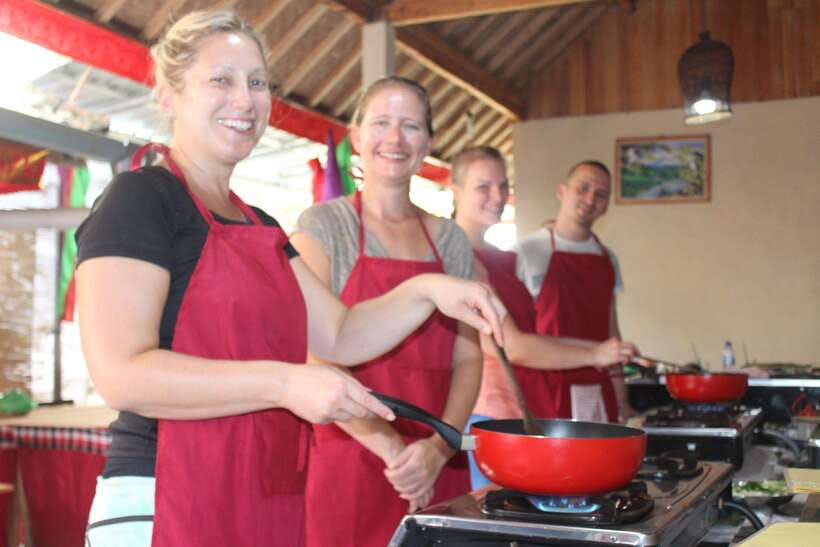
Market + rice-paddies give context before you cook (morning option only, with a short market window and a rice-field explanation).
You make the dishes by hand and then taste as you go, not just at the end.
Vegan and vegetarian needs are handled in the group so mixed diets don’t stall the class.
Clean, well-organized kitchen setups help you succeed even if you’ve never cooked Balinese food.
Guides bring the culture and the laughs (names like Yogi, Tata, Harry, and Komah come up often).
Afternoon option adds canang (Hindu offering) making if you skip the market.
A hands-on Ubud cooking class built around real ingredients
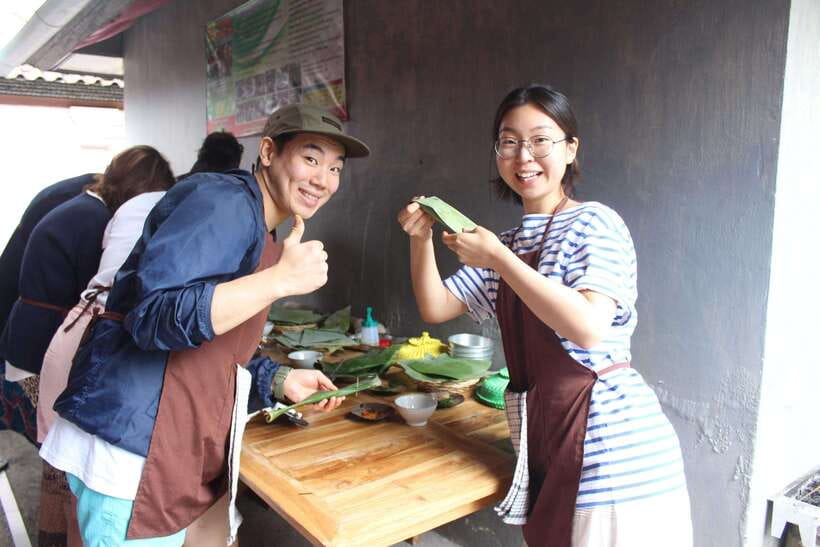
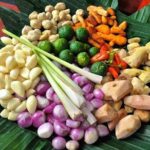
Ubud is full of cooking classes, but this one is designed like a full Balinese food loop: ingredients first, then technique, then you eating what you make. The big idea is simple. You don’t just learn recipes. You learn the food system behind them: what people buy, what grows locally, and how Balinese flavors come together.
The program is vegetarian or vegan, and you’ll make 8 dishes yourself. After cooking, you sit down for a lunch or dinner buffet and do tasting throughout. That combination matters because it turns cooking into something you can repeat later, not just a one-time demo.
One practical thing to understand up front: there are two ways to experience it. A morning class pairs cooking with a market visit and a rice-paddy stop. An afternoon class keeps the cooking focus and adds Hindu offering canang making instead of the market and rice paddies.
You can also read our reviews of more tours and experiences in Ubud.
Morning market and rice paddies: why the first hour changes everything
If you choose the morning option, you’ll be picked up at 07:30am from the front of Ubud Palace (for Ubud center guests). Then you go out with a local guide to see the food world that feeds Balinese kitchens.
The local market stop (about 25–30 minutes)
You get a quick but useful introduction to how local buying and selling works. You’ll learn how ingredients are presented and sold, and you’ll see what shoppers prioritize for everyday cooking. It’s not a long shopping spree. It’s a guided look meant to give you “why this ingredient, why this form, why this timing.”
A heads-up for your comfort: the market visit may not feel easy for everyone, especially if you’re sensitive to animal welfare concerns. If that might be an issue for you, the safer choice is the afternoon class, which skips the market entirely.
Rice paddies and how rice actually grows
Next comes the local rice field visit (part of the morning option). The guide explains how rice grows and points out how many kinds of rice are in Bali, plus the harvest timing. Even if you can’t picture the exact steps in your head, this stop gives you a grounded sense of what Balinese cooks are working with.
Why this matters: rice is the base for so many meals in the region. When you connect the food to the growing cycle, the cooking class feels more real and less like a generic recipe workshop.
Kitchen setup and the teaching style that keeps you on track
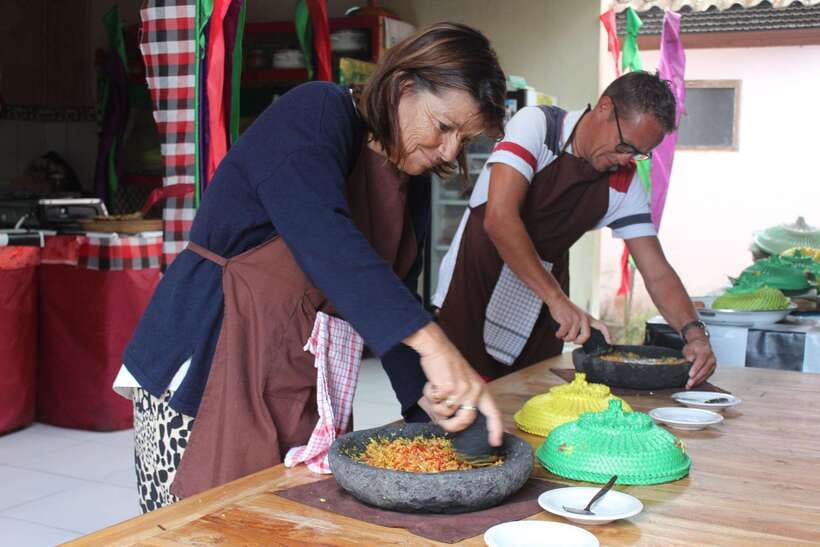
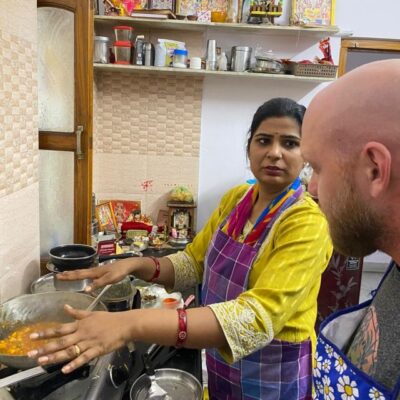
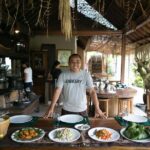
Once you arrive at the cooking space, the focus shifts to execution. This is where the class earns its high marks. The kitchen setup is described as very clean and well organized, and the materials are ready so you’re not waiting around for missing tools.
You’ll get step-by-step guidance from a Balinese chef, with instruction delivered in English. In some groups, you may also see laminated photo guides for the dishes. That sounds small, but it helps your brain stay oriented while you’re chopping, mixing, and assembling.
Cooking “by hand” is more than a slogan
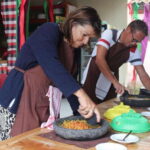
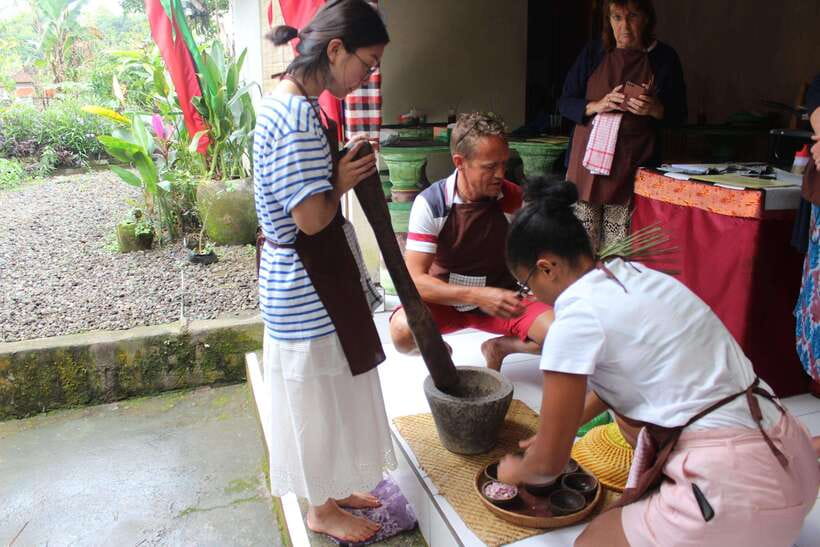
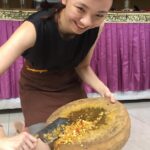
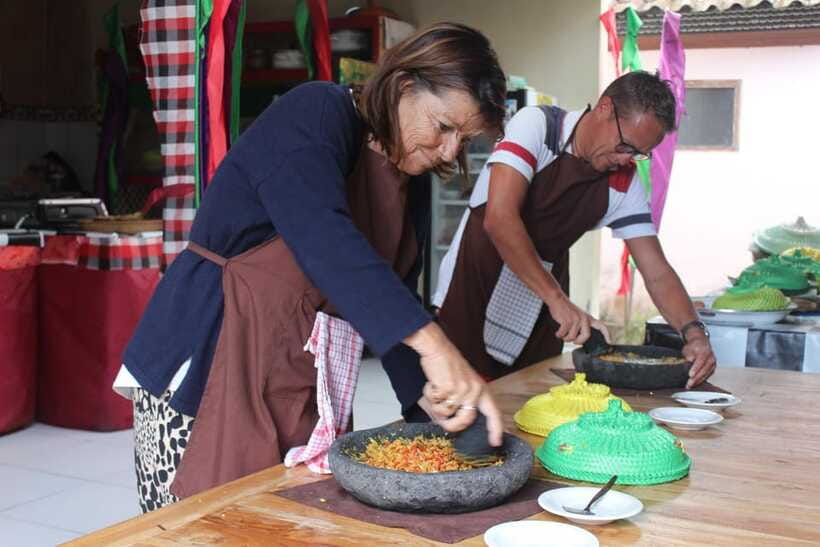
The class emphasizes that you make the food yourself using your hands. In practice, this means the learning is physical. You’ll form mixtures, handle ingredients, and work through the dishes as active participants.
If you’re the type who learns best when your hands are busy, you’ll like this structure. If you prefer a low-effort meal where someone else does the hard work, you might find it more work than you expected. The upside is that you’re also more likely to remember what you did and replicate it later.
What you actually make: 8 Balinese dishes (vegetarian or vegan)
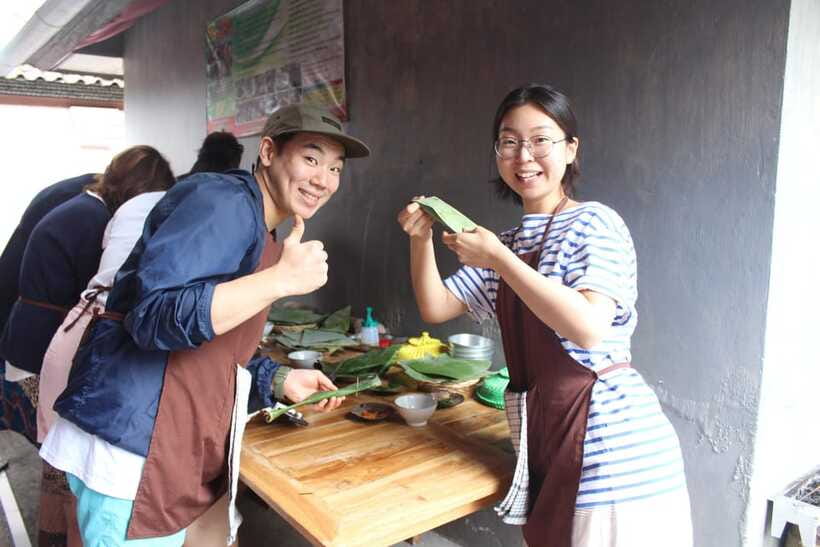
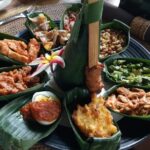
The menu is centered on Balinese flavors while keeping the class vegetarian/vegan. The program says you’ll cook at least 8 recipes, and you’ll have tasting built into the experience.
Because the exact dishes aren’t listed in the details you provided, you should expect a set of Balinese staples prepared in vegan or vegetarian form. Either way, the point isn’t to collect “random recipes.” The point is to learn the flow: how Balinese seasonings work together and how dishes are assembled.
If you’re cooking vegan while others in your group eat vegetarian or meatless dishes, the class is built to handle that without derailing. Guides in multiple groups are described as friendly and flexible with dietary needs, and the format lets you cook your own meals as part of the class.
Lunch or dinner buffet: eat what you built
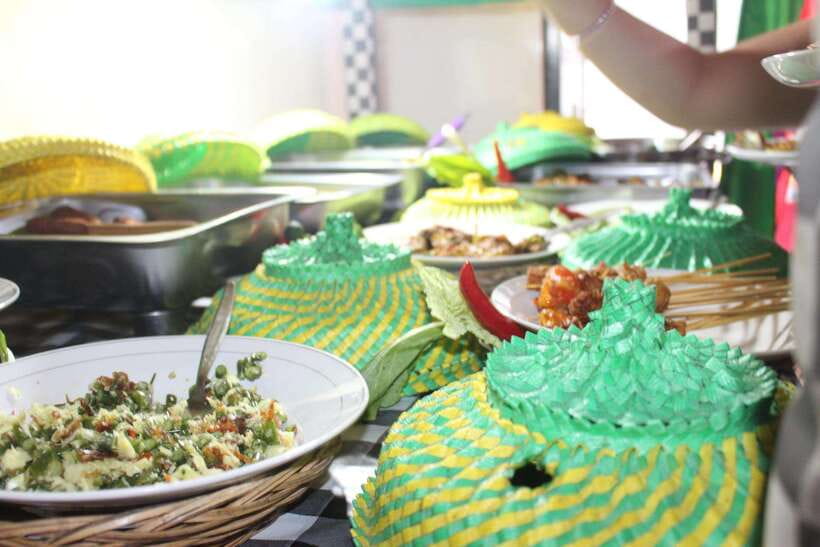
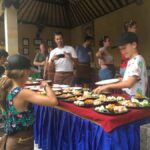
After cooking, you’ll enjoy the meal together as a buffet (lunch for morning class, dinner for afternoon class). You’ll also do food tasting during the cooking stages, so the end meal feels like a continuation, not the first time you taste anything.
This part is valuable for two reasons:
- You can judge balance and flavor right away, while the techniques are still fresh.
- You get a relaxed social moment, especially if you’re traveling solo or want an easy way to talk with other people at the table.
Afternoon class: skip the market, add canang (Hindu offerings)
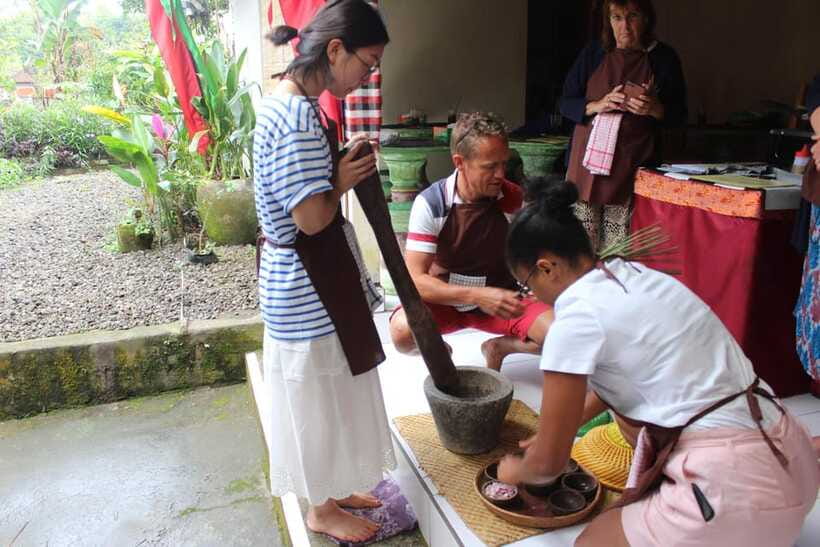
The afternoon version removes the market and rice-paddy stops. Instead, you’ll spend that time on cooking plus making Hindu offering canang.
This is a nice option if you want the cultural layer without the morning market. It’s also a good fit if you prefer sleeping in and avoiding the tighter morning schedule.
The canang-making element matters even if you don’t plan to practice it at home. It gives you insight into Balinese everyday spirituality and the role offerings play in daily life—context you won’t get from cooking lessons that only focus on taste.
Price and value: why $23 can still feel like a full day
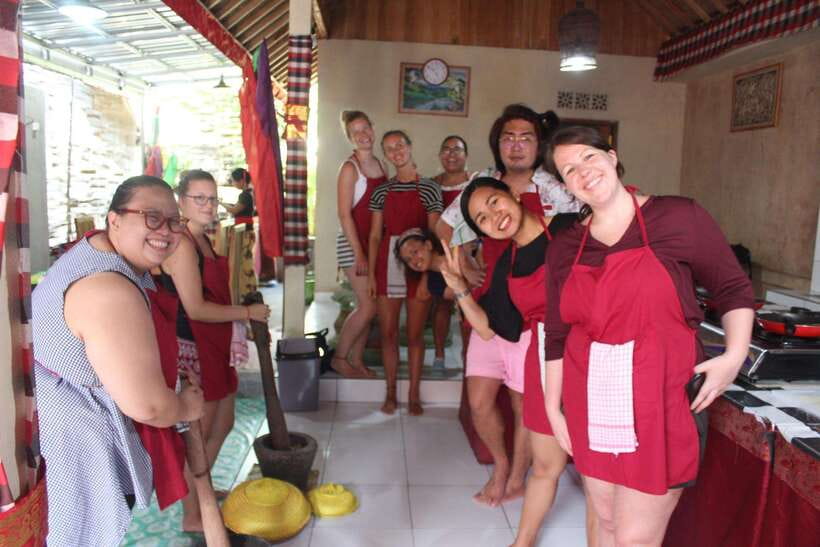
At $23 per person, this is positioned as a value-packed experience: pickup and drop-off in the Ubud center area, ingredient-guided market context (morning), rice-field explanation (morning), cooking time, food tasting, and an included meal.
The value is strongest if you treat it like a “whole food day,” not just a cooking class:
- The market and rice stops help you understand ingredients.
- The hands-on cooking helps you learn technique.
- The shared meal helps you lock in flavor and confidence.
The included services also reduce decision fatigue. You don’t have to figure out transport, ingredient prep, or where to eat afterward. For many visitors, that’s the hidden cost savings.
Only keep your expectations realistic. There’s no mention of a premium restaurant-style setting. This is about learning and eating well, in a practical setup.
Pickup, meeting point, and timing you should plan around
Meeting point
You’ll start at the front of Ubud Palace, where the guide waits. The activity returns you to the same meeting point.
Pickup area limits
Pickup is only for the Ubud area center. If you’re staying outside that area, the details say you can meet the shuttle at the front of Ubud Palace.
Market timing (morning option)
The market visit is about 25–30 minutes. That’s short enough that you’ll feel like you’re getting the highlights, not enough time to shop thoroughly.
What to bring (and what to avoid)
Bring cash. That’s specifically called out in the practical notes. If you’re planning on buying extras or tips, having cash ready makes the day smoother.
Also avoid oversize luggage. The class notes you should not bring it.
Alcohol isn’t included, so plan on getting any drinks separately if you want them.
Comfort, heat, and logistics: small realities to know
This class happens in the tropics. One issue that comes up is heat, especially if the cooking area has limited airflow. Some people mention it being quite warm, so it’s smart to wear breathable clothing and come ready for a sweaty day.
Another reality is physical access. It’s not suitable for wheelchair users, with mentions of short but steep steps to reach the kitchen area. If mobility is an issue, you’ll want to consider whether those steps will work for you.
On the plus side, the vehicle is described as organized, and in at least one case it had AC. Clean kitchen space, plenty of water, and efficient guiding show up repeatedly, which helps the day feel well run.
Who this tour suits best (and who should choose something else)
This cooking class is a strong match if you want:
- a vegetarian or vegan cooking experience in Ubud
- hands-on learning with 8 dishes
- cultural context through market and rice paddies (morning) or canang making (afternoon)
- clear English instruction and a structured kitchen
It may be less ideal if:
- you’re strongly uncomfortable with animal welfare situations and would rather skip the market (choose afternoon)
- you need wheelchair accessibility due to steps and kitchen access limits
Final call: should you book the Ubud vegetarian/vegan cooking class?
Yes, you should book it if you want a structured, hands-on Bali food experience that ends with a real meal and gives you context for what you’re cooking. The price is low enough that you’re not buying just recipes—you’re paying for a guided food day: ingredients, technique, and tasting.
Choose the morning class if market context and rice-paddy insight sound like your kind of learning. Choose the afternoon class if you’d rather skip the market while still getting a cultural element through canang-making.
If you’re vegan, bring your appetite and your questions. Guides like Tata, Yogi, Harry, and Komah are repeatedly praised for keeping things friendly and on track, and that matters when you’re trying to learn new dishes with dietary preferences.
In short: if you want Balinese cooking you can actually reproduce, this is one of the better ways to spend a day in Ubud.
FAQ
What type of cooking class is this in Ubud?
It’s a vegetarian and vegan cooking class where you make Balinese food dishes by hand and get guided instruction in English.
How many dishes will I cook?
You’ll cook at least 8 dishes during the class.
Does the class include a market visit?
A market visit is included with the morning class option only. The market tour is about 25–30 minutes.
Do you visit rice paddies?
Yes, the tour includes a local rice field visit as part of the morning class option only, with explanation about rice growth and harvest time.
What does the afternoon class include instead of the market?
The afternoon class includes making Hindu offering canang.
Where does pickup start and where do you return?
Pickup meets at the front of Ubud Palace, and the activity ends back at the same meeting point.
What’s included in the price?
Included items are pickup in the Ubud area center, mineral water, kitchen equipment, a recipe PDF copy, food tasting, lunch or dinner buffet, a Balinese local guide/host, and the morning-market and rice-field visits if you book the morning option.
What do I need to bring?
Bring cash.
Is alcohol included?
Alcohol drinks are not included.
Is the activity wheelchair accessible?
No, it is not suitable for wheelchair users due to steps to access the kitchen area.