REVIEW · ROME
Rome: Homemade Pasta and Tiramisu Cooking Class
Book on GetYourGuide →Operated by Orange Umbrella Srl · Bookable on GetYourGuide
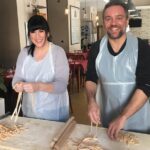
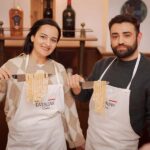
Fresh pasta at a Roman table beats homework. In this 2.5-hour cooking class at Osteria San Giorgio, you’ll make Roman favorites like pappardelle, tagliatelle, and tonnarelli, then finish with tiramisu and a glass of wine. I love that it’s truly hands-on (not a demo), and I love how the instructor connects technique with Roman food habits you can actually repeat at home. The main drawback is simple: it’s not for vegans or people avoiding gluten or lactose.
You may also get a small-group experience. Some past sessions have even turned into a private lesson when only a couple booked, and the instructors are English-speaking. Expect to work in a real restaurant kitchen setting—great for authenticity, though one guest found the constant watchful eyes from staff a little uncomfortable.
In This Review
- Key things I’d put on your radar
- Osteria San Giorgio: the setting that makes the class feel Roman
- Making Roman pasta: from flour-and-water dough to hand-cut ribbons
- Pappardelle vs tagliatelle vs tonnarelli: the differences that actually change your meal
- Tiramisu technique: the espresso-cream balance and timing
- The dine-and-drink part: what the wine adds (and what it doesn’t)
- Price and value: why $65 can be a smart splurge in Rome
- Who should book this (and who should skip it)
- Practical tips before you go
- Should you book this Rome pasta and tiramisu class?
- FAQ
- Where is the meeting point for the class?
- How long does the Rome pasta and tiramisu cooking class last?
- What is the price per person?
- What’s included in the $65?
- Is the instructor English-speaking?
- Is this class suitable for vegans?
- Is it suitable if I have gluten or lactose intolerance?
- Is it wheelchair accessible?
Key things I’d put on your radar
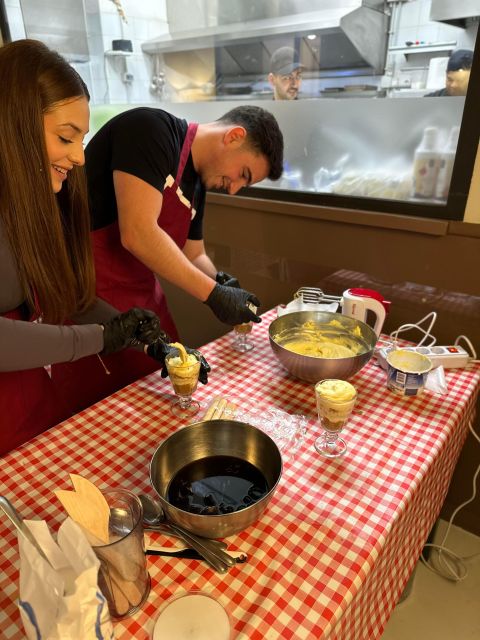
- Three pasta types, made by hand (pappardelle, tagliatelle, tonnarelli)
- Ingredient-picking tips that matter for better texture and flavor
- Tiramisu technique you can repeat after you leave
- Real restaurant pacing: cook, plate, then eat with wine
- English instruction with local context from the chef/instructor
- Diet limits to consider up front (no vegan, gluten-free, or lactose-free)
Osteria San Giorgio: the setting that makes the class feel Roman
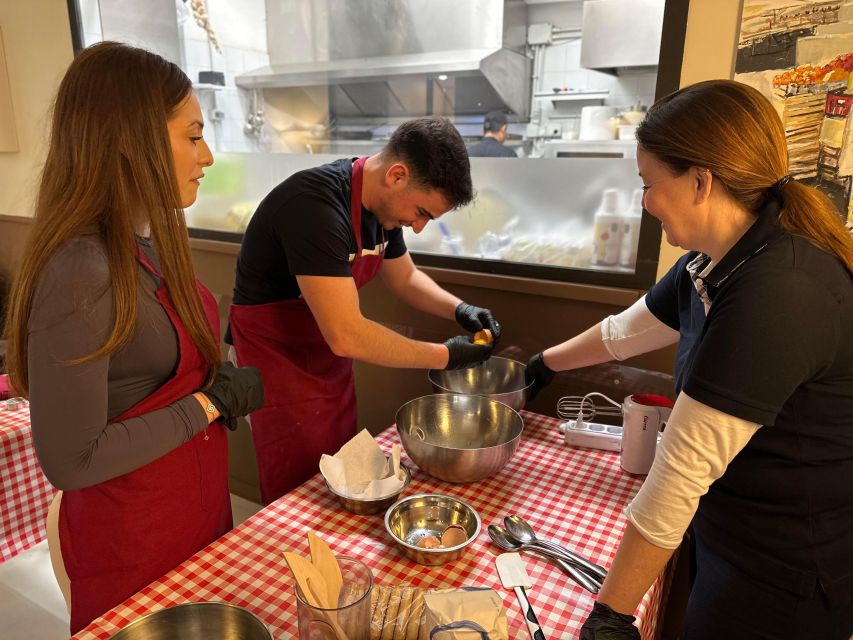
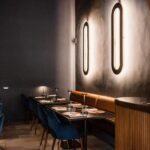
Meeting at Osteria San Giorgio puts you in the right mood from minute one. This isn’t a classroom with props. It’s a traditional restaurant environment, which changes the vibe in a good way: you see how the food world actually works in Rome—tools, workflow, and that calm, professional rhythm in the kitchen.
The restaurant setting also shapes what you leave with. When you finish rolling dough and hand-cutting pasta, you’re not going to a distant tasting room. You’re staying close to the source, then dining on what you made. That’s a big part of the value here: you learn, you cook, and you eat the results the same day.
One practical note from the experience style: if you’re the type who hates being watched while you work, you might want to mentally prepare for kitchen staff being around. At least one person mentioned it felt a bit uncomfortable when only two people were cooking. The upside is that the staff presence is usually a good sign—this is a working kitchen, not a pretend one.
You can also read our reviews of more tours and experiences in Rome.
Making Roman pasta: from flour-and-water dough to hand-cut ribbons
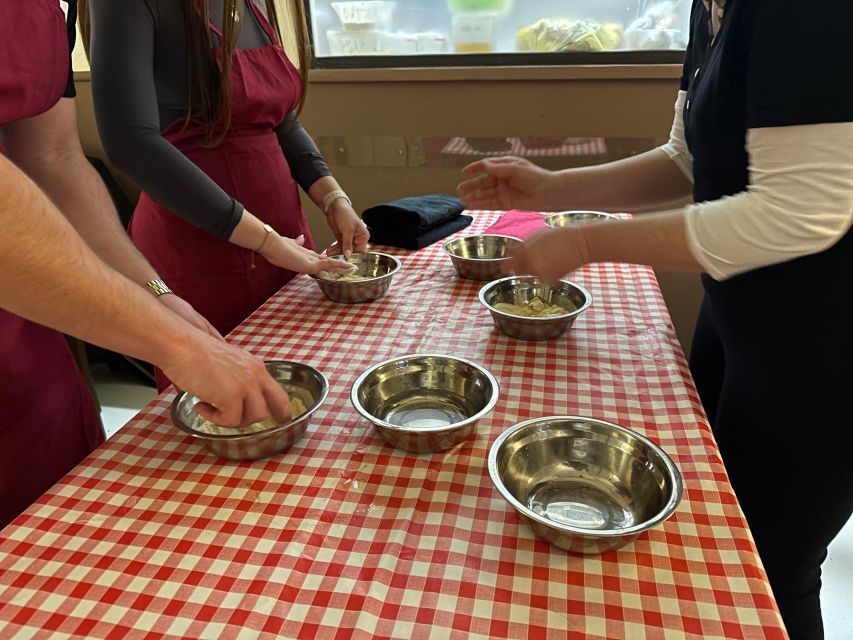
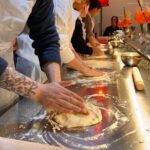
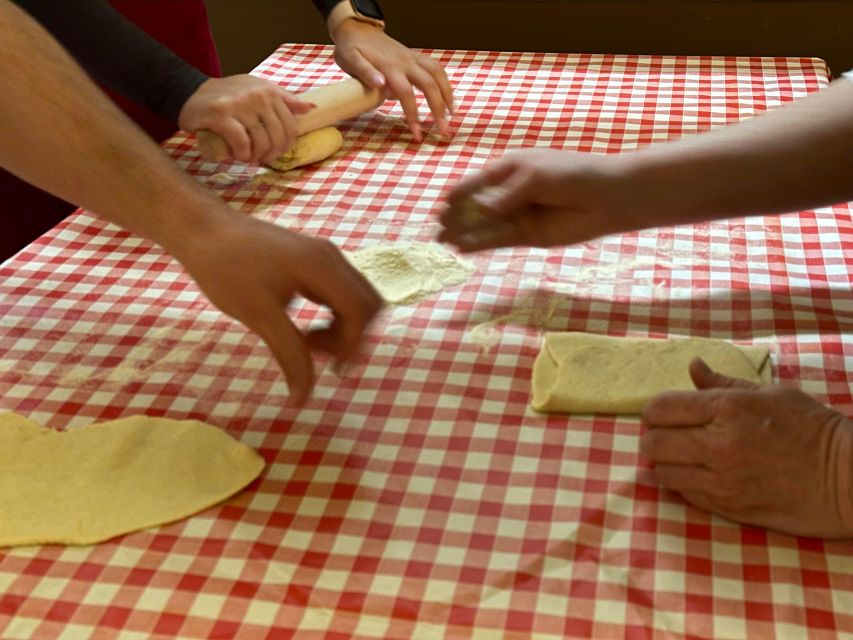
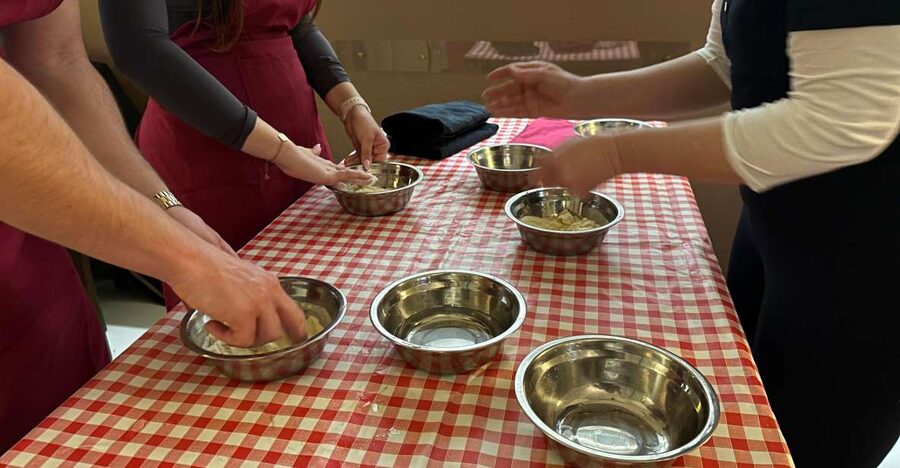
The pasta portion is where you’ll feel the most transformation. You start with basics—mixing flour and water, kneading dough, and learning how the dough should feel as it comes together. It’s not complicated, but it’s physical, and that’s the point. Once your hands understand the dough, everything gets easier: rolling, cutting, and cooking with confidence.
Here’s what I think you’re really paying for in this stage: technique. Even if you’ve made pasta at home before, you’ll likely pick up small corrections that improve results. In classes like this, those “small” fixes are usually the difference between pasta that’s tender and pasta that’s chewy or bland.
The class also focuses on cultural context. You’re not just memorizing steps. You’re learning why Roman pasta shapes exist, and why the dough and handling matter. That “why” sticks. Then when you cook later, you’re not following a checklist—you’re making decisions.
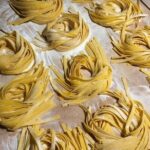
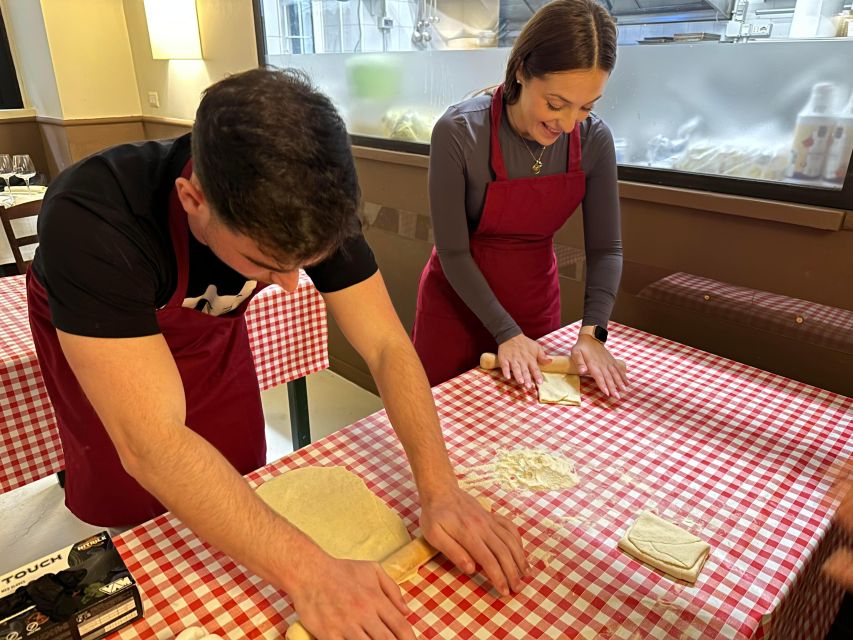
You’ll also practice rolling the dough and then hand-cutting into the shapes tied to Roman cooking. Hand-cutting sounds old-school, but it’s exactly what gives handmade pasta its slightly irregular character—those tiny edges and thickness changes help sauce cling.
Pappardelle vs tagliatelle vs tonnarelli: the differences that actually change your meal
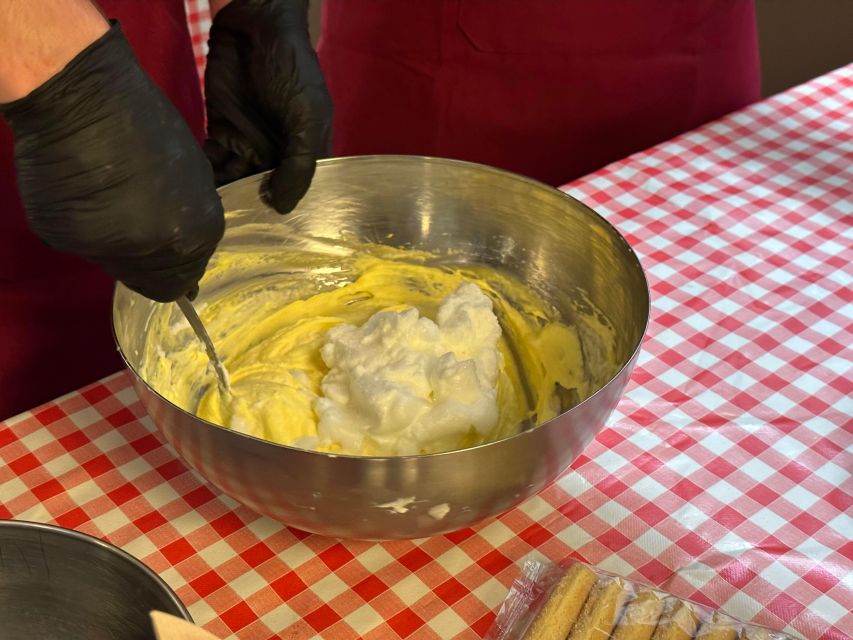
This is one of the most useful parts of the experience because it’s easy to treat pasta names like trivia. Here, the shapes come with real meaning. You’ll learn differences between pappardelle, tagliatelle, and tonnarelli, not just what they look like.
Why that matters: pasta shape isn’t decoration. It affects bite, sauce pickup, and how your final dish feels on the fork. Wider ribbons tend to hold onto sauce differently than slimmer ones. Textural differences also show up when you boil and toss.
And the class doesn’t just stop at shaping. You’re also picking up ingredient mindset—how to choose ingredients for authentic cooking. That might sound vague, but it’s practical. Better ingredients help dough behave better, and they help the finished pasta taste like the place you came from instead of like a generic homemade version.
In past sessions, instructors like Kristian and Luca have led the pasta part, with a focus on explaining what’s happening as you cook—so you’re not left guessing. Christian Simeoni and Elisabeth/Elisabeta have also been mentioned as instructors, and the common thread is clear: they talk you through the food choices, not just the motion.
Tiramisu technique: the espresso-cream balance and timing
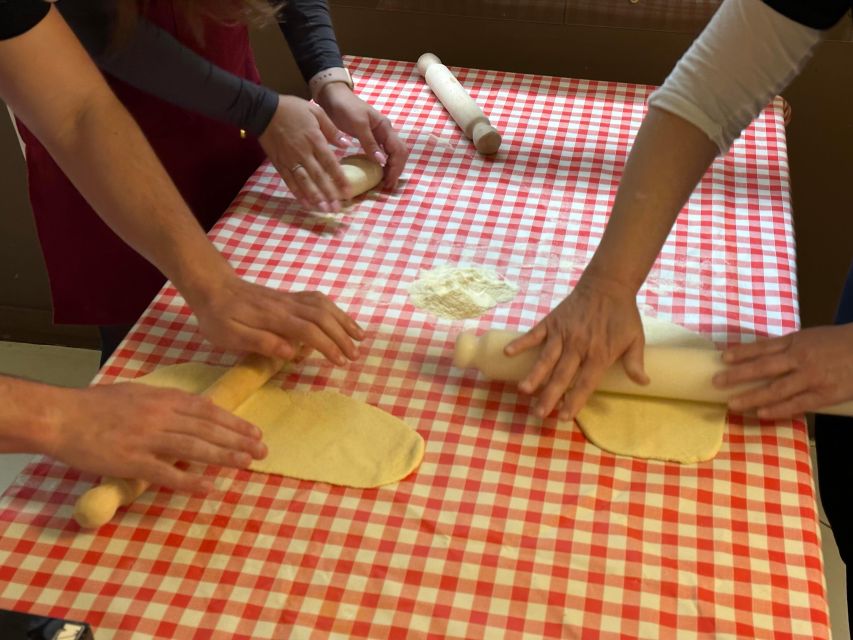
Then comes dessert, and this one carries its own set of surprises. Tiramisu is often treated like a recipe you can rush. In this class, you’re guided through the classic tiramisu steps, especially around the espresso-dipped part and building the creamy layers.
The key skill here isn’t fancy equipment. It’s timing and texture awareness. If the espresso hits too long, it gets soggy. If you rush, it doesn’t absorb properly. Same with the cream component: you want smooth, rich consistency without making it feel heavy.
What I like about this portion is that it feels approachable once you understand the logic. You might have seen tiramisu made in a thousand videos online, but learning it in a kitchen with an instructor makes the small changes obvious—what to look for, what to avoid, and how to tell when you’re on track.
And because you cook the dessert right after the pasta, the class stays connected. You’re not jumping between unrelated tasks—you’re learning two iconic Roman/Italian rhythms: pasta craft, then dessert balance.
The dine-and-drink part: what the wine adds (and what it doesn’t)
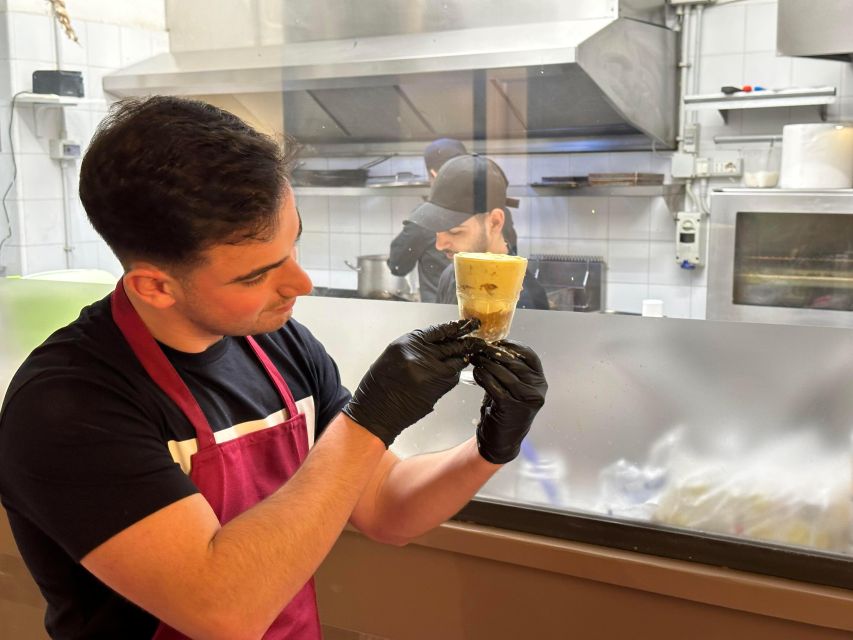
After you cook, you eat. The meal is part of the experience: you savor what you made, plus you get a glass of wine and water. That “eat what you cooked” moment is where the class really proves itself.
The wine pairing isn’t meant to turn this into a party. It’s meant to round out the evening meal feeling you’d recognize in Italy—warm, unhurried, and tied to food culture rather than tasting notes.
One of the best hints from the experience reports: people often describe the overall vibe as relaxing and fun, with instructors and restaurant staff creating a friendly atmosphere. Some guests specifically noted getting local recommendations along with cooking tips. That’s a bonus when you’re still in Rome and deciding where to eat next.
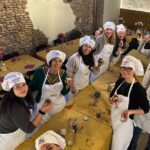
If you’re a little nervous about cooking in front of others, know this: the atmosphere tends to be supportive. One guest even celebrated doing it with kids, which suggests the tone often fits regular travelers who just want to learn something real.


Price and value: why $65 can be a smart splurge in Rome
$65 for a 2.5-hour class can feel like a splurge at first—especially in a city where you can eat extremely well for less. But in this case, the value comes from what’s bundled.
You’re getting:
- A real cooking class with instruction
- All ingredients and utensils
- Water
- A glass of wine
- And you eat what you make
That’s a lot more than “someone tells you how to cook.” You’re also buying time: the instructor handles technique, correction, and timing so you don’t waste hours testing your own guesses.
There’s also a hidden value: portability. The point of a good cooking class is not just dinner tonight. It’s that you can recreate the dishes later without turning your kitchen into a confused science lab. The pasta part especially gives you tactile knowledge—kneading, rolling, and cutting—that doesn’t transfer well from a cookbook alone.
One more value point: group size can be small. If you end up in a limited group (or even a private-style setup, depending on bookings), you often get more attention. That’s the sort of difference that makes a paid class feel fair instead of generic.
Who should book this (and who should skip it)
This class is a great match if you want an authentic Roman food experience that’s practical, hands-on, and tied to everyday Italian meals. You’ll likely enjoy it most if:
- You like cooking and want to learn technique, not just eat
- You want a memorable activity that still ends with an actual meal
- You’re curious about Roman pasta shapes and why they matter
- You like learning from instructors who explain food choices and history
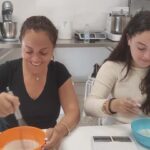
It’s also a strong option for pairs. One review-style theme was a couple enjoying a relaxed, informative time together, with plenty of chatting about Rome and local life. If you want a date-night that isn’t just dinner, this fits.
Skip it if:
- You’re vegan (not suitable)
- You have gluten intolerance (not suitable)
- You have lactose intolerance (not suitable)
And if you’re sensitive to being watched while you cook, just consider that the setting is a working restaurant, so staff may be around more than you expect.
Practical tips before you go
A few things will make your experience smoother:
- Go hungry. You’ll cook, then you’ll eat what you make, with wine and water included.
- Wear clothes you don’t mind getting a bit messy. Dough happens.
- If you’re nervous about English or communication, don’t be. Instruction is listed as English, and the instructors in prior sessions have been praised for being friendly and interactive.
- If you care about getting personal recommendations in Rome, ask your instructor. Several past guests mentioned getting helpful local tips during the meal.
Should you book this Rome pasta and tiramisu class?
If you want one high-impact food activity in Rome—something hands-on, genuinely Italian, and ending with a real meal—yes, I’d book it. For $65, you’re paying for instruction, ingredients, and the full experience payoff: pasta craft plus tiramisu skill, then you sit down and eat your results with wine.
The main reason not to book is the dietary reality. If gluten or lactose is a no-go for you, you’ll need a different type of class. If that’s not your situation, this is the kind of activity that turns Rome from something you just look at into something you can recreate.
FAQ
Where is the meeting point for the class?
You’ll meet at Osteria San Giorgio.
How long does the Rome pasta and tiramisu cooking class last?
The class lasts 2.5 hours.
What is the price per person?
The price is $65 per person.
What’s included in the $65?
The cooking class includes the instructor, all ingredients and utensils, water, and a glass of wine.
Is the instructor English-speaking?
Yes, instruction is listed as English.
Is this class suitable for vegans?
No. It’s not suitable for vegans.
Is it suitable if I have gluten or lactose intolerance?
No. It’s not suitable for people with gluten intolerance or lactose intolerance.
Is it wheelchair accessible?
Yes, it’s listed as wheelchair accessible.