REVIEW · TOKYO
Tokyo: Night Cooking Class: 5 Home-Cooked Japanese Dishes
Book on GetYourGuide →Operated by MagicalTrip · Bookable on GetYourGuide
Night cooking in Tokyo hits different. You learn izakaya-style home dishes and how to pair them with Japanese drinks, in a relaxed, social setting. The format is hands-on, so you’re not just watching passively, and it’s built around the same idea as a nomikai drinking get-together.
I especially like the focus on drink pairing, where you learn why certain flavors work with sake, Japanese beer, or soft drinks. I also like that the class teaches practical techniques you can repeat later, with recipes included to bring home. One thing to consider: you’ll be using knives and heat during the cooking steps, and those parts are only allowed for ages 12 and up (under supervision for younger kids).
In This Review
- Key highlights worth planning for
- Tokyo at Night, With Izakaya Food You Can Actually Recreate
- Getting There From Iriya Station: Fast, Simple, No Pickup
- The Evening Flow: Learn With a Local Guide and a Real Kitchen Routine
- Wagyu Steak, Tamagoyaki-Style Rolled Egg, and Miso Eggplant: The Core Set
- More Small Plates Built for Ordering Like an Izakaya
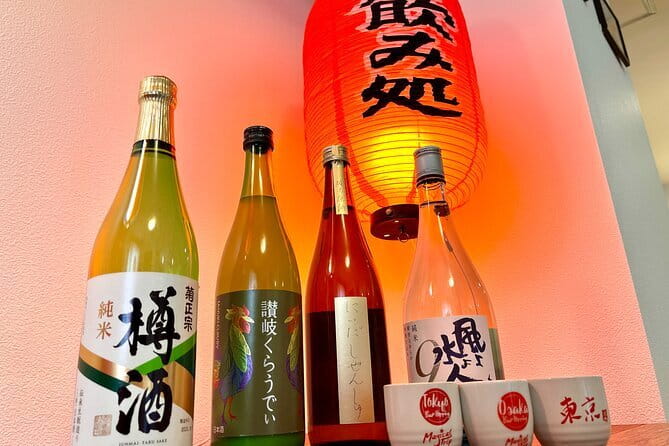
- Pairing Sake, Beer, and Soft Drinks: How to Think Like a Nomikai
- Home Drinking Culture Explained While You Cook
- Vegetarian Options, Food Limits, and Allergy Reality Checks
- Cooking Rules for Kids, Pregnant Guests, and Anyone Managing Heat
- Price and Value: What $103 Buys You in Tokyo
- How to Get the Most Out of the Night Class
- Should You Book This Tokyo Night Cooking Class?
- FAQ
- Where is the meeting point?
- How long is the cooking class?
- What’s included in the price?
- Is there alcohol included, and who can have it?
- Can vegetarians join?
- Is it suitable for vegan or gluten-free guests?
Key highlights worth planning for
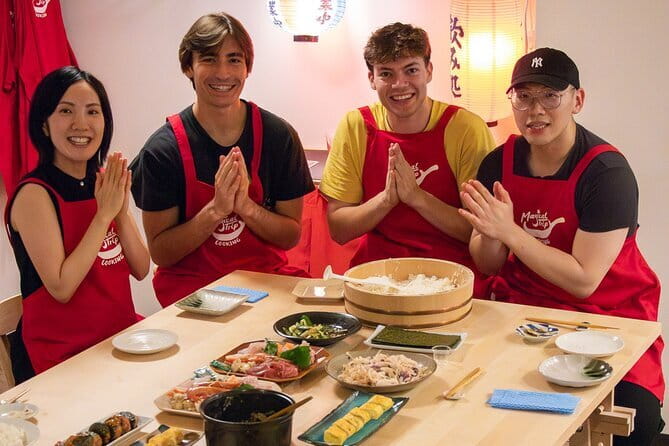
- Small group (max 6) means you get real interaction with your English-speaking guide
- Five home-cooked dishes including wagyu (or tofu) steak, tamagoyaki-style rolled egg, and miso eggplant
- 3 drink cans included so you can actually taste pairings, not just hear about them
- Izakaya-style approach: small plates built for ordering and eating alongside drinks
- Recipes + tour photos included, so you can recreate the meal at home
- English guides you’ll understand, with named instructors like Alice, Masae, and Fuji in prior sessions
Tokyo at Night, With Izakaya Food You Can Actually Recreate
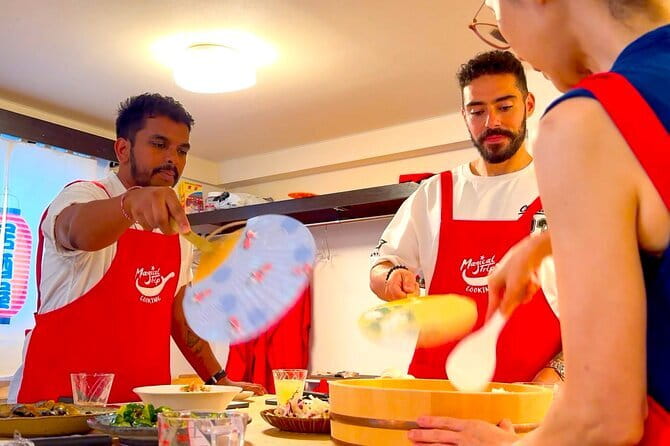
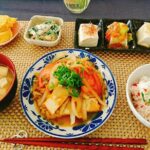
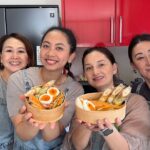
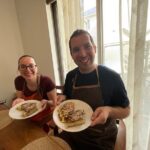
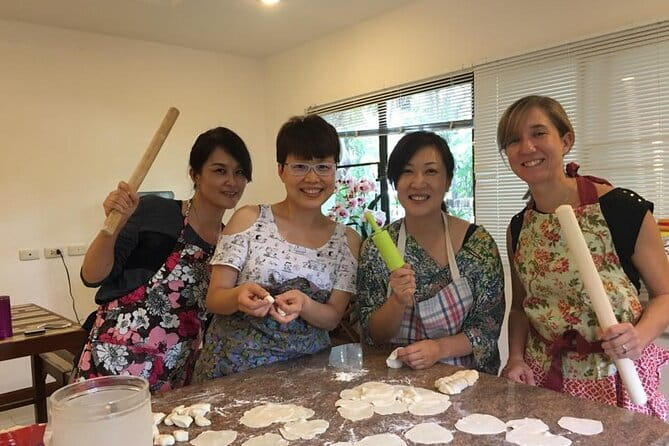
This is a Tokyo night cooking class that feels closer to a friendly dinner party than a rigid food tour. You spend about 3 hours making and tasting several Japanese home dishes designed to go well with drinks. The setting is built around the spirit of a nomikai, where people relax, share plates, and keep conversation going while the food and drinks rotate.
What makes it useful is the way it links technique to eating style. Instead of just learning one dish, you learn combinations: savory, crunchy, tangy, and comforting flavors that naturally line up with sake, beer, and non-alcohol options. If you like Japanese food but have trouble figuring out what to cook at home, this structure gives you a repeatable plan.
You can also read our reviews of more tours and experiences in Tokyo.

Getting There From Iriya Station: Fast, Simple, No Pickup
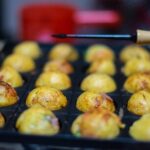
You meet in front of a FamilyMart near Iriya Station Exit 2, right by a Gindako shop and a Doutor Coffee shop. There are two FamilyMarts in the area, so find the one next to Gindako takoyaki and Doutor Coffee first. No hotel pickup or drop-off is included, so you’ll want to plan your own transit and arrive a few minutes early.
This matters more than it sounds. Night classes run on a tight clock because you’re coordinating shopping (when included), prep, cooking, and tasting in one flow. If you show up late, you usually pay for it with rushed instructions or less time to enjoy the meal.
The Evening Flow: Learn With a Local Guide and a Real Kitchen Routine
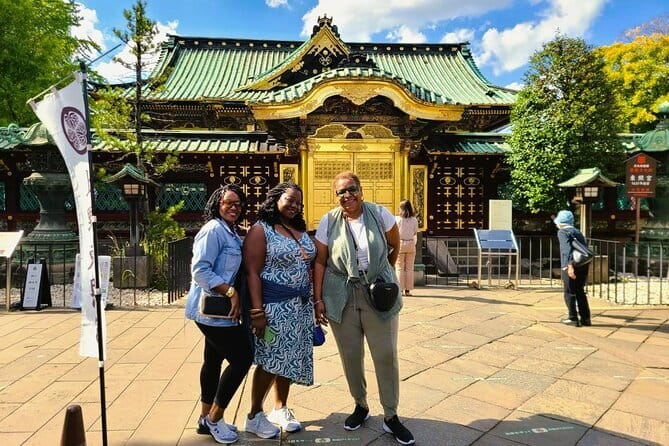
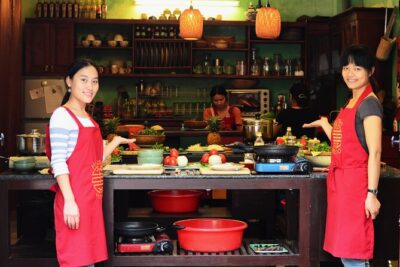
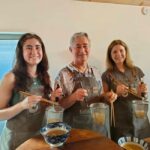
Your instructor is an English-speaking local guide, and you’ll see the difference in how smoothly the night runs. Past guides include Alice, Masae, and Fuji, and the common thread is clear instruction plus a fun atmosphere. You should expect a practical pace: enough explanation for beginners, but not so much lecture that you lose the hands-on part.
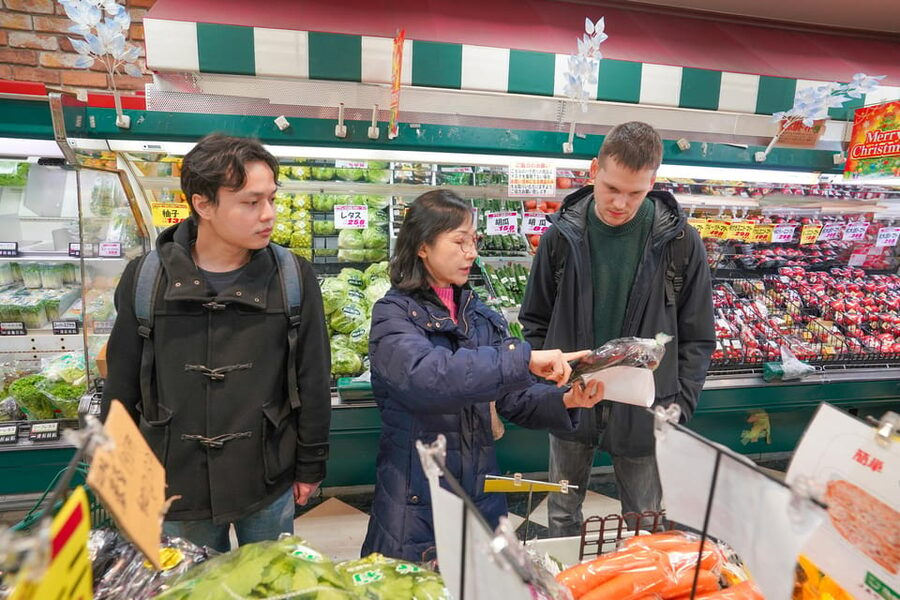
In some runs, your guide may take you through a nearby supermarket beforehand, which can be great if you want to understand what ingredients look like in Japan. Even when that step isn’t emphasized, the class still centers on using ingredients that are generally available outside Japan. That’s key if you want to cook these again later without hunting down rare items.
Wagyu Steak, Tamagoyaki-Style Rolled Egg, and Miso Eggplant: The Core Set
The class includes hands-on cooking for several dishes, with a strong home-style lineup:
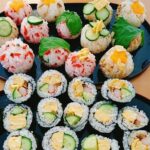
- Sushi hand roll
- Wagyu or tofu steak
- Japanese-style rolled egg (tamagoyaki-style)
- Grilled eggplant with miso sauce
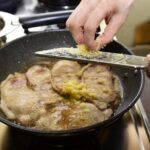
The wagyu (or tofu) steak is a good choice because it teaches you about seasoning and pan timing without turning the class into a steak grilling contest. If you go with tofu, it also makes the cooking feel accessible for non-meat preferences. Either way, you’re building the same skill: making something satisfying with simple ingredients and correct heat control.
The rolled egg is one of those dishes that sounds basic until you try it. You get the technique behind the shape and texture, and that’s the kind of skill you can reuse for future Japanese breakfasts and lunch boxes. And the miso eggplant gives you a flavor anchor: sweet-savory miso on tender roasted egg, built for eating alongside alcohol but also great with soft drinks.
More Small Plates Built for Ordering Like an Izakaya
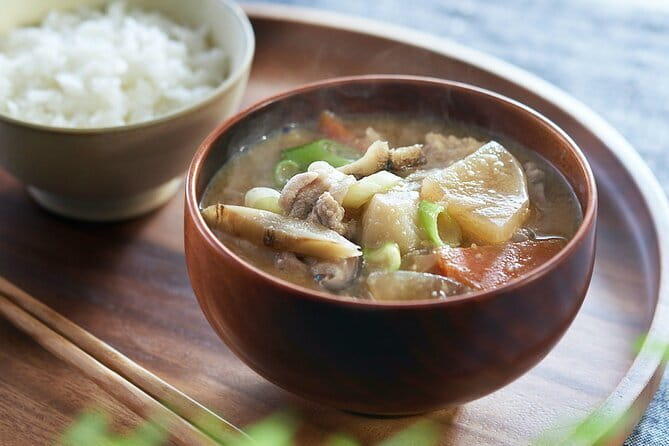
Beyond the core listed dishes, the class is designed around the idea of multiple small plates. You can expect learning additional items that match the theme of izakaya home drinking—things like savory skewers, crispy tempura-style elements, tangy pickles, and other seasonal bites.
Why this matters: in Japan, the joy is not one big main course. It’s the way different bites keep your palate interested while you sip. By the time you’re done, you’ll have a better sense of what goes well with which drink, not just a folder of recipes.
Also, the class is explicitly structured for ingredients you can find at home. That’s a real value point, because many cooking classes teach you something you can only make if you’re living next to a Japanese market.

Pairing Sake, Beer, and Soft Drinks: How to Think Like a Nomikai
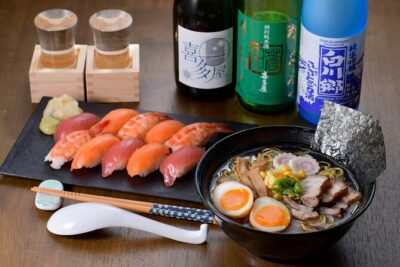
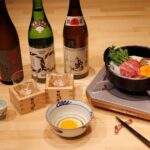
One of the smartest parts of this experience is that drinks aren’t an afterthought. You get 3 cans of alcoholic or soft drinks, and the guide helps you connect each drink to the foods you’re making. This is the kind of learning that’s hard to get from a standard meal.
If you’re a sake or Japanese beer fan, you’ll like the focus on why certain flavors match. For example, the role of acidity, salt, and fat changes depending on whether you’re eating something grilled, something crisp, or something sweet-savory. The class nudges you to pay attention to texture and taste balance, not just label names.
Rules matter here. Alcoholic beverages and sake tasting are only available for participants aged 20 and over under Japanese law. If you’re under that age, you’ll still be included with soft drink options as part of the pairing experience.
Home Drinking Culture Explained While You Cook
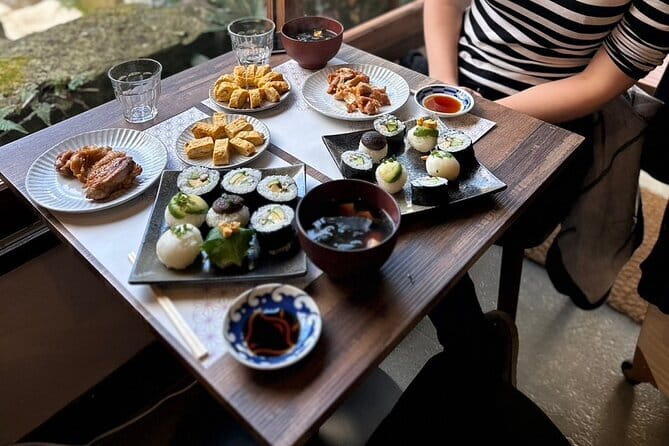
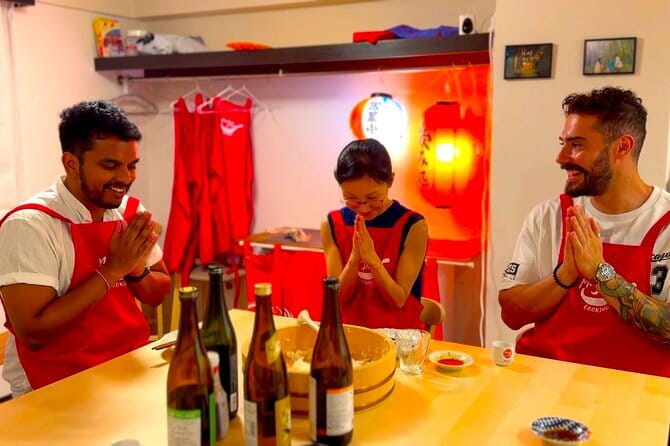
The cooking is the hook, but the real context is the home-drinking culture behind it. The class frames the meal like a friendly nomikai: small plates, shared attention, and the idea that the table should stay fun and varied through the night.
That cultural angle can change how you eat at home afterward. Instead of cooking one dish and forgetting the rest, you’ll understand the logic of building a lineup: something grilled or savory, something crispy, something tangy, something comforting. Even if you’re not hosting a party, it helps you plan meals that feel Japanese rather than simply Japanese-flavored.
And because you’re cooking the food yourself, you’re more likely to remember what matched with what. That’s the practical win.
Vegetarian Options, Food Limits, and Allergy Reality Checks
Vegetarian guests are welcome, and the class will arrange ingredients and the cooking process accordingly. That’s a good sign if you’re flexible and want the cooking experience rather than a separate menu.
There are also hard limits you should know:
- The experience is not available for vegan and gluten-free participants.
- You should assume allergy-free isn’t guaranteed, since food prep happens in kitchens that don’t belong to the tour operator. Substitutions might not always be possible.
If allergies or strict dietary needs affect your travel, this is the part to plan early. Bring details to the guide, but also prepare for the reality that kitchens and ingredients can vary during the night.
Cooking Rules for Kids, Pregnant Guests, and Anyone Managing Heat
This is where you should read carefully and plan for your group.
The activity is open to participants aged 6 and above, but steps involving knives and heat are only permitted for those aged 12 and over, under supervision by a parent or guardian. Separately, the experience is listed as not suitable for children under 12, so in practice, if you’re traveling with younger kids, you’ll likely find it difficult to get what you came for. There is also a kids’ playroom to keep younger ones entertained.
Smoking isn’t allowed. Pregnant women are listed as not suitable, so if that applies, you’ll want a different activity that’s less involved with heat and kitchen tasks.
Accessibility is mixed. Some locations in the tour aren’t accessible by wheelchair or stroller, so if mobility is a concern, factor that in before booking.
Price and Value: What $103 Buys You in Tokyo
At $103 per person for about 3 hours, this isn’t a budget class, but it also isn’t overpriced for what you get. The price includes:
- Hands-on cooking class with the core dishes (hand roll, wagyu or tofu steak, rolled egg, miso eggplant)
- All ingredients and cooking equipment
- A local guide
- 3 cans of drinks
- Recipes to take home
- Tour photos
The value angle is this: you’re paying for instruction, a controlled kitchen setup, and the tasting/pairing element. If you tried to recreate this solo, you’d likely spend money on ingredients anyway, plus you’d miss the pairing guidance and technique coaching for tricky tasks like rolled egg.
I also like the “cook it at home” promise. Recipes to take home are included, and the class uses ingredients meant to be available outside Japan. That’s what turns the experience from a one-night meal into a skill you can use.
How to Get the Most Out of the Night Class
If you go, you’ll have more fun with a few practical moves:
1) Come hungry but not stuffed. You’ll be tasting multiple plates, and drinks are included.
2) Treat the rolled egg like a technique class, not just a dish. It’s the skill you’ll remember later.
3) Pay attention to pairing questions. Ask the guide which taste changes when you switch from sake to beer or to soft drinks.
4) Keep an eye on your dietary needs early. Vegetarian is supported, but vegan and gluten-free aren’t available, and allergies aren’t guaranteed.
Also, take advantage of the photos included. You’ll have something to reference when you cook later. That matters when you’re trying to remember texture, plating, and the order you cooked things.
Should You Book This Tokyo Night Cooking Class?
Book it if you want a social, practical Tokyo food night that teaches you how Japanese home drinking food is built: small plates, drink pairing, and a lineup you can recreate. It’s especially strong for people who like sake and Japanese beer, for couples wanting a shared activity, and for anyone who’s cooked before but wants a Japanese technique refresher.
Skip it (or look for another option) if you need vegan or gluten-free meals, if you’re traveling with someone who can’t participate in heat and knife steps, or if allergy needs are strict and non-negotiable. Also consider that you handle the meeting point yourself, with no hotel pickup.
If your goal is to leave with both recipes and a better sense of how to eat Japanese-style at home, this class is one of the more useful ways to spend an evening in Tokyo.
FAQ
Where is the meeting point?
You meet in front of a FamilyMart next to the Gindako shop at Iriya Station Exit 2. There are two FamilyMarts in Iriya station, so choose the one next to Gindako takoyaki and Doutor Coffee.
How long is the cooking class?
The class runs for 3 hours.
What’s included in the price?
Hands-on cooking, all ingredients and equipment, a local guide, tour photos, recipes to take home, and 3 cans of alcoholic or soft drinks are included.
Is there alcohol included, and who can have it?
Sake tasting and alcoholic beverages are available only for guests aged 20 and over. If you’re under 20, soft drinks are included.
Can vegetarians join?
Yes, vegetarian guests are welcome. The team arranges ingredients and the cooking process for vegetarian participants.
Is it suitable for vegan or gluten-free guests?
No. The class is not available for people who are vegan or gluten-free.