REVIEW · KYOTO
Private Cooking Class Udon in Kyoto Japan
Book on Viator →Operated by 創作料亭出雲 Kyoto Izumo · Bookable on Viator
Handmade udon in Kyoto feels personal fast, especially when you’re working inside a 130-year-old house with local teachers nearby Nishi Honganji. I like that the class is hands-on from saltwater prep through knife-cut noodles, then you get to eat what you made. The only thing to keep in mind: you don’t boil the noodles yourself—the instructors handle the boiling step—so the activity is more about shaping and cutting than cooking over a stove.
This private lesson also hits a great lunch-time rhythm. It starts at 12:00 pm (about 1 hour, though plan for extra time when you’re eating), and it ends back at the meeting point. If you’re coming from Kyoto Station, it’s walkable (about 12 minutes), and the setting is just a short stroll from Nishi Honganji Temple.
In This Review
- Key highlights you’ll actually care about
- Inside a 130-year Kyoto home where udon feels normal
- Where you meet on Momijichō and how to time your 12:00 pm start
- Your udon workflow: from saltwater to knife cuts (and then lunch)
- What you should expect to do
- What you should expect the teachers to handle
- The hidden value: learning the parts you can repeat at home
- About that tempura: you don’t make it, but you still eat well
- Price and value: $60.43 for a private class that feeds you
- Who this Kyoto udon class fits best
- Best fit
- You might want a different option if
- Small practical tips so you enjoy the class more
- Should you book this Kyoto private udon class?
- FAQ
- How long is the private cooking class?
- Where is the meeting point and what time does it start?
- Is this a private experience?
- Do I make tempura or broth during the class?
- Will I receive anything I can use later at home?
- What if the weather is poor?
Key highlights you’ll actually care about
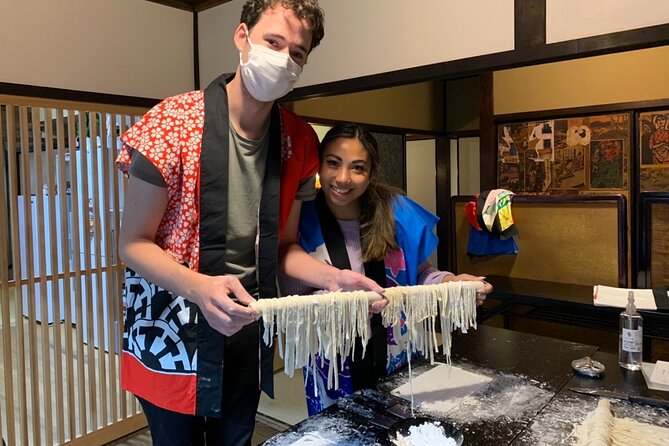
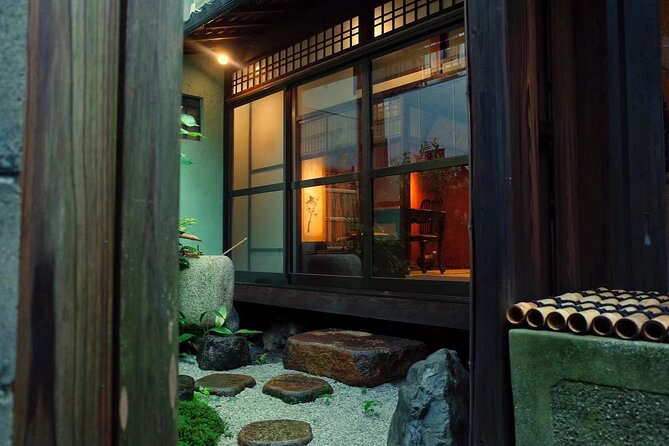
- 130-year-old kyomachiya setting: a traditional wooden home turned into a cooking classroom with antique furnishings.
- Private, group-only class: only your group participates, which makes the pace feel relaxed.
- Udon from scratch, with a clear workflow: saltwater, rinse, knead/stretch, knife cut, then boiling by the instructors.
- Lunch right after: you eat your udon with sauce, tempura, ginger, and green onion.
- You leave with a recipe: useful if you want to cook udon back home.
- Family-friendly participation: the parts you do are doable for kids and adults alike, because boiling is handled for you.
Inside a 130-year Kyoto home where udon feels normal
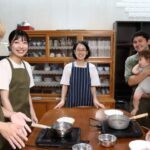
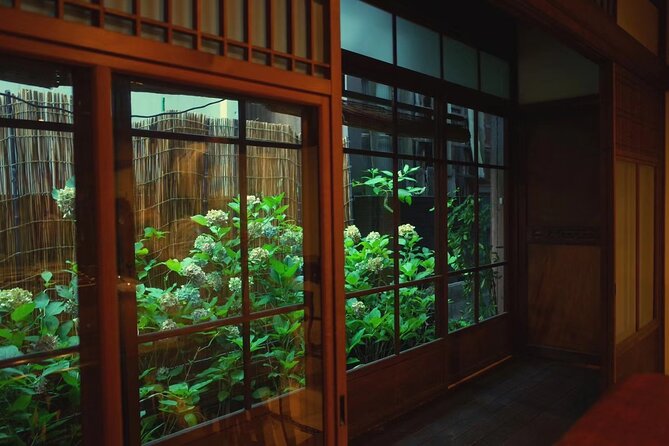
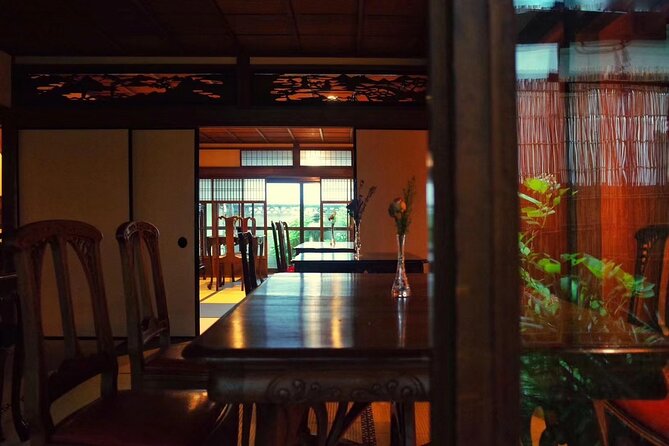
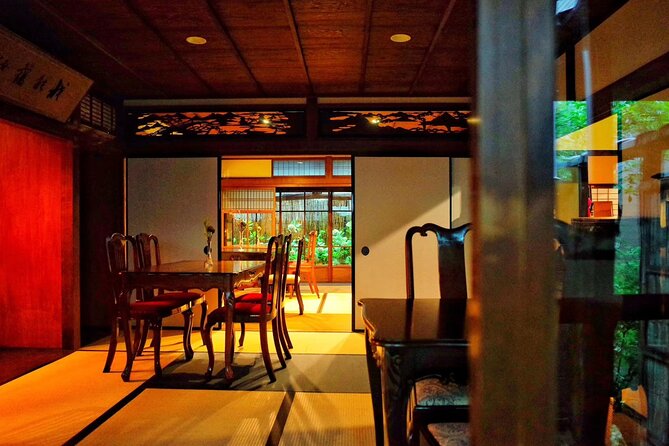
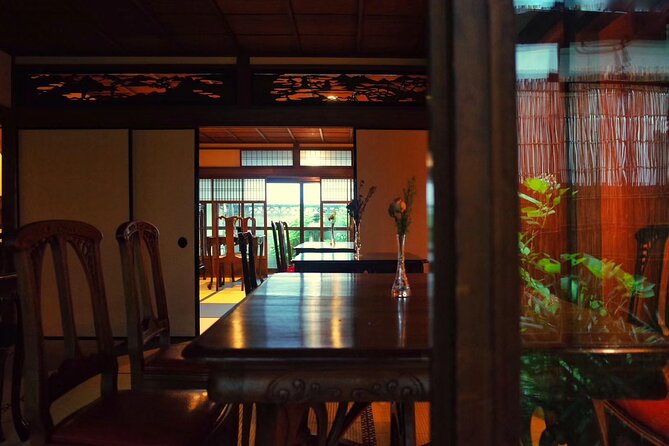
Kyoto does “food experiences” well, but this one earns its spot because it’s not staged in a modern kitchen. You’ll meet in a traditional house on Momijichō, in Shimogyo Ward—an old wooden place dating back about 130 years and set up as a classroom. Inside, you’ll notice antique furniture and artifacts that are over 110 years old, plus traditional Japanese music that helps the whole thing feel like you stepped into an earlier Kyoto rhythm.
That matters more than you’d think. A lot of cooking classes make you feel like you’re rushing through steps. Here, the setting slows you down just enough to understand the process. When you’re kneading dough and stretching it into shape, the atmosphere makes the work feel like a craft, not a demo.
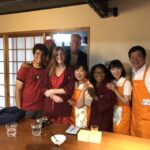
The teachers are local to Kyoto, which comes through in the way they explain more than technique. They share context along the way, including how udon has roots in China. (It’s a quick historical thread, not a lecture.) And from what I’ve seen in how the class is run, the tone is friendly and patient—especially helpful if you’re cooking with kids or you’ve never made noodles before.
You can also read our reviews of more tours and experiences in Kyoto.
Where you meet on Momijichō and how to time your 12:00 pm start
The class meets at 364 Momijichō, Shimogyo Ward, Kyoto, 600-8345, Japan. The start time is 12:00 pm, and it ends back at the meeting point.
Location-wise, it’s a very practical choice:
- About a 12-minute walk from Kyoto Station
- About a 2-minute walk from Nishi Honganji Temple
That’s the sweet spot for lunch activities. You can keep your morning for sightseeing, then come in without doing major transit juggling. Also, the property is near public transportation, so even if you don’t want to commit to the full walk from the station, you still have options.
If you want the smoothest start, I’d aim to arrive a bit early—this is a small, hands-on class, and you’ll want time to get oriented, grab your apron, and settle in before the first step.
The experience uses a mobile ticket, and confirmation happens within 48 hours of booking (as long as spots are available). On average, it’s booked about 16 days in advance, so if you’re traveling in peak season or with a family schedule, it’s worth booking sooner rather than later.
Your udon workflow: from saltwater to knife cuts (and then lunch)
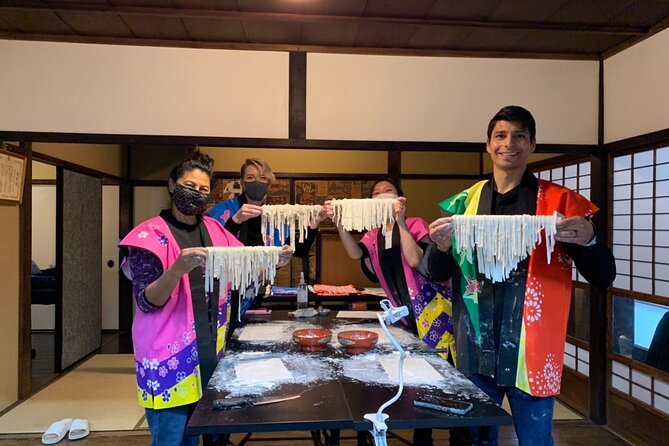
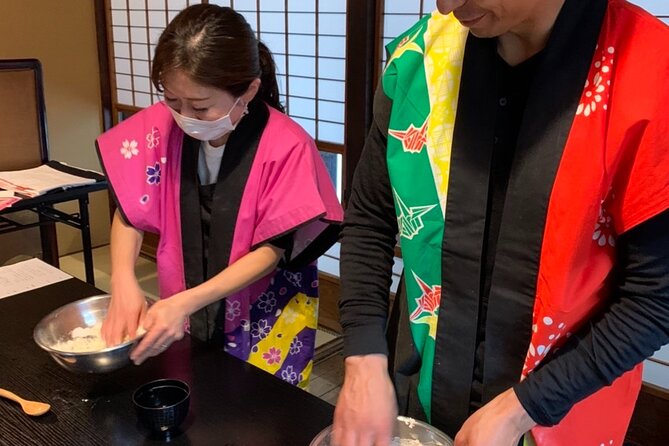
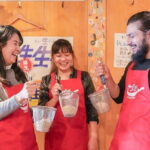
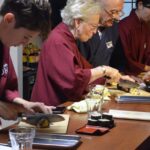
The core of the experience is making handmade udon noodles in that old-school wooden classroom. You’ll go through a structured sequence, starting with making saltwater, then rinsing, and moving into the dough-handling steps: kneading/stretching, then knife cutting.
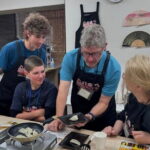
The class description lists the process in stages, and the practical takeaway is this: you’re doing the work that shapes the noodle. You’re not just watching. Ingredients are typically set out in advance, with aprons and table space that make it easy to follow along.
What you should expect to do
- Work the dough through the mixing and handling steps
- Learn the rhythm of kneading/stretching
- Cut the noodles with guidance
- Wash up when you’re done with the floury stages
What you should expect the teachers to handle
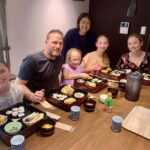
Even though you’ll learn the full flow of making udon, the instructors take over the final boiling stage. Multiple people highlight this point: you make the noodles, and then the boiling is done by the staff. For kids, that’s huge. For adults, it means the class stays moving and you’re not waiting around for a pot to boil.
Also, the staff prepares the meal component so you can enjoy what you made without turning the workshop into a full multi-hour cooking marathon.


The hidden value: learning the parts you can repeat at home
A lot of classes end with a plate and a vague sense of what happened. This one is different because it’s designed around technique you can carry forward. You’re not learning only how udon tastes in Kyoto—you’re learning enough process to feel confident making it again.
Two things support that:
- A recipe is provided, so you can recreate the steps after you’re back home.
- The instructions are explained clearly in English (at least based on how the class is described by participants), with a lively teacher leading and an assistant helping with the details.
In the best moments of this class, you’ll realize that udon is less magic than method. The saltwater step, the dough handling, and the cutting are the fundamentals. When you leave knowing what those fundamentals feel like, you’ll be able to troubleshoot next time—too tough, too sticky, not springy enough—without guessing wildly.
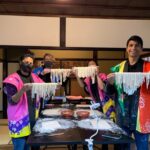
And yes, the class can get playful. People mention learning an udon dance, which sounds silly until you realize it’s a memory trick. You remember the workflow because you made it funny.
About that tempura: you don’t make it, but you still eat well
Here’s a common question: will you make tempura too?
You’ll have a separate tempura set as part of the meal, but you don’t need to make tempura yourself. That’s a smart design choice for a 1-hour lesson. It keeps the focus on udon noodles, while still giving you that classic Japanese lunch pairing.
After class, you eat the noodles you made, and you’ll also get:
- Tempura (vegetable tempura, served alongside)
- Sauce/dashi dipping elements for the udon (people describe a dipping broth and sauce)
- Ginger and green onion as finishing touches
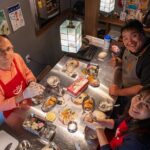
Some meals are served in a cozy setup on-site—people describe eating in a restaurant space connected to the experience rather than in a classroom setting. Either way, you get your noodles quickly enough that the work feels worth it.
If you’re traveling with kids, the tempura detail helps. It gives everyone something familiar on the plate, while the novelty stays in the noodle-making part.
Price and value: $60.43 for a private class that feeds you
At $60.43 per person, you’re paying for more than ingredients. You’re paying for:
- A private setup (only your group)
- A historic, wooden kyomachiya-style venue
- Instruction from local Kyoto teachers
- The materials, tools, and pre-measured workflow to help beginners succeed
- A lunch that includes your noodles plus tempura and toppings
Does that price make sense compared with cheaper cooking demos? In my book, yes—because the “private” part usually means you get more attention and a more comfortable pace. And because you leave with a recipe, there’s a practical aftertaste: you can repeat the skill later.
For families, the value often feels even better. A lot of Japan family activities either cost the same but don’t teach a real skill. Here you actually make the centerpiece food—then eat it without delays.
Who this Kyoto udon class fits best
This is a great match for groups that want hands-on learning without complexity.
Best fit
- Families with kids: the boiling step is handled by staff, so kids can participate fully without safety worries around heat.
- First-timers: the workflow is taught clearly, and the pace supports beginners.
- Intergenerational groups: there are accounts of cooking from teenagers to adults in their 80s, and the class is paced to keep everyone involved.
- Food lovers who want technique, not just tasting: you’re learning noodle handling and cutting.
You might want a different option if
- You only want to watch and then eat (this is a make-your-own class).
- You dislike floury hands and kneading work (you’ll do some dough handling).
- You have tight timing that won’t allow extra eating time. While the lesson is about 1 hour, people note lingering after the meal because everything is part of the experience.
Small practical tips so you enjoy the class more
A few things I’d do to make your udon-making day smoother:
- Dress for dough: aprons are provided, but you’ll still get floury. Wear clothes you don’t mind if they pick up a little.
- Plan for a full lunch block: even if the active class is about 1 hour, you’ll likely spend more time eating and relaxing afterward.
- Take the recipe seriously: it’s the thing that turns the experience into something you can reuse. If you want to cook udon later, read it right after and keep it handy.
- Ask questions about the history thread: people mention learning that udon traces back to China. If a teacher brings it up, it’s worth following.
Should you book this Kyoto private udon class?
I think you should book if you want a hands-on, private, lunch-time cooking experience with a strong sense of place. The real win here is the combination of a 130-year Kyoto home, patient local instruction, and a process you can repeat after your trip. The meal afterward makes the time feel efficient.
I’d skip it only if you’re looking for a strictly fast in-and-out activity or if you only want to boil, cook, and control every heat step yourself. Here, your focus is on dough and cutting, and the instructors handle boiling.
If your goal is to leave Kyoto with a skill (not just a souvenir) and a good bowl of noodles, this private udon class is a very sensible choice.
FAQ
How long is the private cooking class?
The class is about 1 hour (approx.).
Where is the meeting point and what time does it start?
You meet at 364 Momijichō, Shimogyo Ward, Kyoto. The start time is 12:00 pm.
Is this a private experience?
Yes. It’s a private tour/activity, and only your group participates.
Do I make tempura or broth during the class?
No. You don’t make tempura; a separate tempura set is provided for the meal. The boiling step for the udon is also handled by the instructors.
Will I receive anything I can use later at home?
Yes. A recipe is provided, so you can try making udon again after your trip.
What if the weather is poor?
The experience requires good weather. If it’s canceled due to poor weather, you’ll be offered a different date or a full refund.