REVIEW · TOKYO
Asakusa Classic Ramen & Crispy Gyoza Cooking Class
Book on Viator →Operated by 茶御飯東京 · Bookable on Viator
Ramen got hands-on in Tokyo. This Asakusa cooking class teaches ramen broth/base from scratch and crispy gyoza in the same 3-hour session, led by the Masa and Junko team in a real, well-run kitchen.
I really like the combo of making both dishes yourself and getting the tools handled for you. You’ll have an apron and utensils provided, and you’ll go home with recipes (so you can actually cook this again, not just admire it).
One thing to consider: gyoza prep involves knife work for vegetables and careful folding, so if you’re nervous about cutting, plan on taking it slow and listening closely to the instructions from Masa and Junko.
In This Review
- Key Highlights You’ll Feel During the Class
- Asakusa’s Real-Kitchen Ramen and Gyoza Class
- What You’ll Cook: Shoyu Ramen Base + Crispy Gyoza
- Hands-On Dumpling Work: Filling, Folding, and Crisp Texture
- Cutting vegetables the Japanese way
- Folding that affects the crunch
- Ramen Broth From Scratch: The Part You’ll Want to Recreate
- What you’ll do vs. what the instructor may finish
- Toppings: the bowl gets personal
- The Best Part: You Eat What You Made
- Vegetarian and Vegan Options With Advance Notice
- Meeting Point and Timing: Morning vs Afternoon Sessions
- Price and Value: Is $167.81 Worth It?
- Who This Class Is Best For (And When to Think Twice)
- Should You Book This Ramen and Gyoza Cooking Class?
- FAQ
- What is the duration of the Asakusa ramen and gyoza cooking class?
- What times are the class sessions?
- What’s the group size limit?
- Do I need to bring anything?
- What will I make during the class?
- Are vegetarian or vegan options available?
- Is there MSG or artificial additives?
- Where is the meeting point?
- What happens if the weather is poor?
Key Highlights You’ll Feel During the Class
- Small group (max 8): more attention and better pacing for hands-on cooking
- Broth/base from scratch: shoyu ramen building blocks you can reuse at home
- Crispy outside, juicy inside gyoza: learn filling, folding, and texture targets
- No MSG / no artificial additives: all-natural ingredients are provided
- Recipes to recreate at home: plus clear step-by-step guidance during class
- Photos and video support: Junko takes lots of pictures during the experience
Asakusa’s Real-Kitchen Ramen and Gyoza Class
If your Tokyo plan includes eating ramen multiple times, this class is a smarter way to spend part of your day. Instead of treating ramen as a restaurant-only experience, you learn how the flavor gets built—then you turn around and eat it while it’s fresh and hot.
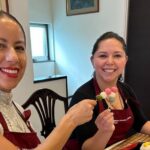
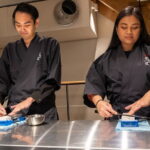
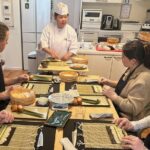
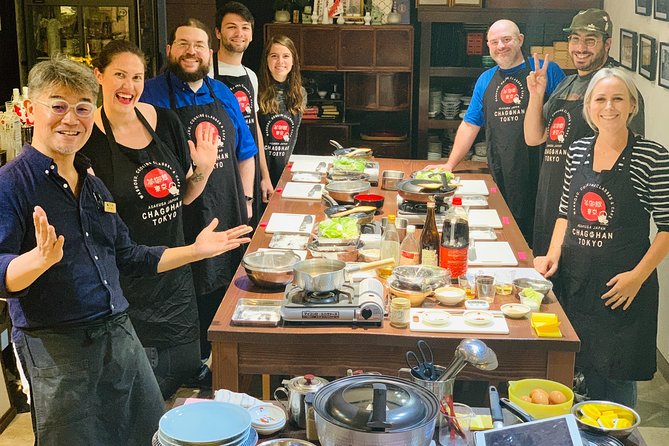
This isn’t a huge production. With a maximum of 8 people, the teaching stays personal, the cooking goes at your speed, and questions don’t get lost in the crowd. Masa leads the class with clear instruction and a dose of humor, while Junko helps keep things organized and takes photos and videos for the group.
And yes, you end up eating. That’s the big difference between cooking as a demo and cooking as training. You’ll assemble a bowl of ramen at the end and sit down with the dumplings you worked on.
You can also read our reviews of more tours and experiences in Tokyo.

What You’ll Cook: Shoyu Ramen Base + Crispy Gyoza
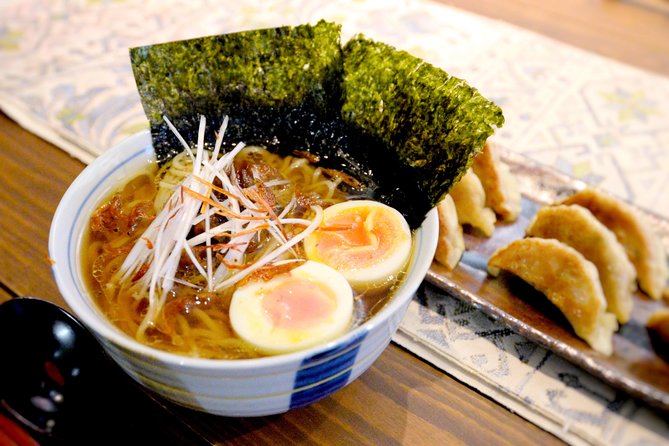
The class focuses on two signature Japanese staples: ramen and gyoza. The ramen portion is centered on making the broth/base from scratch and prepping toppings so the bowl isn’t just “noodles in soup.” The gyoza portion is aimed at texture—dumplings that are crisp on the outside and tender inside.
Here’s what the class content breaks down into:
Ramen
- Make ramen broth and base from scratch
- Prepare toppings (the finishing pieces that change the whole bowl)
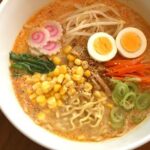
- Assemble a photogenic bowl at the end
Gyoza
- Make the filling
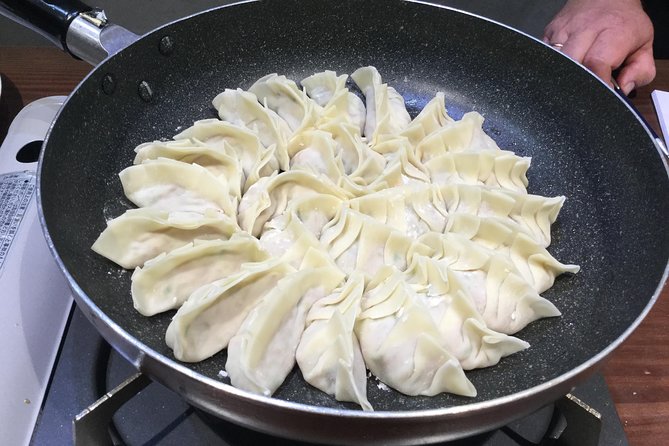
- Fold gyoza by hand
- Use vegetable cutting techniques
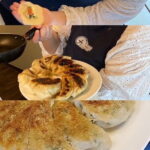
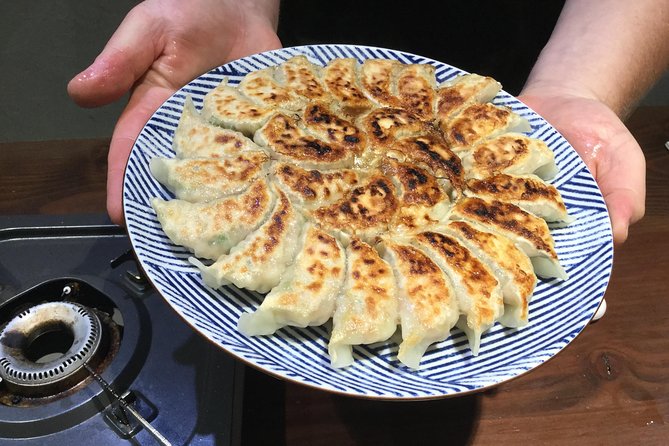
- Learn how to get the crisp, crunchy exterior you associate with great pan-fried gyoza
Even if you’ve eaten ramen your whole life, building a broth and base from scratch changes how you think about flavor. You stop guessing and start understanding. That’s what makes this class worth the time.
Hands-On Dumpling Work: Filling, Folding, and Crisp Texture
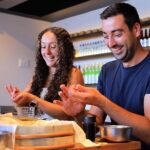
Gyoza is where most people feel the “I’m actually cooking” satisfaction. You aren’t just mixing ingredients in a bowl and calling it done. You make the filling, you fold dumplings by hand, and you work through the shaping that affects the final bite.
Cutting vegetables the Japanese way
The class includes vegetable prep using hand cutting techniques. That matters because gyoza filling isn’t supposed to be chunky-soggy or watery. How you cut and how you handle ingredients affects moisture and consistency once the filling cooks inside the wrapper.
If you’re traveling with kids or teenagers, it’s a good choice as long as they can follow instructions and handle some prep work carefully. One family noted there’s a fair bit of knife work in the prep, so older kids tend to do best here.
Folding that affects the crunch
Crispy gyoza isn’t just about pan heat. It’s also about sealing and forming. Folding teaches you how to close the wrapper so the filling stays put and the dumpling cooks evenly.
You’ll likely spend enough time with the wrappers to understand the look and feel of a correctly folded dumpling. And because it’s a small group, you get guidance while you’re still learning the technique.

Ramen Broth From Scratch: The Part You’ll Want to Recreate
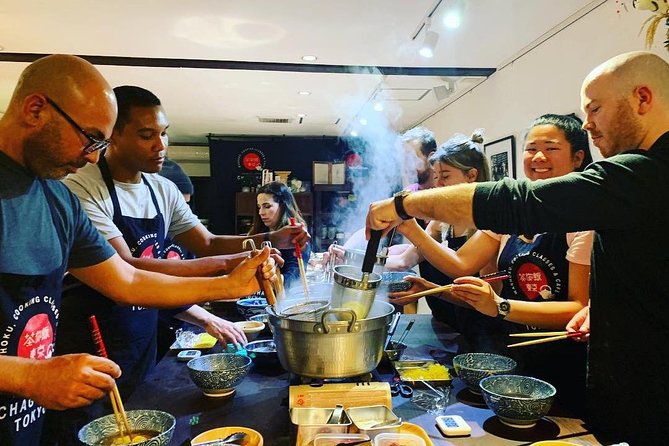
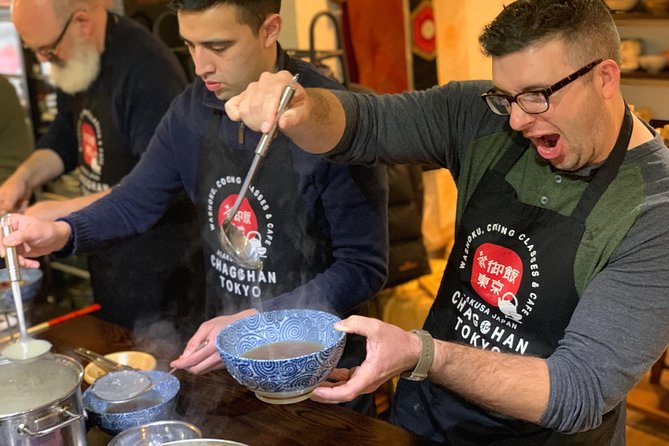
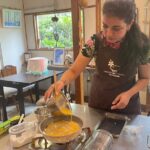
Ramen broth is the backbone of the dish. In this class, you’ll learn how to prepare ramen base and broth from scratch. That includes understanding what goes into the stock and how the flavors develop before the bowl ever reaches the table.
Be aware of one practical reality: shoyu-style ramen stock has multiple steps. One participant specifically mentioned there are many steps involved in cooking a shoyu stock from scratch. In other words, this isn’t instant ramen cosplay.
What you’ll do vs. what the instructor may finish
You should expect a mix of hands-on work and instructor-led cooking. Some parts may be handled by Masa while he explains what matters and why. Still, you’ll get enough involvement to confidently recreate the method later using the recipe you receive.
The key is that you aren’t just watching broth happen. You’re learning the building blocks and the timing logic.
Toppings: the bowl gets personal
The class doesn’t stop at broth and noodles. You also prepare toppings, so you get to see how ramen becomes a complete meal. Toppings add texture, freshness, salt balance, and visual appeal—plus they’re what you can most easily customize when you cook at home.
The Best Part: You Eat What You Made
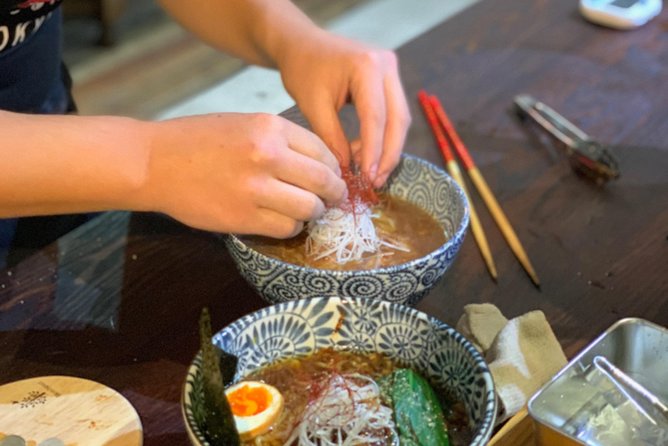
After the prep and cooking, you assemble and eat your ramen bowl. This is a full-circle experience: you work for the food, then enjoy it while the dumplings are crisp and the ramen is hot.
One review notes the meal includes around eight gyoza plus a full bowl of chicken ramen. That’s a satisfying portion for a 3-hour class. You’re not leaving hungry, and you don’t need to rush out for a quick snack afterward.
There’s also a strong “host energy” component. Masa and Junko are described as friendly, funny, and welcoming, and the kitchen setup is clean and organized. If you’re a beginner, that comfort matters. When you feel safe to ask a question, you learn faster.
Vegetarian and Vegan Options With Advance Notice
If you eat vegetarian or vegan, you’re not automatically shut out. The class offers vegetarian and vegan-friendly options with advance notice.
That’s important because ramen broth and gyoza filling can be tricky to convert. Planning ahead makes sure the ingredients you use match your dietary needs rather than forcing you to improvise with a partially adapted meal plan.
Meeting Point and Timing: Morning vs Afternoon Sessions
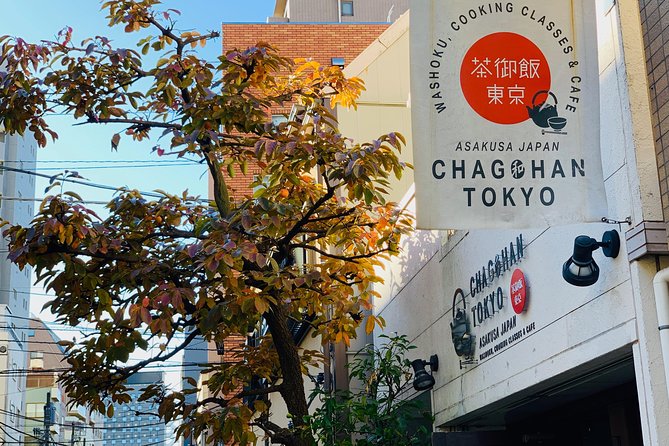
The meeting point is at Chagohan Tokyo in Nishiasakusa (Taito City), on the 1F. The class runs on a schedule that gives you two options:
- Morning: 10:00 a.m. to 1:00 p.m.
- Afternoon: 3:00 p.m. to 6:00 p.m.
Both are roughly 3 hours. Choose the time based on what you want your Tokyo day to feel like. A morning class can set you up for an easy post-class walk through Asakusa. An afternoon class can fit neatly between other sightseeing blocks.
The location is near public transportation, which is a real plus in Tokyo. You don’t want to burn energy wrestling with transfers while you’re trying to enjoy a cooking class.
Price and Value: Is $167.81 Worth It?
At $167.81 per person for about 3 hours, the price isn’t “cheap.” But it’s also not overpriced for what you get.
Here’s the value math that makes it make sense:
- Ingredients are provided, including natural ingredients (no MSG, no artificial additives)
- Tools are provided (apron and utensils), so you’re not sourcing anything
- You get recipes to recreate what you learn at home
- You eat your results, not just a small tasting
- The class is small-group (max 8), which usually means more attention per person
Cooking classes in big cities often charge for the experience of learning. This one also gives you the practical tools to repeat the results later. That can turn the class from a fun activity into a lasting memory that shows up in your kitchen.
One more value factor: ramen and gyoza are food you can easily spend a lot of money on eating out. Learning them once can rebalance your food budget over the long term because you’re not relying on restaurants for both dishes every time you crave them.
Who This Class Is Best For (And When to Think Twice)
This class is a strong match if you love ramen and gyoza and want more than a meal. It’s also a great option if you want to learn cooking steps you can actually repeat, even if you’re not a confident cook.
It’s also a good fit for:
- Couples who want an interactive Tokyo experience
- Families with teens who can handle some knife work and follow instructions
- Friends and small groups looking for a shared activity with a payoff
- People who like learning the cultural context behind food while they cook
When to think twice:
- If you hate any kind of cutting prep, you might feel frustrated. There is knife work for vegetable prep in the gyoza portion.
- If you only want a hands-off “watch and eat” activity, this class is more active than that. The whole point is learning technique.
For most visitors, though, the mix of instruction, hands-on cooking, and eating what you made is exactly the sweet spot.
Should You Book This Ramen and Gyoza Cooking Class?
I’d book it if your Tokyo trip includes ramen planning and you want to bring something back that goes beyond photos. The class hits the combination that most food travelers wish existed: you learn the method, you practice it, and you eat the results.
You should also feel good about the teaching style. Masa and Junko are described as exceptional instructors, and the small-group format makes it easier to understand what you’re doing. If you’re a beginner, the pace and guidance help you move from “I hope this works” to “I can do this at home.”
My bottom-line advice: If you’re excited by ramen broth and gyoza crispness, and you’re comfortable doing some prep work, this is one of the most practical and satisfying classes you can choose in Tokyo.
FAQ
What is the duration of the Asakusa ramen and gyoza cooking class?
It runs for about 3 hours.
What times are the class sessions?
There are a morning class from 10:00 a.m. to 1:00 p.m. and an afternoon class from 3:00 p.m. to 6:00 p.m.
What’s the group size limit?
The class has a maximum of 8 travelers.
Do I need to bring anything?
No. An apron and utensils are provided, and you’re given what you need to cook using the ingredients supplied.
What will I make during the class?
You’ll learn to make ramen broth and base from scratch, prepare toppings, and make gyoza filling and fold crispy gyoza dumplings by hand.
Are vegetarian or vegan options available?
Yes, vegetarian and vegan-friendly options are available if you request them in advance.
Is there MSG or artificial additives?
The class uses natural ingredients and is described as having no MSG or artificial additives.
Where is the meeting point?
The start point is 茶御飯東京 Chagohan Tokyo, Nishiasakusa, Taito City, on the 1F.
What happens if the weather is poor?
This experience requires good weather. If it’s canceled due to poor weather, you’ll be offered a different date or a full refund.