REVIEW · UBUD
Authentic Balinese Cooking Class in Ubud
Book on Viator →Operated by Bali Natural Tours · Bookable on Viator
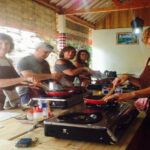
Spices have a way of changing your whole Bali mood. This small-group Balinese cooking class in Ubud is built around real steps—market browsing, visiting a local home, harvesting from the farm, then cooking with a Balinese chef using traditional techniques like lesung (mortar and pestle).
What I like most is the hands-on flow: you don’t just watch, you learn how spice pastes and banana leaf cooking work. You also get the practical extras—pickup and drop-off in the Ubud area, lunch, and a recipe PDF—so you can recreate the flavors after you go home.
One consideration: the experience runs in a countryside setting in the west side of Ubud and depends on good weather, so if clouds or rain roll in hard, timing can shift or the class can be offered another date.
In This Review
- Key Things You’ll Notice Right Away
- The West-Ubud Countryside Setup You’re Actually Cooking From
- Morning Market Time: Spices, Buying, and Why It’s Worth It
- Inside a Local Balinese Home (And Sometimes a Real Ceremony)
- The Farm Harvest: Where Ingredients Become Your Lesson
- Choosing Your Menu: Vegetarian Options, Regular Dishes, and Real Flexibility
- Techniques You’ll Actually Learn: Lesung, Chopping, and Banana Leaf Cooking
- Lunch Break: Eating the Result (With Coffee or Tea)
- What’s Included: The Real Value Behind the $49 Price
- Your Chef and the Human Touch: Learning With Putri and Ron
- Timing, Weather, and What to Wear in Ubud
- Who Should Book This Ubud Balinese Cooking Class?
- Should You Book It? My Straight Answer
- FAQ
- FAQ
- What’s included in the Balinese cooking class?
- How long is the cooking class in Ubud?
- Is there a market visit?
- Can I choose a vegetarian menu?
- How big is the group?
- Do I need to pay extra if I’m staying outside Ubud?
- What happens if the weather is bad?
- What’s the cancellation policy?
Key Things You’ll Notice Right Away
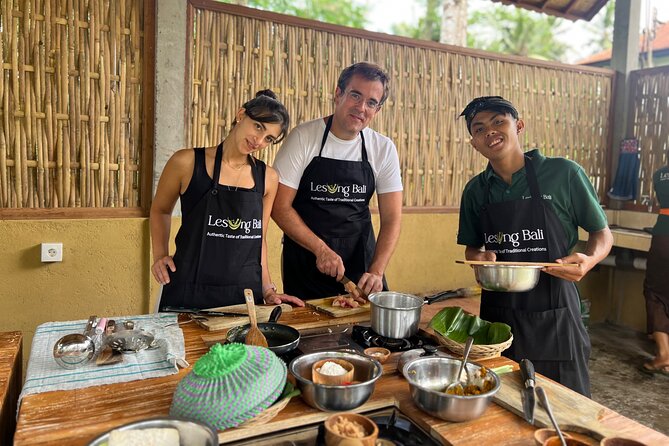
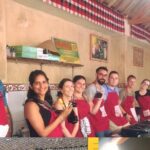
- Small-group cooking (max 15 people) keeps the class personal, not chaotic.
- Morning market option is where you can spot and buy spices locally (limited to the morning class).
- A real Balinese home visit gives context for daily life and house layout.
- Farm harvest time helps you connect ingredients to the dishes you’ll cook.
- Technique-focused class includes pounding and chopping spices the Balinese way.
- Lunch + recipe PDF means you leave full and with something usable.
The West-Ubud Countryside Setup You’re Actually Cooking From
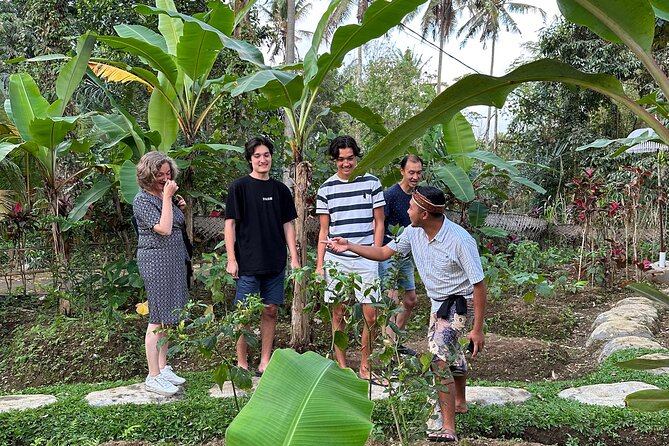
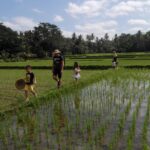
This class is located on the west side of Ubud, in a greener, countryside-like area. That matters more than you’d think. When your cooking begins in a farm setting (not a showroom kitchen), you taste the difference in the ingredients—and the day feels less like a performance and more like a genuine routine.
You’ll start with air-conditioned transport and direct two-way transfers from your Ubud-area address. The idea is simple: fewer logistics hassles, more time to focus on what you came for—food and culture.
Also, this isn’t a “one-size” class. You choose from different menu options during the class, including vegetarian and regular selections. That flexibility is useful if you’re coming with mixed dietary preferences.
You can also read our reviews of more tours and experiences in Ubud.

Morning Market Time: Spices, Buying, and Why It’s Worth It
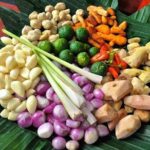
If you book the morning departure, you’ll add a stop at a traditional market before heading to a local home. The highlight here is not just looking—it’s learning what spices are, how they’re used, and picking up ingredients on-site.
In practice, a market visit changes how you cook later. When you’ve seen ingredients in their natural form, you understand why certain blends matter. You also get a better sense of how Balinese cooking balances fragrance, heat, and freshness.
A practical tip: if you plan to buy spices, keep your expectations realistic. You’re there to learn and shop in a local setting, not to bring home a whole spice warehouse. Small purchases usually make the most sense for actually cooking later.
Inside a Local Balinese Home (And Sometimes a Real Ceremony)
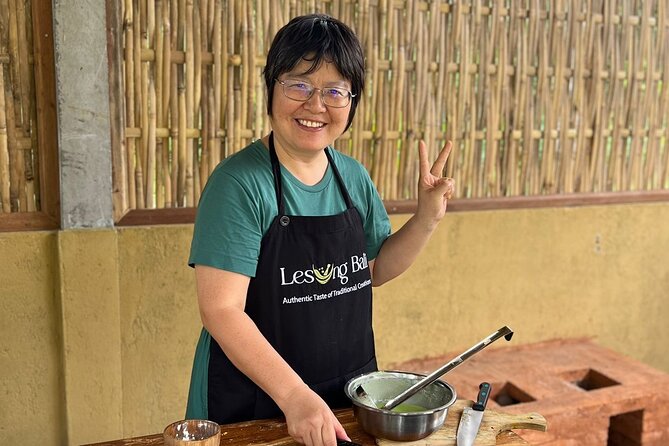
After the market, the next cultural stop is a visit to a local Balinese home. This part is especially meaningful because it’s not a scripted museum moment. You’ll learn about Balinese lifestyle, how homes are arranged, and how the placement of buildings connects to the way families live.
One reason this stop lands so well: it can line up with real events. In a review example, the class visit coincided with a ceremony in the house courtyard for a baby’s one-month birthday on the Balinese calendar. You don’t need to expect a ceremony every day—but the possibility is a reminder that you’re stepping into actual life, not a staged background.
Even if there isn’t a ceremony happening, this home visit still helps you connect cooking to culture. Food in Bali isn’t separate from daily beliefs and community rhythms. Understanding the house setting gives you a lens for why certain flavors and practices matter.
The Farm Harvest: Where Ingredients Become Your Lesson
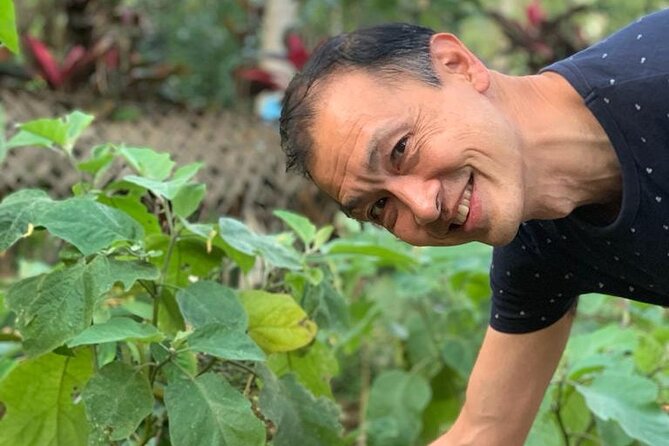
Next comes the farm, where the cooking truly starts. After you decide on your menu, you’ll explore the farm and harvest the spices used during your class.
This is one of the most valuable parts of the day because it teaches you to think like a cook instead of a consumer. You see where ingredients grow, you connect plant to paste, and you understand that the final dish depends on freshness and timing.
Harvesting also sets the pace. Instead of hopping between stations, you get a “collect → learn → cook” sequence. That flow makes the instruction easier to follow, especially when your chef starts breaking down steps and explaining ingredient roles.
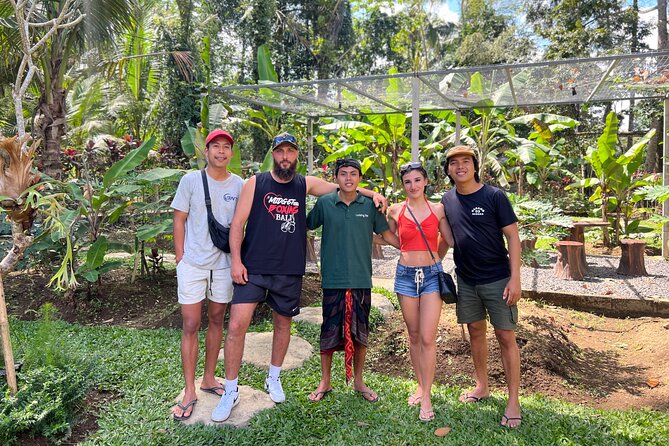
If you’re the type who likes a photo moment, you’ll get scenic spots—but try to use them between tasks. The best photos often happen when you’re paused to smell, inspect, or ask questions.
Choosing Your Menu: Vegetarian Options, Regular Dishes, and Real Flexibility
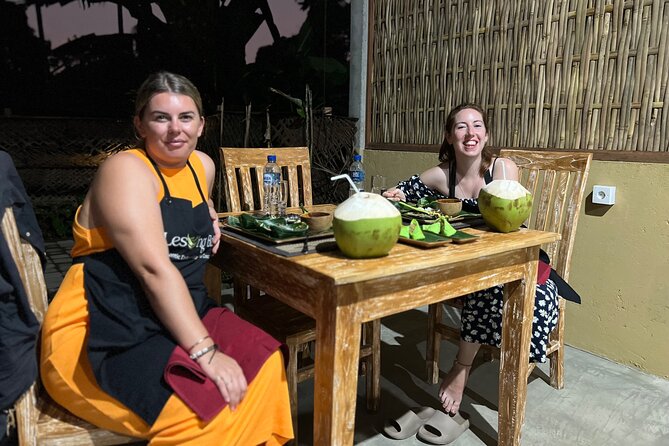
You’ll have variety of menu options, including vegetarian and regular choices. You decide during the process, and then the chef tailors the cooking steps based on the menu you picked.
That’s important because Balinese cooking isn’t just about one sauce. It’s built from layers—spice pastes, aromatic ingredients, and cooking methods. When you choose a vegetarian route, the class still keeps the same hands-on approach. You’ll learn techniques that matter, even if the final plate is different from what your neighbor is cooking.
This is also why the class works for mixed groups. Whether you’re coming with someone who wants spice-forward dishes or someone who prefers to stay vegetarian, you’re likely to leave happy without the “I guess I’ll just eat rice” problem.
Techniques You’ll Actually Learn: Lesung, Chopping, and Banana Leaf Cooking
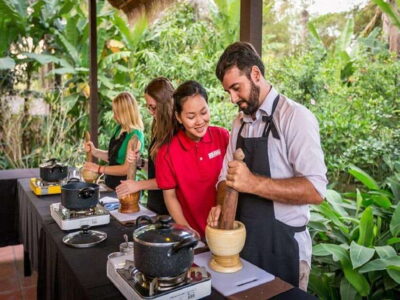
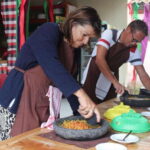
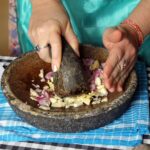
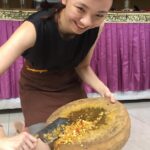
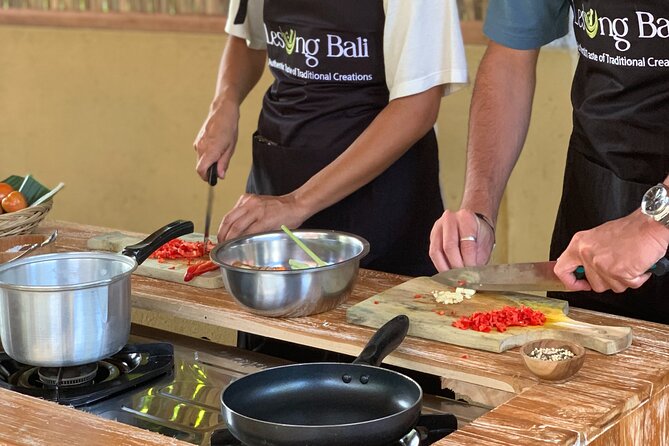
The cooking instruction is built around classic Balinese methods. You’ll work with lesung—a mortar and pestle setup used to grind and pound spices into paste. This isn’t a gimmick. The texture of the paste affects how flavors bloom once they hit heat.
You’ll also learn the basics of Balinese chopping and pacing: what should be coarse, what should be fine, and how the spice mix behaves in the pan. Your chef explains techniques as you go, including what ingredients you’ll use and what else you’ll need based on the menu.
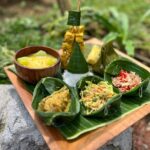
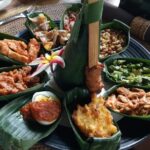
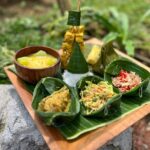
One specific culinary image you should keep in mind: cooking wrapped in banana leaves. While the exact dishes can vary by menu, banana leaf cooking shows up as a signature style in Balinese cuisine because it helps with aroma and keeps food moist.
During class, you’ll also get practical guidance on the “why” behind the steps. Your chef explains how much of each ingredient goes in and how to move through the recipe with confidence. That’s the kind of explanation that makes it easier to cook again later, not just survive the class.
Lunch Break: Eating the Result (With Coffee or Tea)
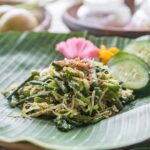
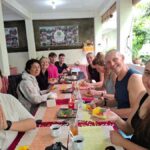
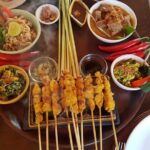
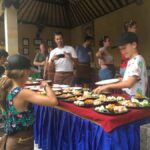
After the cooking work, lunch is included. This is more than a reward. It’s when the lesson clicks: you taste what you made and connect it to the techniques you used earlier.
You’ll also get bottled water and coffee and/or tea, which is perfect after you’ve been chopping, pounding, and heating. It’s also handy for cooling down if you choose a spicier menu.
If you’re thinking about what to eat later that day, keep it simple: plan around a full lunch. The class is designed to leave you with a proper meal, not just a sampling platter.
What’s Included: The Real Value Behind the $49 Price
At $49 per person, this class can look “normal” until you list what’s included. You’re getting:
- Round-trip pickup and drop-off within the Ubud area (with extra charges for areas outside Ubud)
- Lunch
- Bottled water
- Coffee and/or tea
- An air-conditioned vehicle
- Cooking utensils and an apron
- A recipe PDF so you can reproduce dishes later
- Small-group instruction (max 15 people)
That combination is the value. Many Bali cooking classes either focus on the performance (you watch more than you cook) or focus on the cooking (you travel but don’t get much cultural context). This one ties together cooking, ingredient sourcing, and culture—without turning it into a long day maze.
If you’re staying in central Ubud, the inclusion of transport can save you time and money versus booking separate rides. If you’re coming from farther out—Sanur, Kuta/Seminyak/Canggu, Nusa Dua/Jimbaran, or Uluwatu—there are additional per-car costs listed. So do the math for your exact pick-up spot before booking.
One more detail that matters: the class provides recipes as a PDF. That’s the difference between remembering a flavor and actually recreating it at home.
Your Chef and the Human Touch: Learning With Putri and Ron
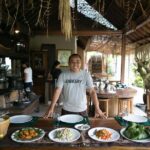
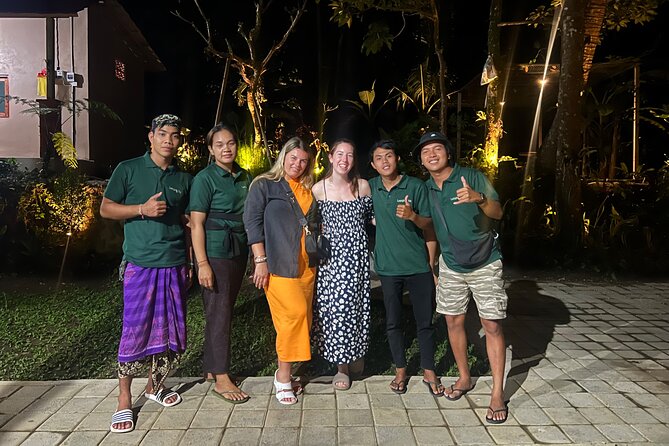
The cooking part is led by a Balinese chef, and the experience also benefits from the people driving and guiding you through the day. In reviews, I saw Putri praised as a delightful teacher who helps the class feel welcoming and clear. Another review mentions Ron as a standout part of the experience.
This is worth noting because a cooking class is only as good as its pace and communication. When the guide and chef are warm and responsive, you’re more likely to ask questions about spice grinding, substitutions, or what makes a dish taste Balinese.
Also, one driver example included making an extra stop at the request of the group and answering questions about local culture. That’s the kind of flexibility that keeps the day feeling personal, even though it’s scheduled.
Timing, Weather, and What to Wear in Ubud
The class runs about 5 hours. That’s long enough to harvest, cook, and eat without draining your whole Bali day. It’s short enough that you can still plan other activities afterward.
Weather matters here. The experience notes that it requires good weather, and if it’s canceled due to poor weather, you’ll be offered a different date or a full refund. So if you’re booking for a day when your schedule is tight and weather is unpredictable, consider building in some buffer.
What to wear: comfortable clothes you don’t mind getting spice-scented and possibly a little messy. You’ll be working near ingredients and likely handling kitchen steps that get hands involved. Even with an apron, you’ll feel more comfortable in clothes made for real work.
Who Should Book This Ubud Balinese Cooking Class?
This class is ideal if you want your Bali trip to include something that’s both useful and meaningful. You’ll enjoy it most if you:
- Like food experiences that include culture and context, not just cooking steps
- Want to learn techniques like pounding spices rather than only following a recipe
- Prefer small groups where you can ask questions
- Want either vegetarian options or a tailored menu choice
It’s also a strong pick for couples and families. Reviews include a father/mother/son group enjoying the day together, which suggests the pacing works for different ages—especially if everyone’s curious and ready to participate.
If you’re only looking for a quick taste and photos, you might find this class too hands-on. But if you want to leave with flavors you can re-create, you’re in the right place.
Should You Book It? My Straight Answer
Yes—if you care about doing cooking that makes sense, not cooking that just fills time. The best reasons to book are the full sequence: market option, home visit, farm harvest, then a chef-led cooking session with traditional technique like lesung, followed by lunch and a recipe PDF.
The one reason to pause is your weather tolerance and the fact you’re committing about 5 hours in a countryside setting. If you’re flexible and you’re staying in Ubud (or can plan for extra pickup costs from outside Ubud), this is a solid, value-packed day.
FAQ
FAQ
What’s included in the Balinese cooking class?
It includes pick up and drop off in the Ubud area, lunch, bottled water, coffee and/or tea, an air-conditioned vehicle, a recipe (PDF), cooking utensils, and an apron.
How long is the cooking class in Ubud?
The experience runs for about 5 hours.
Is there a market visit?
Yes, the morning class includes a visit to a traditional market where you can buy spices from the local market.
Can I choose a vegetarian menu?
Yes. The class offers a variety of menu options, including vegetarian and regular choices.
How big is the group?
The tour has a maximum group size of 15 travelers.
Do I need to pay extra if I’m staying outside Ubud?
Yes. Extra charges are listed by area: Sanur $400k/car, Kuta/Seminyak/Canggu $450k/car, Nusa Dua and Jimbaran $550k/car, and Uluwatu $700k/car.
What happens if the weather is bad?
The experience requires good weather. If it’s canceled due to poor weather, you’ll be offered a different date or a full refund.
What’s the cancellation policy?
You can cancel for a full refund up to 24 hours in advance of the experience start time. If you cancel less than 24 hours before, the amount paid is not refunded.