REVIEW · MARRAKESH
Vegetarian and vegan cooking class
Book on Viator →Operated by Dounia Alaoui · Bookable on Viator
Cooking in Marrakech feels like a shortcut to the real country. You’ll shop ingredients in the old souk, then cook Moroccan favorites at a family home right in the medina. I like how it mixes hands-on cooking with the comfort of a warm, local kitchen.
Two things I especially like: the chance to learn practical technique (not just follow steps), and the fresh mint tea ritual at the end. The menu can be 100% vegan for your group, even though the class isn’t guaranteed to be solo-vegan with everyone cooking the same thing.
One thing to consider: the overall class can be mixed, so you might share space with people cooking non-veg dishes. Also, one past participant flagged that the cutting boards weren’t clean enough, so if that matters to you, say something early.
In This Review
- Key Things You’ll Notice
- Finding Dounia’s Medina Kitchen Near Bab Doukkala
- The Old Souk Run: Why This Part Is the Whole Point
- How the Cooking Class Actually Flows in 3 Hours
- Moroccan Tagine and Starters: Learning Techniques, Not Just Recipes
- Tea Time in Marrakech: Mint Green Tea the Right Way
- Mixed Class Reality: Staying Confident About Your Vegan Plan
- Price and Value: What You’re Paying For (and What You’re Not)
- Practical Tips to Get the Most Out of Your Time
- Who This Cooking Class Suits Best
- Should You Book This Vegan-Friendly Cooking Class in Marrakech?
- FAQ
- FAQ
- Where is the meeting point for the cooking class?
- How long does the cooking class take?
- Is this a vegan-only class?
- What’s the group size limit?
- Will we visit the souk during the class?
- Can the host adapt the class for allergies or dietary requirements?
- What is the cancellation policy?
Key Things You’ll Notice
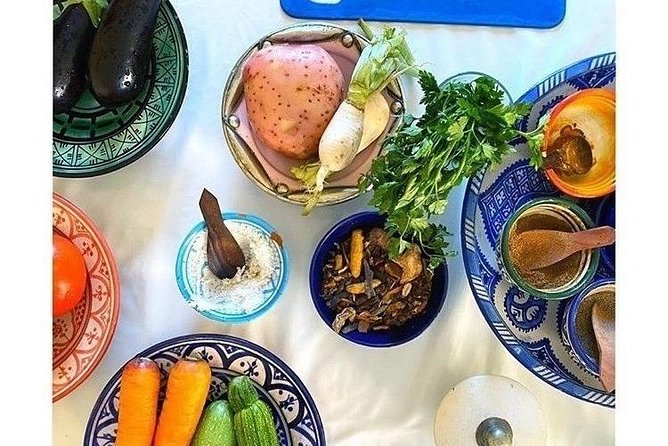
- Old souk shopping first to choose fresh produce, spices, and pantry basics
- Max 8 people means more attention while you’re chopping, mixing, and cooking
- Vegan menu for your cooking time with traditional Moroccan flavors and methods
- Mint green tea together so you get the full Moroccan hosting experience
- Hosts who adapt to dietary needs if you tell them allergies or preferences up front
- Spice purchase option so you can take flavors home without hunting them later
Finding Dounia’s Medina Kitchen Near Bab Doukkala
Your class starts at Mosquée Bab Doukkala (Bab Doukkala, Marrakech 40000). This is one of those meeting spots that helps you avoid the classic Marrakech stress of wandering in circles with your phone dying in your hand.
Once you’re there, you’ll head out to buy ingredients with your guide. The early walk matters because Marrakech cooking isn’t just recipes—it’s also about choosing what looks good that day.
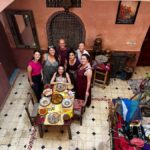
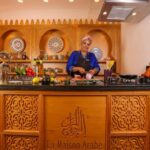
The host is Dounia Alaoui, and you may also meet other family hosts like Kawtar and Khimsa, depending on the group. From the way the class is run, it feels less like a studio demo and more like being folded into someone’s home routine.
You can also read our reviews of more tours and experiences in Marrakesh.
The Old Souk Run: Why This Part Is the Whole Point
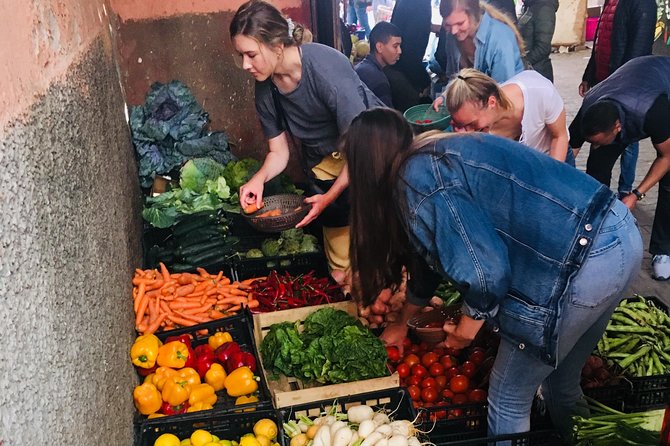
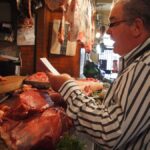
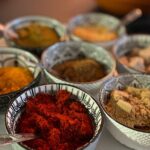
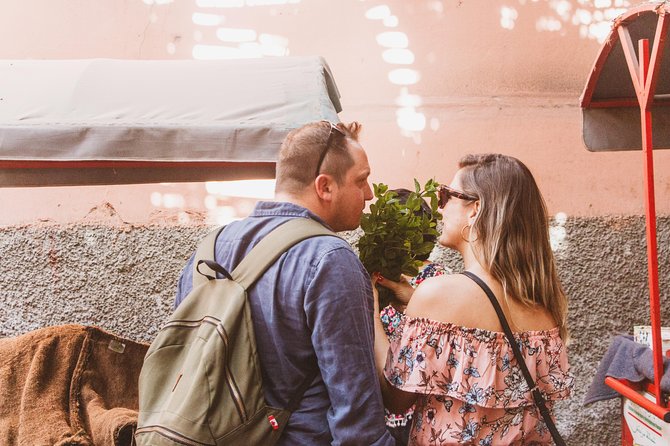
You’ll go to the old souk to buy the fresh ingredients you’ll cook with. You’re not just window shopping. You’ll see (and usually taste-test through the choices) how spices, vegetables, and herbs drive Moroccan flavor.
This is a small but powerful value add. In a restaurant, you pay for the final dish. In the souk, you learn what makes it work—like which herbs smell sharp, which spices feel fragrant instead of stale, and how produce holds up in cooking.
It also makes the class feel less “copy this recipe” and more “understand how the dish gets built.” Even if you cook at home already, seeing the ingredient logic in context is the difference.
How the Cooking Class Actually Flows in 3 Hours
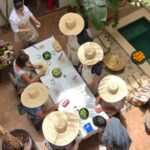
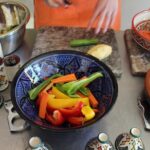
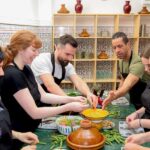
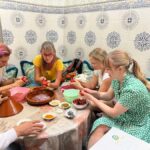
After the souk stop, you return to Dounia’s house in the heart of the medina. Then the real work begins: step-by-step preparation of typical Moroccan dishes, guided by your hosts.
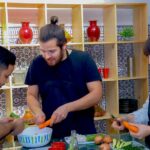
This setup usually works best when you’re willing to be a little active. Expect chopping, mixing, and learning the “why” behind steps, not just the “what.” The class is also short enough that you won’t feel stuck in a long lecture.
The group size is capped at 8 people, which is a big deal for cooking classes. Smaller groups mean less waiting for your turn and more chance to ask questions when something doesn’t behave the way you expected.
Also note the class isn’t positioned as exclusive vegetarian-only. You may cook vegan/vegetarian, but other participants might cook other menus at the same time. That doesn’t ruin the experience—it just affects how “like-minded table” you’ll feel.
Moroccan Tagine and Starters: Learning Techniques, Not Just Recipes
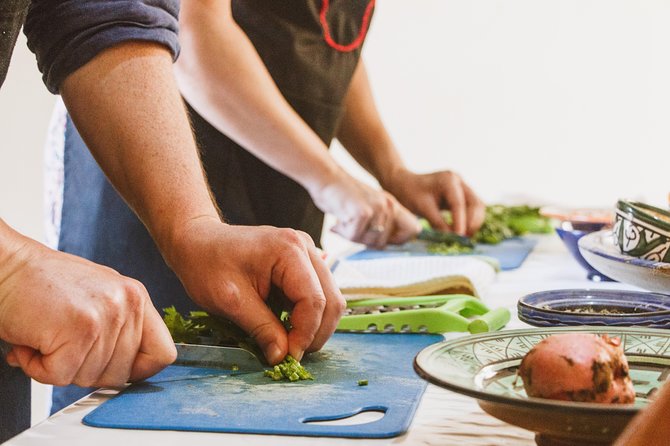
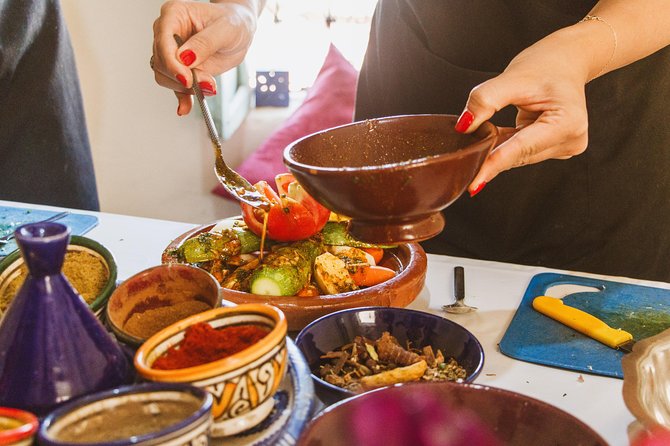
The menu can include a vegetarian tagine (and in your case, it can be 100% vegan). You’ll also likely make Moroccan starters, plus something sweet to end the meal.
What I like about this style is that it teaches technique you can reuse. For example, tagine cooking is about more than the tagine pot. It’s about timing, how ingredients release moisture, and how spices bloom once heat hits them. When you learn the rhythm, you can recreate the dish later without copying measurements blindly.
You may notice the class doesn’t talk only about final flavor. It also focuses on process: how to handle spices, how to layer flavors, and how to keep things tasting balanced. Past participants specifically praised the hosts for clear instructions and accommodating different skill levels. That usually means beginners aren’t left behind and experienced cooks still get useful coaching.
If you care about vegan accuracy, be ready to ask one follow-up question. One person mentioned that dessert may not have been vegan in their group, even though the rest of the menu aligned. So if vegan dessert is a must, tell Dounia or the host at the start and confirm before you commit.
Tea Time in Marrakech: Mint Green Tea the Right Way
After cooking, you’ll prepare Moroccan mint green tea together. This part often becomes a favorite because it shifts from heat and chopping to a slower, social pace.
Mint tea in Morocco isn’t just a drink. It’s a hosting ritual, and doing it hands-on helps you understand why it tastes the way it does—especially the balance between mint freshness and tea strength.
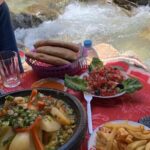
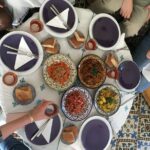
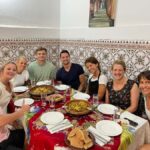
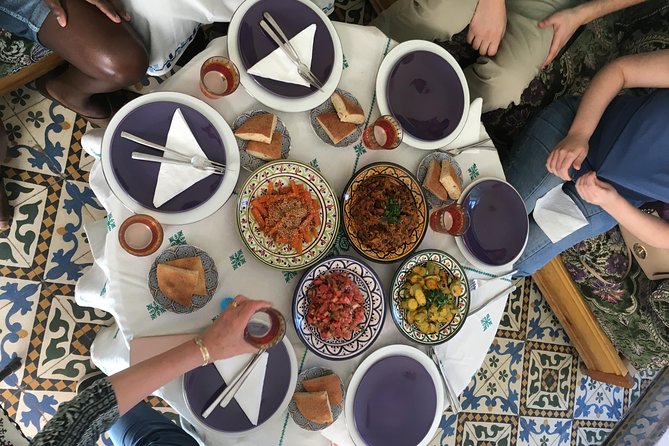
You’ll enjoy your meal together after the tea. That’s when the whole experience clicks: you’ve built the flavors yourself, then you get to relax and eat them without rushing back out into the street.
Mixed Class Reality: Staying Confident About Your Vegan Plan
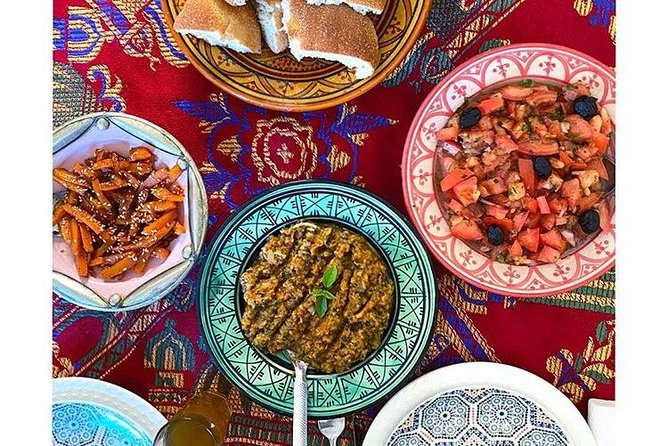
Here’s the honest part. The class may be described as vegetarian and vegan, but it’s not guaranteed that everyone in the room is cooking exactly the same menu. Your group can still be set up with a vegan menu, while others cook something else.
So if your priority is being fully surrounded by vegan-only cooking, you’ll want to manage expectations. The upside: you still learn Moroccan vegan technique with strong guidance and shared meal time.
If being strictly vegan matters for you—especially for sauces, butter, honey, gelatin, or dessert—tell the host up front. Dounia explicitly says she can adapt the class to allergies and dietary requirements, so this is where you get control.
Price and Value: What You’re Paying For (and What You’re Not)
At $44.32 per person for about 3 hours, the value comes from three things you don’t get from most “quick” food activities:
- You shop for ingredients in the old souk, which is half the lesson.
- You cook the food, not just watch it.
- You eat the results with Moroccan mint tea.
This pricing tends to make sense when you compare it to paying separately for a market experience plus a cooking meal plus tea. The class format bundles it into one guided block inside the medina.
It also helps that the group stays small (up to 8). Smaller groups usually mean better instruction, which is what you want when you’re trying to learn technique you can repeat at home.
Practical Tips to Get the Most Out of Your Time
Marrakech medina walking is real. Wear shoes you trust. Bring a light layer since the streets can shift from sun to shade quickly.
Before you go, decide what you need to communicate clearly:
- Allergies or avoidances (especially dairy or eggs, if you’re vegan)
- Whether vegan dessert is required
- Any spice sensitivity
Dounia says she’s happy to adapt to allergies, dietary requirements, and preferences, so it’s worth being specific instead of hoping it gets read between the lines. If you want to be extra safe, confirm your restrictions again when you sit down for the meal.
Also, don’t skip the tea part. If you treat it like a side quest, you’ll miss the hosting culture that makes Moroccan meals feel different from Western classes. The shared tea and sitting together is part of the payoff.
Who This Cooking Class Suits Best
This experience is a strong match if you want:
- A hands-on Moroccan cooking session with vegan/vegetarian focus
- The ingredient-learning bonus of a souk visit
- A small-group setting where you can ask questions
- A relaxed family-home atmosphere right in the medina
It’s also a good choice if you’re traveling with mixed dietary needs. Even if other people cook non-veg dishes nearby, you’re still cooking vegan/vegetarian Moroccan food and eating together.
The one group it may not suit perfectly is someone who needs a strictly vegetarian or strictly vegan room with no cross-menu mixing at all. If that’s you, message ahead and confirm how the group is arranged for your date.
Should You Book This Vegan-Friendly Cooking Class in Marrakech?
Yes, I think you should book it if you want a practical taste of Moroccan cooking that you can actually repeat. The combination of old souk ingredient shopping, guided cooking in a real home, and finishing with mint green tea is a clean, memorable format for the time (about 3 hours).
Book it especially if you care about technique and spice logic, not just eating a good meal. And if vegan accuracy is non-negotiable—especially for dessert—ask Dounia to confirm details before you start cooking.
FAQ
FAQ
Where is the meeting point for the cooking class?
The class meets at Mosquée Bab Doukkala in Marrakech, at Bab Doukkala, Marrakech 40000, Morocco.
How long does the cooking class take?
It runs for about 3 hours.
Is this a vegan-only class?
The menu you cook can be 100% vegan, but the experience is not exclusive vegetarian/vegan, so other people may join to cook different menus.
What’s the group size limit?
The experience has a maximum of 8 travelers.
Will we visit the souk during the class?
Yes. You’ll start with a trip to the old souk to buy fresh ingredients.
Can the host adapt the class for allergies or dietary requirements?
Yes. Dounia says she can adapt the class for allergies, dietary requirements, and preferences if you share special requests.
What is the cancellation policy?
You can cancel for a full refund up to 24 hours before the experience starts. If you cancel within 24 hours of the start time, the amount paid isn’t refunded.