REVIEW · CHIANG MAI
Chiang Mai Home Cooking Class with Garden Tour & Hotel Transfers
Book on Viator →Operated by Traveling Spoon · Bookable on Viator
Garden-to-dinner is the point here. I love starting with fresh ingredients from Pea’s lush home garden, and I love the smooth hotel pickup and drop-off that makes a cooking class feel effortless. This is also very hands-on, and you’ll cook four dishes with clear guidance—but the class pace can feel a bit split between you and helpers, so if you want maximum chopping and prepping time, plan to speak up.
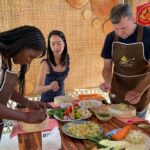
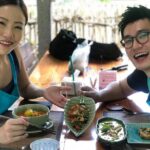
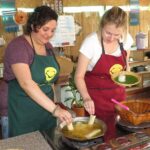
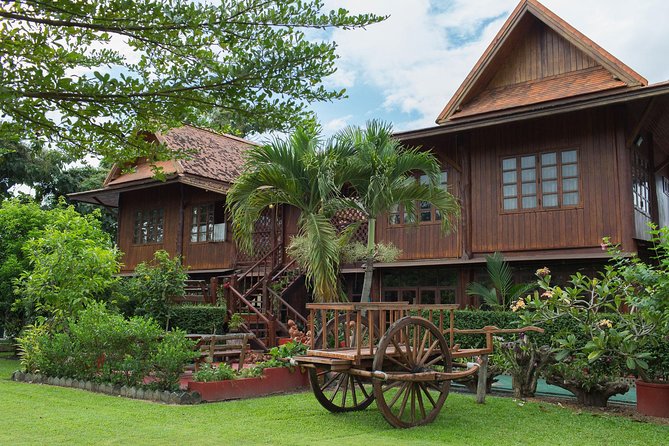
The heart of the experience is Pea’s traditional teak home kitchen and her relaxed, personal teaching style. You choose a lunch or dinner slot, and you’ll finish by eating what you cooked at the family table, often with local beer and a sweet finish like mango sticky rice or coconut-based dessert.
If you’re traveling with dietary needs, this one is unusually accommodating. Vegetarian, pescatarian, vegan, and gluten-free options are available, as long as you tell them at booking. One more consideration: keep your confirmation details handy—some third-party booking mixes can create avoidable stress on the day.
In This Review
- Key Things to Know Before You Go
- A Teak-Home Kitchen With a Chiang Mai Garden Stop First
- Garden Walk and Herb Lessons: Where Miang Kham Starts
- Hands-On Cooking: Four Dishes, Real Techniques, Clear Guidance
- About that “hands-on” feeling
- What You’ll Eat: Family-Table Lunch or Dinner With Beer
- Dietary needs are handled up front
- Price and Value: Does $109 Hold Up?
- Your Hosts: Pea and John Set the Tone
- Who This Class Is Best For (and Who Might Hesitate)
- Practical Tips to Get More From Your Cooking Class
- Should You Book This Chiang Mai Home Cooking Class?
- FAQ
- How long is the Chiang Mai Home Cooking Class?
- Do you offer hotel pickup and drop-off in Chiang Mai?
- Can I choose a lunch or dinner time slot?
- What dishes will I cook?
- Are vegetarian or other dietary options available?
- Is this a private tour?
- Is there free cancellation?
Key Things to Know Before You Go
- Garden start, not a market scramble: You begin by selecting ingredients and learning how key Thai herbs are used.
- Pea’s teaching feels personal: This is a private experience, so the pace can be shaped to your group.
- Four Thai-Chinese dishes from scratch: Expect classics like miang kham (betel leaf snack) plus curries, stir-fries, and noodle dishes.
- A real family-table meal at the end: You eat what you make, with local beer and a sweet finish.
- Comfortable transfers from central hotels: Pickup and drop-off make the lesson easy to fit into a packed Chiang Mai schedule.
- Food tools you might actually use at home: One standout detail is that Pea may send you home with a useful prep item, like a grater that’s hard to find in some countries.
A Teak-Home Kitchen With a Chiang Mai Garden Stop First
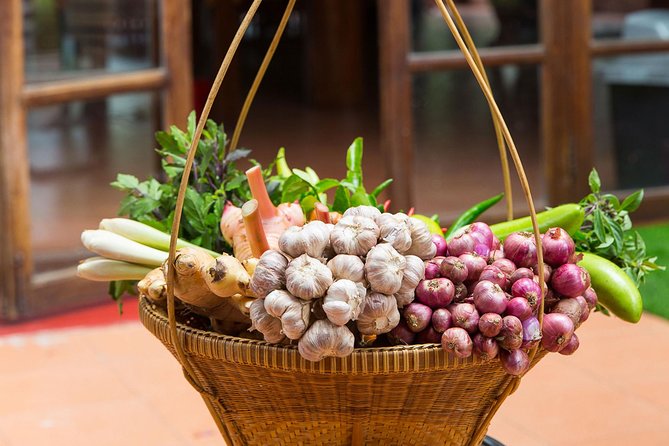
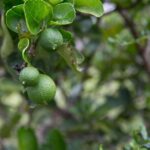
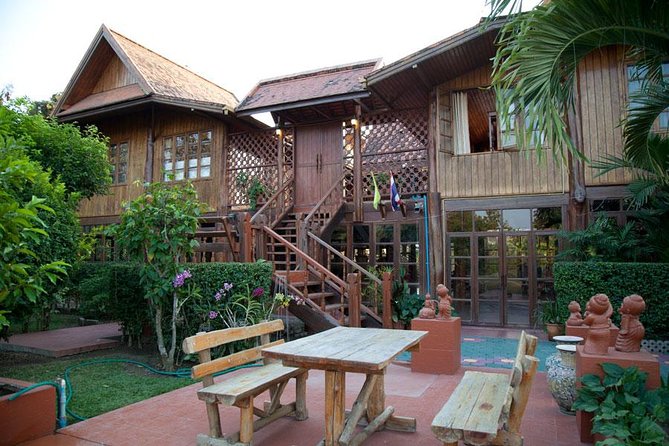
What makes this Chiang Mai cooking class different is the order of operations. You don’t just jump into a recipe. You begin with the living ingredients—vegetables and herbs grown right at the home—so you understand what Thai-Chinese cooking tastes like at the source.
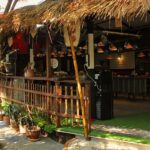
Pea’s house setting matters for the vibe. A teak home feels like the real Chiang Mai you don’t always get on a tour bus. It’s quieter, more residential, and less like a “show kitchen.” That shift changes how the cooking feels: you’re learning a process, not copying a performance.
The hotel transfers also remove a big headache. In Chiang Mai, you’ll burn less time figuring out rides and more time enjoying the experience. You’ll usually get picked up from centrally located hotels, then driven a short distance to Pea’s home.
You can also read our reviews of more tours and experiences in Chiang Mai.
Garden Walk and Herb Lessons: Where Miang Kham Starts
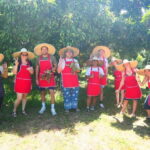
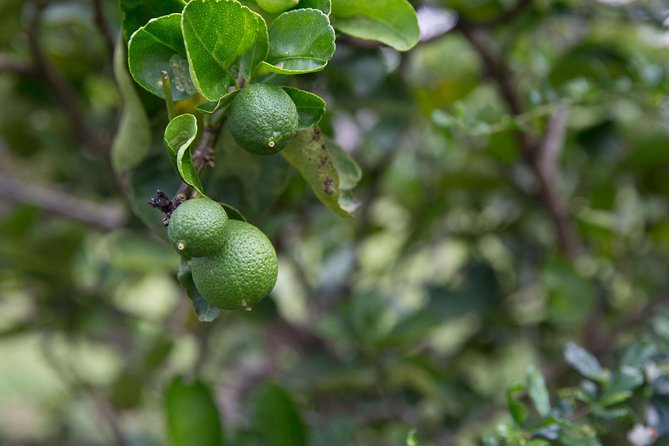
Before the stove comes on, you’ll take a garden tour and learn the basics behind Thai herbs. Even if you’re not an herb person, you’ll likely pick up how to identify flavors quickly—what to smell, what to taste carefully, and how herbs behave when heated or pounded.
This is also where your first iconic dish becomes more understandable. The class commonly includes miang kham, a betel leaf snack with a bold mix of fillings and sauces. When you see and handle ingredients that go into something like miang kham, it stops being mysterious and starts becoming repeatable at home.
One practical plus: you’ll learn not only what goes into the dish, but the key steps that help the flavors line up. That’s the difference between eating Thai food and making it.
Hands-On Cooking: Four Dishes, Real Techniques, Clear Guidance
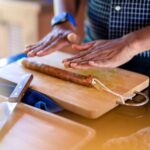
You’ll cook four dishes from scratch with Pea’s guidance. The exact selection can vary, but the class centers on Northern Thai cooking with a Thai-Chinese touch. Think of it as a blend: familiar Thai flavors, with a style that leans into sauces, stir-fry rhythm, and balanced bite.
The menu you’ll likely cover includes:
- Miang kham (betel leaf snack)
- Bold curries
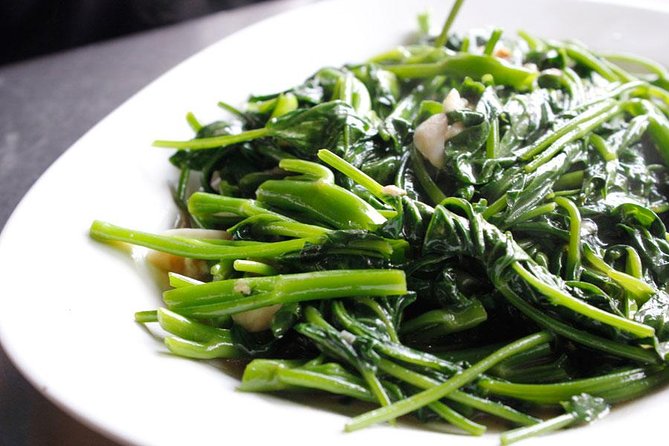
- Stir-fried vegetables
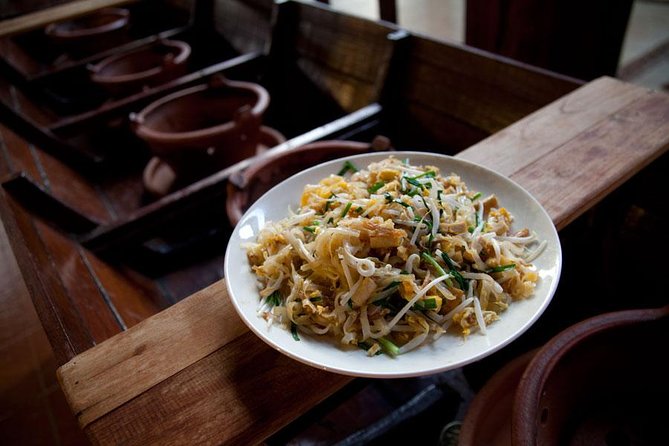
- Rice noodle dishes
- A sweet course at the end (often something coconut- or mango-based)
The teaching style is designed for accuracy. One thing that comes up in feedback is that the instruction is clear and easy to follow, which matters a lot in Thai cooking where timing can be everything—especially with curry depth, noodle texture, and crisp-tender stir-fry.
Also keep an eye out for a detail you’ll appreciate later at home. Pea may even provide a tool, like a grater that can be hard to find elsewhere, so you can recreate the prep steps without improvising.
About that “hands-on” feeling
A small caution based on feedback: some people want more time doing all the prep themselves. This is still a cooking class, but it’s a household kitchen and there may be some ingredient preparation handled by assistants. If you’re the type who loves chopping herbs and doing every step, ask Pea how the timing works for your group—then lean in.
What You’ll Eat: Family-Table Lunch or Dinner With Beer
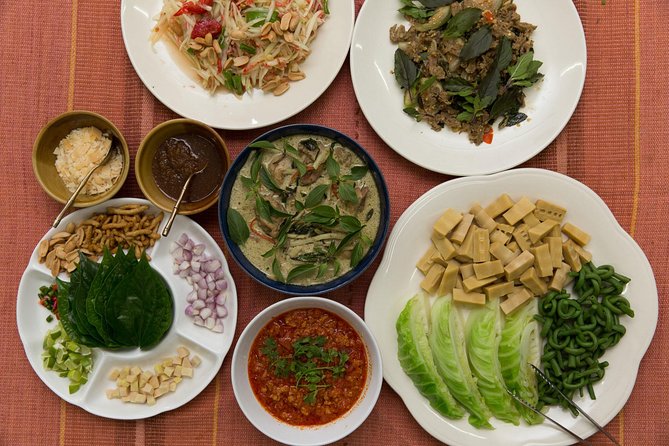
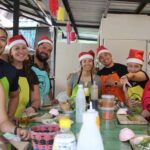
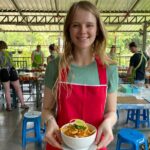
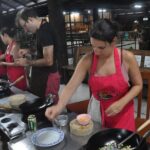
After cooking, you sit down and eat what you made. That family-table meal is a big part of why this works as more than just a kitchen workshop. You’ll get the satisfaction of tasting your own curries, stir-fries, and noodle dishes while the flavors are fresh in your mind.
Many classes like this offer a meal, but this one ties the meal to the garden-to-kitchen story. When you taste it, you’ll notice how the herbs you learned earlier show up in the finished food. That little connection helps you remember what matters.
Local beer is also part of the meal. It’s not required, but if you want it, it’s included with the dining experience. Then comes the sweet finish, commonly mango sticky rice or a creamy coconut ice cream-style dessert.


Dietary needs are handled up front
If you’re vegetarian, pescatarian, vegan, or gluten-free, you can arrange it in advance. The key is to tell them your needs at booking so Pea can adjust the dishes properly rather than treating restrictions like an afterthought.
Price and Value: Does $109 Hold Up?
At $109 per person, this could sound steep if you think of it as simply “a Thai cooking class.” But it’s not just cooking. You’re paying for several things that add real value:
- Private, one-to-one attention (your group only)
- Hotel pickup and drop-off
- Ingredients (including organic garden-based produce)
- A full meal based on what you cook (often with local beer)
- Recipe-focused guidance designed to help you reproduce dishes at home
When you stack those up, the price starts to make sense. Especially if you’re budgeting time rather than just money. In a city like Chiang Mai, convenience can be worth a lot—getting transport handled means you can spend the day doing the thing you came for.
There’s also a long-term value angle. If you leave with techniques you can repeat—and possibly a prep tool like that grater—it turns the class into a future cooking win, not a one-day memory.
Your Hosts: Pea and John Set the Tone
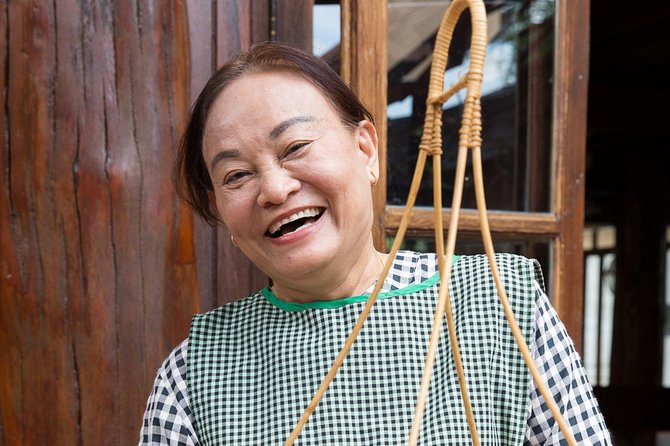
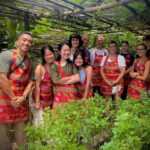
One of the most praised parts of this experience is the warm welcome. Pea is the main teacher, and her son John often supports the process with the pickup and travel side, plus recommendations and friendly help once you arrive.
That family energy changes how you learn. Cooking classes can be stiff when the teacher is more focused on delivery than on your comfort. Here, the tone tends to be open and welcoming, which makes it easier to ask questions while you cook.
If you like a classroom where you can actually talk through problems—too salty, too thick curry, noodle timing—this setup is built for that.
Who This Class Is Best For (and Who Might Hesitate)
This cooking class fits best if you want something more grounded than a restaurant meal.
You’ll probably love it if:
- You like Thai food enough that you want to cook it, not just taste it
- You want a home setting and garden-to-kitchen ingredients
- You’re traveling as a couple, a family, or a small group and prefer private attention
- You need dietary options handled in advance
You might hesitate if:
- You want to do every prep step yourself with no assistant involvement
- You expect a fast-paced market-style lesson. This isn’t that. It’s slower, more instructional, and garden-first.
Practical Tips to Get More From Your Cooking Class
Here are a few ways to make the day go smoothly without overthinking it:
- Choose your slot based on your appetite. Lunch vs dinner can affect how hungry you feel during cooking. Go when you’ll have energy for the full meal afterward.
- Share allergies and restrictions early. The class offers vegetarian, vegan, gluten-free, and other options, but it only works well if the kitchen knows what to adjust.
- Take notes on sauces and timing. Thai curries and noodle dishes rely on small shifts. Writing down what you did when something changed will help a lot later.
- Be ready to taste as you go. The best cooks adjust while cooking. If Pea prompts you to taste or adjust, follow it.
Should You Book This Chiang Mai Home Cooking Class?
I’d book it if you want a genuine Chiang Mai home-food experience: garden ingredients, a private class, and the chance to eat the results on the spot. The hotel transfers and the included meal add up to real convenience, and the cooking instruction seems built for practical learning, not just entertainment.
I’d think twice if you’re extremely sensitive to how much of the prep you personally do. If hands-on chopping time is your top priority, message your expectations when you book, and plan to ask Pea how your group’s prep time is handled.
If you want Thai-Chinese cooking you can recreate—and you like the idea of learning from Pea and John in a home kitchen—this one is a strong choice.
FAQ
How long is the Chiang Mai Home Cooking Class?
The experience lasts about 3 hours 30 minutes.
Do you offer hotel pickup and drop-off in Chiang Mai?
Yes. Pickup and drop-off are provided from centrally-located hotels.
Can I choose a lunch or dinner time slot?
Yes. You can choose a lunch or dinner slot depending on your schedule.
What dishes will I cook?
You’ll prepare four dishes from scratch, guided by Pea. The class typically includes dishes like miang kham, plus curries, stir-fried veggies, and rice noodle dishes.
Are vegetarian or other dietary options available?
Yes. Vegetarian, pescatarian, vegan, and gluten-free options are available. You should advise your needs at booking.
Is this a private tour?
Yes. It’s a private tour/activity, meaning only your group participates.
Is there free cancellation?
Yes. You can cancel for free up to 24 hours in advance for a full refund.