REVIEW · JAIPUR
Large Group / Family Vegetarian Cooking Class in Jaipur with an Expert Home Cook
Book on Viator →Bookable on Viator
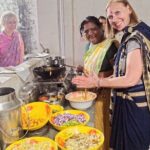
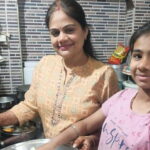
Cooking in a real Jaipur home changes everything. I love the hands-on format with Shalini and her mother-in-law, and I also love that you don’t just learn then leave—you sit down and eat with the family at their dining table. You’ll likely make several Rajasthani vegetarian dishes side by side with clear instruction, not watch from afar. One consideration: it’s a home-kitchen experience, so the pace and space feel practical rather than classroom-polished.
For about 3 hours, you’ll follow along to cook 4–5 dishes (plus other foods prepared ahead), then share a full meal with your group. The biggest value is the warmth people talk about—welcoming you, helping with directions, and making the experience feel personal. Just know the class is focused on vegetarian Indian cooking, so if you’re hunting for seafood or meat techniques, this isn’t that kind of day.
In This Review
- Key Things to Notice Before You Book
- Why Shalini’s Jaipur Kitchen Feels Like a Genuine Local Experience
- The Dishes You’ll Cook: Rajasthani Vegetables, Lentils, and Two Breads
- What the 3 Hours Look Like (And How the Home-Kitchen Timing Works)
- The Cooking Lessons That Actually Translate to Your Kitchen
- The Feast at the Dining Table: What You Eat and Why It Matters
- Price and Value in Jaipur: What $50 Gets You
- Who Should Book This Jaipur Vegetarian Cooking Class
- Practical Tips for a Smooth, Comfortable Class
- Should You Book This Cooking Class in Jaipur?
- FAQ
- Where does the cooking class start?
- How long does the experience last?
- How many dishes will I cook?
- What vegetarian dishes might I make?
- Do I eat what I cook?
- Who teaches the class?
- Is this a private experience?
- What ticket do I receive?
- When will I receive confirmation after booking?
- Is there free cancellation?
Key Things to Notice Before You Book
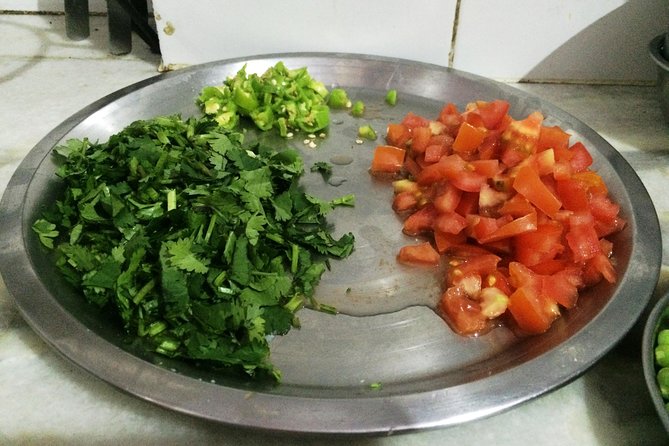
- Learn 4–5 traditional Rajasthani vegetarian dishes in a hands-on kitchen setting
- Cook alongside Shalini and her mother-in-law with practical, step-by-step guidance
- Make breads like rotis and mattar paratha as part of the meal
- Expect a shared sit-down feast, including dishes prepared in advance
- Small, private feel since only your group participates
Why Shalini’s Jaipur Kitchen Feels Like a Genuine Local Experience
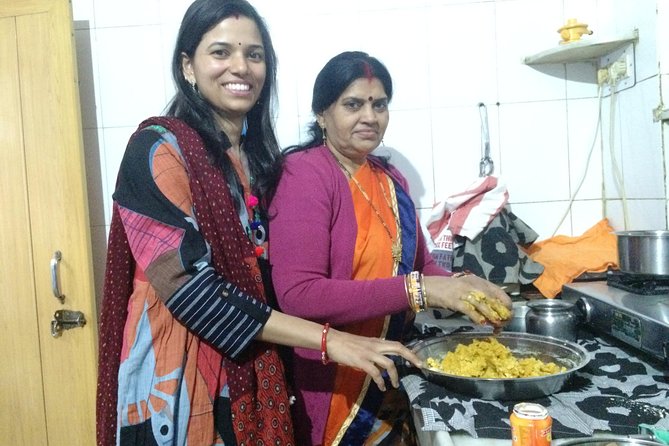
This isn’t one of those cooking classes that feels like a show. The setting matters. You’re in a family home in Jaipur, and the teaching happens where regular meals get made. That changes the vibe fast: you’re not just learning recipes, you’re picking up how home cooks think—what comes first, when to adjust spices, and how to build flavor without overcomplicating it.
The other big win is the family aspect. The experience is built around shared time at the table, so you end up meeting the people behind the food. In the reviews, the welcome shows up again and again: getting help with directions and being treated like more than a ticket number. You also get a glimpse of day-to-day life through conversation, including time spent with family members.
The food is vegetarian and rooted in Rajasthan. That’s not a random choice. Rajasthan cuisine leans into vegetables, lentils, and bold spices, so you’ll leave with a menu you can actually replicate at home.
You can also read our reviews of more tours and experiences in Jaipur.
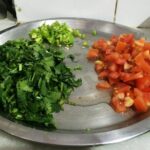
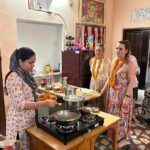
The Dishes You’ll Cook: Rajasthani Vegetables, Lentils, and Two Breads
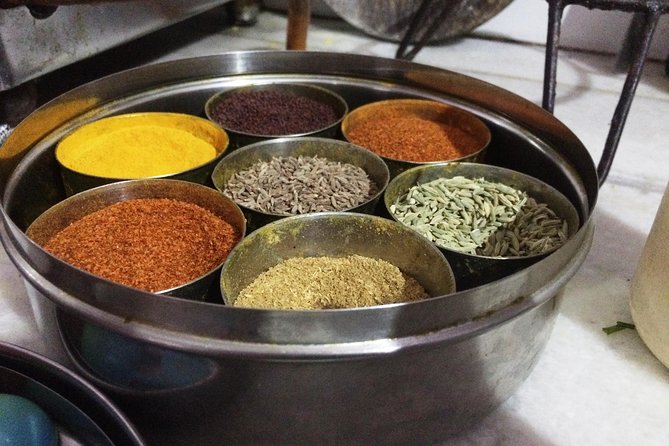
You can expect to cook 4–5 traditional Rajasthani dishes during the class. The exact menu can vary, but the lineup commonly includes a mix of seasonal vegetables and classic Rajasthan favorites. Based on what’s listed for the experience, you might make:
- Baingan ka bharta: spiced, mashed eggplant
- Panchmel ki sabzi: a five-vegetable dish
- Masala bhindi (okra) or another seasonal vegetable like gourd
- Dal (lentils)
- Rotis and mattar paratha (a peas-stuffed flatbread)
What I like about this spread is that it covers different cooking styles. Eggplant bharta teaches how to handle a smoky, mash-and-spice base. Panchmel ki sabzi gives you practice with multiple vegetables working together. Bhindi or gourd helps you learn how to cook vegetables with spices so they stay flavorful, not soggy. Then dal anchors the meal with protein and depth. Finally, the breads turn it into a complete Rajasthan plate—no side quest for bread at a nearby shop.
You’ll also eat more than what you cook. The meal includes other dishes prepared by Shalini and her family in advance, so you’re not stuck doing everything alone just to fill the table.
What the 3 Hours Look Like (And How the Home-Kitchen Timing Works)
The experience runs for about 3 hours, and it starts and ends back at the meeting point. Practically, here’s how the flow usually plays out in a home cooking class like this.
First, you meet at Krishna Residency, H-31, Hem Marg, Ganesh Nagar, Ramnagar, Jaipur, Rajasthan 302019, India. Then you move into the kitchen area where cooking starts. In many Rajasthan homes, the kitchen is where everyone passes through, so you’ll likely be guided through the process in the most efficient way possible—ingredients first, then cooking in a rhythm that makes sense for the family schedule.
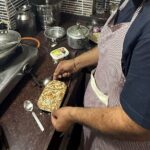
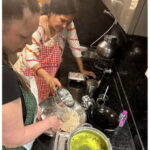
Then comes the teaching part: you follow along as Shalini and her mother-in-law guide you through making your 4–5 dishes. Expect some mix of chopping, prepping, sautéing, spicing, and assembling—depending on the dish. The class isn’t just about taste; it’s about getting your hands involved. That’s where the learning sticks.
Toward the end, you’ll shift from cooking to eating. You and your group sit down together, and you get a full meal experience rather than a quick tasting. This is also when you’ll benefit from the extra dishes prepared ahead—so the table isn’t only the things you made while learning.
The Cooking Lessons That Actually Translate to Your Kitchen
The best part of a good class is whether it helps you cook later, not just during the event. This one scores well on that front because the instruction focuses on technique. In the reviews, you’ll see the same theme: Shalini shares practical tips and tricks for making curry from scratch, not vague advice.
What you’re likely to learn here is the logic behind Indian spice cooking: how to time flavors, how to build a base for a curry or masala, and how to balance a dish so it tastes right, not just spicy. Even if you’ve cooked Indian food before, watching a home cook work through vegetables and lentils in a real kitchen setup can tighten up your method.
Also, breads matter. Rotis and mattar paratha aren’t hard to find, but they’re hard to master from generic instructions. In this class, you’re shown during the process as part of the overall meal. That means you’re not practicing bread like a separate hobby—you’re making it for the plate you also cooked.
The Feast at the Dining Table: What You Eat and Why It Matters
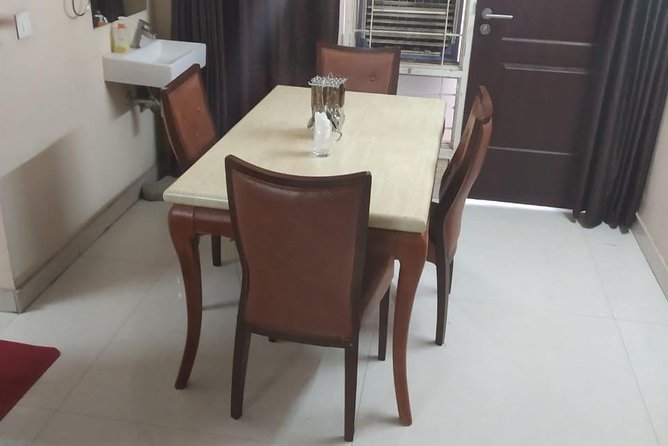
A cooking class should end with food that feels like a meal, not a snack. Here, the format is designed for a shared dinner. You sit down with your group and the family, so you get to enjoy what you cooked and what they cooked in advance.
This matters for two reasons:
- You understand the full combination. In vegetarian Rajasthan meals, dishes work together—dal balances vegetables, breads handle sauces, and the spice level needs to make sense across the whole plate.
- You get context. Eating with the hosts turns the recipes into lived habits. You’ll likely notice how they talk about dishes and how they approach serving.
In the reviews, people highlight that the vegetarian dishes were delicious across the board, not just one standout plate. That’s a good sign. It suggests the class aims for a complete, satisfying meal rather than a strict lesson where everything else is rushed.



Price and Value in Jaipur: What $50 Gets You
At $50 per person for about 3 hours, this isn’t a budget “just watch me cook” experience. It’s priced like what it is: a home-based class with an expert host, a family meal, and time spent learning multiple dishes.
Where the value shows up:
- You cook multiple dishes (4–5) and then eat a full spread.
- The host is actively teaching in her home kitchen, led by Shalini with support from her mother-in-law.
- You get a private feel since only your group participates.
If you usually end up paying more for cooking classes that are more scripted or less hands-on, this one tends to feel fair because the payoff is both skills and dinner.
It also fits well if you want something different from the standard Jaipur sightseeing loop. You’re doing an experience that doesn’t just sit on your photo roll. It gives you a takeaway: recipes and technique you can use again.
Who Should Book This Jaipur Vegetarian Cooking Class
This is a strong fit if you want:
- A vegetarian-focused cooking experience centered on Rajasthan
- A class that feels hands-on and interactive
- A cultural meal experience where you sit with a family, not just a group of strangers
It also works for different travel styles. A solo traveler can appreciate the clear structure and the chance to talk. Couples can enjoy the shared activity and sit-down meal together. Families might like the real-home vibe, especially since the experience is built around people and conversation.
If you’re short on time in Jaipur, 3 hours is workable. If you’re allergic or avoiding certain ingredients, you should plan to ask directly, because the exact menu can include seasonal vegetables.
Practical Tips for a Smooth, Comfortable Class
A few practical notes to make your day easier:
- Wear clothing you don’t mind getting a little warm or smelling like spices. Home kitchens run on cooking heat.
- Come ready to taste, adjust, and ask questions. This kind of class rewards curiosity.
- If you’re unsure about navigating Jaipur, give yourself margin for the start point at Krishna Residency. The reviews mention help with directions, so don’t be shy about contacting the host if needed.
- Since the meal includes dishes prepared in advance, plan to arrive hungry and expect to enjoy a proper dinner.
Should You Book This Cooking Class in Jaipur?
I’d book it if your goal is to leave Jaipur with more than memories. You’ll learn vegetarian Rajasthani dishes you can actually cook again—especially if you care about vegetables, lentils, and breads like rotis and mattar paratha. The warm family welcome and the shared dining time are exactly the kind of human detail that makes a trip feel real.
Skip it only if you want a formal, commercial cooking studio setup, or if you’re looking for a different cuisine focus than Rajasthan vegetarian cooking. Otherwise, this is the kind of experience that turns a half-day into a story you can taste.
FAQ
Where does the cooking class start?
The class starts at Krishna Residency, H-31, Hem Marg, Ganesh Nagar, Ramnagar, Jaipur, Rajasthan 302019, India.
How long does the experience last?
It lasts about 3 hours.
How many dishes will I cook?
You’ll learn to cook 4–5 traditional Rajasthani dishes.
What vegetarian dishes might I make?
Examples include baingan ka bharta, panchmel ki sabzi, masala bhindi (or gourd), dal (lentils), plus rotis and mattar paratha.
Do I eat what I cook?
Yes. You’ll share a meal together with your host and family, including dishes you cook and additional dishes prepared in advance.
Who teaches the class?
You’ll cook in the kitchen with Shalini and her mother-in-law.
Is this a private experience?
Yes. Only your group will participate.
What ticket do I receive?
You get a mobile ticket.
When will I receive confirmation after booking?
Confirmation is received within 48 hours of booking, subject to availability.
Is there free cancellation?
Yes. You can cancel for a full refund up to 24 hours in advance of the experience’s start time.