REVIEW · JAIPUR
Jaipur: Home cooking class tour with lunch/dinner.
Book on GetYourGuide →Operated by Jaipur tour taxi cab · Bookable on GetYourGuide
A home kitchen in Jaipur changes your dinner. I love how Shoaib and his mother make you feel like part of the family, and I love getting hands-on with staples like chapati instead of only watching from the sidelines.
One thing to note: this experience blends a cooking demo with limited practice time, so if you want constant hands-on action, it may feel more like a local meal with cooking than a full-on workshop.
In This Review
- Key Things That Make This Jaipur Cooking Class Work
- Jaipur Home Cooking Class in a Real House, Not a Studio
- From Pickup to Chai: Meeting Your Hosts
- North India Cooking: What You’ll Learn in the Kitchen
- Chapati Practice and a Vegetable Curry: What You Actually Do
- The Meal: Lunch or Dinner With Dessert, Veg or Non-Veg
- What the Included Vehicle and Chauffeur Mean for Your Day
- Price and Value: Is $15 a Good Deal?
- Practical Tips So You Learn More (and Stress Less)
- Who Should Book This Jaipur Home Cooking Class?
- Real Talk: What People Loved Most (and Why It Matters)
- Should You Book This Jaipur Home Cooking Class Tour?
- FAQ
- Is pickup and drop-off included?
- Does the class offer vegetarian and non-vegetarian options?
- What language is the experience taught in?
- What happens when I arrive at the home?
- Is bottled water and GST included?
- Can I reserve now and cancel for a refund?
Key Things That Make This Jaipur Cooking Class Work
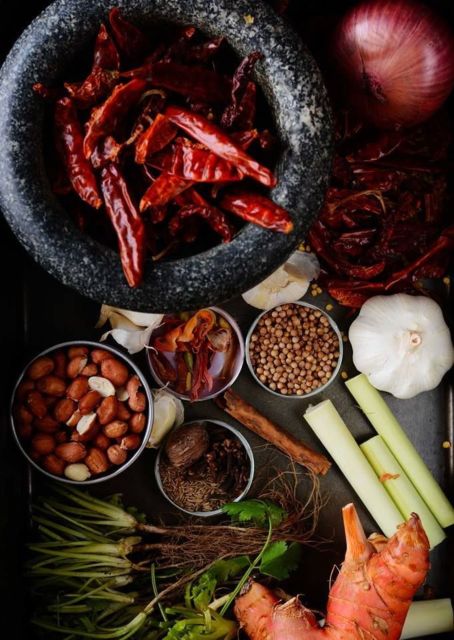
- Family welcome from Shoaib and his mother, plus a traditional drink when you arrive
- North India focus on everyday dishes like chapati and seasonal vegetable curries
- Hands-on cooking: you make round chapatis and one vegetable curry
- Clear veg and non-veg options so you can match your preferences
- A full home-style meal with dessert prepared beforehand
Jaipur Home Cooking Class in a Real House, Not a Studio
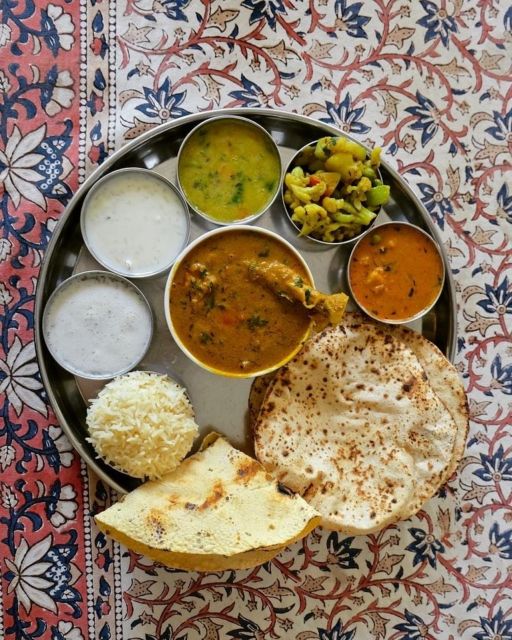
This is one of those tours that feels simple on paper and satisfying in real life. You’re not cooking in a hotel classroom with the lights too bright and the food too pre-planned. You’re learning in a Jaipur home, where the kitchen is the center of daily routines and meal decisions.
What makes it especially appealing is the approach. You start with a friendly welcome, then you get a guided walkthrough of North Indian cooking, and then you actually cook key pieces yourself—chapati and a vegetable curry. Even if you’re a beginner, you’ll leave with a stronger sense of how Indian home cooks think about texture, spice balance, and timing.
The experience also includes lunch or dinner (depending on the schedule), plus a dessert already prepared. And you can choose vegetarian or non-vegetarian options, so the meal can fit the way you eat at home.
You can also read our reviews of more tours and experiences in Jaipur.

From Pickup to Chai: Meeting Your Hosts
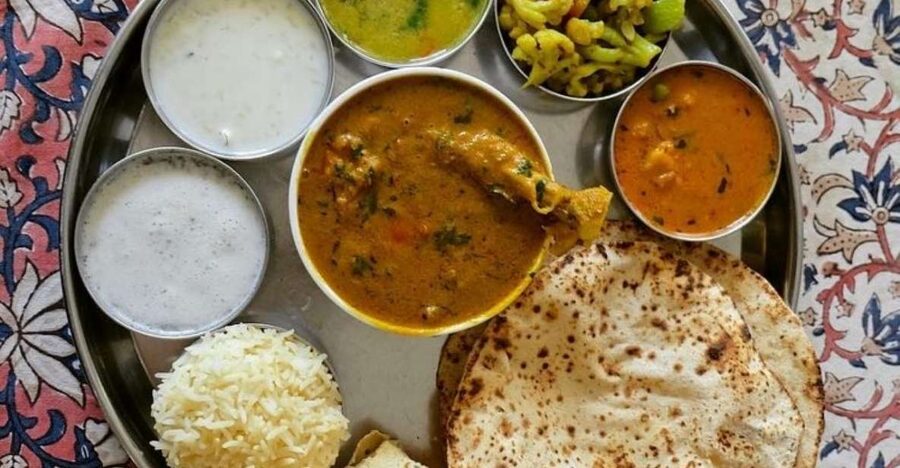
The day starts with pickup and drop-off included, whether you’re coming from your hotel, the airport, or the railway station. You’ll ride in a private air-conditioned vehicle with a chauffeur, and bottled water is included. That’s practical in Jaipur, where getting across town efficiently can make or break your day.
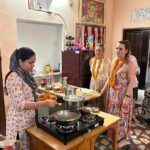
When you arrive at the home, you’re welcomed inside and served a traditional drink. Expect options like chai, lassi, lemon soda, or juice—so you can cool down (or get a quick caffeine reset) before you start learning.
Then your host walks you through the kitchen and gives you context about Indian cuisines, with a more detailed focus on North India. That matters because it helps you understand why certain breads and gravies are built the way they are, rather than just memorizing recipes.
North India Cooking: What You’ll Learn in the Kitchen

The cooking lesson centers on North India, and you’ll hear how the region’s flavors show up in both breads and curries. The course highlights staples like chapati and paratha-style breads, plus seasonal vegetable curries and lentil dishes.
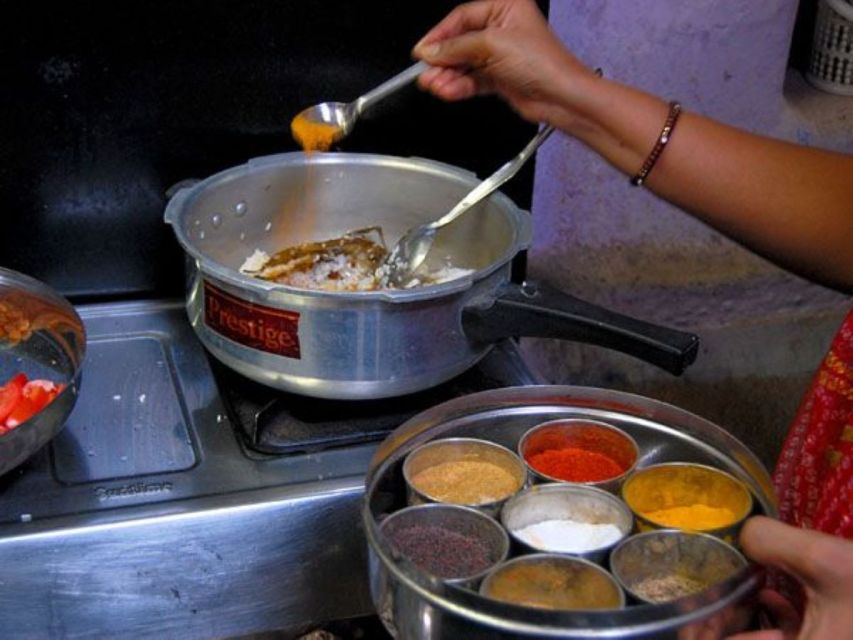
This is where the class feels most useful for real-life cooking back home. Instead of teaching only one dish, you get a sense of a cooking pattern: spice tempering, onion/ginger/garlic foundations, and how vegetables and lentils are treated differently.
Some of the specific curries and dishes referenced include garlic bhindi, aloo gobhi, dal, pumpkin curry, carrot curry, paneer masala, tinda curry, eggplant masala, baigan bharta, and gutaa curry. You’re not necessarily making every one of these during the session, but you’ll understand what they are and how they connect to everyday meals.
Chapati Practice and a Vegetable Curry: What You Actually Do
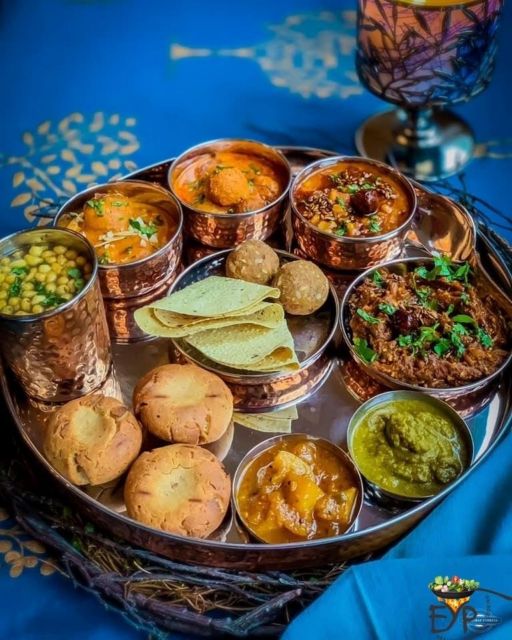
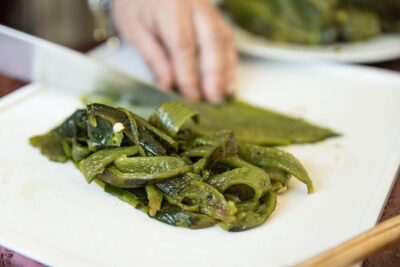
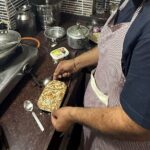
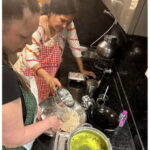
Here’s the core of the hands-on part. After a demonstration, you’ll get to make round chapatis yourself. That’s a great skill because chapati is the backbone of many North Indian meals—simple ingredients, but it’s all about technique and consistency.
You’ll also make one vegetable curry. The class design keeps it achievable: you’re shown what to do first, then you try the steps while your host guides you through the kitchen flow. You’ll learn how the curry comes together, from seasoning and spice building to finishing with the right texture.
Because the cooking session includes both instruction and practical steps, it’s a good match for most skill levels. If you’ve never made chapati before, you’ll get enough direction to try without feeling lost. If you’re more experienced, you’ll still benefit from seeing the home-style rhythm—how home cooks multitask and adjust on the fly.
One balanced expectation check: a previous participant noted the experience felt more like a local meal than a nonstop workshop, with stirring and practice happening only a couple times. So plan for a mix of watching and doing. You will cook chapati and a vegetable curry, but you may not get every step on a high-speed, every-minute basis.
The Meal: Lunch or Dinner With Dessert, Veg or Non-Veg
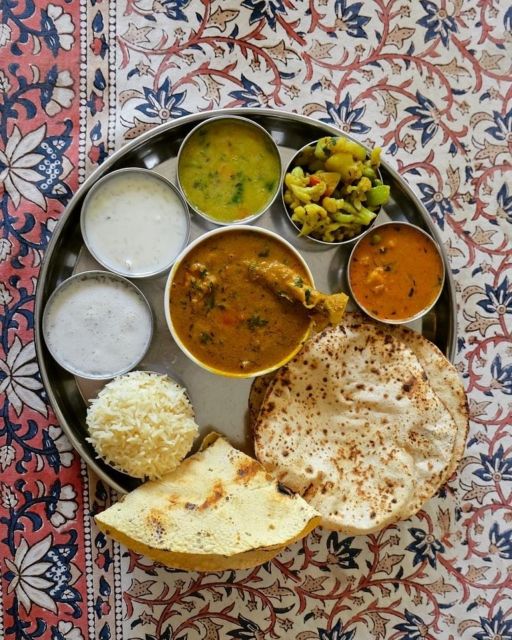
After cooking, you sit down to the meal. The experience is framed as a special healthy dinner in Jaipur, and it also works as a lunch option depending on your timing. Either way, you’re eating what the kitchen produces that day—plus you get dessert prepared beforehand.
This is also where the class becomes more than just recipes. Home cooking in India is less about perfect plating and more about comfort, portion sense, and flavor balance. You’ll taste the difference between a curry that’s built for home eating versus one built for a restaurant menu.
Vegetarian and non-vegetarian options are available. That’s important if you’re traveling with someone who wants one style and you want the other. You can choose what fits your preferences without feeling like the meal is forced into one direction.




What the Included Vehicle and Chauffeur Mean for Your Day
A private air-conditioned vehicle with a chauffeur may sound like “just transportation,” but in practice it’s value. Jaipur traffic can be unpredictable, and having a driver helps keep your day from turning into a logistics puzzle.
Because pickup and drop-off are included, you won’t have to arrange a taxi on top of the class itself. Fuel, parking charges, toll taxes, and interstate taxes are included too, which removes a lot of surprise costs. Bottled water is also provided.
There’s also language support: the experience language is English. That makes the difference between receiving vague explanations and actually understanding what you’re doing while you cook.
Price and Value: Is $15 a Good Deal?
At $15 per person, this is one of those rare food experiences that feels affordable in a way that still respects the “home” aspect. You’re paying for more than ingredients—you’re paying for:
- A private, local-host-led session in a real Jaipur home
- Pickup and drop-off included
- A chauffeur and air-conditioned private vehicle
- English guidance in the kitchen
- Bottled water and all taxes (including GST)
If you compare it to typical paid cooking experiences that run much higher, this stands out for practicality. You’re not also buying a pricey meal ticket separately; your lunch or dinner is part of the experience, along with dessert.
The only real value caution is the hands-on expectation. If you’re looking for a long, step-by-step cooking sprint where you chop, grind, stir, and repeat continuously, you might find the session more relaxed than you hoped. But if your goal is to learn how North Indian home cooking works and eat a real meal, the price feels fair.
Practical Tips So You Learn More (and Stress Less)
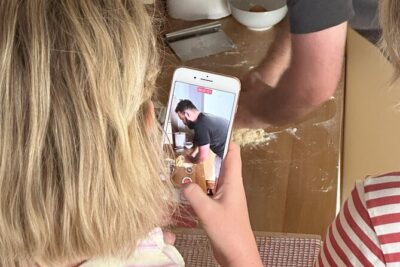
You’ll get the most out of the experience if you treat it like a kitchen conversation, not a filming session. Ask why things are done a certain way. For example, when your host shows chapati technique, pay attention to the cues—how the dough behaves and what changes when heat and timing are correct.
Also:
- Go in with an open mind about spice levels. House cooking can be adjusted, and you’ll learn what “balance” means in practice.
- Take mental notes on curry texture. The difference between a watery curry and the right home consistency is usually small, but it’s noticeable.
- If you chose vegetarian, be ready for vegetable curries that lean hearty and filling, not light and bland.
And since you’ll be eating after cooking, pace yourself. The drink at arrival helps, but you’ll still want to save room for the meal and dessert.
Who Should Book This Jaipur Home Cooking Class?
This tour is best for you if:
- You want an authentic home-style food experience in Jaipur
- You’re curious about North Indian staples like chapati and vegetable curries
- You’d enjoy learning from a local family setup, not a restaurant kitchen
- You like the idea of choosing veg or non-veg options
It’s also a good first cooking class. The skills are clear and practical: chapati technique and how a vegetable curry comes together.
It may not be the best match if you’re specifically chasing an intensive hands-on workshop vibe. Based on how the session is described and how it plays out, you’ll have real cooking moments, but not constant “repeat every step” instruction.
Real Talk: What People Loved Most (and Why It Matters)
Several parts of this experience get strong love for a reason. The family welcome and teaching style matter because they create trust. When Shoaib and his mother guide you, you’re not just following instructions—you’re learning the logic behind the food.
The dinner also lands well. People mention the food and training as standout parts, which makes sense: you’re eating what you just helped make, plus dessert is included. That combination turns the class into a full meal experience, not a short snack lesson.
Should You Book This Jaipur Home Cooking Class Tour?
If you want a low-cost, local-host cooking experience that ends with a real meal in a real Jaipur home, I’d say yes. The pickup/drop-off, chauffeur, English guidance, and included lunch/dinner plus dessert make the overall value feel solid for $15.
Book it if your goal is understanding how North Indian home cooking works and taking home practical skills like chapati-making. If your goal is a long, high-intensity, every-minute hands-on workshop, adjust your expectations. Think of it as a home-cooked meal day with meaningful practice—less production, more family kitchen rhythm.
FAQ
Is pickup and drop-off included?
Yes. Pickup and drop-off are included from your hotel, the airport, or the railway station.
Does the class offer vegetarian and non-vegetarian options?
Yes. Both vegetarian and non-vegetarian dishes are available.
What language is the experience taught in?
The experience is taught in English.
What happens when I arrive at the home?
You’ll be welcomed at the home and served a traditional Indian drink such as chai, lassi, lemon soda, or juice.
Is bottled water and GST included?
Yes. Bottled water is included, and all government taxes including GST are included.
Can I reserve now and cancel for a refund?
You can reserve and pay later (book now and pay nothing today). You can cancel up to 24 hours in advance for a full refund.