REVIEW · KATHMANDU
Kathmandu: About 3-hour Cooking Class Experience near Thamel
Book on GetYourGuide →Operated by Shepherd Holidays · Bookable on GetYourGuide
Cooking Nepali food beats theory. In a 3-hour class near Thamel, you get a hands-on kitchen lesson and a warm tea or coffee on arrival, then you choose any three dishes from the menu. I love that you’re cooking for real, not just watching, and I love that the options cover classics like dal bhat and momos instead of only tourist crowd-pleasers.
Portions also tend to be generous, and the teaching feels personal. One drawback to factor in: drinks beyond the tea/coffee and the food you cook can cost extra, and pick-up/drop-off is only available for an extra charge if you’re outside Thamel.
In This Review
- Key things to know before you cook
- From Thamel to a Traditional Kitchen in 3 Hours
- Choose Your Menu: Dal Bhat, Momos, Chatamari, and More
- How I’d pick your three (practical combos)
- Instructors and the Hands-on Method That Actually Helps You Cook Again
- Dish-by-dish: What You’ll Cook and What to Expect From Each One
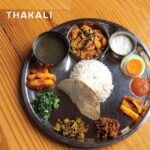
- Dal Bhat (lentil soup + rice)
- Momos (chicken or veg dumplings)
- Bara (crispy and soft lentil patties)
- Chatamari (Nepali pizza-style flatbread)
- Chicken curry with roti
- Thukpa (noodle soup)
- Mushroom choila (spicy marinated mushrooms)
- Yomari (sweet jaggery sesame dumpling)
- Carrot pudding
- Timing, group size, and the small comforts that matter
- Price and value: Is $29 worth it?
- Who should book this Kathmandu cooking class (and who might skip)
- Should you book? My practical take
- FAQ
- How long is the cooking class?
- Where do I meet for the class?
- How many dishes can I choose?
- What dishes are offered?
- Is tea or coffee included?
- Is pick-up and drop-off included?
- What’s included in the price?
- Are beverages included?
- What languages are used during the class?
- Is there free cancellation?
Key things to know before you cook
- Pick any three dishes: Build your own 3-item menu from a full Nepal-friendly lineup.
- Learn staples and showstoppers: Dal bhat and momos are joined by chatamari (Nepali pizza).
- Hands-on teaching in a traditional kitchen: You’ll chop, stir, and season with local chefs guiding you step by step.
- Good if the group is small: Even at short notice, the class can run the full menu rather than shrinking it.
- Clear value at $29: Ingredients, equipment, instruction, and what you eat are included.
From Thamel to a Traditional Kitchen in 3 Hours
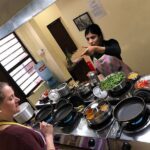
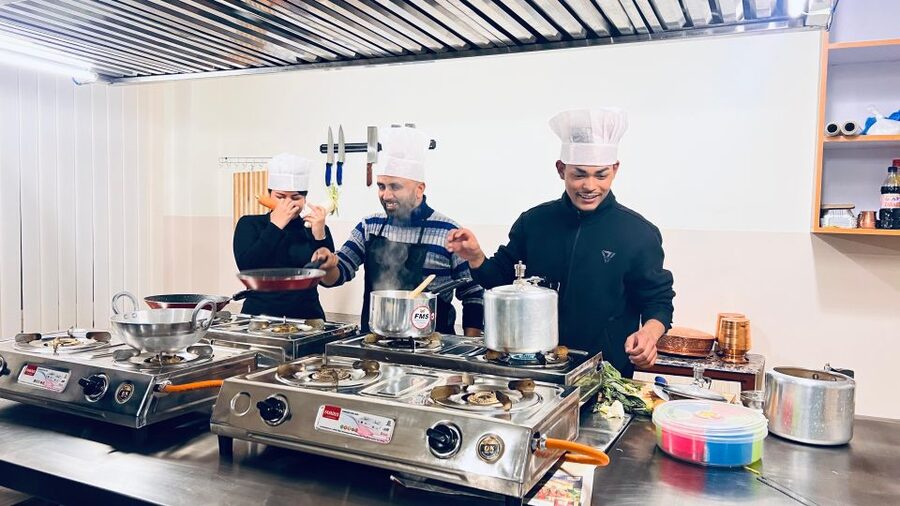
This is the kind of Kathmandu experience that fits cleanly into a travel schedule. You start near Thamel and spend about three hours in a teaching kitchen, where your role is active from the first chopping to the last bite.
The meeting point is inside the same building as Shepherd Holidays’ office, so you’re not hunting across half the city. You’ll be greeted when you arrive with a complimentary cup of tea or coffee—small, but it helps you get comfortable right away.
What makes this format work is the pacing. You’re not there all day, and you’re not there for a rushed “demo.” Instead, you’ll spend your time on the parts that actually teach Nepali cooking: prep, seasoning, heat control, and timing. You’ll also get cultural context while you cook, which is often where these classes turn from simple entertainment into something you can carry home.
You can also read our reviews of more tours and experiences in Kathmandu.
Choose Your Menu: Dal Bhat, Momos, Chatamari, and More
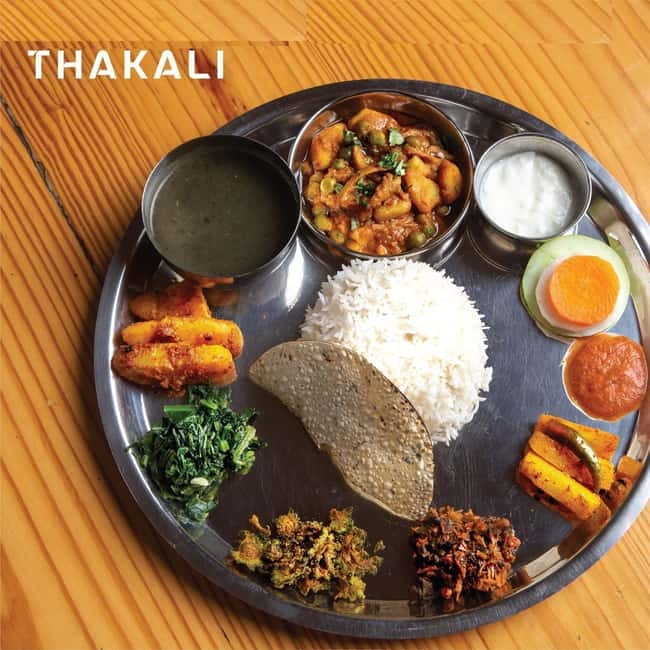
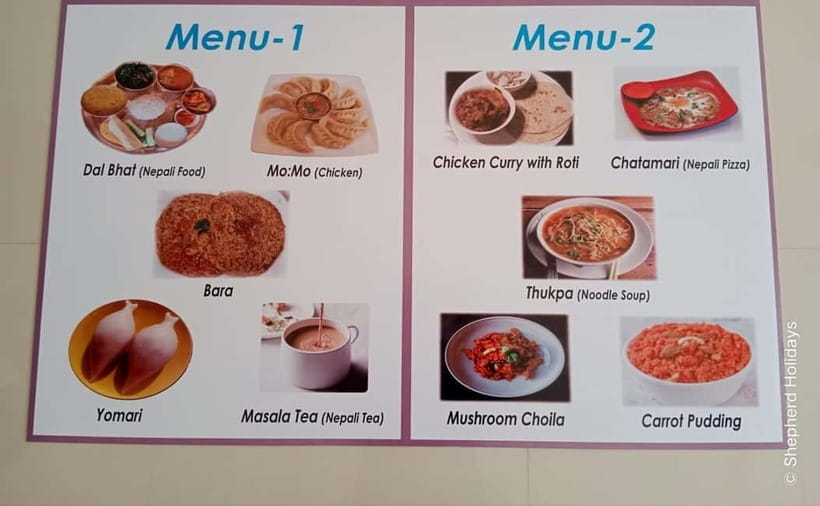
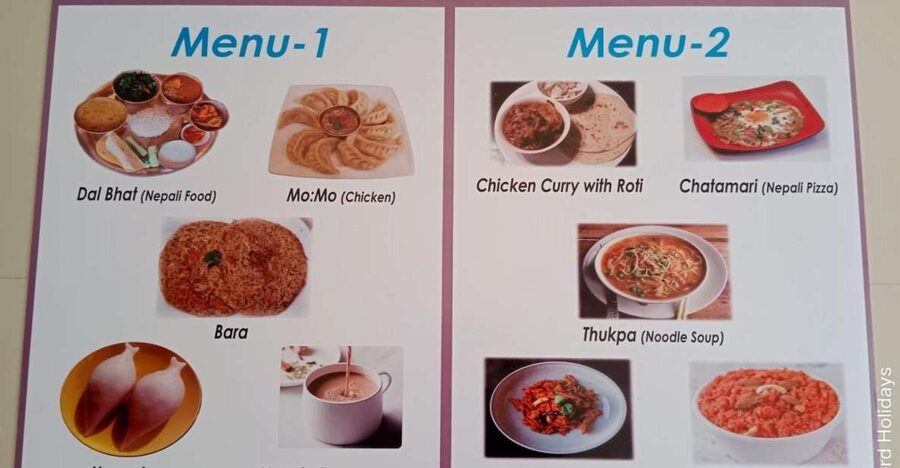
The big decision here is simple: you choose any three dishes from the menu. That means you can customize the class toward your tastes, dietary preferences, and comfort level in the kitchen.
Here are the options you might see on the menu, and how to think about each one when you’re choosing your trio.
Dal Bhat (lentils + rice) is the anchor dish. If you want the most “this is Nepal” flavor profile in one go, start here.
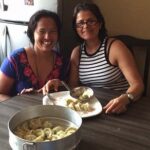
Momos give you dumpling technique. You can usually choose chicken or vegetarian fillings, which makes it a flexible option if you don’t eat meat.
Chatamari is the one that often sparks curiosity. It’s sometimes described as the Nepali version of pizza, because it’s a flat base topped with ingredients. If you like food you can recognize visually, this is the pick.
Bara is great if you want a crisp + tender contrast. These are lentil patties that get fried, and the texture difference is part of the point.
If you want something sweet, Yomari is a strong candidate: it’s a sweet dumpling filled with jaggery and sesame seeds. Carrot pudding is another dessert-style option, and it’s a nice way to balance a meal full of savory spice.
You can also choose from several other classic options: chicken curry with roti, thukpa (noodle soup), and mushroom choila (spicy marinated mushrooms). That last one is a good match if you like bold flavors and chili-forward dishes.
How I’d pick your three (practical combos)
- If you want a full Nepali meal feel: dal bhat + momo + a crisp side like bara.
- If you’re here for variety and fun textures: chatamari + momo + bara.
- If you prefer spice and big flavor: mushroom choila + thukpa + chicken curry with roti (or swap one for dal bhat if you want the rice-lentil core).
Because you’re choosing your dishes, you’re also choosing what skills you’ll take home. Dumplings, flatbread-style cooking, frying, and curry building are very different techniques—so your menu really determines your learning.
Instructors and the Hands-on Method That Actually Helps You Cook Again
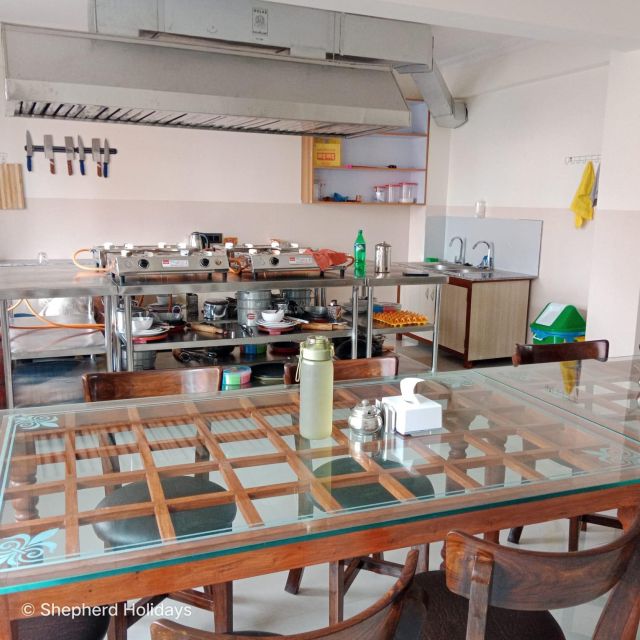
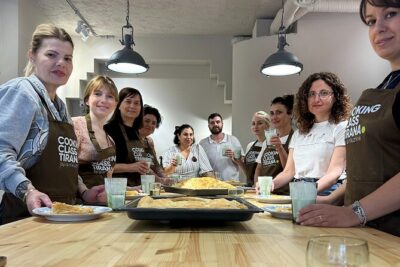
This class is led by local chefs, described as certified and experienced, and there’s an instructor plus a helper. That staffing matters. When you’re learning cooking techniques, you want someone watching your hand movements, not just answering questions when you’re already stuck.
From past class experiences, I’ve heard names like Bikram and Kamal tied to teaching that feels clear and encouraging. That kind of instruction is what helps you confidently repeat the meal later.
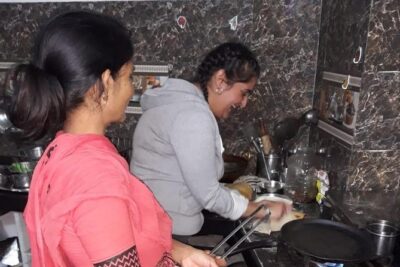
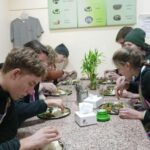
You’ll prepare fresh ingredients after you choose your dishes. Then you’ll cook in a traditional kitchen setting, with the chefs guiding you as you chop, stir, and season. You’ll also get stories and cultural insights while you work, which makes the class more than just recipes on a page.
One extra useful note: recipes may be available for a small fee. If you like the idea of recreating your exact menu at home, ask about it during the class so you don’t forget to follow up.
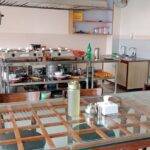
And yes, the kitchen environment is part of the experience. The cooking setup is described as clean enough to feel comfortable, which matters when you’re frying, mixing, and tasting as you go.
Dish-by-dish: What You’ll Cook and What to Expect From Each One
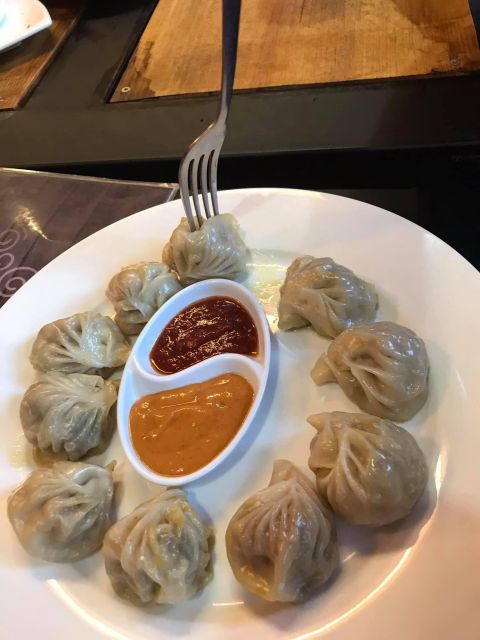
Your final meal depends on your choices, but the menu gives you a clear sense of Nepal’s food range: lentils and rice, dumpling comfort, fried snacks, flatbread-style dishes, noodle soups, and sweet dumplings.
Below are the dishes and the “why this matters” behind each one, so you can pick dishes with intention.
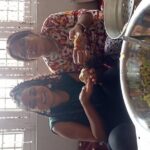
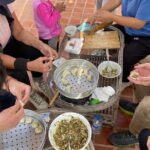
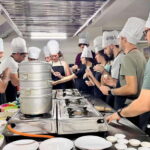
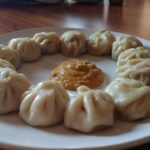
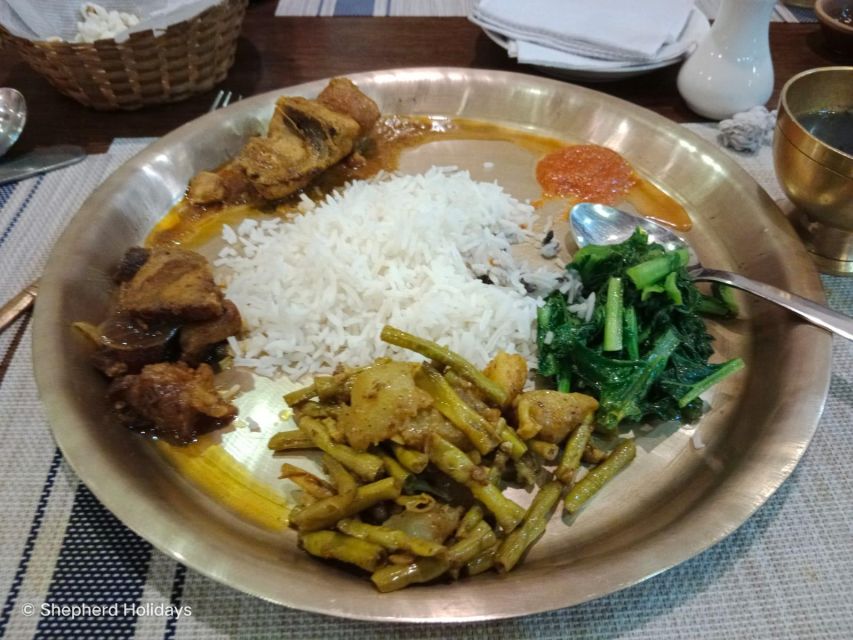
Dal Bhat (lentil soup + rice)
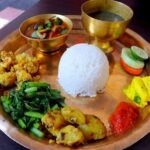
This is the quintessential plate in Nepal: lentils simmered into a hearty soup, served with rice. The key learning here is seasoning. If you can nail dal bhat at home, you’ve unlocked a core Nepalese comfort-food foundation.
Look for a balanced bowl: warm, savory, and meant to be eaten with rice. Expect that the lentils will be your comfort zone and your biggest flavor lesson.
Momos (chicken or veg dumplings)
Momos are all about wrap technique and filling balance. You’ll likely choose chicken or vegetarian, so you can tailor it to what you like.
This is one of the better dishes for learning because dumplings force you to pay attention to consistency—how thick your mixture is, how you portion, and how you handle cooking so they don’t fall apart.
If you love street food flavors, dumplings are where Kathmandu really shows off.
Bara (crispy and soft lentil patties)
Bara is a snack that gives you texture contrast: crispy on the outside, tender inside. The frying element means you learn heat management and batter or lentil preparation.
It’s also a good “breather” dish between the heavier items. You’ll get that satisfying crunch without the meal feeling one-note.
Chatamari (Nepali pizza-style flatbread)
Chatamari is often called Nepali pizza because it’s a flat base topped with ingredients. The fun part is the toppings, which can vary.
This dish is a great skill-builder if you like cooking that looks good on the plate. You’ll learn how a base comes together and how toppings and cook time work together.
Choose it if you want your class to include something visual and highly shareable.
Chicken curry with roti
This is a straightforward Nepal-meets-South-Asian cooking lesson: aromatic spices, rich sauce, and roti for scooping and eating.
Chicken curry is also useful because it teaches you how to build flavor in layers—spice blooming, simmering, and balancing salt and richness.
If you want a home-cookable dish that still feels special, this is a strong pick.
Thukpa (noodle soup)
Thukpa brings warmth and comfort: noodle soup with a hearty feel, rooted in Tibetan cuisine and adopted widely in Nepal.
It’s a good option if you want something lighter than dumplings or fried snacks, but still deeply satisfying. The learning angle is liquid seasoning and timing so noodles stay pleasant, not mushy.
Mushroom choila (spicy marinated mushrooms)
Choila is where you get bold, spicy flavors. Mushroom choila is marinated and then cooked, so you’re tasting the spice profile you’re building.
If you like food with attitude—chili, herbs, and tang—this dish gives you a different personality than the more “bowl and spoon” Nepali classics.
Yomari (sweet jaggery sesame dumpling)
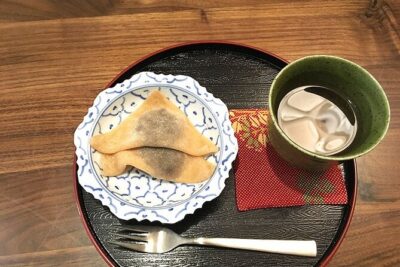
Yomari is Nepal’s sweet dumpling. Expect jaggery sweetness and sesame richness, wrapped into a dumpling form.
It’s an unusual dessert for many visitors, which makes it memorable. Learning a sweet dumpling is also very different from cooking savory items, so it rounds out your menu.
Carrot pudding
Carrot pudding is a dessert option that adds a softer, gently sweet finish. If your savory choices are heavy, this can help balance the meal.
It also teaches you something subtle: desserts in Nepal can be spiced and comforting, not only sugary.
Timing, group size, and the small comforts that matter
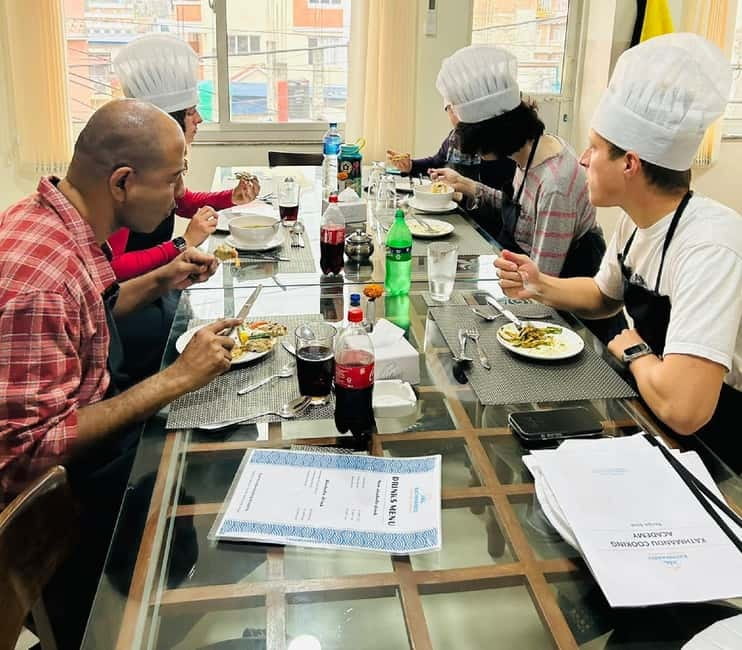
The schedule is built around three hours, which is long enough to cook multiple dishes without turning into a full-day production. You’ll start with greetings and your dish selection, then move into ingredient prep, cooking, and eating.
One practical advantage: if your class ends up small—like only one participant—your menu may still run full-length rather than shrinking. That keeps the experience fair and worth it, especially when you book last minute.
There are also small comfort wins:
- Tea or coffee on arrival keeps you from feeling rushed.
- You eat the dishes you cook, so nothing feels like a sacrifice.
- Clean kitchen setup means you can focus on cooking, not worry about the environment.
Your class is also taught in English, Hindi, and Nepali, so communication is unlikely to be a problem. If you want faster learning, ask questions while you’re working—don’t wait until the end.
Price and value: Is $29 worth it?
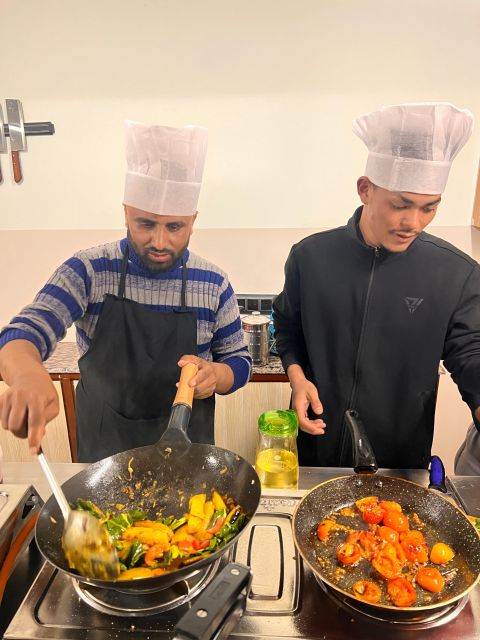
At $29 per person for about three hours, the value comes from what’s included, not just the price tag.
You’re covered for:
- Ingredients and all cooking equipment
- Instructor and helper support
- Food and drink prepared during class
So you’re paying for real instruction plus the meal itself. In other words, it’s not just a tasting with a short lesson tacked on.
Two cost notes to plan for:
- Beverages beyond what’s included can cost extra.
- Pick-up and drop-off (if you’re outside Thamel) is an optional add-on with an extra charge.
If you’re staying near Thamel, that helps keep the total cost down. If you’re farther away, calculate the add-on before you commit, and decide whether the convenience is worth it.
For me, the biggest value signal is that you get to choose your menu. Three dishes means three opportunities to learn techniques, not just one “main event.”
Who should book this Kathmandu cooking class (and who might skip)
This class fits best if you want a hands-on Kathmandu food experience with a short time commitment.
It’s ideal for:
- Food lovers who want to take skills home, not just taste
- Visitors who want Nepali staples like dal bhat and momos, plus something more unusual like chatamari or Yomari
- Small-group travelers who prefer personal teaching
- Solo travelers or couples who want a structured 3-hour activity near Thamel
You might skip it if:
- You’re looking for a long, multi-stop food tour with lots of wandering (this is focused on cooking, not street sampling).
- You only want vegetarian food but aren’t comfortable selecting from the provided options—though vegetarian momos and other choices may help you build a plant-forward menu.
Should you book? My practical take
If you want a Kathmandu experience that’s active, tasty, and easy to schedule, this cooking class is a strong pick. The structure makes it simple: choose three dishes, cook with local chefs, then eat what you made.
Book it if your goal is hands-on cooking skills and a genuine sampling of Nepali comfort food and street-food favorites. Think twice only if you’re very cost-sensitive about extras like additional beverages or you need pick-up from far outside Thamel.
FAQ
How long is the cooking class?
The class lasts 3 hours.
Where do I meet for the class?
You meet in the same building as the Shepherd Holidays office.
How many dishes can I choose?
You choose any three dishes from the class menu.
What dishes are offered?
The menu includes options such as dal bhat, momos (chicken or veg), chatamari, bara, yomari, chicken curry with roti, thukpa, mushroom choila, and carrot pudding.
Is tea or coffee included?
Yes. You’ll be greeted with a complimentary cup of tea or coffee on arrival.
Is pick-up and drop-off included?
Pick-up and drop-off are not included, but they’re available as an extra-charge add-on if you’re staying outside Thamel.
What’s included in the price?
The price includes ingredients and all equipment, instruction from the instructor and helper, and the food and drink prepared during class.
Are beverages included?
Extra beverages are not included, though the tea or coffee you receive on arrival is included.
What languages are used during the class?
The instructor speaks English, Hindi, and Nepali.
Is there free cancellation?
Yes. You can cancel up to 24 hours in advance for a full refund.