REVIEW · MARRAKESH
Cooking Class in Marrakech with Fatiha and Samira
Book on Viator →Operated by Xcursion Guide · Bookable on Viator
Cooking with family in Marrakech hits different. This private market tour and home cooking class takes you through the Old City to shop for ingredients, then you cook a 3-course lunch with Fatiha and Samira in their home. I love that you learn dishes you can actually remember and repeat later, not just watch and snack. I also like the friendly, talk-first vibe, where Moroccan tea and conversation are part of the lesson. One consideration: it’s about 4 hours starting at 11:00 am, and meals outside lunch aren’t included, so plan your day around eating well.
You’ll meet near the Kasbah Mosque and head straight into a local market walk before you ever turn on a stove. Expect seasonal produce, spices, and ingredients chosen for real cooking, not just photos. Then you’ll return for tea, a hands-on session, and time to sit down and enjoy what you made without rushing.
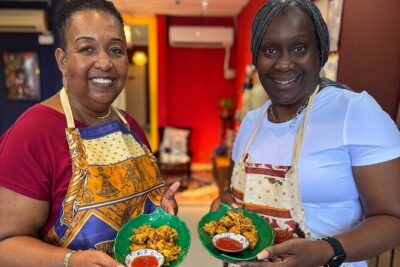
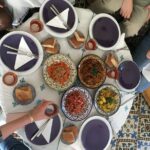
If you want Marrakech food culture beyond the restaurant scene, this is a strong pick. The best part is cooking with Moroccan women in a family home, with dishes like tektouka, zaalouk, and Berber tagine showing up on your cutting board.
In This Review
- Key highlights to know before you go
- Marrakech Market to Family Kitchen: The Big Idea
- Meeting at Moulay al-Yazid (Kasbah) Mosque and Getting Oriented
- The Market Walk: Spices, Produce, and Choosing What Matters
- In the Family Kitchen: Starter, Main, Dessert (and the Dishes You’ll Want to Name)
- Starter: building flavor the Moroccan way
- Main dish: tektouka and tagine-style comfort
- Dessert: the final payoff
- Moroccan Tea and the Role of Conversation
- What You’ll Take Home: Recipes and Skills That Stick
- Price and Value: Is $40.71 Worth It?
- Timing and Flow: The 11:00 am Start Works (If You Plan Ahead)
- Practical Tips So You Don’t Feel Rushed
- Who This Marrakech Cooking Class Suits Best
- Should You Book This Marrakech Cooking Class?
- FAQ
- What dishes will I learn to make?
- Where is the meeting point and what time does it start?
- How long is the cooking class?
- Is this a private tour?
- What’s included in the price?
- Does the class depend on weather?
Key highlights to know before you go
- Pickup near the Kasbah Mosque (close to Jemaa el-Fna Square) with a clear meet point on Rue de La Kasbah
- Market walk for seasonal produce and spices before you cook, so ingredients feel intentional
- A full 3-course lunch plan: starter, main, and dessert you prepare yourself
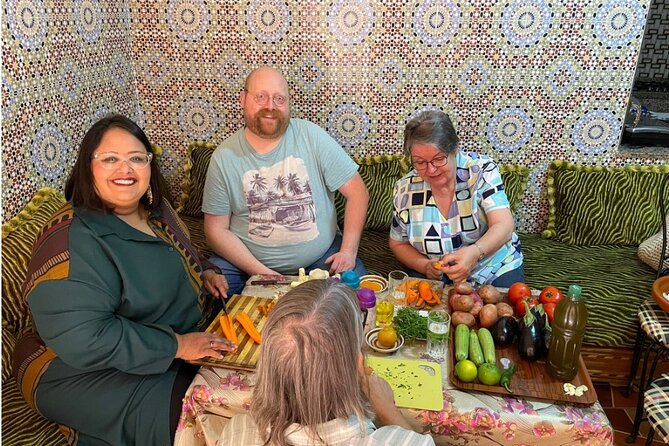
- Hands-on instruction from Fatiha and Samira in a family home setup
- You eat what you made, then get recipes to help you recreate the dishes later
Marrakech Market to Family Kitchen: The Big Idea
Most cooking classes in big cities end up feeling like performance. You arrive, someone demonstrates, you taste, and you leave with a vague memory of the sauce. This format is different because it’s built around two essentials: buying real ingredients together and cooking in a home where the lesson is woven into daily life.
You start by visiting a market and learning what locals use during the season. That matters. Moroccan cooking leans on what’s available, what’s fragrant, and what pairs well with olive oil, garlic, cumin, paprika, and preserved flavors. When you see the ingredients before you cook them, the meal makes more sense later at home.
Then comes the second advantage: you’re cooking with Fatiha and Samira (and other family members involved in the kitchen rhythm) rather than a studio instructor. That tends to translate into easier conversation and less stiffness. People described feeling welcomed and comfortable in the house, with laughter and thoughtful talk around what’s in the dishes. It’s not just technique. It’s also culture.
The only “watch out” with this approach is your schedule. This is a late-morning class that runs around 4 hours, and dinner isn’t included. If you show up skipping a meal, you’ll likely feel rushed before lunch arrives. If you show up properly hungry, you’ll have a great time.
You can also read our reviews of more tours and experiences in Marrakesh.

Meeting at Moulay al-Yazid (Kasbah) Mosque and Getting Oriented
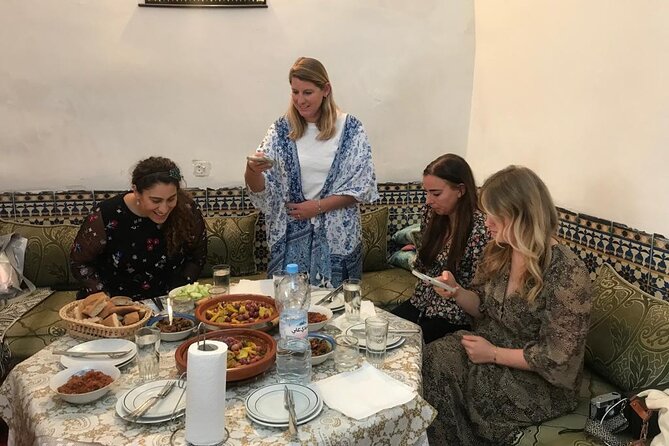
Your day begins at Moulay al-Yazid Mosque (Kasbah Mosque) on Rue de La Kasbah, near Jemaa el-Fna Square. The timing is straightforward: meeting around 11:00 am, then you start moving into the market shortly after.
This location is practical for two reasons. First, it’s in an area where you can usually connect easily with other parts of the Medina day. Second, it helps you get your bearings quickly in Marrakech. Markets can feel overwhelming at first. Starting near a known landmark makes it easier to settle in.
After the market walk, you return to the home (the schedule lists arrival around 11:35 am) for an introduction and tea served. That tea break isn’t a random pause. It’s part of how Moroccan hospitality works. It also gives you a moment to reset before hands get busy.
The Market Walk: Spices, Produce, and Choosing What Matters
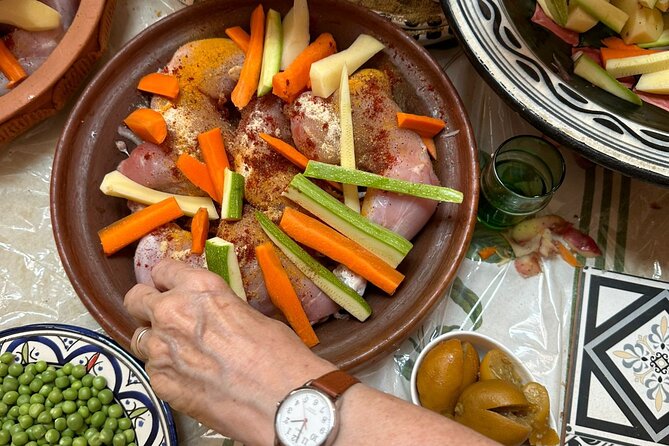
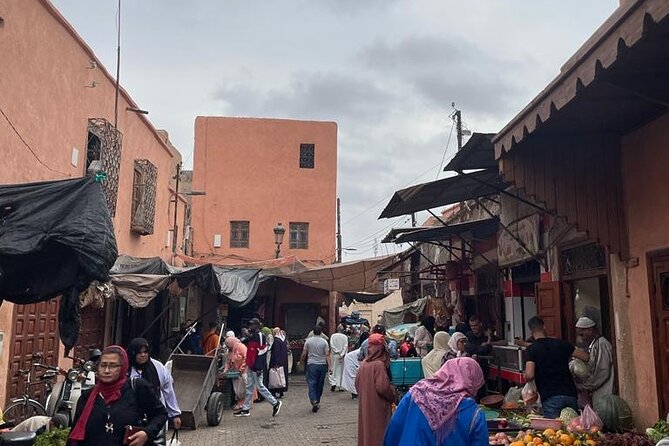
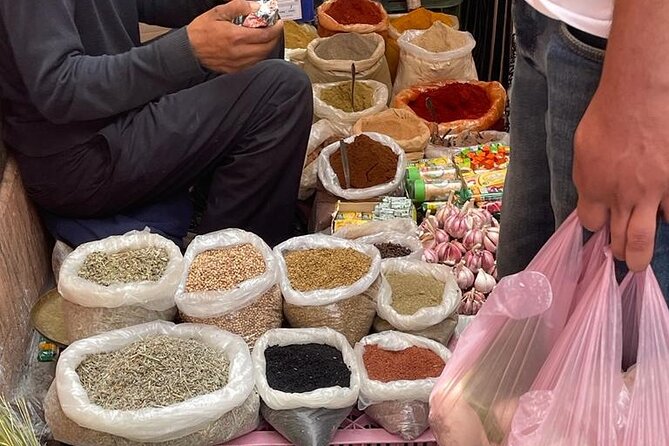
Right after you meet, you head out for the local market tour. This is where the experience earns its keep. Instead of being handed pre-measured ingredients, you’re learning how ingredients are picked and why certain items show up again and again in Moroccan cooking.
The market visit is built around:
- Seasonal produce (so flavors line up with what’s fresh)
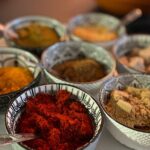
- Spices and ingredients used in everyday dishes
- Getting the “why” behind what goes into a tagine-style meal or a smoky, roasted vegetable plate
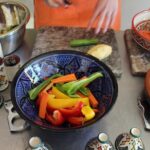
One thing I like about this part is that it turns cooking from vague to specific. When you’ve seen the produce and spices yourself, tektouka and zaalouk stop being abstract names. They become dishes you can picture in stages: chopping, roasting, seasoning, then letting the flavors mingle.
Also, the market walk tends to set the tone for the whole day. You’re already in conversation and learning mode before you ever touch a knife. And since you’re shopping with your hosts, you usually pick up small, practical tips—like how to judge a spice by smell or how to recognize what’s best for a particular dish.
In the Family Kitchen: Starter, Main, Dessert (and the Dishes You’ll Want to Name)
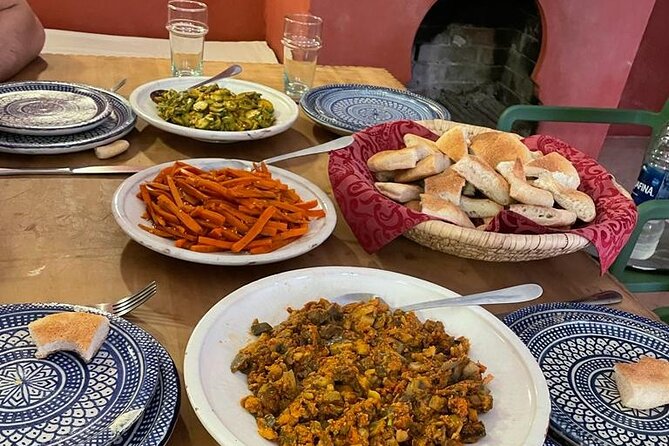
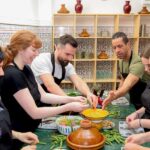
Once you’re back at the house, the cooking session starts around 12:00 pm. This is a real, hands-on flow, with time for each part of the meal. The day is structured as a 3-course lunch—starter, main dish, and dessert—so you’re not stuck with one long cooking task for hours.
Starter: building flavor the Moroccan way
Your starter course is where Moroccan cooking often signals its personality: herbs, garlic, spices, and vegetables treated with care. You’ll be making simple dishes like zaalouk, which is commonly a roasted-vegetable dish with bold seasoning and a mash-like texture once it’s cooked down.
This part of the class is useful even if you never plan to cook Moroccan food again. Why? Because you learn how seasoning is layered. It’s not just salt and heat. It’s timing and balance.
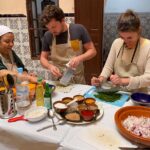
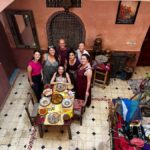
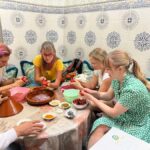
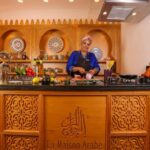
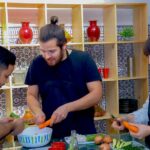
Main dish: tektouka and tagine-style comfort
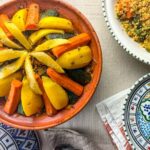
For the main course, the highlights point to dishes like tektouka, a tomato-and-pepper style preparation often associated with flavors that feel both smoky and bright. You’ll also see Berber tagine on the menu options.
You’ll likely notice how Moroccan main dishes aren’t only about sauce. They’re about how vegetables and aromatics soften and gather flavor. Even if you’re not using the exact same ingredients at home, the method teaches you what to aim for: cooked-down sweetness, well-spiced depth, and a texture that clings rather than runs.
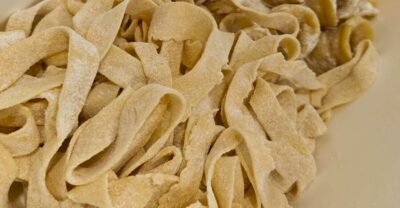
The class design also includes a mention of pasta as part of the cooking plan. That may sound surprising at first if you expect only tagines. But Moroccan meals are often practical mixes—especially in home cooking—where pasta can fit into a menu alongside classic plates.
Dessert: the final payoff
Dessert comes later (around 14:00 pm in the schedule), after the main cooking work is done. This timing matters. By the time dessert starts, you’re usually tired in a good way: you understand what you’ve made, your kitchen momentum is steady, and it’s easier to focus on finishing rather than starting from scratch.
Dessert is where you’ll cap the meal and finally sit down to enjoy everything. You’ll have time to eat (the schedule lists 15:00 pm), and the pace is designed so you can actually taste.
Moroccan Tea and the Role of Conversation
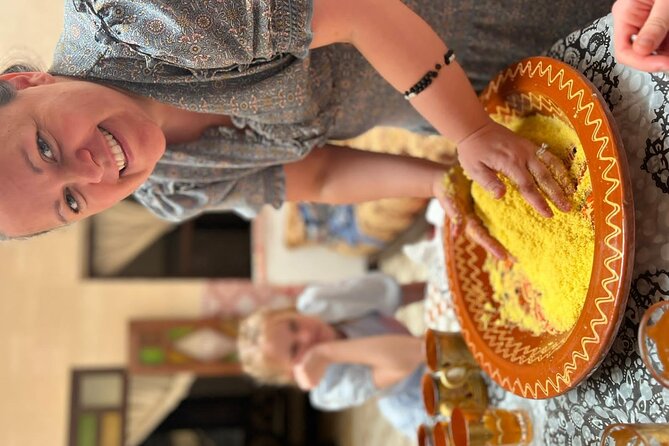
Tea isn’t just a beverage in this kind of home class. It’s also a teaching tool. The schedule specifically includes an introduction with tea served, and the experience notes learning about Moroccan tea as part of what you take away.
In the best cooking classes, you learn two things: how to cook and how to sit at the table with people who cook. Here, that second part is real. Fatiha and Samira’s setting is family-focused, with conversation happening around the food. People highlighted laughter and discussion tied to what they were preparing. That’s the kind of thing you remember later when you’re trying to cook again.
It’s also a reason this class works well if you’re traveling solo or as a couple. You’re not locked into silent observation. You’re part of the household rhythm for a few hours.
What You’ll Take Home: Recipes and Skills That Stick
A practical win: you’re not just leaving with full plates. You receive recipes afterward, so you can reproduce the dishes without guessing.
That matters because Moroccan cooking can look complicated from the outside. In reality, many dishes are built from repeatable patterns:
- roasted or softened vegetables
- a spice base that gets adjusted
- finishing with herbs or a simple garnish
- texture work, not just flavor work
Once you know what tektouka or zaalouk is supposed to taste like and what the texture should be, you’ll feel more confident cooking them later. Even if you can’t find the exact same produce, you’ll understand the target.
Price and Value: Is $40.71 Worth It?
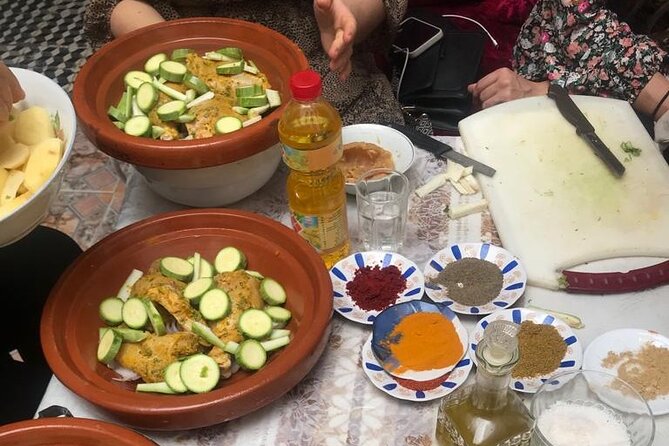
At $40.71 per person, this isn’t priced like a fancy tasting menu. It’s priced like a hands-on experience that includes your main meal.
Here’s what you get that supports the value:
- Lunch you prepare and eat
- Coffee and/or tea
- Snacks
- A market tour tied to what you cook
- Instruction in a selected family home, not a public restaurant setting
That combination is what makes it feel fair. You’re paying for more than “cooking.” You’re paying for ingredient context, local guidance, and time in someone’s home kitchen.
One small tradeoff: dinner and breakfast aren’t included. But that’s not a dealbreaker if you plan your day. With a class starting at 11:00 am, you’re basically paying for a full lunch experience plus the market lesson. If you treat it like a lunch date, it works.
Timing and Flow: The 11:00 am Start Works (If You Plan Ahead)
The schedule is tight in a good way, around 4 hours total.
A typical flow looks like:
- 11:00 am meet near Kasbah Mosque
- 11:10 am market tour
- 11:35 am return to the house
- 11:50 am tea and introduction
- 12:00 pm main cooking session begins
- 14:00 pm dessert session
- 15:00 pm time to enjoy your dish
- 15:45 pm ends and you head back to the meeting point
This timing is ideal for people who want a solid cultural activity that doesn’t swallow the whole day. It’s also good if you’re trying to build a Marrakech itinerary around other sights, because it ends mid-afternoon.
If you have a very packed morning plan, watch the start time. Arrive a little early so you don’t feel stressed navigating to the meet area.
Practical Tips So You Don’t Feel Rushed
A few small moves make this kind of class smoother:
- Wear comfortable shoes. You’ll be walking through a market area and moving between spots in the Medina zone.
- Bring a light layer. The house and market can feel different in temperature.
- Come ready for lunch. Breakfast and dinner aren’t included, and you’ll want energy for cooking and eating.
- Ask questions about the recipes while it’s fresh. You’ll get recipes later, but the best explanations happen during cooking.
- Use the mobile ticket you receive at booking so you’re not scrambling for paper.
Also note the experience requires good weather. If conditions aren’t right, you may be offered a different date or a full refund. It’s worth checking the forecast if you’re scheduling tightly.
Who This Marrakech Cooking Class Suits Best
This experience is a great fit if you want:
- a hands-on food day (not a show-and-taste tour)
- classic Moroccan dishes like tektouka, zaalouk, and Berber tagine
- a home setting where women teach cooking and hospitality feels natural
- a meal that’s filling, structured, and easy to plan around
It’s also a strong choice if you’re early in your trip and want to get ideas for what to eat next. A cooking class like this gives you a framework. Afterward, you can look at Moroccan menus and recognize what’s likely to be a vegetable-based dish, what’s tomato-forward, and where spices should show up.
If you’re only interested in learning about Marrakech from landmarks and museums, this might not be the best use of your time. But if you care about food culture and want something you can repeat at home, it fits well.
Should You Book This Marrakech Cooking Class?
Yes, I think you should—especially if you like your travel experiences practical and personal. The best reason to book is the combination: market learning first, then cooking and eating in a family home with Fatiha and Samira. You’ll leave understanding ingredients, not just memorizing recipes.
Book it if you:
- want a guided path through Marrakech flavors
- enjoy cooking with real people in real kitchens
- can schedule a late-morning start at 11:00 am and eat a full lunch
Skip it if you:
- need dinner included
- hate the idea of weather affecting plans
- aren’t available for a 4-hour block
If your goal is authentic Moroccan food without the restaurant script, this class is one of the most straightforward ways to get there.
FAQ
What dishes will I learn to make?
You’ll learn to prepare a 3-course lunch, including dishes such as tektouka, zaalouk, and Berber tagine, plus dessert.
Where is the meeting point and what time does it start?
You meet near Moulay al-Yazid Mosque (Kasbah Mosque) at 23 Rue de La Kasbah, Marrakesh 40000, and the start time is 11:00 am.
How long is the cooking class?
The experience runs for about 4 hours (approx.), ending back at the meeting point around 15:45 pm.
Is this a private tour?
Yes. It’s a private tour/activity, and only your group will participate.
What’s included in the price?
Lunch is included, along with coffee and/or tea and snacks.
Does the class depend on weather?
Yes. The experience requires good weather. If it’s canceled due to poor weather, you’ll be offered a different date or a full refund.