REVIEW · ROME
Rome: Pasta Cooking Class in a Professional Pasta Laboratory
Book on GetYourGuide →Operated by Professional Lab Pasta Experience · Bookable on GetYourGuide
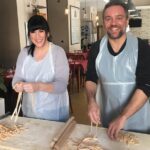
Making pasta in a real lab feels different. In Rome, Chef Angelo and the Pastificio Faini team teach fresh handmade pasta inside a professional pastificio, with a small group size so you actually get your hands in the dough. You’ll work with three grains (including an ancient cereal and buckwheat for gluten-free), shape ravioli, and then taste what you made with wine.
The class does move at a real-food rhythm, not a slow demo. The main consideration is that this is a hands-on rolling-and-cutting experience, so it is not the kind of class where you mostly press buttons or rely on a pasta machine shortcut (rolling by hand is the point).
In This Review
- Key takeaways before you go
- Inside Pastificio Faini: a professional pasta laboratory in Rome
- Three grains, one lesson: the dough you’ll learn to repeat at home
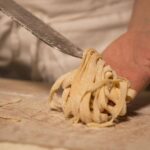
- Cutting, rolling, and shaping ravioli the real way
- Roman sauce lineup: carbonara, cacio e pepe, or gricia with wine
- Gluten-free and vegan pasta options you can actually make
- At the table: finishing the meal you built yourself
- Gnocchi on Thursdays: how the class changes
- Price and value: what $66.84 buys you in Rome
- Who should book this Rome pasta laboratory class
- Should you book it?
- FAQ
- Is this Rome pasta cooking class inside a professional pasta factory?
- How long is the class?
- What size is the cooking group?
- Does the class offer gluten-free pasta?
- Is there a vegan pasta option?
- What happens on Thursdays?
Key takeaways before you go
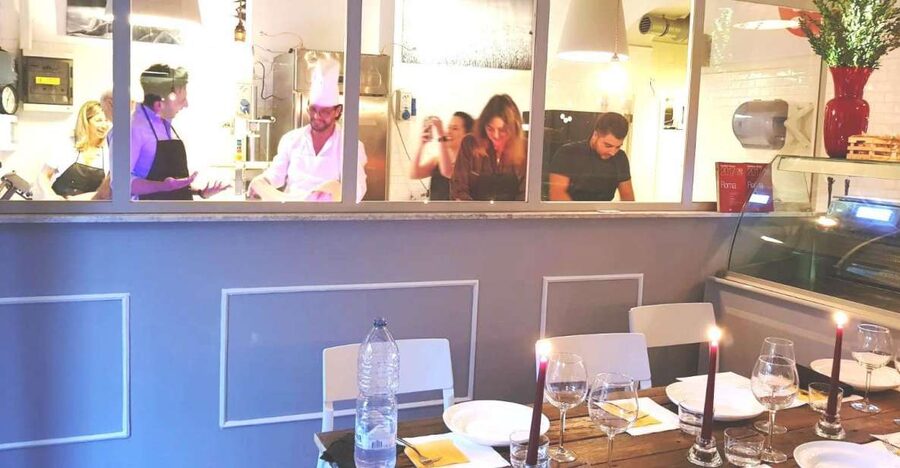
- Real pastificio setting (Pastificio Faini): you’re learning in a working pasta laboratory in Rome, not a hotel kitchen.
- Three-grain pasta education: ancient Triticum Monococcum, Senatore Cappelli, and gluten-free Grano Saraceno (buckwheat) are part of the lesson.
- Ravioli skill building: you learn thin sheets, filling, sealing, and shaping—not just how to boil pasta.
- Roman sauces you can repeat: carbonara, cacio e pepe, and gricia are on the menu, paired with Italian wine.
- GF and vegan options are built in: gluten-free participants make their own pasta, and you’ll also make an egg-free vegan pasta.
- A shared sit-down meal: you finish by eating together, with the chefs and your group around the table.
Inside Pastificio Faini: a professional pasta laboratory in Rome
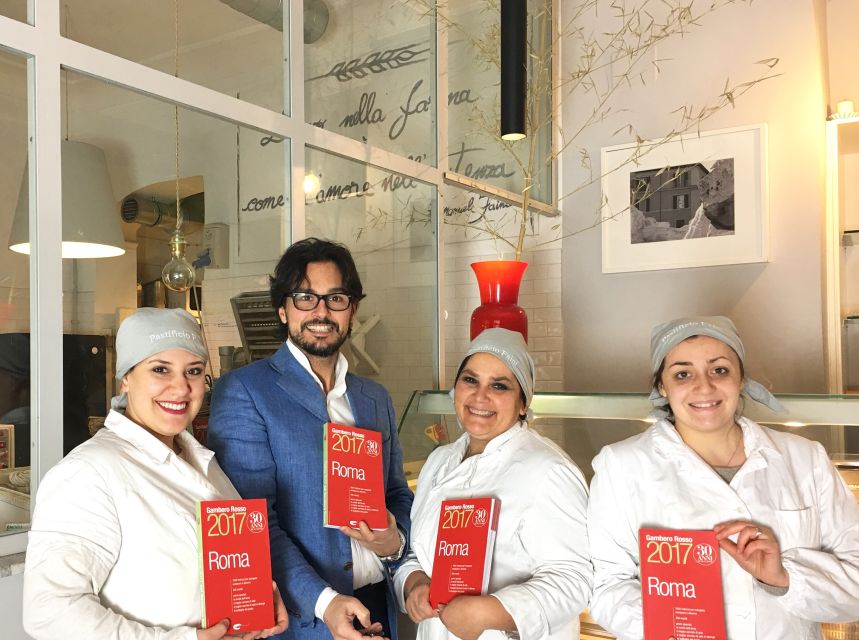
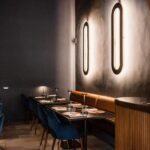
The meeting point is Pastificio Faini, 13 Via dei Latini, Roma 00185, right in the city. From the moment you walk in, the vibe is practical: you’re stepping into a working space built for pasta, not a staged cooking room.
This matters more than you’d think. When you learn in a real pastificio, you pick up the small habits that make homemade pasta work: how the dough should feel, when it needs resting, and how to handle sheets without drying them out.
Chef Angelo teaches the core pasta methods, and you’ll likely interact closely with the team around him, including Emanuele Faini (a name that shows up repeatedly in the class experience). The instructions come in English and Italian, which helps if you want to ask quick questions without guessing.
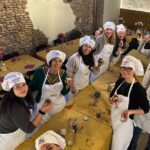
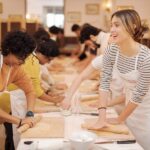
The group size is capped at 9 participants (sometimes described as up to 10 depending on rounding), so you’re not competing for tools or standing in line behind someone else’s flour cloud. You’ll get close coaching while you work.
You can also read our reviews of more tours and experiences in Rome.
Three grains, one lesson: the dough you’ll learn to repeat at home
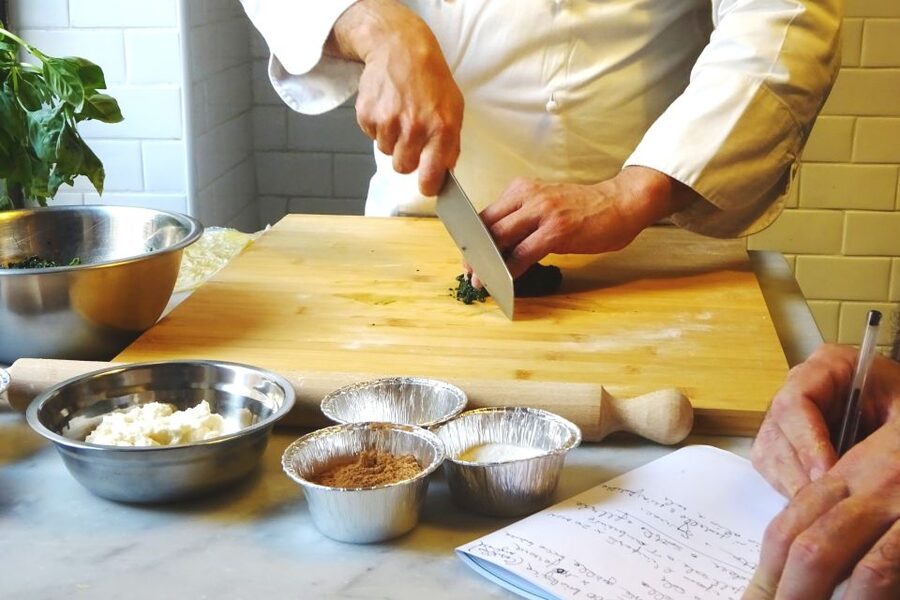
This is a pasta class that treats ingredients like part of the lesson plan. You’ll make dough sheets using three different flours/grains, and the chefs explain what makes each one interesting and how it behaves.
One flour is Triticum Monococcum, described as the first cereal cultivated by humans around 7500 BC. Another is Senatore Cappelli, selected in 1915 by Nazareno Strampelli, later disappeared, then got rediscovered thanks to a small farmer. The third is Grano Saraceno, buckwheat flour, used for gluten-free pasta.
Why I like this approach for you: it turns pasta from a vague idea into something you can reproduce. Instead of only learning a single recipe, you learn how dough responds to different flours and how that changes your handling.
You’ll also get the recipes. That part is not “nice to have.” It is what lets you take what you learned in Rome back to your kitchen and actually cook confidently, rather than hoping memory will fix everything.
No special professional skills are required. You just need a love for pasta and the willingness to use your hands for three hours.
Cutting, rolling, and shaping ravioli the real way
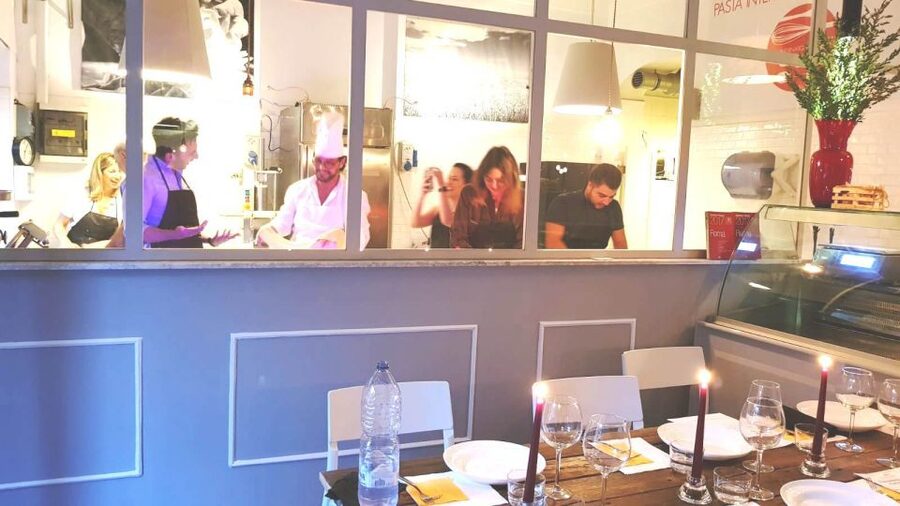
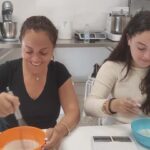
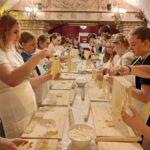
The class is hands-on from early on, after a welcome drink and a short explanation of safe food cutting procedures. Then the focus shifts to core techniques: creating thin sheets, shaping, and filling.
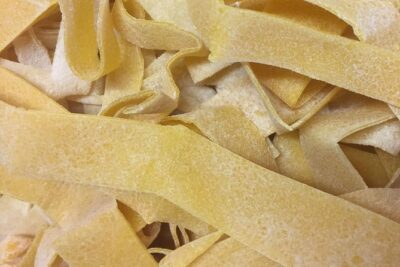
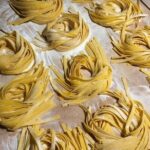
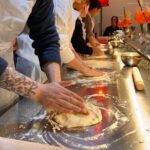
You’ll learn how to create thin sheets of pasta dough and then work with three types of ravioli. Expect guidance that feels like step-by-step tuition rather than a rushed montage, because the group stays small and the chefs can correct what they see.
You don’t just learn one “form.” You learn how to make the sheet reliably, how to portion filling, and how to close and shape the ravioli so they cook well.
A key detail I think you’ll appreciate: this class emphasizes rolling and shaping by hand (often with a rolling pin) rather than using a pasta machine. That is great if you want the skill behind the result, and it’s also perfect if you love that old-school pasta feel.
One practical upside: because you learn the fundamentals of rolling and shaping, you can later improvise with your own fillings. The chefs show you the workflow, so you don’t feel stuck waiting for the next instruction.
Roman sauce lineup: carbonara, cacio e pepe, or gricia with wine
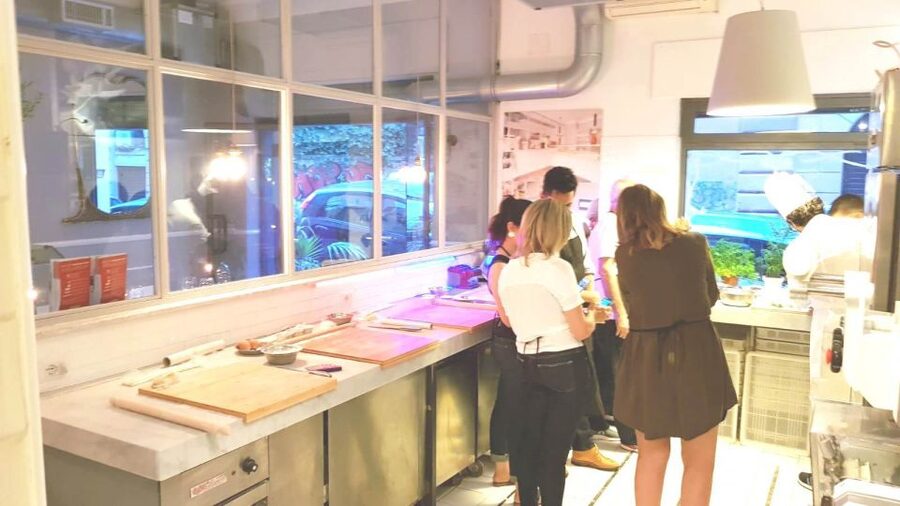
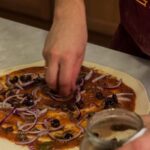
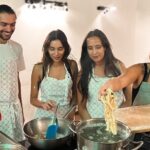
Pasta is only half the job in Rome, and this class doesn’t ignore the other half: Roman sauces. You’ll discover typical Roman sauce options such as carbonara, cacio e pepe, or gricia, depending on how the class flow is set up.
You’ll be tasting the pasta, fillings, and sauces you made, and you’ll sip Italian wine during the meal. This is when the lesson clicks: you feel the texture of the dough you shaped and you understand how the sauce clings to it.
Why this is valuable for you as a cook: carbonara, cacio e pepe, and gricia all teach different balances. You learn the idea of a sauce that depends on combining ingredients correctly rather than hiding behind heavy cream or complicated layers.
Also, tasting is not an afterthought here. It’s part of the structure, so you leave with a clear “this is what it should taste like” memory.
Gluten-free and vegan pasta options you can actually make
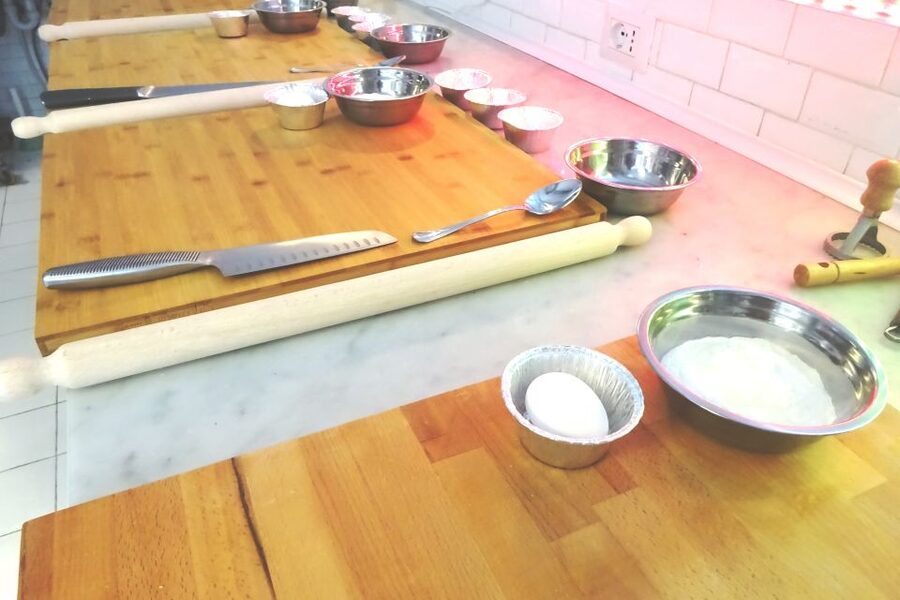
One of the best parts of this experience is that dietary needs are included in the teaching, not stapled on at the end.
Gluten-free participants make gluten-free pasta using buckwheat flour (Grano Saraceno). You’ll follow along in a way that’s meant to work with that flour, so you’re not simply given a different plate of food.
There’s also a vegan option: you will make one type of pasta without egg. That means you can still learn the dough handling and shaping skills, even if you’re avoiding animal products.
This is one of those “worth it” details. A cooking class can claim to be accommodating, but you want real technique included for everyone at the table.
If you have dietary requirements, tell the organizers ahead of time. The class asks you to advise them, and doing so helps your pasta be part of the same learning arc as everyone else’s.

At the table: finishing the meal you built yourself
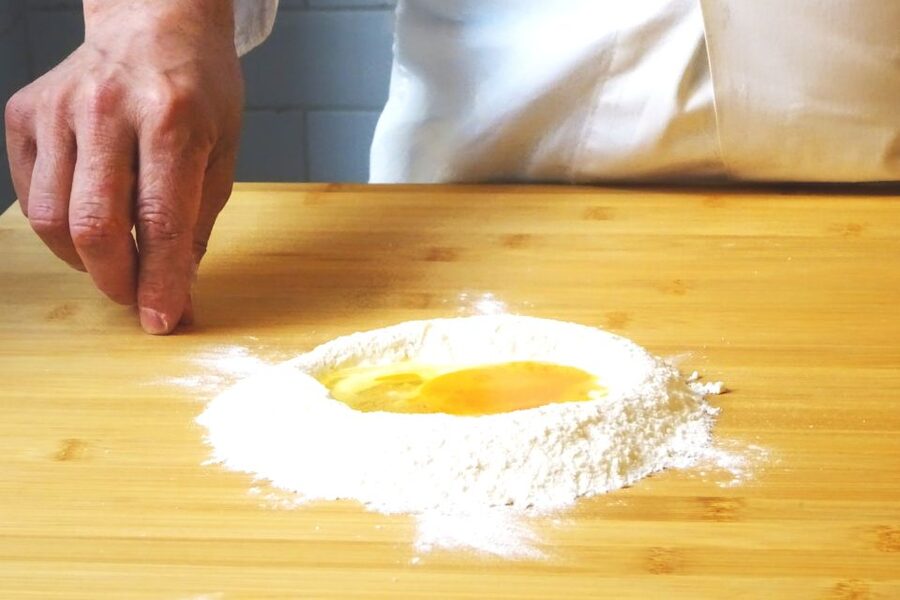
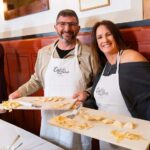
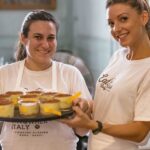
After you cook and shape, you sit down to eat what you made. That meal structure is a big deal because it changes the whole tone of the class from workshop to shared dinner.
Your group will taste the pasta and fillings together, and the chefs sit with you in the middle of the food. Conversations tend to move from questions about technique to stories about what brought everyone to Rome and why fresh pasta is a shared obsession.
This is also where small details show up, like how the dough should feel once it’s cooked. When you taste right after the class, the lesson sticks to the body, not just the brain.
And yes, you get materials to take home. You’ll receive recipes, plus ingredients and equipment during the class, and you’ll even leave with a professional chef hat and apron signed by the chef. That’s a small thing, but it’s also a fun keepsake that reminds you the class was serious enough to treat you like part of the process.
Gnocchi on Thursdays: how the class changes
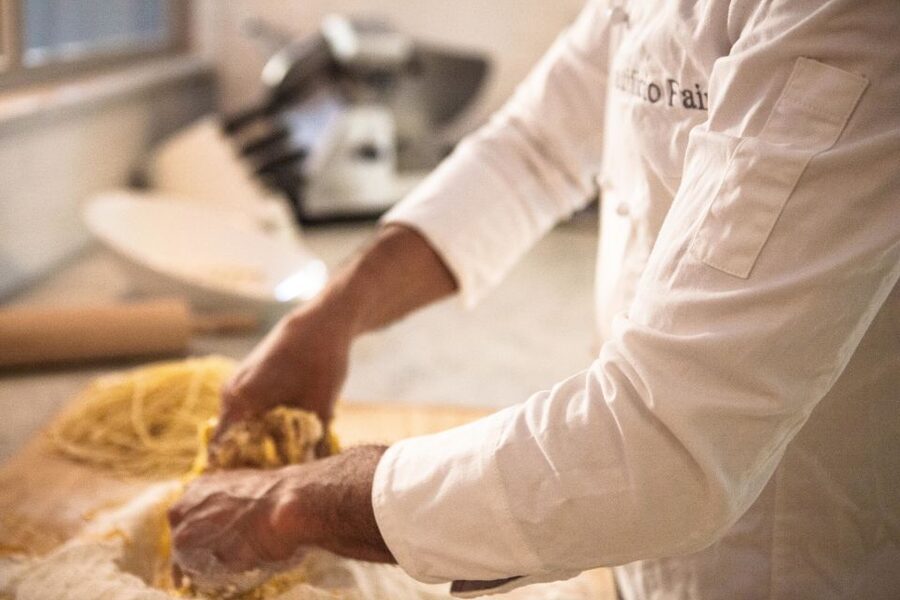
On Thursdays, the class includes homemade Italian gnocchi made with fresh potatoes. If you’re visiting on a Thursday, it’s a strong reason to choose this specific day.
The benefit is straightforward: you’re not only learning pasta sheets and ravioli, you also get exposed to another classic technique built on potato dough. Even if you’ve made gnocchi before, the chance to watch a structured approach can sharpen your results.
If gnocchi is your goal, Thursday scheduling is the easiest way to match the class to your interests.
Price and value: what $66.84 buys you in Rome
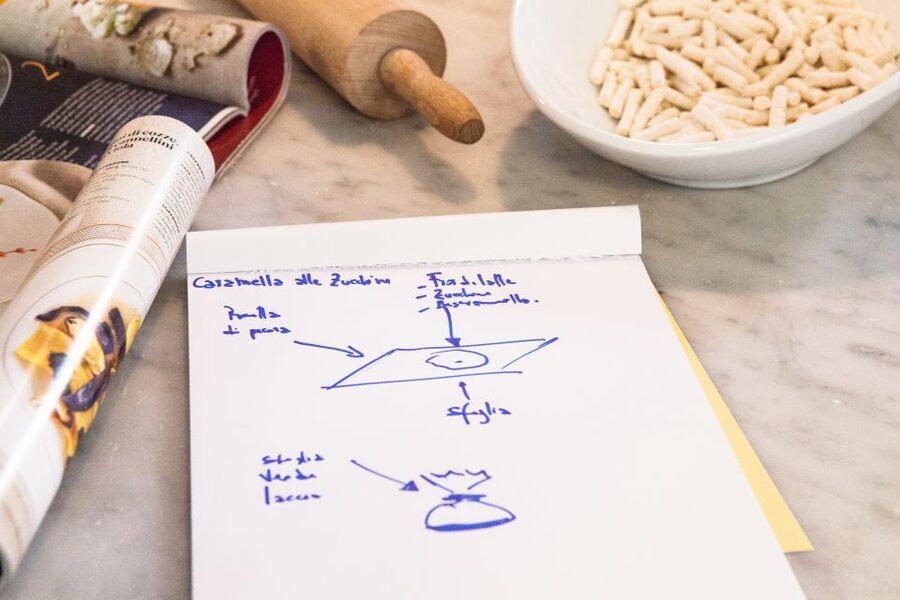
At $66.84 per person for about 3 hours, you’re paying for much more than “a meal plus a demo.” You’re paying for a real pastificio setting, a small group, and instruction that stays interactive.
Here is where the value shows up for you:
- You learn multiple pasta types (including ravioli) and multiple sauce options.
- You get gluten-free and vegan pathways built into the experience.
- You get recipes and take-home reference, not just a memory.
Could you find cheaper classes? Probably. But if you want the skill transfer—rolling, filling, shaping, and sauce logic—in a working Italian pasta environment, this price starts to feel fair.
If you’re a solo traveler, the small group format also helps. You won’t feel lost in a crowd, and you’ll likely chat during the meal in a way that makes the time fly.
Who should book this Rome pasta laboratory class
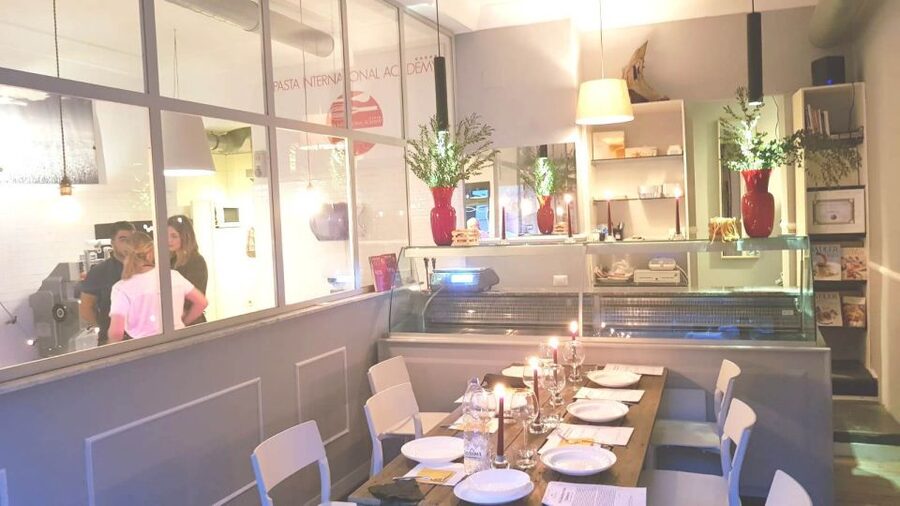
You’ll get the most out of this class if you love practical cooking and you want to leave with repeatable results. It’s especially a good fit for beginners who learn best step-by-step with hands-on corrections.
It’s also a good choice for pasta fans who are tired of “quick taste and go” cooking tours. This one gives you the process, and you eat the payoff you worked for.
If you’re traveling with a gluten-free diner or someone vegan, the class is set up to include them. You’re not separating the table into separate experiences; you’re learning pasta together with different doughs.
If you hate kneading, cutting, and rolling, or you want a mostly passive experience, this may feel like too much work. But if you enjoy the hands-on rhythm, it’s a very satisfying way to spend a few hours in Rome.
Should you book it?
I’d book this if you want an authentic Rome experience that teaches technique, not just vibes. The real pastificio setting, the small group size, and the variety of flour types plus sauces make it a strong value, even at a mid-range price.
Book it confidently if:
- you want to learn how to make fresh pasta and not just taste it,
- you care about gluten-free options being genuinely taught,
- you enjoy Roman sauces and want to cook them again at home.
Don’t book it if your ideal class is mostly watching and lightly participating. This one expects you to roll, shape, and cut with guidance, then eat what you made while sipping wine.
FAQ
Is this Rome pasta cooking class inside a professional pasta factory?
Yes. The class takes place at Pastificio Faini, a real Italian pastificio (pasta factory), and you’ll learn in that professional laboratory setting.
How long is the class?
The duration is 3 hours.
What size is the cooking group?
The class is limited to a maximum of 9 participants.
Does the class offer gluten-free pasta?
Yes. The class caters for gluten-free participants, who will make gluten-free pasta.
Is there a vegan pasta option?
Yes. You will make one type of pasta without egg, which is vegan.
What happens on Thursdays?
On Thursdays, you make homemade Italian gnocchi with fresh potatoes.