REVIEW · ROME
Rome: Hands-on Fettuccine, Ravioli & Tiramisu Cooking Class
Book on GetYourGuide →Operated by Bella Vita Food Tours · Bookable on GetYourGuide
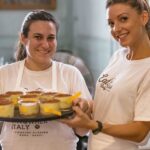
Fresh pasta in Rome, taught step by step. This hands-on cooking class has you kneading, rolling, shaping, and finishing with tiramisu, guided in English by Chef Giuseppe in a relaxed hotel setting. You also get to eat what you make, not just watch it happen.
What I like most is the chef-led teaching style. Giuseppe (and his team) focus on small practical moves—how the dough should feel, how to shape pasta, and how to keep the whole process friendly even if you have zero experience. Second, the meal part is built in: after you cook, you sit down with your creations and a glass of Italian wine.
One thing to consider: you are not making everything from scratch. The class skips the pre-made sauce preparation, so if you want a full head-to-toe from-scratch menu, this won’t feel that way.
In This Review
- Key things that make this Rome class worth your time
- How the class flows: fettuccine, ravioli, tiramisu, end with the meal
- The chef and classroom setup at IQ Hotel (no Rome wandering needed)
- What you make, in plain terms (and why these dishes teach real technique)
- Fresh fettuccine: learning dough feel and rolling control
- Hand-stuffed ravioli: the skill that separates good from great
- Tiramisu: assembling for flavor and texture
- Timing: 2 to 3 hours, plus why a buffer helps
- Price and value: what $69 really buys you
- What’s included vs. what’s already done for you
- The tasting experience: you sit down and eat your work
- Who should book this cooking class (and who should skip it)
- Practical tips so you feel confident in the kitchen
- Getting the most out of the class (beyond just finishing the dishes)
- Should you book this Rome cooking class?
- FAQ
- What dishes will I learn to make?
- How long is the cooking class in Rome?
- Is there an English instructor?
- What should I bring with me?
- Is pre-made sauce included?
- Is the class suitable for wheelchair users and people with allergies?
Key things that make this Rome class worth your time
- Chef Giuseppe teaches in English and keeps the pace beginner-friendly
- You make two kinds of pasta dough work: fettuccine and hand-stuffed ravioli
- Ravioli are truly hand-stuffed, so you learn the shaping and sealing technique
- Tiramisu is a core finish, not an afterthought
- Wine plus tasting at the end turns the lesson into a meal
- You get a recipe PDF with a bonus secret cookie recipe
How the class flows: fettuccine, ravioli, tiramisu, end with the meal
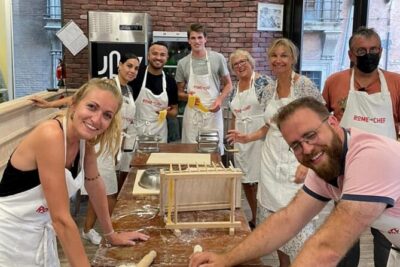
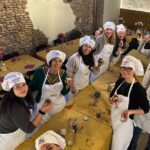
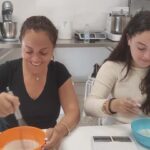
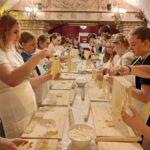
This isn’t a demo where you sit and hope for the best. You’ll work with real dough, real filling, and real dessert components, guided by an English-speaking chef while everything is set up so you can actually participate. The goal is simple: you leave with skills you can repeat later at home, plus the comfort of eating what you just made.
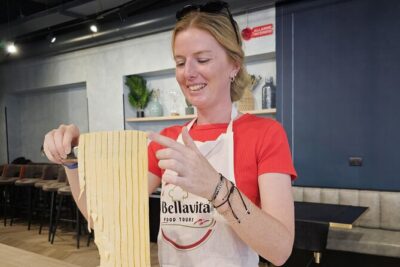
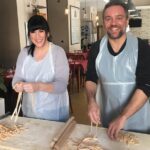
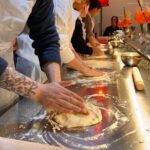
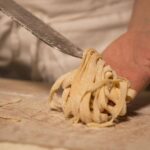
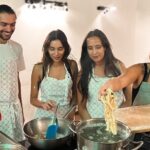
Most classes like this start with the pasta dough basics and then move into shape-specific work. You’ll knead and roll fresh fettuccine, focusing on getting the dough texture right and then turning it into long, even strands. Next comes hand-stuffed ravioli, where technique matters more than people expect—portioning the filling, sealing properly, and shaping so they hold up during cooking. Then you finish with tiramisu, which is mostly about timing and assembly so it sets up well for eating.
The best part is that you’re not cramming one skill only. You learn a full arc: pasta dough, structured pasta (ravioli), and then Italy’s famous coffee-and-cream dessert.
You can also read our reviews of more tours and experiences in Rome.
The chef and classroom setup at IQ Hotel (no Rome wandering needed)
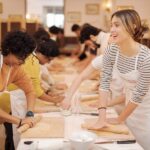
You meet at IQ Hotel via Firenze 8, and the class is set up there, so you’re not spending your prep time wandering across Rome looking for an address. That matters. Cooking classes go faster than you think, and being able to focus in one place makes the whole experience smoother—especially if you’re doing other sightseeing that same day.
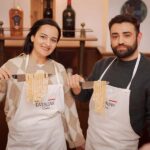
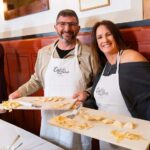
The instruction is led by Chef Giuseppe, and the vibe is consistently described as both helpful and funny. That may sound like fluff, but it has a real purpose: pasta dough punishes impatience. When your teacher has a sense of humor and keeps correcting your hand movements early, you get fewer mistakes and more confidence.
You also get step-by-step guidance throughout. Beginners are specifically welcomed, and the class is designed so you’re not expected to already know how to roll dough, seal ravioli, or assemble tiramisu.
What you make, in plain terms (and why these dishes teach real technique)
Fresh fettuccine: learning dough feel and rolling control
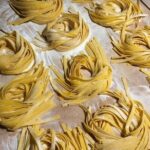
Fettuccine sounds simple—until you actually roll dough. This is where you learn the “feel” part of cooking: how dough should be pliable rather than sticky, and how to roll consistently so the pasta cooks evenly. When you make it yourself, you start to understand why Italian pasta can taste so different from dried pasta, even when the ingredients are basic.
Hand-stuffed ravioli: the skill that separates good from great
Ravioli are the most technique-heavy part of the menu. Hand-stuffing means you practice portioning and sealing, not just cutting pasta sheets. If the seal is weak, the filling leaks. If you overfill, the pasta stretches and tears. The class gives you the coaching you need to avoid those common problems.
This dish is especially valuable if you want a takeaway skill. Once you know how to shape and seal ravioli, you can adapt the same method with different fillings later.

Tiramisu: assembling for flavor and texture
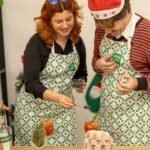
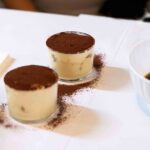
Tiramisu is often treated like a no-stress dessert, but it’s really about structure. You’ll create the classic layers, using the right balance of components so it tastes right and has the texture you expect. It’s also a nice contrast to pasta work, because it’s less about physical shaping and more about careful assembly.
And yes, it’s the kind of dessert that feels like a real win at the table. If you’ve ever had tiramisu that was either too soggy or too stiff, making it yourself is how you learn what correct texture feels like.
Timing: 2 to 3 hours, plus why a buffer helps
The class is listed at 2 to 3 hours, and in real life you may want to plan on the longer side. Pasta takes time—especially ravioli—because the teacher is guiding you through steps, not rushing you past them. Give yourself breathing room so you’re not watching the clock and stressing during the dough stage.
A practical tip: wear comfortable shoes and dress for a little mess. Pasta flour happens. Filling happens. This is not a spotless museum activity, and that’s part of the fun.
Price and value: what $69 really buys you
At $69 per person, you’re paying for more than ingredients. You’re paying for:
- Chef-led instruction (in English)
- Hands-on pasta shaping time
- A full meal from your own work
- Italian wine during the tasting
- A bonus recipe PDF to help you repeat the dishes later, including a bonus secret cookie recipe
If you’ve done cooking classes before, you know the cheapest ones often leave you doing very little. Here, the core work is hands-on: you’re making fettuccine, building ravioli, and assembling tiramisu. That makes the price easier to justify—because you’re not just buying food, you’re buying a set of practical culinary skills.
Also, the “ingredients provided” part matters. You don’t need to figure out what to buy, where to buy it, or how to transport it home. The class handles that, then gives you a way to recreate it later.
What’s included vs. what’s already done for you
This class keeps things manageable, and that’s a good thing for most people.
Included:
- All ingredients for the pasta and dessert
- Chef-led, hands-on instruction
- You savor your creations at the end
- A bonus recipe PDF (including the secret cookie recipe)
- Instruction in English
- Wine with your tasting
Not included:
- Pre-made sauce preparation. You’re not spending class time cooking a sauce from scratch. Instead, you’ll enjoy a sauce that’s prepared ahead of time by the chef.
For some food lovers, that last point is the only real trade-off. If you want to craft every component with your own hands, this may feel slightly incomplete. For most travelers, it’s the right balance: you focus on the pasta and dessert skills that actually take practice.
The tasting experience: you sit down and eat your work
A good cooking class ends with a real meal, and this one does. After finishing your pasta and tiramisu, you get to taste what you made, with Italian wine and other drinks available (including options like water and cola, depending on the setup).
Eating your creations right away helps you learn faster. You can compare texture, flavor, and salt balance, then immediately connect it to what the chef taught during the process. It also makes the whole thing feel like a night out—less like a chore and more like a win.
People also like the pleasant surroundings after cooking, especially since the class starts and ends from the hotel area. No post-class marathon needed.
Who should book this cooking class (and who should skip it)
This class is a great fit if you:
- Want hands-on experience without needing prior cooking knowledge
- Like pasta and want to learn real shaping and sealing technique
- Prefer learning in English with a chef who explains step-by-step
- Travel with family, couples, or small groups and want an activity that feels social but not complicated
You might want to skip it if you:
- Have food allergies. The class is not suitable for people with food allergies, based on the provided info.
Practical tips so you feel confident in the kitchen
First, bring comfortable shoes. You’ll likely stand and work at a counter for part of the session. Then wear clothes that can handle a little mess—flour is part of the experience, not a problem to avoid.
Bring a camera if you like food photos. Pasta and tiramisu look great once you’ve made them, and it’s fun to capture the result.
Finally, go in with an open mind. Pasta dough can feel strange at first. If it sticks or seems too dry, tell the chef early. The best learning happens when you correct small issues quickly.
Getting the most out of the class (beyond just finishing the dishes)
You’ll learn the most if you treat the session like a skill workshop, not just a meal ticket. Ask questions when you’re rolling or sealing. Pay attention to the chef’s cues about dough texture and consistency. Those small details are exactly what helps you repeat the results later at home.
Also, since sauce is pre-made, use that time to focus on the pasta and dessert work you’re actually doing. The class is designed for maximum learning in a limited window.
Should you book this Rome cooking class?
I think this is a smart booking if your priority is hands-on Italian cooking—especially fresh pasta and tiramisu—with a real chef teaching you the motions. The hotel-based meeting point makes it low-stress, and the built-in tasting (with wine) turns it into a satisfying experience rather than a rushed course.
You may want to choose something else if you want a fully from-scratch menu that includes making the sauce from start to finish, or if you have food allergies. Otherwise, at $69 for a 2 to 3 hour chef-led session, it’s strong value because you leave with both food in your stomach and skills in your head.
If you’re in Rome and you want one activity that’s genuinely different from museums and viewpoints, this is the kind of class that makes your trip feel personal—because you’re literally making the flavors you’ll remember.
FAQ
What dishes will I learn to make?
You’ll make fresh fettuccine, hand-stuffed ravioli, and tiramisu during the class.
How long is the cooking class in Rome?
The duration is 2 to 3 hours.
Is there an English instructor?
Yes. Instruction is in English.
What should I bring with me?
Bring comfortable shoes and a camera.
Is pre-made sauce included?
Sauce preparation is not part of the class. The chef provides a sauce that is prepared in advance.
Is the class suitable for wheelchair users and people with allergies?
The class is wheelchair accessible, but it is not suitable for people with food allergies.