REVIEW · A CORUNA
A Coruña: Local Market Shopping and Cooking Workshop
Book on GetYourGuide →Operated by Pencil & Fork · Bookable on GetYourGuide
Fresh seafood, handled with confidence.
I love the way this day starts in the market and ends with a hands-on lunch you actually cook, not just watch. I also like the cozy, low-pressure setup at Pencil & Fork, where David and Ana explain ingredients and keep the group moving without rushing. The only real drawback to plan for: the menu is strongly seafood-focused, so if you don’t eat shellfish or want to avoid seafood, you should ask ahead how flexible it can be.
You begin with coffee and a quick chat, then head out to buy ingredients for a shared menu that turns Galicia’s staples into a full meal. The group stays small (up to 8 people), so you get real instruction and time to ask questions.
This is a great choice when you want A Coruña to taste like A Coruña—salt air, olive oil, white wine, and all. And yes, it’s timed well: you’ll finish around early afternoon, with plenty of time to wander afterward.
In This Review
- Key things to know before you go
- Why A Coruña’s market-and-cooking combo works so well
- Pencil & Fork coffee start: your morning plan at c/Alfredo Vicenti 29
- The market walk: shopping for Galicia’s seafood stars
- From market to kitchen: getting organized for a smooth 3-hour lunch
- The lunch menu: what you’ll cook and why it tastes so Galician
- Eating together: wine, beer, and the satisfaction of finishing your own lunch
- Price and value: does $115 buy a real experience?
- Who should book this A Coruña workshop, and who should check first
- Practical tips to make your morning smooth
- Should you book Pencil & Fork’s market shopping and cooking workshop?
- FAQ
- Where do you meet for the workshop?
- What time does the experience run?
- How long is the cooking and market experience?
- What languages are the instructors?
- How big is the group?
- What dishes are included in the menu?
- What drinks are included during lunch?
- Are recipes shared after the experience?
- Is the workshop wheelchair accessible?
- Do I need to tip, and can I cancel for a refund?
Key things to know before you go
- Market shopping first: you buy fresh ingredients at a top seafood market, then use them in your lunch
- David and Ana lead the day: English or Spanish guidance, plus stories about what you’re seeing and eating
- A full Galician menu: tomatoes with olive oil and volcanic salt, mussels in Godello wine, scallops with serrano, paella, and Santiago cake
- Drinks are included: wine, beer, soft drinks, and tea/coffee—so lunch becomes part of the experience
- A small group keeps it friendly: limited to 8 participants, with station-style cooking so everyone has a role
Why A Coruña’s market-and-cooking combo works so well
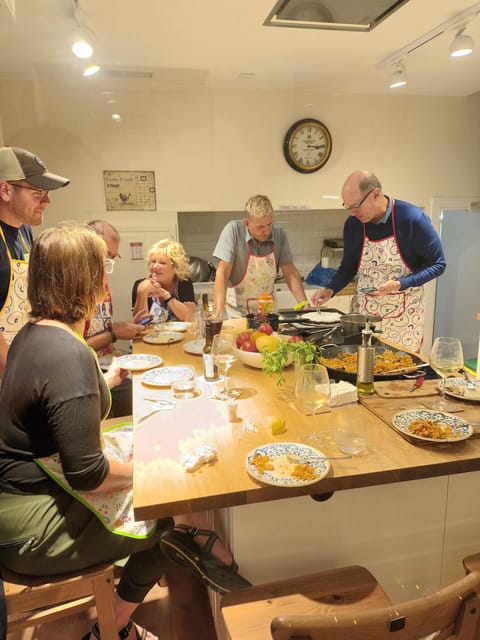
A Coruña’s food culture is built on the ocean—and this experience gives you the quickest route to understanding why. You don’t start with a plate. You start with ingredients. That order matters, because once you’ve seen the shellfish and seafood in front of you, cooking them feels purposeful instead of technical.
The market stop is the heart of the morning. In the market David takes you to, you’ll find a clear setup: fresh fish on floor 1, meat and cheese on floor 2, and flowers and wine on floor 3. It’s the kind of place where you can spot regional patterns fast—what’s abundant, what looks best that day, and what’s considered normal here. And if you like taking photos, bring your camera; the seafood display is a big part of why people love this class.
Then comes the payoff: you go from shopping to a kitchen meal in a short walk—just a few minutes from the market area back to Pencil & Fork. That keeps the day feeling energetic. You’re not stuck transporting ingredients for hours. You’re still in the mood for food, and the cooking starts quickly.
One more reason it’s such good value: the lunch is built around local classics instead of generic “Spanish cooking class” dishes. Galicia has its own voice—especially when seafood and wine are involved. You’ll taste that voice in multiple courses.
Pencil & Fork coffee start: your morning plan at c/Alfredo Vicenti 29
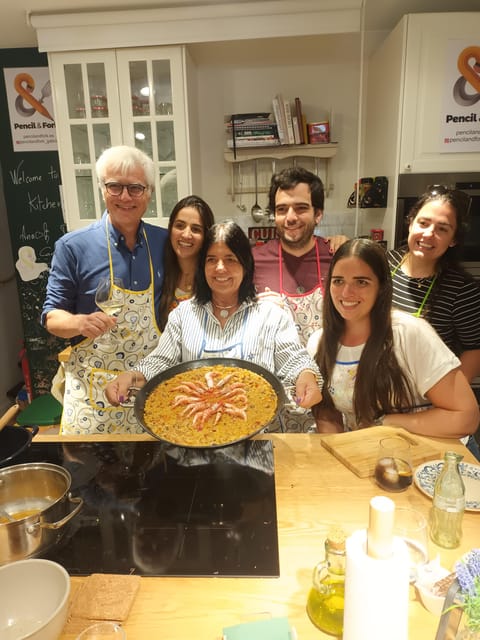
The experience begins at Pencil & Fork (c/Alfredo Vicenti 29). You meet there for coffee first, before you head into the market. That first step is more than politeness. It’s how you get your bearings, learn what you’ll be buying, and understand what the menu will teach you.
David (and Ana alongside him, depending on the day) runs this like a real working day, not a scripted performance. The tone is welcoming from the start. People consistently mention how quickly they feel comfortable asking questions—whether it’s about how to spot good ingredients, why certain Galician flavors go together, or what to expect in the kitchen.
Logistically, this meeting point is helpful. Pencil & Fork is in a part of town where you can keep wandering after lunch. One person even described it as an easy stop from a cruise day, with a quick taxi ride or around a 20-minute walk back from the port area. If you’re building your own self-guided afternoon, this timing is friendly.
And because the group is limited to 8, you don’t feel like you’re lost in a crowd. You get to interact, and the hosts can keep track of preferences and how people are doing.
The market walk: shopping for Galicia’s seafood stars
The market time is where the day becomes real. You’re not just seeing seafood—you’re seeing what people here actually shop for. You’ll also learn how ingredients connect to local traditions, and you’ll hear the kind of ingredient talk that sticks: what’s in season, what preparations make sense, and how Galician flavors balance salt, fat, and acidity.
This is also a great chance to learn what makes seafood feel “different” in Galicia. The menu uses multiple seafood types—mussels, baby scallops, squid, and cockles—so your brain gets a mini-course in variety. One helpful detail: you’re guided by someone who knows the stalls and understands what you’re looking at. The group gets steered toward ingredients that fit the planned menu, and that makes the whole shopping segment more than browsing.
Even if you’re not a “market person,” you’ll probably enjoy this one because it’s purposeful. You’re shopping with a cooking outcome in mind, not just hunting for souvenirs. And that tends to make the time move quickly.
One consideration before you go: because the menu is seafood-forward, this won’t be a great match if you don’t eat shellfish or seafood. The class structure sounds designed around Galician seafood cooking, so you’ll want to ask ahead if you have dietary restrictions that could change what you’re served.
From market to kitchen: getting organized for a smooth 3-hour lunch
After shopping, you return to the kitchen at Pencil & Fork, just a few minutes’ walk from the market. The day stays efficient because Pencil & Fork purchases the products needed for the cooking session. That means you don’t have to worry about carrying a lot of fresh items or figuring out logistics while hungry.
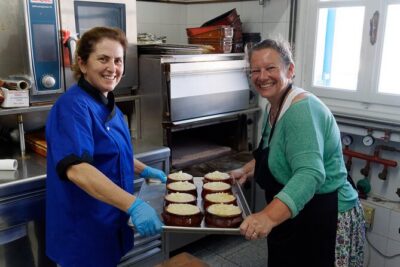
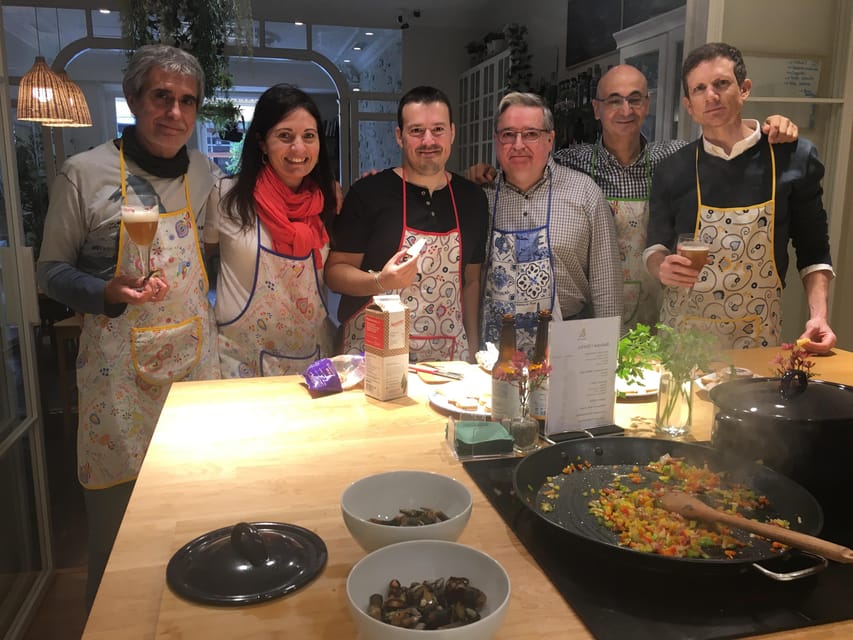
Once you’re set up, you’ll roll up your sleeves and cook. What I like here is how the class balances participation with structure. People describe it as well organized, with stations and clear task assignments. That helps in two ways:
- You get hands-on time without feeling overwhelmed.
- The cooks can keep things moving so lunch actually lands when it should.
You’re also taught what you’re doing as you do it. Instead of a lecture, it’s more like guided cooking with explanations layered in. You’ll learn how certain local techniques affect flavor—especially for dishes built around wine, olive oil, and seafood.
And yes, you’ll get a sense of how to recreate the dishes later. Recipes are shared after the experience, which is one of those “small” benefits that turns a fun day into usable knowledge.
The lunch menu: what you’ll cook and why it tastes so Galician
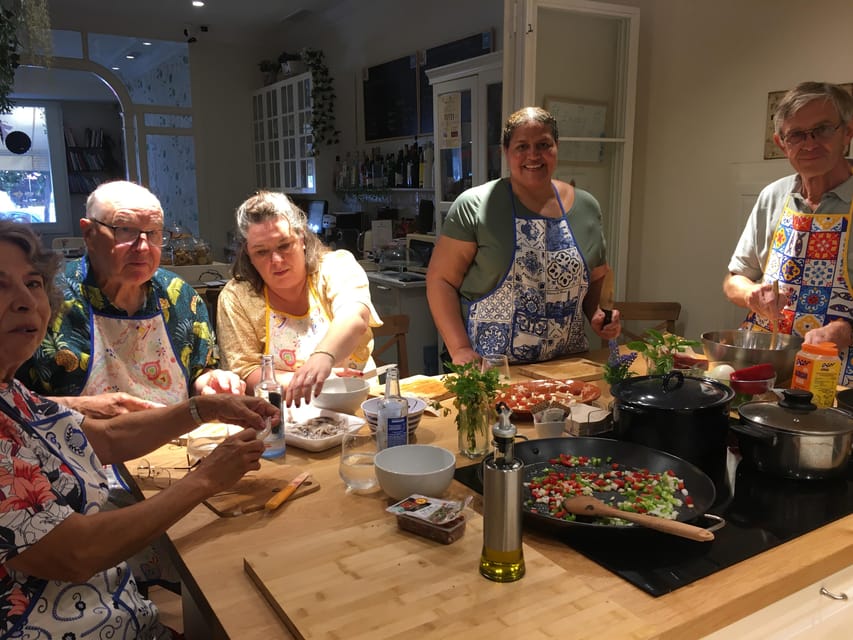
Your menu is built to go from simple and bright to rich and savory, ending sweet. The exact items can vary by season, but the core dishes are very consistent. Here’s what’s listed for the experience:
- Fresh tomatoes with extra virgen olive oil and volcanic salt
This is the quick lesson in why local olive oil matters. Volcanic salt is a flavor detail you wouldn’t guess on your own, and it shows how Galicia treats seasoning as something you can taste.
- Chicharrones with melted cheese toast
This gives you a salty, crunchy start. It’s also a good example of how regional comfort food can be both simple and satisfying.
- Mussels cooked in Godello wine
Godello is a white wine variety associated with Galicia, and it becomes part of the cooking logic here. You’ll taste how wine adds depth without turning the dish into something sweet.
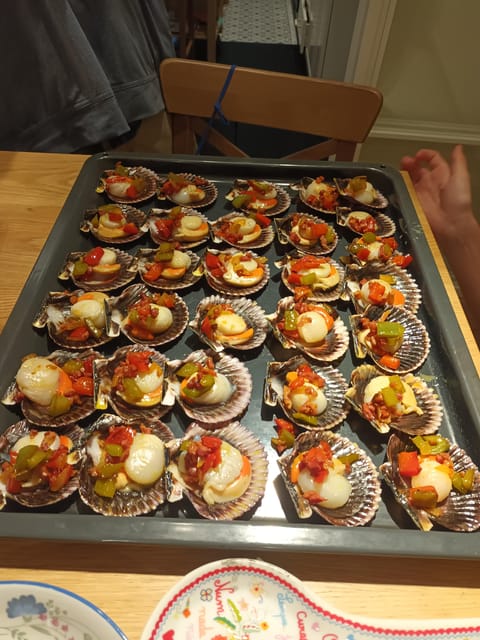
- Baby scallops with serrano ham
This is one of the “wow” moments in the lineup: soft seafood and smoky/salty ham. It teaches a pairing idea that shows up across Spanish cooking, but it lands with a Galician seafood-first focus.
- Squids and cockles paella
Paella here isn’t the mass-market version. It’s seafood-centered and designed for shared cooking and shared eating. When you’re cooking components that you’d otherwise order separately, it makes the dish feel more coherent.
- Santiago cake (almond cake)
Dessert brings the day back to local flavor. Almond cake is a classic choice here, and it makes a natural finish after wine-and-seafood comfort.
If you’re the type who likes to understand what you’re tasting, this menu format does it well: tomatoes teach freshness, the seafood courses teach richness, the wine-based mussels show technique, and the paella ties everything together. You’re not just eating—you’re building a small mental map of Galician flavor.
Eating together: wine, beer, and the satisfaction of finishing your own lunch
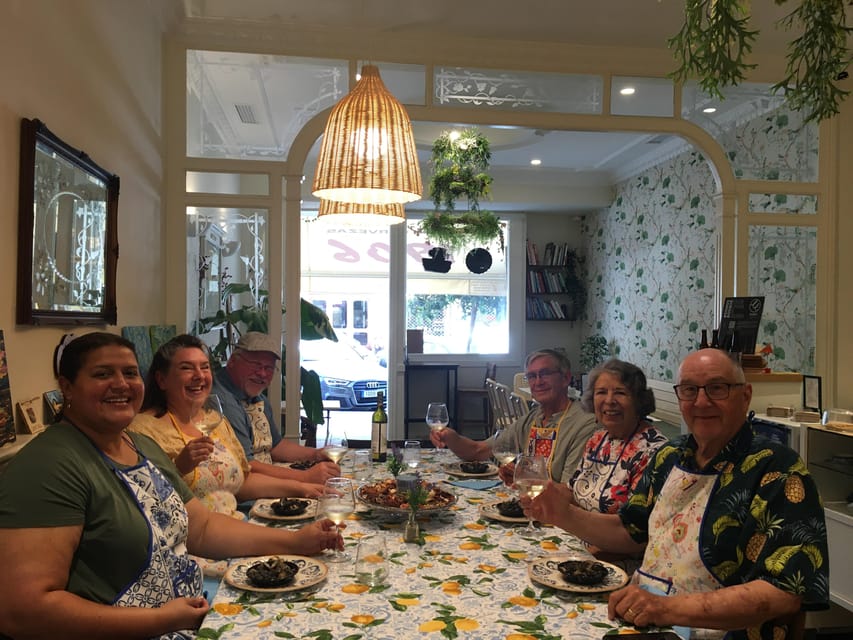
After cooking, you eat what you made. That sounds obvious, but it changes the tone of the meal. You’re not thinking about whether the food is good—you already know what went into it and why. That’s a big part of why people call this a highlight of their trip.
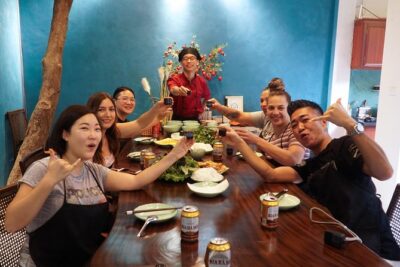
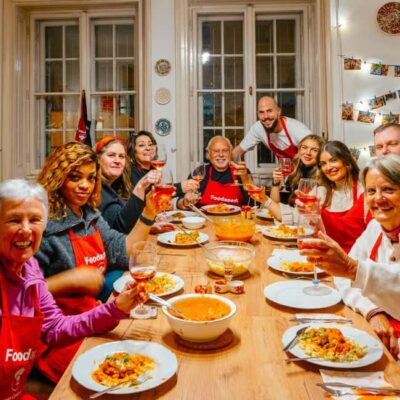
Drinks are included with lunch: wine, beer, and soft drinks. Tea or coffee are included too. The hosts also serve local wine or beer with the meal, so the experience leans into regional drinking culture instead of treating it as an afterthought.
Timing also helps. The whole workshop runs from 10:30 until 13:30, so lunch feels like the natural center of the morning, not a rushed stop between other activities.
One extra practical kindness: at least one participant mentioned that Ana sent leftovers home. That’s not something you should plan around, but it’s a nice sign of how the hosts think about everyone getting enough to eat and not leaving hungry.
Price and value: does $115 buy a real experience?
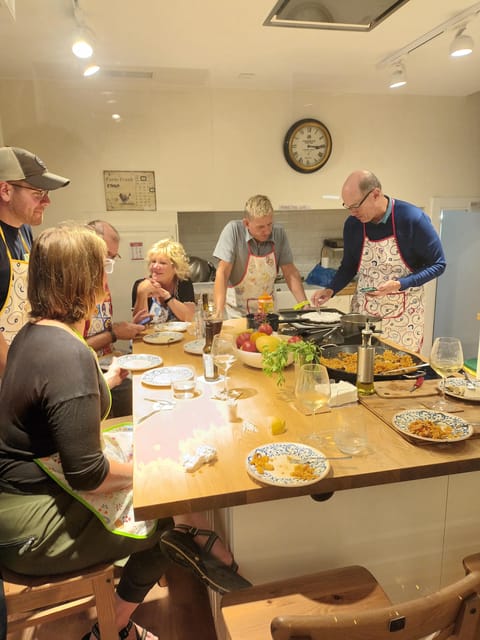
At $115 per person for a 3-hour market-and-cooking workshop, you’re paying for more than instruction. You’re paying for guided market buying, a structured kitchen session, ingredients that cover a multi-course menu, and drinks during lunch. On top of that, you get recipes after the experience, which helps turn the day into something you can repeat.
The small group size matters here. When you can cook in a station-style setup with up to 8 participants, you’re less likely to feel like you’re standing around. That can be the difference between a fun morning and a day that feels like a show you didn’t get enough practice in.
Also, this is not a generic tapas class. The menu explicitly points you toward Galician signatures—seafood, olive oil, wine cooking, and almond cake. If your goal is to eat like locals and learn how to recreate dishes later, the price starts to feel reasonable.
If your goal is strictly budget cooking or a quick tasting snack, this will likely feel like a splurge. But for a complete lunch experience built around the market, it’s a solid deal.
Who should book this A Coruña workshop, and who should check first
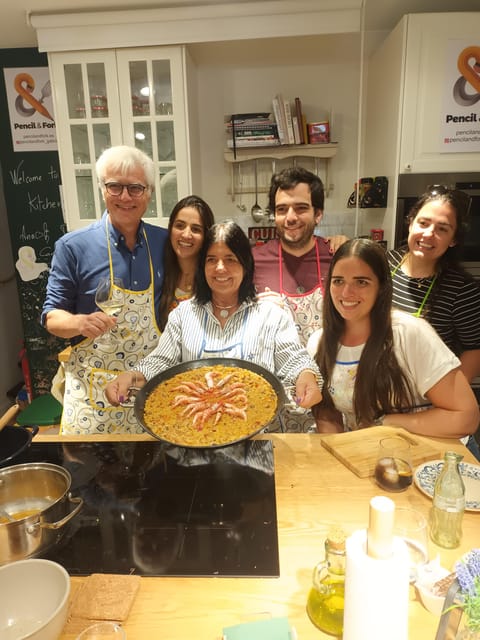
This is a strong fit for:
- People who enjoy food as an activity, not just as something to consume
- Couples or small groups who want conversation and a shared meal
- Anyone who wants Galician seafood cooking without guessing how to pull it off at home
- Visitors who want a half-day plan that ends early enough for sightseeing
It’s also a good option if you’re coming in with limited time. Because it runs 10:30 to 13:30, you can often fit it into cruise-day schedules or between other A Coruña stops.
Here’s when you should check first:
- If you don’t eat seafood or shellfish, you should ask about flexibility. The menu includes mussels, scallops, squid, and cockles, and seafood is clearly the center of the experience.
- If you have allergies, you’ll want clear answers before you book, since the dishes use multiple seafood components and ham in the scallop course.
If you’re comfortable with seafood-forward Galician food, you’ll probably leave with both a full stomach and a better understanding of what makes the region taste the way it does.
Practical tips to make your morning smooth
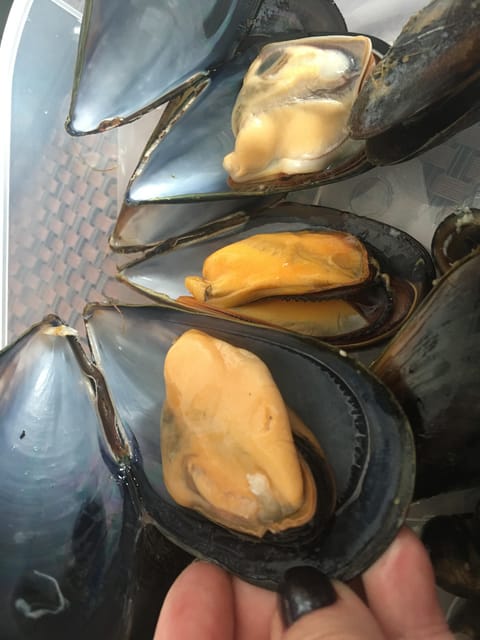
A few small things help you get the most out of it:
- Bring a camera for the seafood market. The visual variety is part of the fun.
- Wear comfortable shoes. You’ll be walking the market area and moving back to the kitchen.
- Go hungry. The menu is filling, and you’ll also have included drinks.
- Ask questions early. The coffee chat is a good moment to figure out how the ingredients will turn into your lunch.
- Plan for a full afternoon. Once the class ends at 13:30, you’ll likely want time to wander the neighborhood you’re in.
The overall setup is relaxed, and the hosts guide people into tasks without making it feel awkward. If you’re someone who worries about cooking in a group, this class seems to handle that well.
Should you book Pencil & Fork’s market shopping and cooking workshop?
Book it if you want the most direct route to Galician flavor: shop first, cook together, then eat a full seafood-and-wine lunch in a small-group setting. I especially like how the experience connects the market to the meal, so you understand what you’re tasting instead of treating it as random dishes.
Consider skipping or asking questions first if seafood and shellfish aren’t your thing. The menu is clearly designed around those ingredients, including mussels, scallops, squid, and cockles. If you can’t eat them, you might not get the version of the experience you’re expecting.
If your trip timing allows a three-hour morning, this is a memorable, practical food day in A Coruña—one that gives you recipes you can use later, not just a nice meal today.
FAQ
Where do you meet for the workshop?
You meet at Pencil & Fork, located at c/Alfredo Vicenti 29 in A Coruña, for coffee before heading to the local market.
What time does the experience run?
The workshop runs from 10:30 until 13:30 (a total of about 3 hours).
How long is the cooking and market experience?
It lasts 3 hours, from the meet-up at Pencil & Fork through shopping, cooking, and eating lunch.
What languages are the instructors?
The instructor and host support English and Spanish.
How big is the group?
The group is kept small, limited to 8 participants.
What dishes are included in the menu?
The menu includes fresh tomatoes with extra virgen olive oil and volcanic salt; chicharrones with melted cheese toast; mussels cooked in Godello wine; baby scallops with serrano ham; squids and cockles paella; and Santiago cake (almond cake). The menu may vary by season.
What drinks are included during lunch?
All drinks are included: wine, beer, and soft drinks. Tea or coffee are also included.
Are recipes shared after the experience?
Yes. Recipes are shared after the experience.
Is the workshop wheelchair accessible?
Yes, the experience is wheelchair accessible.
Do I need to tip, and can I cancel for a refund?
Tips are not included, but they’re much appreciated. You can cancel up to 24 hours in advance for a full refund.