REVIEW · ROME
Rome Cooking Class
Book on Viator →Operated by Dolce Vita Tourism Agency · Bookable on Viator
Pasta lessons in Rome feel like cheating. A small-group, beginner-friendly hands-on class turns you into someone who can make homemade pasta and an Italian dessert.
What I like most is the professional chef who teaches you step by step in English, with room for lots of questions. You’ll also be tasting wine while learning, which makes the whole meal feel like a real Roman dinner, not a demo.
One thing to consider: the format is focused and tight at about three hours, with a set menu built around fettuccine, ravioli, and tiramisù. If you want a longer session or a totally different menu, this may feel a bit short or specific.
In This Review
- Key Highlights to Know Before You Go
- A Beginner-Friendly Rome Cooking Class That Actually Teaches
- Where You Start: Via Firenze, 8 at 6:00 pm
- The Pace and Group Size: What a Max-6 Class Changes
- Fettuccine Lessons: The Skills You’ll Use Again
- Ravioli Time: Filling, Sealing, and Getting It to Work
- Tiramisù Finish: A Dessert That’s Built for Beginners
- Wine and Dinner: How the Class Turns Into a Real Meal
- Price and Value: What $105.33 Really Buys
- What to Expect From the Chef: Questions Are Part of the Plan
- Is This the Right Fit for You?
- Practical Tips for a Smooth Night
- Should You Book This Rome Cooking Class?
- FAQ
- What’s the duration of the Rome cooking class?
- How many people are in the class?
- What language is the class taught in?
- What menu do you learn to make?
- What’s included in the price?
- Is wine included?
- Where do you meet, and when does it start?
- Are tips included?
- What is the cancellation policy?
Key Highlights to Know Before You Go
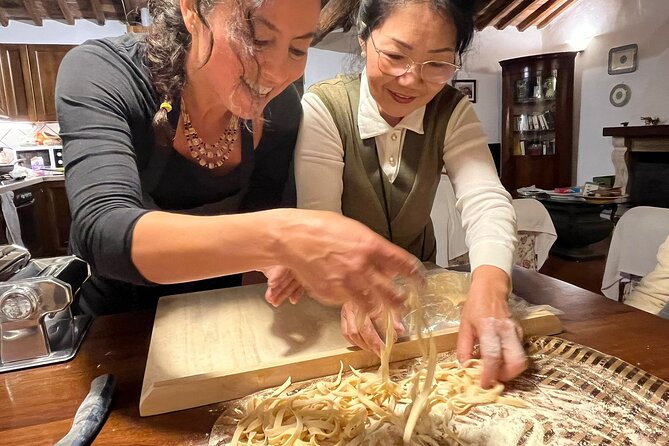
- Small-group size (max 6): more time for questions and hands-on help
- Beginner-friendly, hands-on instruction: you don’t need prior pasta skills
- Set menu you can repeat at home: handmade fettuccine, ravioli, and tiramisù
- Equipment and ingredients provided: less stress, fewer logistics
- English instruction: clear coaching and easy Q&A
- Wine + dinner included: the class ends like an actual Roman meal
A Beginner-Friendly Rome Cooking Class That Actually Teaches
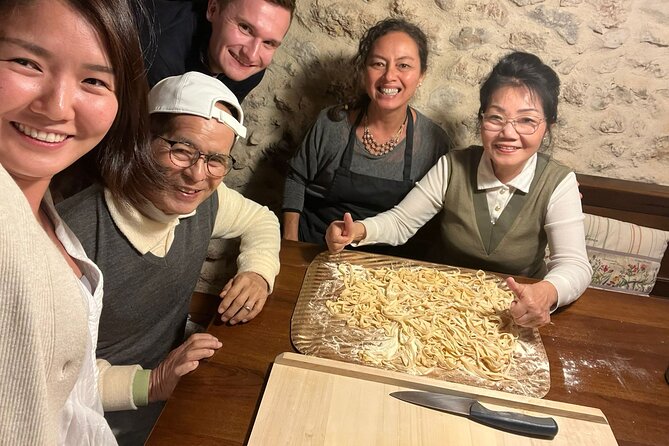
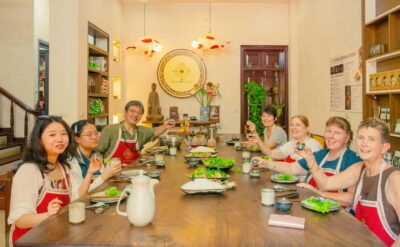
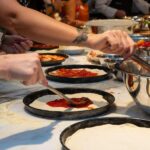
Rome is full of food experiences. This one is different because you don’t just watch. You make the food. In about three hours, you’re guided through an Italian menu you can redo later, at home, without needing to “wing it” from memory.
The heart of the experience is hands-on pasta. You’ll learn to prepare traditional pasta by making homemade fettuccine and handmade ravioli—not just assembling store-bought items. That matters because pasta is technique-heavy. Once you understand the process, everything else gets easier: shaping, timing, and how the dough should feel.
And it’s built for first-timers. You’re not being asked to already know how to knead, roll, and fill. The class is set up so a beginner can keep up, with the chef guiding each step and answering questions as you go. That friendly structure is a big reason people leave happy—and it’s also why this is great value for the price.
You can also read our reviews of more tours and experiences in Rome.
Where You Start: Via Firenze, 8 at 6:00 pm
The meeting point is Via Firenze, 8, 00184 Roma RM, Italy, and the class starts at 6:00 pm. It ends back at the same spot. That simple “in and out” rhythm is practical in Rome, where getting around can sometimes feel like a puzzle.
It’s also described as being near public transportation, which helps a lot if you’re staying somewhere central but not right next door to the activity. Start time matters too: a 6 pm cooking class is timed perfectly for a dinner plan. You’re learning, tasting, and then eating what you made, so you don’t have to squeeze in a separate restaurant stop afterward.
One small tip: show up a bit early. Even with a short class, you’ll want a calm start so you can settle in, meet the chef, and get your prep station ready without feeling rushed.
The Pace and Group Size: What a Max-6 Class Changes
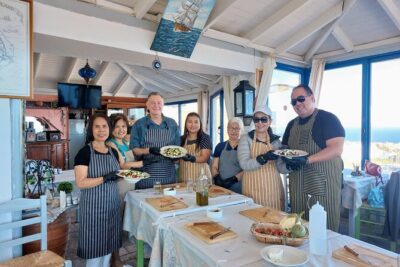
This experience caps at 6 travelers. In a city like Rome, that’s a big deal. When the group is small, you’re more likely to get real coaching rather than the “watch and hope” style that can happen in larger classes.
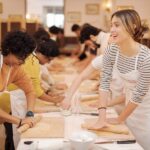
In practice, that means you can ask questions at the moment you have them—like when your dough feels too sticky, or when you’re unsure how thick to roll. The pace also tends to be more flexible. If you’re slower on a step, you’re not automatically left behind while the group moves on.
For a beginner, this is huge. Cooking skills build in layers, and the only way that sticks is repetition with feedback. With six people, you get more of that feedback. That’s also why the chef’s role feels central in the class: you’re not just getting information—you’re getting correction and encouragement.
Fettuccine Lessons: The Skills You’ll Use Again
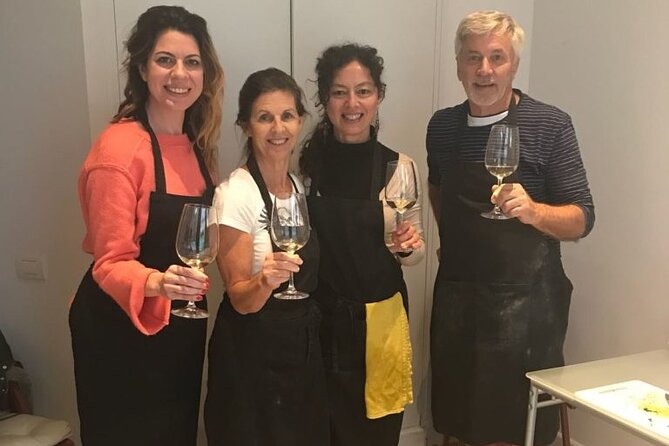
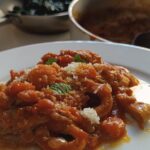
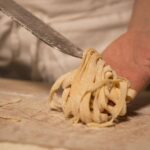
The menu starts with handmade fettuccine. This is a smart choice for a cooking class because fettuccine teaches foundational pasta skills. You learn how to work the dough, how to get it to a manageable thickness, and how to cut it into long ribbons.
Even if you don’t become a pasta machine overnight, this part teaches you the biggest pasta lesson: texture. Pasta dough should behave in a certain way—pliable, not tearing, and not overly wet. When you understand what the dough is supposed to feel like, you can troubleshoot at home.
What I’d focus on during this stage:
- Watch how the chef handles adjustments, like dough consistency changes.
- Ask what “right” looks like for your batch, not just how to do the steps.
- Take a mental note of timing—pasta doesn’t wait for you.
Also, since equipment and ingredients are provided, you won’t waste class time hunting for tools. You’ll be using what you need, in the way the chef expects, which makes your learning smoother. That’s a quiet but real value: fewer interruptions, more done.
Ravioli Time: Filling, Sealing, and Getting It to Work
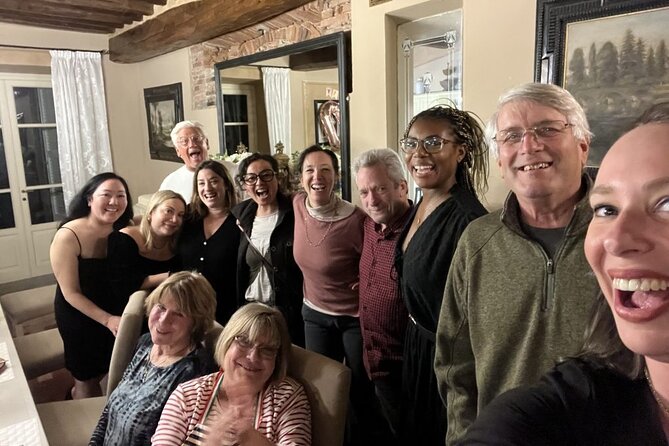
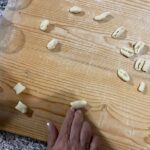
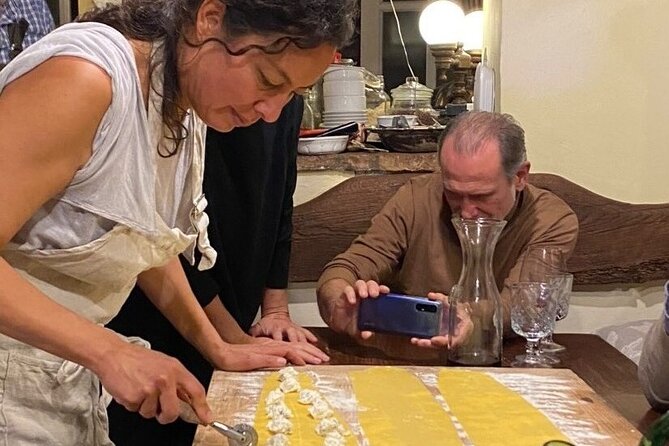
Then comes handmade ravioli. Ravioli is where things get more fun—and more challenging. The technique is different. You’re not just cutting pasta; you’re shaping portions, adding filling, and sealing so they cook correctly.
This is a good class segment because it forces you to pay attention to the details that separate decent ravioli from good ravioli. Sealing matters. Too little closure and they can open. Too much force can make them clumsy. And the filling balance matters too, since ravioli is all about bite-sized flavor.
If you’re nervous about this part, don’t be. The class is built around beginner participation, and the chef is there to guide you. Plus, ravioli is a very “do-able” goal for learning. You can finish a plate of ravioli and instantly understand the technique without needing a culinary degree.
One practical mindset: treat ravioli like practice, not perfection. You’re learning a process. If one or two pieces look different, it’s still progress. And once you’re eating, you’ll realize that even imperfect ravioli still tastes great when it’s homemade.



Tiramisù Finish: A Dessert That’s Built for Beginners
The dessert is tiramisù. This is another smart selection. It’s classic, crowd-pleasing, and it helps round out the meal after the flour-and-dough work.
Tiramisu also teaches a different type of kitchen skill: assembly and timing. Even if you’ve never made it before, you can follow directions step by step and see how everything comes together. It’s not just about mixing ingredients—it’s about building the dessert so it holds up when you eat it.
This ending matters for two reasons. First, after pasta, you’ll be hungry. Second, learning dessert on the same night gives you a complete menu set, which is exactly what you want if your goal is to cook again at home.
Wine and Dinner: How the Class Turns Into a Real Meal
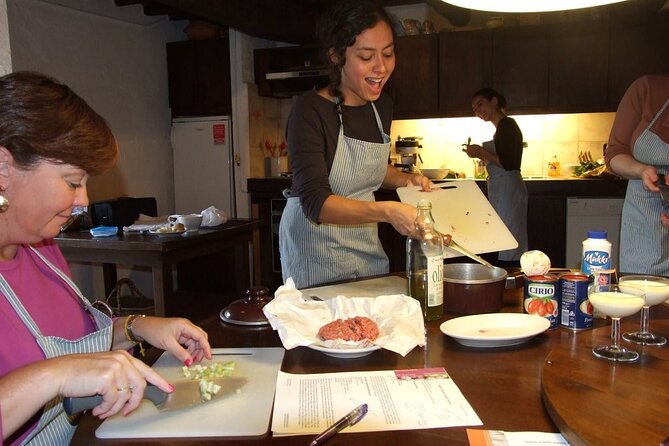
The experience includes dinner, and the class experience also mentions tasting plenty of good wine. That combination is part of what makes this feel like an authentic Rome evening rather than a rushed activity.
Think of it like this: the cooking is the main event, but wine and eating are what make the experience feel social and celebratory. You’re not standing over a counter forever. You’re learning, tasting, and finally sitting down with what you made.
If you’re a planner, this is also helpful. You can treat this as your main dinner plan on that day. You don’t have to pre-book a separate restaurant. You’ll already be fed.
Price and Value: What $105.33 Really Buys
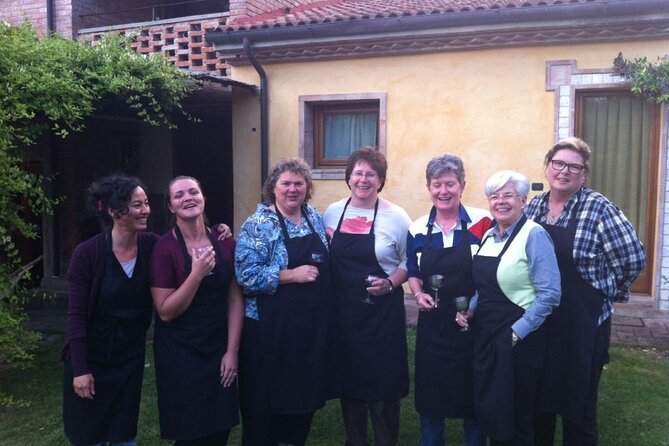
At $105.33 per person for about three hours, the price can look “high” on first glance—until you break down what’s included.
You’re getting:
- A chef teacher who guides the process
- Fresh ingredients
- All required equipment
- Dinner
- Bottled water
- And wine tasting as part of the class experience
- Plus the class runs in a small group of up to 6, which tends to increase individual attention
For me, the best value part is not the wine or even dinner. It’s the skill transfer. You leave with a menu you can redo: handmade fettuccine, handmade ravioli, and tiramisù. That kind of “take-home ability” makes the cost feel less like an expense and more like buying a lesson you’ll use more than once.
Also, it’s offered in English, which matters because clarity affects learning. If you’re trying to make pasta again later, you’ll rely on understanding the technique more than you’ll rely on fancy equipment.
Tips aren’t included, so budget a little extra if you like to tip well.
What to Expect From the Chef: Questions Are Part of the Plan
One of the strongest themes in the feedback is that the chef explains clearly and you can ask questions without feeling like you’re taking too much time. That’s exactly what you want in a class like this—because pasta has lots of small variables.
Common questions you can expect to ask (and the chef will likely help with):
- How should the dough feel at different stages?
- What thickness is right for fettuccine?
- How do you seal ravioli properly?
- What’s the best way to assemble tiramisù ingredients?
The small-group setting supports that. With six people, the chef can actually check your work and adjust based on what you’re doing. That makes the class feel personal in the good way, not the awkward way.
Is This the Right Fit for You?
This class is a great match if you:
- Want a hands-on Rome cooking class with real technique
- Are a beginner and want step-by-step help
- Like eating what you make
- Prefer small groups over big “watch the instructor” tours
- Want an evening plan that doubles as dinner
You might hesitate if you:
- Need something tailored to a specific diet (the menu is set around the items listed)
- Want a longer, deeper pasta workshop
- Are hoping for a walking tour or lots of sightseeing stops (this is focused on cooking)
Practical Tips for a Smooth Night
A few simple things will help you get the most out of the evening:
- Wear comfortable clothes you don’t mind getting a little flour on.
- Bring a phone you can use for quick reference photos before you forget where you learned each step.
- Ask questions early, not only when you feel stuck. The chef can help you adjust before mistakes pile up.
- Pace yourself with wine if you plan to walk back afterward.
And remember: this is about learning. If your first plate isn’t perfect, you’ll still have a skill you can build on the next time.
Should You Book This Rome Cooking Class?
Yes, I’d book it if you want a smart, beginner-friendly way to experience Roman food beyond a restaurant table. The small group, the hands-on pasta skills, and the complete menu you can repeat at home make the price feel justified.
If you’re the type who likes to take home a practical souvenir—something you can actually cook—this fits. If you want a sightseeing-heavy evening with lots of wandering, look at other formats. For an evening that ends with homemade pasta and tiramisù, this one is a very solid choice.
FAQ
What’s the duration of the Rome cooking class?
It runs for about 3 hours.
How many people are in the class?
The class has a maximum size of 6 travelers.
What language is the class taught in?
The class is offered in English.
What menu do you learn to make?
The sample menu includes handmade fettuccine, handmade ravioli, and tiramisu.
What’s included in the price?
Included are the chef teacher, dinner, fresh ingredients, equipment, bottled water, and a mobile ticket.
Is wine included?
The experience description says you’ll be tasting good wine during the class.
Where do you meet, and when does it start?
You meet at Via Firenze, 8, 00184 Roma RM, Italy at 6:00 pm, and it ends back at the meeting point.
Are tips included?
Tips are not included.
What is the cancellation policy?
You can cancel for free up to 24 hours in advance for a full refund.