REVIEW · AHANGAMA
Authentic Sri Lankan cooking class
Book on GetYourGuide →Operated by kumbukgroup · Bookable on GetYourGuide
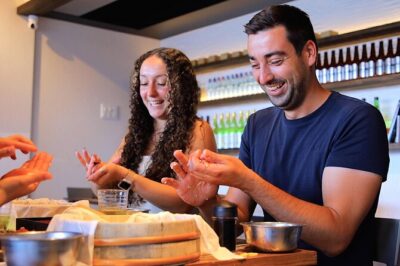
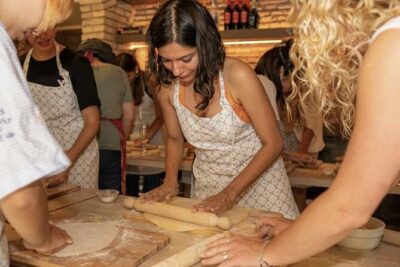
Cooking here feels like homecoming. In Kotapola, you’ll learn Sri Lankan cooking from a local host called Mama, using traditional tools in an open-air setup that smells like cinnamon and curry leaves. I love two things most: the way you learn curry as a whole cooking philosophy (not just a single dish), and the hands-on spice work tied to health benefits. One practical drawback: if your group is closer to the larger end, you may wait briefly during shared steps like cracking and portioning coconuts.
This is also a class that connects food to the land. You’ll hear about indigenous farming, compost and crop rotation, and what Weil water means in local kitchen life—then you’ll cook with ingredients treated as seasonal, purposeful, and not wasted. Expect a strong focus on wellness themes like spices and herbs for body and mind, even while you’re actively cooking.
Plan for 4 hours in a small group (up to 10). You’ll want a charged smartphone for notes and photos, and it’s not suitable for wheelchair users, since you’ll be in and around a home kitchen.
In This Review
- Key Highlights You Should Know
- A Home-Kitchen Setting in Kotapola’s Coconut Village
- Meet Mama: How the Class Turns Ingredients Into a Lesson
- Curry-Making as a System: More Than One “Curry Dish”
- Indigenous Farming, Compost Cycles, and Weil Water
- Traditional Tools and Spice Health: What You Actually Learn to Use
- Coconut Moments and Why They Matter
- What You’ll Eat: Several Curries, Dessert, and a Big Appetite
- Price and Value: Is $43 Fair for 4 Hours?
- Practical Tips Before You Go
- Who Should Book This Cooking Class (and Who Might Skip It)
- Should You Book This Sri Lankan Cooking Class in Kotapola?
- FAQ
- How long is the Sri Lankan cooking class?
- Where is the meeting point in Kotapola?
- What’s included in the price?
- What languages are spoken by the instructor?
- What should I bring?
- Is this experience wheelchair accessible?
Key Highlights You Should Know
- A home kitchen in Kotapola: open-air cooking using bamboo, clay, and palm-leaf materials
- Curry as a philosophy: you learn the logic behind balance of flavors and textures
- Indigenous farming + Weil water: learn how food grows and how it stays practical in daily life
- Traditional tools and spice prep: you’ll work directly with local methods, not just watch
- Coconut hands-on moments: you might even help with steps like climbing and opening coconuts
- Health-focused spice explanations: why certain herbs and spices are used, not just how to use them
A Home-Kitchen Setting in Kotapola’s Coconut Village
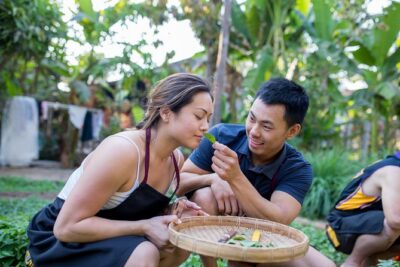
The setting is what makes this class feel different from most cooking tours. You’re not in a polished studio or a showroom kitchen. You’re at a real home in Kotapola, with open-air cooking that uses natural building materials and gets cooled by the breeze. In the air, you’ll notice that Sri Lankan flavors start long before the first bite—roasted spices, warm oils, and fresh aromatics.
I like that you can see the rhythm of village cooking. The class doesn’t rush; it moves with the pace of real meal prep. And because it’s a home setup, you get a personal welcome that feels human, not scripted.
The only thing to keep in mind is the physical environment. This experience isn’t marketed for wheelchair access, and the home-kitchen layout may involve uneven surfaces and steps around the cooking area.
Meet Mama: How the Class Turns Ingredients Into a Lesson
Your guide is a local cook known as Mama, and she leads with both food knowledge and a healing-spice mindset. The format is side-by-side, so you’re doing more than standing around. You’ll learn how Sri Lankan cooking thinks: balance, contrast, and function.
One detail I really respect is that the class teaches you how to understand curry instead of copying a single recipe. In Sri Lanka, curry isn’t framed as just one dish. It’s a way of cooking—mixing heat with cooling notes, bitter with sweet, dry with juicy, and grounding with light. That explanation changes how you cook at home later. You start tasting ingredients for their role, not just their flavor.
The class also brings in a mind-body element. If you enjoy wellness-oriented experiences, you’ll likely feel that the cooking process is treated as something restorative, not just educational. Still, you’re never asked to sit through a theory lecture—you’re always chopping, grinding, or cooking.
Curry-Making as a System: More Than One “Curry Dish”
You’ll cook several types of curries, which matters because it teaches variety in technique and flavor. Each curry has its own purpose and feel, and the class uses those differences to show you how the same basic ingredients can behave in distinct ways.
Here’s what you’ll walk away with conceptually:
- How spices are introduced (timing and heat control)
- How textures shift when you use local fats and fresh aromatics
- How sweet, sour, bitter, and heat can coexist without one overpowering the rest
Even if you’re a beginner, this approach is easier to learn than a one-curry class. You’re practicing the underlying logic repeatedly while building confidence.
From a practical angle, this also explains why the class can feel active and lively. Multiple dishes mean multiple spice stages, so your hands—and your senses—stay busy.
Indigenous Farming, Compost Cycles, and Weil Water
One of the most valuable parts is that you learn where the ingredients come from and how they’re handled. The class includes indigenous farming practices like rotating crops, using compost produced from kitchen waste, and using Weil water in local life and food routines.
It’s not just a story. It’s a lens for cooking. When you understand that ingredients are seasonal and grown with care, you cook differently. You stop expecting flavor to come from packaged shortcuts and start letting freshness do its job.
The class also highlights waste-smart habits. Coconut husks can become fire starters, peels can become feed, and ashes can be used for natural cleaning. You might not use those exact methods at home, but the mindset is practical. It pushes you to treat ingredients with respect and avoid throwing away parts that still have value.
I like that this piece of the class makes the cooking feel grounded. You’re not learning spices as fancy curiosities. You’re learning them as tools in an entire food system.
Traditional Tools and Spice Health: What You Actually Learn to Use
You’ll use traditional tools, not just modern gadgets. That’s more than cultural theater. Hand tools and local grinding methods can change how spices smell and perform. Freshly crushed spice powders smell stronger and feel more aromatic, and you’ll probably notice the difference compared with pre-ground versions you buy in stores.
The class also focuses on the health benefits of spices and herbs. Based on the way Mama explains ingredients, you’ll understand why certain spices are used for warmth, digestion support themes, and general wellbeing. You won’t leave with a medical promise, but you will understand the practical, traditional reasons people keep using these ingredients.
This is where reviews really line up: people value the clear explanation of health benefits, not just the cooking process. And you get lots of chances to try and test things yourself, rather than only watching.
If you want to get the most out of it, pay attention to aroma changes as spices cook. In Sri Lankan cooking, smell is information. Learn to notice when coriander seeds roast, when curry leaves crackle, and when oils shift from flat to fragrant.
Coconut Moments and Why They Matter
Some cooking classes use coconuts as a background ingredient. Here, you may get hands-on with coconut steps—one person’s experience included climbing a part of the coconut tree and then opening the coconut. Even if your group doesn’t do that exact height-related step, you should expect coconut to be part of the learning flow.
Why does this matter? Because coconuts influence flavor structure in Sri Lankan cooking. Coconut oil and coconut-based elements often round out heat, add body, and help spices bloom. When you physically handle the ingredient, you’re less likely to treat coconut as a mysterious add-on.
One thing to plan for: coconut handling is shared work. If your group is closer to the larger end, you could see wait time while coconuts are portioned and distributed. It’s not a problem with the food—it’s a side effect of doing real, hands-on prep together.
What You’ll Eat: Several Curries, Dessert, and a Big Appetite
The class includes several types of curries and a Sri Lankan dessert. You’ll eat what you cook, so it’s not just a tasting-and-leave situation. This is the kind of experience where coming hungry is smart—reviews consistently point out that there’s plenty of delicious food.
The value here is real: you’re paying for time, instruction, ingredients, and the meal. A lot of cooking tours offer a few samples. This one aims to feed you properly after you do the work.
Also pay attention to the difference between packaged versus freshly prepared ingredients. Freshly cooked spice mixes and farm-fresh elements have a different smell and flavor depth. If you’ve ever wondered why homemade versions taste more alive, this class gives you a clear comparison moment.
Price and Value: Is $43 Fair for 4 Hours?
At $43 per person for about 4 hours, the price works out best if you care about hands-on learning and you like eating what you cook. You’re getting:
- Instruction from a local home cook (Mama)
- Several curries plus dessert
- Weil water included
- A recipes file so you can recreate things later
What’s not included matters too. Transfer isn’t included, and bottled water isn’t included. That means you’ll want to plan how you get there and whether you’ll bring or buy water on the spot.
So, is it worth it? For me, it comes down to whether you want a meal-centered cooking experience with cultural and wellness context. If you want quick samples and photos, you might feel it’s too much work. If you want to learn the logic of Sri Lankan curry and actually cook multiple dishes, the value is strong.
Practical Tips Before You Go
A few small details will make your experience smoother.
Bring a charged smartphone. You can use it for notes, reference photos, and tracking the spice steps you want to remember later. Also expect an environment where alcohol and drugs aren’t allowed, so keep your plan clean and simple.
Language options include English, Singhalese, and Russian. If you don’t speak one of those, you may want to check how communication will work before booking, since the core teaching happens live.
And yes, expect a small group (limited to 10). Even with that cap, you may experience short waits during hands-on distribution steps. That’s normal for shared cooking prep; just don’t plan this class as a break between tight appointments.
Who Should Book This Cooking Class (and Who Might Skip It)
This experience suits you if:
- You love spice cooking and want to understand how curry works as a system
- You enjoy learning from local hosts in real homes, not stage kitchens
- You want wellness-focused ingredient explanations without it turning into a lecture-only day
- You like to eat well after cooking
You might skip it if:
- You need wheelchair-friendly access
- You hate waiting during shared hands-on steps
- You only want a light tasting experience rather than cooking multiple curries and eating a meal
Should You Book This Sri Lankan Cooking Class in Kotapola?
I’d book it if your goal is practical learning plus a proper meal in a real village home. The big win is the way curry is taught as a philosophy, paired with traditional tools, spice health explanations, and indigenous farming context. It’s also one of the better values when you compare what you actually cook and eat over a full 4-hour session.
Book it with hunger, flexibility, and a willingness to get your hands in the process. If you do that, you’ll leave with more than recipes—you’ll have a way to think about flavors you can actually use back home.
FAQ
How long is the Sri Lankan cooking class?
The class lasts 4 hours.
Where is the meeting point in Kotapola?
The meeting point is a house with the black gates.
What’s included in the price?
Included are several types of curries, Weil water, Sri Lankan dessert, and a recipes file.
What languages are spoken by the instructor?
The instructor can guide in English, Singhalese, and Russian.
What should I bring?
Bring a charged smartphone.
Is this experience wheelchair accessible?
No, it’s listed as not suitable for wheelchair users.