REVIEW · MILAN
Market Tour and Cooking Class
Book on Viator →Operated by Cook and Dine · Bookable on Viator
A morning market walk can turn into a full-on cooking win. This Milan experience pairs a chef-guide market selection with hands-on cooking in a small group, then ends with a shared lunch and wine. I especially like the market-to-kitchen flow and the fact you make the food yourself, not just watch. One thing to consider: there’s no hotel pickup, so you’ll need to get yourself to the meeting point.
Expect to spend about four hours from start to finish, and bring your appetite. You’ll be in a group of up to 8, and that small size means the guide can give you real coaching while you cook. If you want a slow, sightseeing-heavy stroll with lots of free time, this is more hands-on than that.
In This Review
- Key highlights to look for
- Entering Milan’s market mindset at street level
- Getting to the start: the simple meet point plan
- Choosing ingredients like a chef-guide (without needing chef skills)
- From market to kitchen: Via Mantova 19 setup
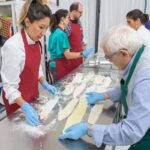
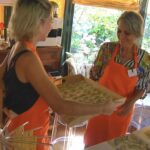
- The cooking class: four Italian classics with real technique
- Parmigiana di melanzane (eggplant parmigiana)
- Lasagna (vegetarian or traditional)
- Fresh pasta + your choice of sauce style
- Stuffed pasta: ravioli or tortellini
- Cod fish in Venetian style, cooked in milk
- Tiramisu for dessert
- Welcome drink, wine with lunch, and eating as part of the lesson
- Price and value: why $180.21 can make sense here
- Who should book this and who might not love it
- Should you book this market tour and cooking class?
- FAQ
- What is the meeting point for the tour?
- What time does the experience start?
- How long does the tour last?
- Is hotel pickup included?
- Is the tour offered in English?
- How many people are in the group?
- Is lunch included, and is there any drink?
- Can I request a vegetarian option or dietary requirements?
- Can I cancel and get a full refund?
Key highlights to look for
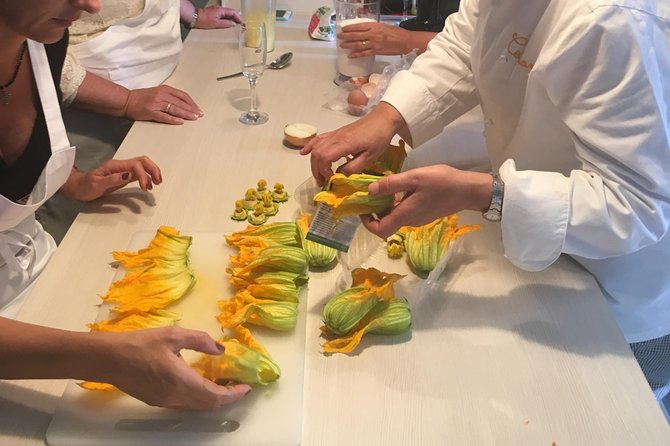
- Street market shopping with a chef-guide to choose top produce, fish, cheese, and meats
- Four classic Italian recipes taught in a practical, make-it-yourself way
- Welcome drink while you cook, plus wine with lunch
- Small group size (max 8) for more attention at the cutting board
- Handmade pasta + traditional sauces, including options for vegetarian versions
- A sit-down meal with what you cooked, not just a snack and a stamp
Entering Milan’s market mindset at street level
If you’ve ever wandered through an Italian market and felt a little lost, this tour fixes that fast. You’re not just looking at food. You’re learning how to pick it. With a chef-guide leading the way, you’ll start by selecting ingredients that actually match the cooking you’ll do later.
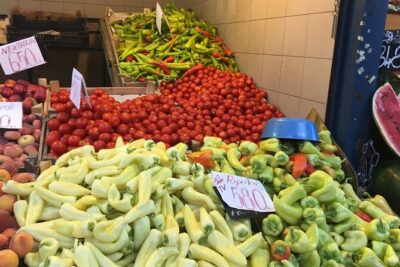
This is also where Milan food becomes less abstract. You’ll see seasonal fruits and vegetables, plus fish and cheeses that look like they belong in a cookbook. The guide’s job is to help you notice what matters: what looks fresh, what’s in season, and what will taste good in a real recipe, not just on a label.
Two things I really liked about this approach:
- You leave with practical shopping instincts, the kind you can use later in any city.
- The shopping decisions connect directly to your lunch, so it doesn’t feel like a separate activity you’ll forget.
One possible drawback: market time can be active. If you prefer slow, indoor sightseeing, plan to stay flexible. You’ll be walking and choosing items, then moving into the kitchen soon after.
You can also read our reviews of more tours and experiences in Milan.
Getting to the start: the simple meet point plan
The tour meets at McDonald’s, V.le Sabotino 38, 20135 Milano, with a 9:30 am start. It ends back at the same meeting point, so you don’t have to think about a complicated drop-off.
There’s no hotel pickup. That’s not a deal-breaker, but it does mean you should map your route ahead. Since the meeting spot is near public transportation, you’ll likely use the metro anyway, and you’ll need a metro ticket for after the tour.
For timing, think of it like this:
- Morning market session first.
- Then a short transfer to the cooking kitchen for lunch together.
If you like clear structure (and most people do on a cooking tour), this one keeps things straightforward. You’ll know where to be and when.
Choosing ingredients like a chef-guide (without needing chef skills)
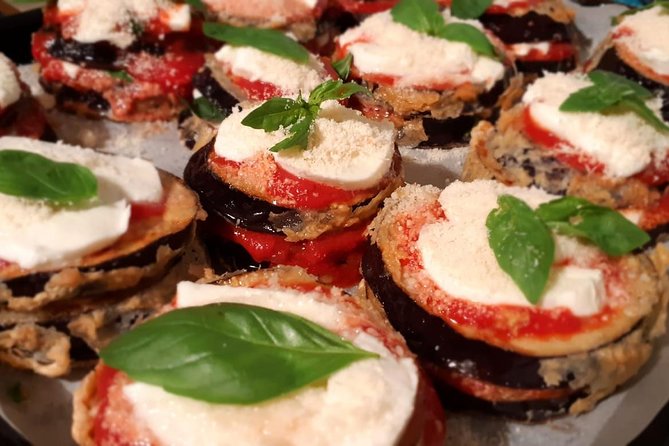
The market portion is the real education part. You’ll meet the chef-guide at the market, and you’ll buy ingredients together. This is where the guide’s value shows up: they point out what to look for and explain how those choices affect flavor.
Based on what I’ve seen in this kind of Milan street market teaching style, the focus tends to be on items that can’t be faked later. That includes:
- Produce that will hold up in frying, roasting, or sauces
- Fish that suits a specific preparation (not just whatever looks pretty)
- Cheese that melts, tastes sharp, or balances herbs
- Meat selections when you choose the traditional versions
A great bonus here is that you’ll learn buying tips you can reuse at home. One guide teaching moment that really sticks is the idea that basil stems have flavor while they cook, then you remove them. That kind of detail turns basic “add herbs” recipes into something deeper, but still easy enough to repeat.
This market shopping also gives you momentum. Once you’ve personally picked the ingredients, the cooking section feels like continuing a story, not starting from scratch.
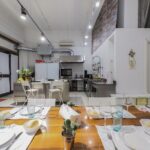
From market to kitchen: Via Mantova 19 setup
After about an hour in the market, you’ll head to Via Mantova 19 to cook and eat. This move matters more than it sounds. It keeps the morning’s shopping from going cold and theoretical.
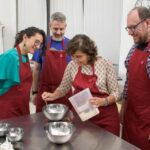
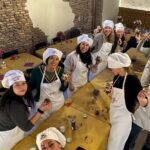
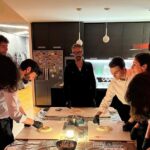
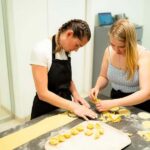
In the kitchen, you’ll find a more controlled rhythm: hands-on instruction, a working area designed for cooking, and enough structure to cover multiple recipes in one session. Since the group is limited to up to 8 travelers, the guide can keep an eye on everyone. That means less waiting and more real feedback while you chop, roll, stuff, or fry.
Also, because you’ll be cooking and then immediately eating what you make, you don’t have to guess whether the dish works. It does. You’ll taste it at the table.
The cooking class: four Italian classics with real technique
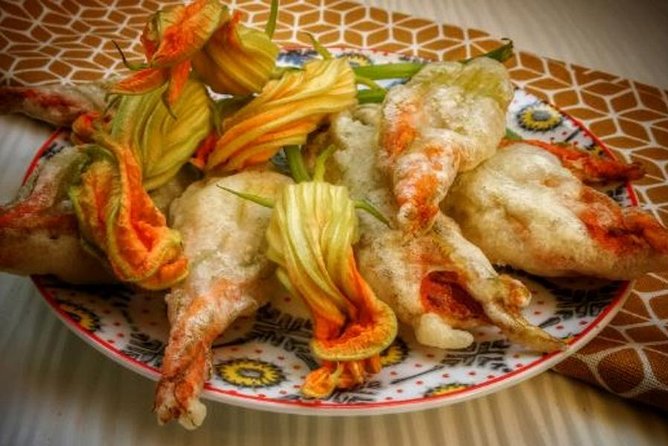
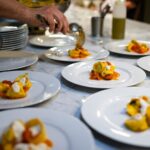
The headline promise is four classic Italian recipes, plus dessert. In practice, the session leans heavily into Italian comfort cooking: pasta you shape by hand, sauces that build flavor step by step, and dishes that feel familiar even if you’ve never cooked them before.
Here’s what the class menu commonly includes, so you know what your hands will be doing:

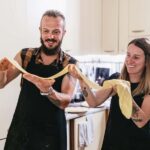
Parmigiana di melanzane (eggplant parmigiana)
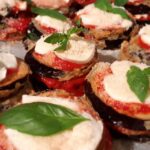
You’ll slice and fry eggplants, then assemble them with mozzarella, basil, and tomatoes. It’s a very Italian combination: salty-sweet tomato sauce, creamy cheese, and herb perfume.
This recipe teaches a key skill: how to manage ingredients that can turn greasy or soggy if you don’t handle them right. Once you’re building layers yourself, you understand why parmigiana is a technique dish, not just a taste dish.
Lasagna (vegetarian or traditional)
You’ll make lasagna in either a vegetarian version or a traditional meat version, depending on your choice. It’s a good anchor recipe because it teaches layering and sauce balance in a way that’s hard to learn from watching.
If you go vegetarian, you’ll still get the satisfying structure. If you choose traditional, you’ll see how the meat sauce changes the flavor arc.
Fresh pasta + your choice of sauce style
You’ll make handmade fresh egg pasta. Then you’ll pair it with different sauce directions such as:
- white sauce
- bolognese sauce
- pesto
- and a vegetarian approach with green beans
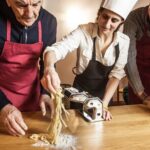
This part is why the class feels worth the money. Buying pasta at a shop is one thing. Shaping it correctly is another. When you do it yourself, the texture makes sense. The sauce choices also show you that Italian cooking isn’t one-note. It’s regional and flexible.
A small but useful coaching detail: the guide emphasizes tasting and seasoning in a very Italian way. One tip that really shows up in lessons is that you should use an Italian-style pinch of salt, meaning you don’t treat it like a dusting for decoration.
Stuffed pasta: ravioli or tortellini
You’ll also work on stuffed pasta such as ravioli filled with ricotta and spinach or tortellini. The focus is on filling and shaping so the pasta cooks properly and stays tender.
If your version includes ricotta and spinach, you get a classic, creamy filling that helps you understand why pasta dough is so important. If meat versions are chosen, you’ll see how stuffing changes portioning and cooking timing.
Cod fish in Venetian style, cooked in milk
Yes, milk. This is where the class gets fun if you like food that surprises you. The cod is prepared in the Venetian style, cooked in milk like locals do.
This recipe helps you learn another Italian principle: gentle cooking and flavor building. Milk changes the texture and makes the fish taste rounder. It’s a great reminder that Italian cuisine is often about careful technique, not just bold sauces.
Tiramisu for dessert
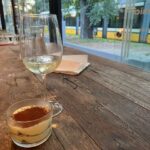
You’ll finish with tiramisu, a spoon dessert made with coffee, mascarpone, and eggs. It’s not just dessert. It’s the final payoff after a hands-on morning.
If you’re the type who wants to leave a class proud of what you made, tiramisu is a strong ending because it’s familiar, but still feels special when made in a real class setting.
Welcome drink, wine with lunch, and eating as part of the lesson
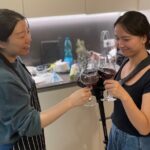
This isn’t a cooking class where you stand around and then grab a takeaway. You’ll enjoy a welcome drink while you cook, then wine with your lunch when you sit down together to eat.
That matters. Alcohol isn’t the point, but the shared meal is. When food is part of a table moment, you pay attention. You taste more. You notice how the sauces cling to pasta, how the eggplant layers hold up, and how the cod comes through with its milk-cooked softness.
And because the group is small, the meal doesn’t feel rushed or awkward. You’ll get time to eat what you made without turning the lunch into a conveyor belt.
Price and value: why $180.21 can make sense here
At $180.21 per person for about 4 hours, you’re paying for more than a recipe list. You’re paying for three things that cost time and skill:
- guided market ingredient selection
- real instruction while you cook (including pasta-making and shaping)
- a full lunch with wine, using what you make
Many food tours in cities like Milan charge for the experience, but this one also includes the meal created during the class. That can make the price feel more reasonable compared with paying separately for a market stop plus a restaurant lunch.
Also, the max 8 traveler size boosts the value. In a crowded group, you get less correction and more waiting. Here, you’re more likely to get hands-on coaching when you need it.
If you’re doing Milan on a budget, this still isn’t a cheap splurge. But if your goal is to learn something you can repeat at home, it’s one of the more direct ways to turn spending into skill.
Who should book this and who might not love it
This tour is a great fit if you:
- want a hands-on food experience rather than a passive tasting
- like learning how to shop for quality ingredients
- enjoy making pasta and classic Italian comfort dishes
- travel in small groups or even solo and want a more personal feel
It may not be your best pick if:
- you hate kitchens and would rather watch than cook
- you want a slower sightseeing day with lots of downtime
- you prefer a flexible itinerary where you can wander freely on your own
Still, for most people who enjoy eating well in Milan, this style of class is hard to beat. You’ll get a morning story, a kitchen lesson, and an actual lunch. That’s the full loop.
Should you book this market tour and cooking class?
If you want a Milan experience that mixes street-level food shopping with real cooking you can repeat later, I think this is an easy yes. The small group size, the chef-guide ingredient selection, and the chance to make multiple classic dishes from scratch make it feel practical, not just tour-shaped.
Book it especially if you care about technique: fresh pasta work, stuffed pasta shaping, and the Venetian milk-cooked cod. Those are the kinds of skills and flavor ideas that stick.
If your schedule is tight or you don’t want to handle transport to the meeting point, plan accordingly. No hotel pickup means you’ll need to arrive on your own.
FAQ
What is the meeting point for the tour?
The tour meets at McDonald’s, V.le Sabotino 38, 20135 Milano MI, Italy.
What time does the experience start?
It starts at 9:30 am.
How long does the tour last?
The duration is about 4 hours.
Is hotel pickup included?
No. Hotel pickup and drop-off are not included, and the activity ends back at the meeting point.
Is the tour offered in English?
Yes, it’s offered in English.
How many people are in the group?
This activity has a maximum of 8 travelers.
Is lunch included, and is there any drink?
Lunch is included, and you’ll have a welcome drink while cooking plus wine with your lunch.
Can I request a vegetarian option or dietary requirements?
Yes. Vegetarian options are available, and you can advise any specific dietary requirements at booking.
Can I cancel and get a full refund?
You can cancel up to 24 hours in advance for a full refund. If you cancel less than 24 hours before the start time, the amount paid isn’t refunded.