REVIEW · ROME
Cooking Class in Rome: Chef in a Day
Book on Viator →Operated by Federico Alessandri · Bookable on Viator
Fresh pasta in Trastevere sounds like a dream. This Rome cooking class links a market morning at Campo de’ Fiori with real hands-on pasta making, guided by Chef Federico Alessandri from start to finish. I especially like that you’re not just tasting or watching.
The other big win is the format: small-group instruction (maximum 11) with personal coaching as you shape three pasta types and sauce them properly. One possible drawback to plan for: you’ll spend most of the 5 hours on your feet, and transport isn’t included, so you’ll want to handle getting to Piazza Farnese and back to Trastevere.
In This Review
- Key Highlights That Matter
- Piazza Farnese Meet-Up: The Fastest Way to Get Oriented in Rome
- Campo de’ Fiori Market Tour: Shopping Like You Mean It
- Trastevere Cooking Session: Three Pastas, No Shortcuts
- The Full Meal Plan: From Appetizer to Dessert with Wine
- What You Really Learn (And Can Reuse at Home)
- Group Size and Timing: What 5 Hours Feels Like
- Price and Value: Is $147.49 Worth It?
- Who This Class Fits Best in Your Rome Trip
- Should You Book Chef in a Day?
- FAQ
- Where do we meet and when does the class start?
- How long is the class?
- What’s included in the price?
- Is transport included?
- Is the class offered in English?
- What about dietary requirements or kids?
Key Highlights That Matter
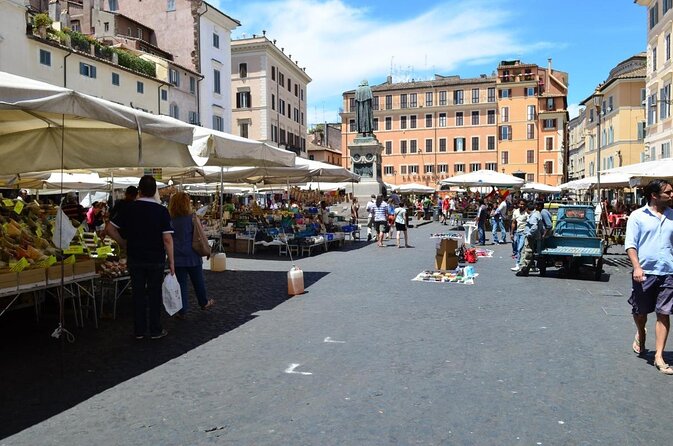
- Campo de’ Fiori shopping with your chef so your menu starts with what’s actually in season
- Three pasta varieties, three sauces so you leave with more than one technique
- Trastevere open-plan kitchen time for real work: dough, chopping, sauce building, plating
- Seasonal meal structure (appetizer, homemade pastas, meat course, dessert, wine) to taste the whole day’s logic
- Recipes emailed after the class so your pasta night back home has a real blueprint
Piazza Farnese Meet-Up: The Fastest Way to Get Oriented in Rome
Your day starts at Piazza Farnese in central Rome at 9:30am. That matters more than it sounds. It’s an easy reference point in the middle of things, and you begin with a menu chat before you ever pick up a shopping bag.
Here’s how this usually plays out in practice: you meet your professional chef (the class is run by Chef Federico Alessandri) and talk through what you’ll be making that day. Then you head out to shop ingredients. Starting with the plan helps the market make sense. Instead of wandering and hoping something looks good, you’re looking with purpose.
You’ll also get a feel for the day’s pace right away. Rome is a walking city, and this class doesn’t hide that. You’re here to learn by doing, so the morning sets you up for hands-on work later.
You can also read our reviews of more tours and experiences in Rome.
Campo de’ Fiori Market Tour: Shopping Like You Mean It
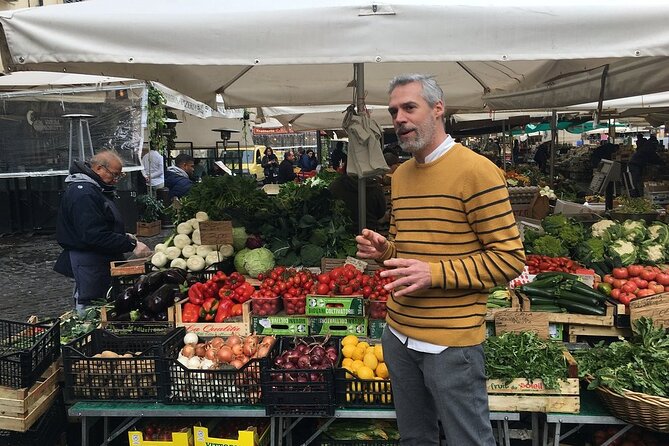
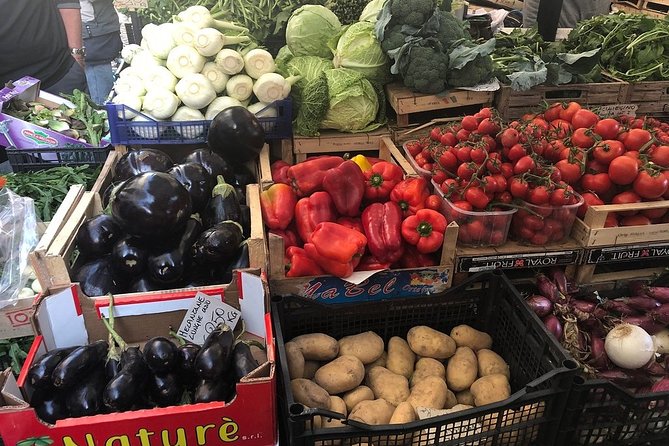
Next stop is Campo de’ Fiori, one of Rome’s best-known food hubs. You’ll walk through the stalls with your chef, choosing produce, herbs, spices, cheese, and the meat (if the day’s menu includes it).
This is the part I think you’ll remember. It turns cooking into a real decision-making skill: what should be used now, what flavors build depth, and how ingredient quality affects sauce and pasta. You’re not just buying food; you’re learning why certain items go together.
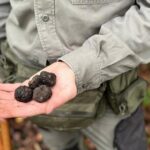
Also, market time is where you’ll see seasonal variety up close. You’ll learn how herbs and produce choices shift with the menu, and your chef will help you select items you’ll actually cook later in the kitchen. That’s what makes the class feel tied to Rome rather than generic Italian-food lessons.
Practical note: market strolling adds to your time on your feet. If you’re sensitive to standing, bring comfortable shoes and expect some walking.
Trastevere Cooking Session: Three Pastas, No Shortcuts
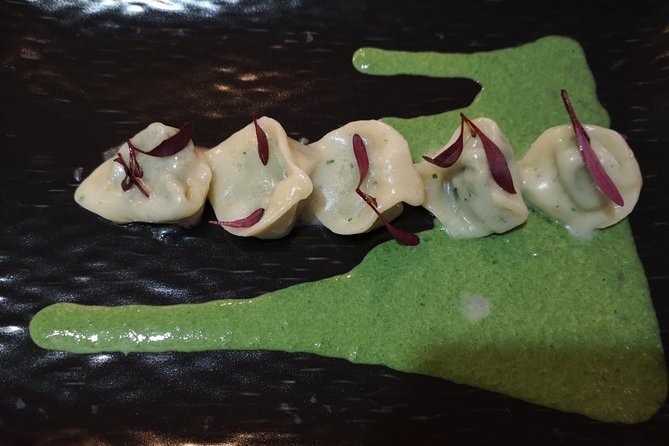
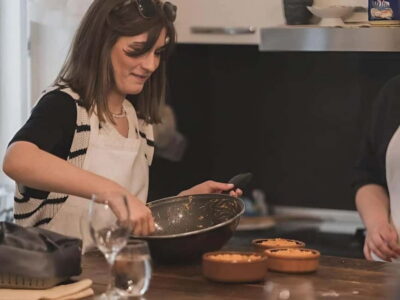
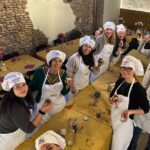
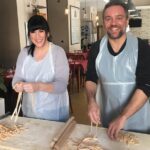
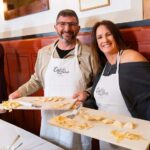
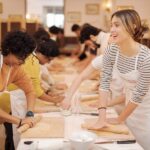
Once you’ve shopped, you move to your cooking space: an open-plan apartment in Trastevere. The setting is part of the charm. This isn’t a big show kitchen where you watch from a distance. It’s organized like a real kitchen you can move around in while you work.
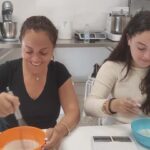
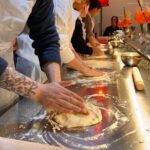
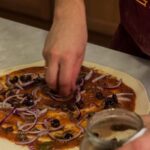
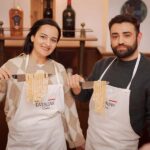
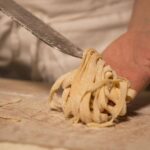
The class is 100% hands-on. That means you’ll be rolling up sleeves and touching dough. You’ll also chop vegetables, blend and build sauces, and present what you make at the end.
The core learning goal is three different pasta styles:
- A stuffed pasta
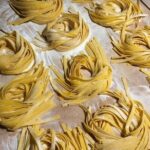
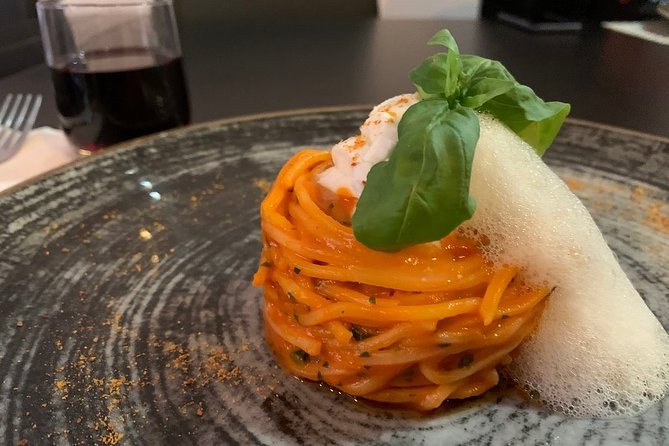
- A long pasta
- A short-medium pasta
And you’ll pair them with three different sauces.
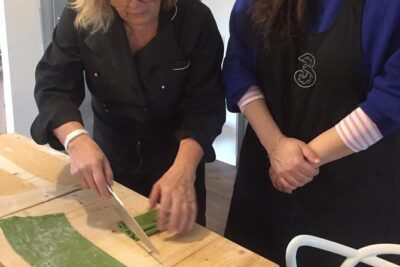
This variety is a smart value for your money. Most cooking classes teach one pasta method well. Here, you practice multiple shapes and dough behaviors, which is how you actually get better at pasta-making.
In the past, groups have made pasta using different dough approaches such as egg-and-flour pasta and semolina-based dough, and potato gnocchi has appeared on some menus. Don’t assume your class will match that exactly, because the menu changes seasonally—but the teaching style stays the same: hands-on technique first.
The Full Meal Plan: From Appetizer to Dessert with Wine
Your lunch isn’t an afterthought. The menu is structured like an Italian meal, with a little of everything that supports pasta-making rather than just stuffing you.
You can expect a seasonal flow that typically includes:
- An appetizer
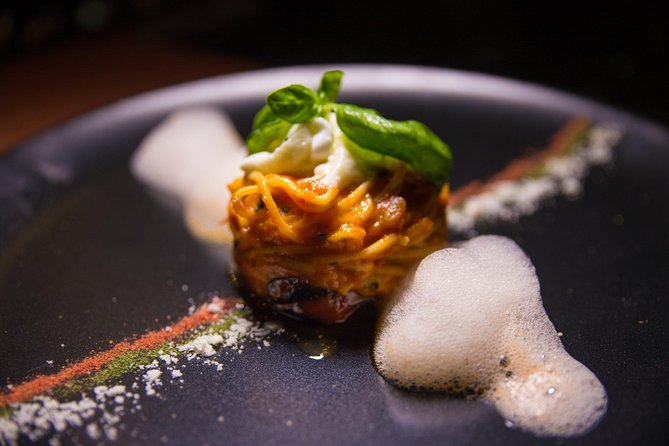
- Homemade pastas (the work you’ve been doing all morning)
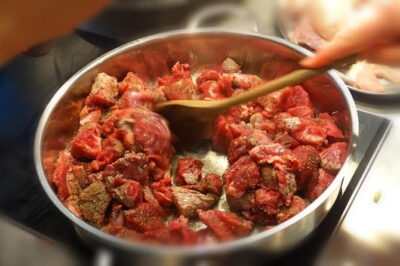
- A meat course
- Dessert
- Italian wine included with the meal
Two things I like about this structure.
First, you taste what the ingredients were chosen for. When you build a sauce, you understand what it’s trying to do. When you sit down to eat it, you get the result in context.
Second, the wine turns lunch into something you’d actually do in Italy: a long, relaxed meal where you talk while you eat what you made. One review even described it as lunch plus more of a social event, with a chef who keeps the energy up while still teaching the details.
If you’re vegetarian or have dietary needs, you’ll want to mention that at booking (the course asks you to note dietary requirements). Since the day includes a meat course, your chef may adjust what’s possible on the menu depending on what can be accommodated.
What You Really Learn (And Can Reuse at Home)
This class has a big advantage over “recipe-only” cooking experiences: you’re taught technique, not just steps. You learn the feel of dough, the logic of sauce building, and what changes when ingredients are seasonal.
Here are the skill areas you can expect to take home:
- Fresh pasta from scratch, including how dough should come together and behave as you shape it
- Sauce-making fundamentals, such as how to blend flavors and keep a sauce balanced
- Vegetable prep skills, like chopping methods that affect cooking and texture
- Cooking-timing judgment, so your pasta and sauce are ready to meet on the plate
And you don’t just get the dish at the end. You get the reasoning. Reviews consistently highlight that the chefs explain not only what to do, but why that step matters. That’s what lets you recreate a dish later without having to “copy the vibe.”
Then there’s the payoff after your trip: pasta recipes are emailed after the course. That’s huge if you want to cook again right away. You don’t have to rely on shaky memory after you go home and your notes are spread across three bags.
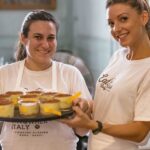

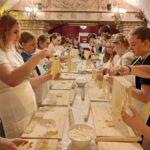
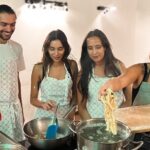
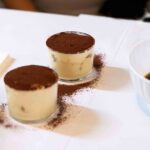
Group Size and Timing: What 5 Hours Feels Like
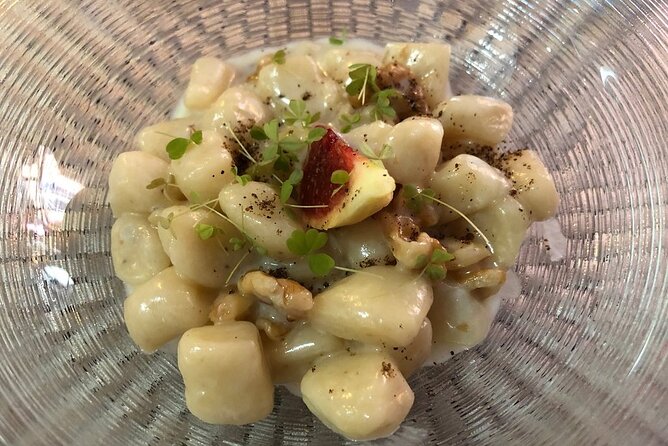
The class runs about 5 hours. It’s scheduled to start at 9:30am, and it ends after lunch—so you’re done for the day, with no late-evening commitment.
Group size is capped at 11 travelers, and there’s a minimum number needed to start the class (6). That small ceiling is a real benefit. It’s how you get coaching on your pasta rolling, shaping, and sauce choices instead of generic instructions.
The pace is hands-on and active. One consideration from the experience is that it can be mostly standing through the work. There are likely short pauses, but you should plan for active time. Comfortable shoes matter more than anything you pack.
Also, because transport isn’t included, you’ll want to plan how you’ll get to Piazza Farnese at the start, and how you’ll return from Trastevere after lunch. If you’re staying far from the center, give yourself extra time.
Price and Value: Is $147.49 Worth It?
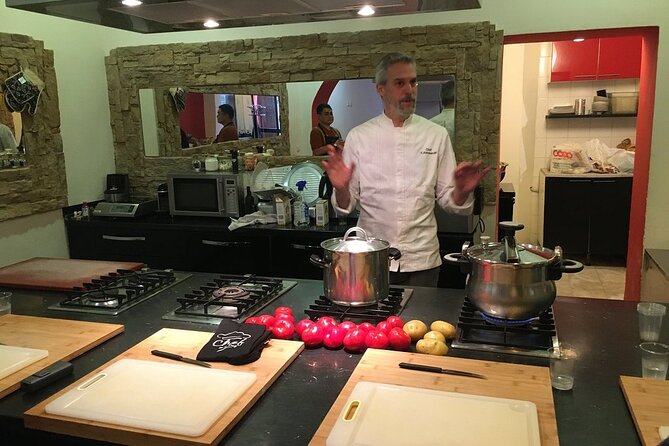
At $147.49 per person, you’re paying for more than a meal. You’re paying for chef time, market guidance, ingredient selection, and instruction that’s designed to be usable at home.
Here’s what you actually get for the price:
- Market tour with ingredient selection at Campo de’ Fiori
- A professional chef guiding the day
- Lunch you cook yourself
- Wine included with the meal
- Recipes emailed after so you can repeat your favorites
For value, the big piece is the teaching-to-eating ratio. You’re not paying for a single dish. You’re making multiple pasta types and sauces, then eating a full meal that uses what you cooked. Add in the wine, and the overall “you leave full and educated” effect feels more like a day you planned for than a quick tourist stop.
If you’re the type who buys cooking classes mainly for a nice souvenir recipe, it may feel pricey. If you want technique and a kitchen workout—this is a strong deal.
Who This Class Fits Best in Your Rome Trip
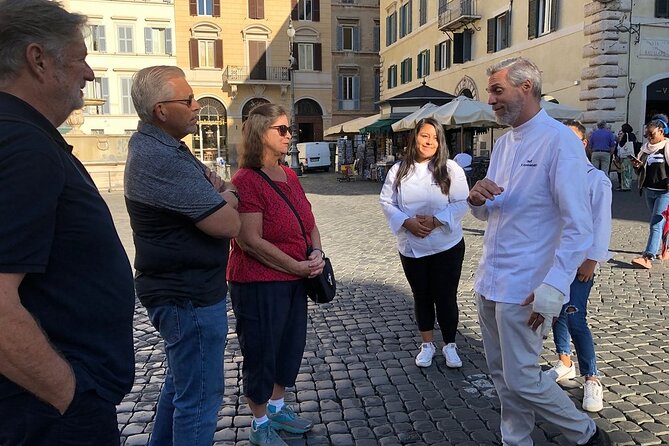
This experience is a great match if:
- You want a practical pasta-making skill, not just a food tasting
- You like learning through action—rolling, chopping, sauce work, plating
- You want a small-group day with a chef who talks as they teach
It’s also a good fit for mixed skill levels. The teaching focus is on technique and adjusting to what you’re making that day, so beginners can follow along, and experienced cooks can still learn new angles on pasta and sauce structure.
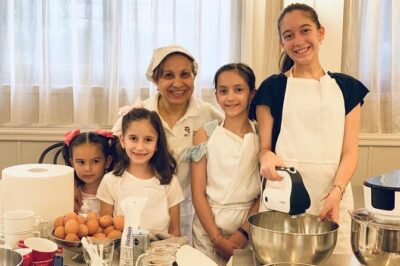
If you’re traveling with teens or a family group, the class can work well because everyone has active tasks. You do need an adult for children, though.
Should You Book Chef in a Day?
Yes, if you want a true pasta-making workshop in Rome with a market start and a chef-led, hands-on kitchen session. The combination of Campo de’ Fiori shopping, three pasta varieties, and a full lunch with wine included gives you both a memory and a usable skill set.
I’d think twice if you have limited tolerance for standing or you need transport handled for you. Also, if dietary needs are complex, send them in early during booking so your chef can set expectations for that day’s menu.
If your goal is to leave Rome able to cook Italian pasta that tastes like it belongs on the plate, this class is one of the most straightforward ways to get there.
FAQ
Where do we meet and when does the class start?
You meet at Piazza Farnese (00186 Roma RM, Italy) at 9:30am. The experience ends in Trastevere, Rome.
How long is the class?
The cooking class runs about 5 hours.
What’s included in the price?
The class includes a Campo de’ Fiori market tour, a professional chef, lunch, wine, and recipes will be emailed after the course.
Is transport included?
No. Transport is not included, so you’ll need to arrange your own way to Piazza Farnese at the start and to Trastevere at the end.
Is the class offered in English?
Yes, the class is offered in English.
What about dietary requirements or kids?
You should add any dietary requirements in the Special Requirements box when booking. Children must be accompanied by an adult.