REVIEW · ROME
Cook with us in Rome: a Hands-On Cooking Experience 15:30PM class
Book on Viator →Operated by Cook With Us in Rome · Bookable on Viator
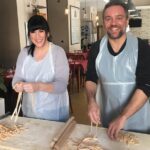
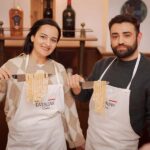
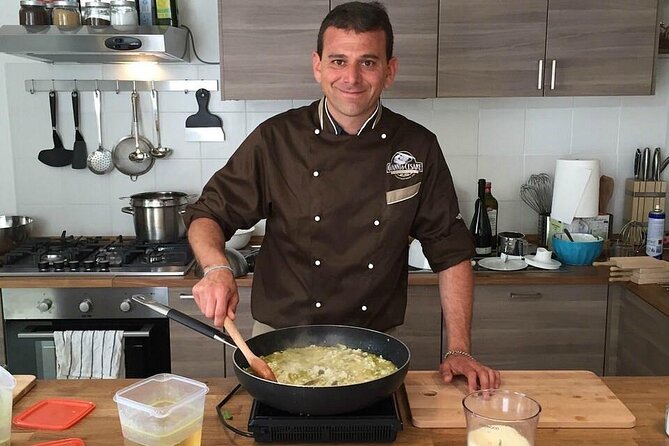
Fresh pasta in Rome, made with your own hands. This 3:30 pm class pairs a relaxed walking start through Rome’s historic center with a hands-on session where you learn real technique, not shortcuts. I like that you shop for fresh produce at a local market when it’s on the schedule, then move to the studio to cook your way through the meal.
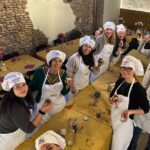
Two things I really love: first, the menu is broad enough to teach you a full Italian workflow—handmade pasta like fettucine, cavatelli, and ravioli plus an antipasto, two sauces, and tiramisu. Second, it’s a small group (max 10), so you get guidance and can actually ask questions while your dough is still workable. The only consideration is timing: the operator notes that Sunday and afternoon classes skip the market, so your start can feel a bit more studio-centered than a classic market-and-cook format.
Cook With Us in Rome: What Makes This Class Worth Your Afternoon
In This Review
- Key things to know before you go
- Where you start: Vicolo di Sant’Onofrio and a calm entry into Rome
- The walk and the market: fresh ingredients plus a quick historic-center reset
- Pasta from scratch: fettucine, cavatelli, and ravioli
- Antipasto and two sauces: building flavor without mystery
- Tiramisu for dessert: the sweet payoff that’s also a skill
- Wine and Prosecco included: why the pairing makes the class easier
- Small-group value: max 10 travelers, real instruction
- How long it really takes (and how to plan your day)
- Who this cooking class suits best
- Should you book Cook With Us in Rome?
- FAQ
- What’s included in the class?
- How long is the Cook with Us in Rome class?
- What time does the 15:30 class start?
- Is the class small group size?
- Where does the class meet?
- Do you always visit the market?
- Is the class offered in English?
- Can I get a refund if my plans change?
- How close is it to public transportation?
Key things to know before you go
- Max 10 people means you’re not lost in a crowd while the chef explains technique.
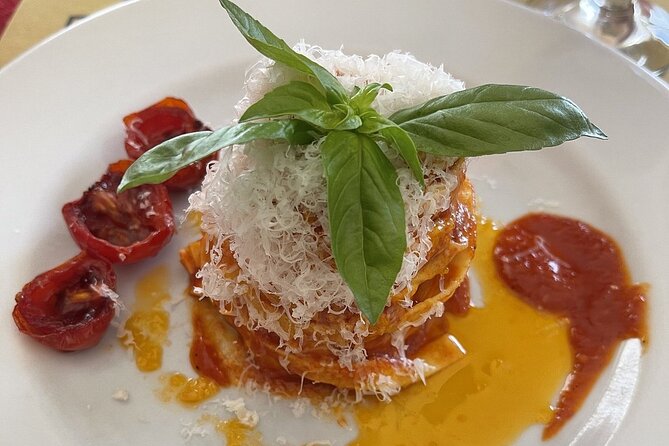
- Handmade pasta lineup includes fettucine, cavatelli, and ravioli so you get variety, not just one shape.
- Full meal cooking arc: antipasto, two sauces, and tiramisu—so you leave with a complete recipe set.
- Wine and Prosecco are included, so the class is social as well as instructional.
- Afternoon timing may skip the market, which changes what your first 30–60 minutes feel like.
Where you start: Vicolo di Sant’Onofrio and a calm entry into Rome
This class meets at Vicolo di Sant’Onofrio, 22, 00165 Roma RM, near public transportation. The schedule is a 3:30 pm start, and the total experience runs about 4 hours. That timing matters because you’re cooking during a sweet spot between daytime sightseeing and evening plans.
What I like about this setup is the pacing. You’re given a structured plan—walk, shop if it’s included, then cook—so you don’t have to stress about finding the right kitchen or figuring out what happens next. In practice, it helps you stay relaxed, and you’ll cook better because you’re not rushing.
You can also read our reviews of more tours and experiences in Rome.
The walk and the market: fresh ingredients plus a quick historic-center reset
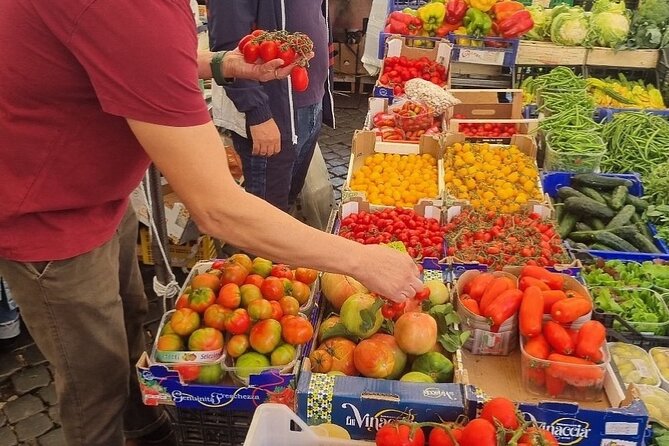
The usual flow starts with a local market where you shop for fresh produce. Then you take a short walking tour through the historic center on the way to the studio. This is a nice way to connect the food to place, because the ingredients you buy are the ones you’ll handle later.
Important detail: the operator notes that on Sunday and afternoon classes, they skip the market because it’s closed. Since your class is scheduled for the afternoon, your experience may be more walking-through-views (or direct-to-studio) than market browsing. Either way, you still get that Rome “we’re moving through real streets” feel before you switch into cooking mode.
If you’re the type who likes to know what you’re eating, the market (when it happens) is the best part to pay attention to. Look at what produce is in season, and notice what ingredients get used in your antipasto, sauces, and pasta. Even if you skip it, don’t worry—you’ll still leave with the practical know-how.
Pasta from scratch: fettucine, cavatelli, and ravioli
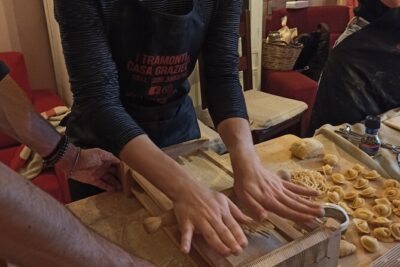
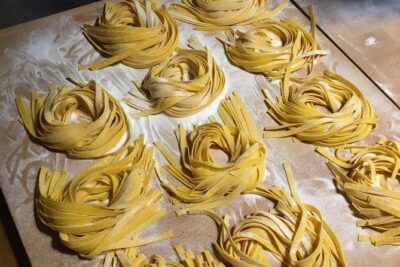
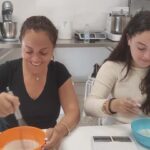
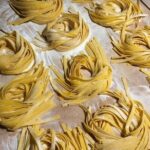
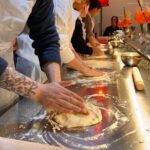
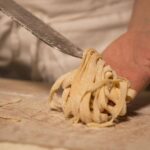
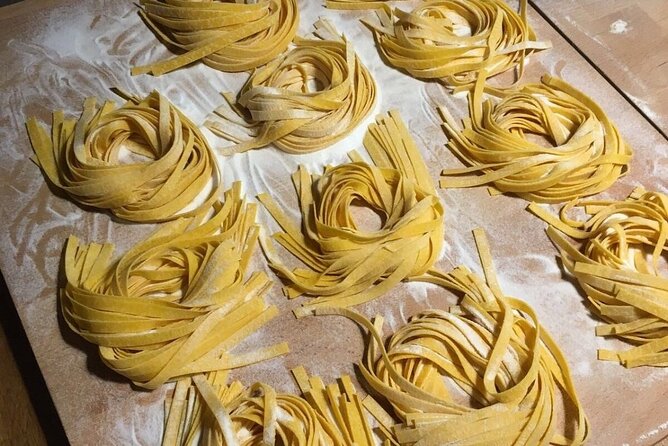
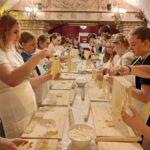
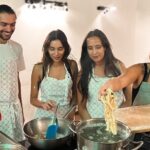
The heart of this experience is making pasta from scratch in a small-group format. You’ll learn to make fettucine, cavatelli, and ravioli. That’s a smart mix because each shape teaches you something different: rolling and cutting, working with textured pieces, and assembling filled pasta without over-stuffing.
This is exactly the kind of class that helps you understand pasta beyond just the final dish. When you handle dough, you learn how it should feel—what’s too dry, what’s too sticky, and how small adjustments change the outcome. You’ll also see how the timing works, since fresh pasta behaves differently than dried.
A practical tip: fresh pasta cooks quickly. So during the lesson, stay present when the chef cues you. If you drift into sightseeing thoughts or waiting too long, the texture can change fast—fresh dough is sensitive in a good way, like it’s telling you what it needs.
Antipasto and two sauces: building flavor without mystery
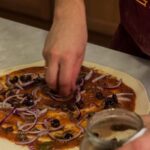
In addition to pasta, you’ll make an antipasto plus two different pasta sauces. This is where a lot of people learn the most, because sauce-making teaches structure—how to balance richness, acidity, and herbs without relying on jarred fixes.
I like that the class doesn’t treat sauces as an afterthought. You don’t just pour something on top. You learn the steps behind it, so when you cook at home, you can recreate the method even if you don’t use the exact same ingredients.
Since you’ll also be eating what you cook, you’ll get instant feedback. If one sauce feels too heavy, you notice how the other one differs. If the antipasto tastes sharper or fresher, you connect that to the ingredients you handled earlier. That cause-and-effect is what turns a fun class into real learning.
Tiramisu for dessert: the sweet payoff that’s also a skill
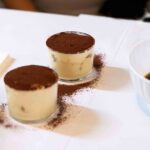
Dessert is tiramisu, taught as part of the same lesson flow. You’re not just eating something sweet—you’re learning how the components come together so it holds structure. In most cooking classes, dessert is either quick or vague. Here, it’s treated like a real part of the meal, which makes the class feel more complete.
Tiramisu is also a good test of technique because the texture matters. You can’t rush it the same way you might with a cake mix. Expect to use a careful hand with layering and timing so it tastes right and doesn’t collapse.


Wine and Prosecco included: why the pairing makes the class easier
The cost includes Prosecco and wine to pair with what you make. This is more than a nice perk. Alcohol and pairing change the mood, and a relaxed group tends to learn better—people ask questions, they laugh, and they don’t get stiff when dough gets tricky.
It also fits the spirit of a real Italian meal. You’re cooking, eating, and talking in one loop. If you’re visiting Rome with family or friends, that shared table time is often the part people remember most, even when they’re talking about pasta shapes later.
Just keep it sensible. The class is hands-on, so if you drink, do it at a pace that still lets you focus when rolling, cutting, or assembling pasta.
Small-group value: max 10 travelers, real instruction
With a maximum of 10 travelers, you’re likely to get closer, more practical help than in the big-bus cooking setup. In this size group, the chef can check your dough and your process instead of only giving broad instructions for the whole room.
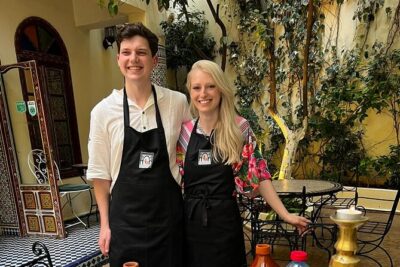
I also like that the class feels family-friendly. That doesn’t mean it’s a “kids-only” event—it means the pace and structure are set up so different ages can participate. If you’re traveling with teens or younger kids who can stay engaged, it can be a memorable break from sightseeing.
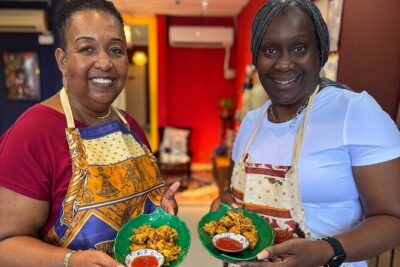
One more quiet benefit: you’ll probably form an easy group vibe. In the reviews, people mention conversation and camaraderie, and that usually happens when everyone is doing the same hands-on work close together.
How long it really takes (and how to plan your day)
You’re looking at about 4 hours. That’s enough time to shop (when it’s on), walk, cook pasta, make sauce and antipasto, and still get to dessert without feeling like a production line. The 3:30 pm start is also helpful if you want a late morning for museums, then a hands-on evening anchor.
To plan around it, think of the class as a full meal experience. You shouldn’t plan a heavy dinner right after. If you want to go out afterward, keep it light—gelato, a quick espresso, or a short stroll.
Who this cooking class suits best
This is best for food lovers who want to learn technique, not just eat well. It’s also a strong fit if you like small-group activities and you enjoy a social cooking vibe with wine included.
If you’re a total beginner, you’ll still be fine. The experience focuses on guided, hands-on steps like pasta shapes and sauce building. If you already cook at home, you’ll likely appreciate how the class makes the process easier to repeat, especially with fresh pasta textures and the sauce logic.
If you hate hands-on tasks or you’re only interested in eating, this may feel more work than expected. For you, a food tour or tasting-focused experience might be a better match. But if you want to come home with skills, this class is built for you.
Should you book Cook With Us in Rome?
Yes, you should book if you want a small, structured lesson that feeds you a complete Italian meal. For $144.18 per person and a roughly 4-hour schedule, the value is strongest because you get instruction plus ingredients plus Prosecco and wine. You’re not paying only for the meal—you’re paying to learn how to recreate the meal at home.
I’d book especially if you want multiple pasta types and a dessert you can actually repeat. If you’re traveling on a day when the market is skipped (Sunday or afternoon sessions), it won’t ruin the experience—you’ll still get the core cooking lesson. But if you love market shopping as part of the journey, you might want to choose a time when that market segment is included.
If you’re okay with getting flour on your hands and learning as you go, this is a very good way to make Rome feel personal—one dough ball at a time.
FAQ
What’s included in the class?
You’ll learn to make handmade pasta (including fettucine, cavatelli, and ravioli), two appetizers, and tiramisu dessert. Prosecco and wine to pair with your meal are included.
How long is the Cook with Us in Rome class?
It runs about 4 hours.
What time does the 15:30 class start?
The class start time is 3:30 pm.
Is the class small group size?
Yes. The class has a maximum of 10 travelers.
Where does the class meet?
It meets at Vicolo di Sant’Onofrio, 22, 00165 Roma RM, Italy.
Do you always visit the market?
Not always. The operator notes that Sunday and afternoon classes skip the market because it’s closed.
Is the class offered in English?
Yes, it’s offered in English.
Can I get a refund if my plans change?
There’s free cancellation. You can cancel up to 24 hours in advance for a full refund.
How close is it to public transportation?
It’s near public transportation.